From Winnipeg Rye to Ployes: 9 Traditional Canadian Breakfast Foods

November 23, 2026
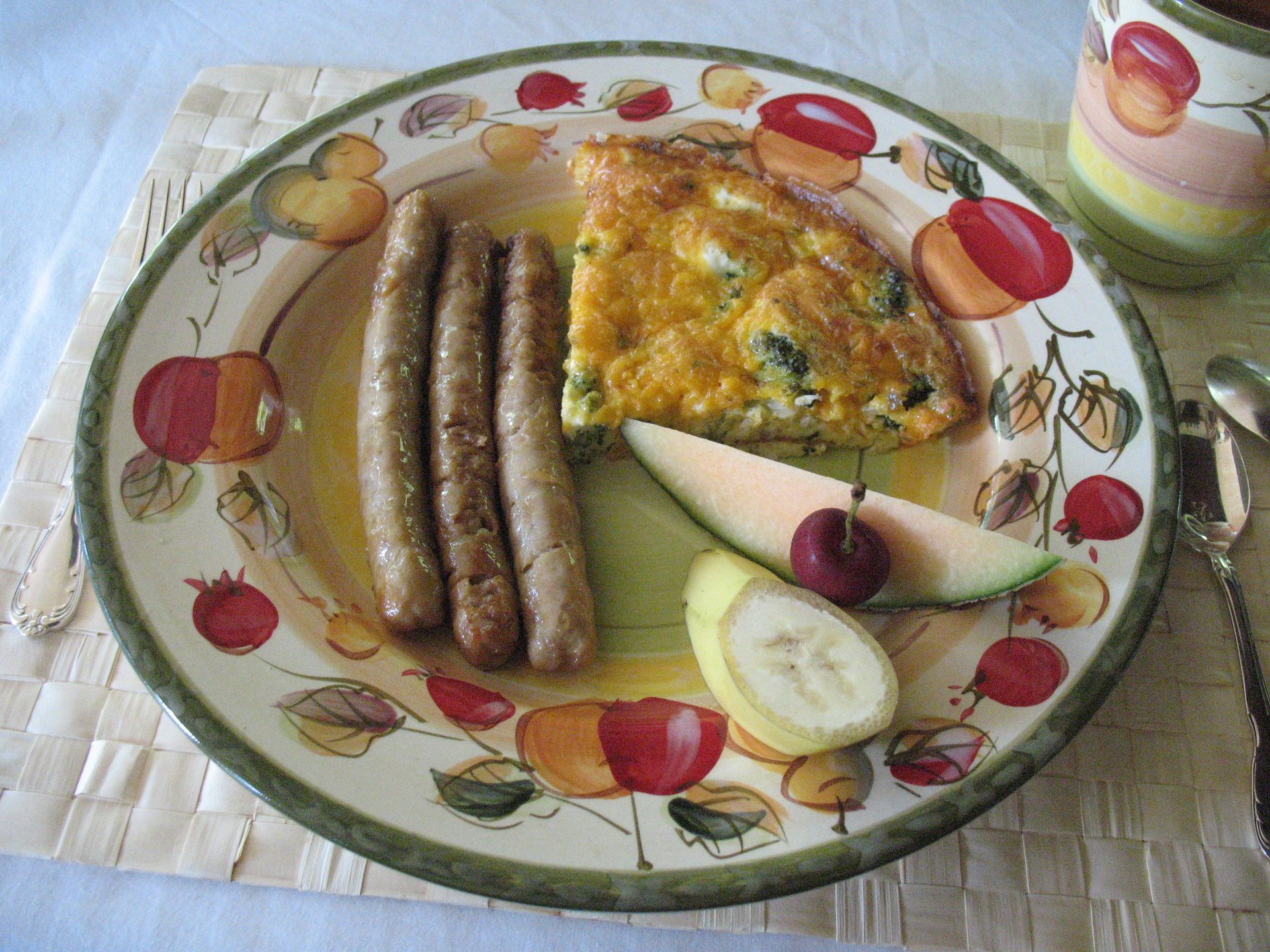
Ask someone outside Canada to picture a traditional Canadian breakfast and they will likely describe a stack of pancakes drowning in maple syrup. That image is not wrong, but it leaves out almost everything that actually fills breakfast tables from Newfoundland to Manitoba.
The real story is one of regional breakfast traditions shaped by waves of settlement: Ukrainian bakers in Winnipeg’s North End, Mennonite farmers on the Prairies, French settlers in Quebec, and Acadian and Newfoundland communities on the Atlantic coast. Each group left behind a dish that still shows up on breakfast plates today. The nine foods below trace that map, one plate at a time.
| Dish | Region of Origin | Usually Eaten With |
|---|---|---|
| Winnipeg Rye Bread | Manitoba | Butter, deli meats, soup |
| Winnipeg Cream Cheese | Manitoba | Rye bread, bagels |
| Mennonite Farmer’s Sausage | Manitoba | Fried potatoes, eggs |
| Peameal Bacon | Ontario | Kaiser roll, eggs |
| Maple Syrup | Quebec, Ontario, Atlantic Canada | Pancakes, beans, porridge |
| Cretons | Quebec | Toast |
| Toutons | Newfoundland | Molasses, butter, saltfish |
| Scruncheons | Newfoundland | Fish cakes, toutons, beans |
| Ployes | New Brunswick, Maine border region | Molasses, butter, stews |
1. Winnipeg Rye Bread
Winnipeg rye bread looks like ordinary rye from the outside but tastes nothing like the dense, caraway-heavy loaves found in much of Europe. Crusty on the outside, light and fluffy on the inside, Winnipeg-style rye bread is lighter in colour and flavour than other rye breads, and although it contains rye flour and rye flakes, the bread is made primarily with white flour—and there are no caraway seeds. The result is a loaf that splits easily for sandwiches but still carries a faint, pleasant tang.
The bread’s roots trace directly to Eastern Europe. In 1923, a group of Winnipeg businessmen pooled their resources to mold an existing flour co-operative, founded by Ukrainian-Canadian farmers, into a thriving bakery in the city’s North End, and for 99 years, that bakery made its famous rye bread and other favourites using Ukrainian recipes brought to Canada more than a century ago. A local baker who has spent decades studying the loaf put it simply: Winnipeg’s rye bread originated with immigrants who came to the city from Ukraine in the late 19th and early 20th centuries, who brought their home-country baking methods with them.
Important Note: The famous KUB bakery closed in late 2022, just a few months shy of its 100th birthday, although some local entrepreneurs hope to revive the brand and bread. Other Winnipeg bakeries still produce the style, so the loaf itself has not disappeared.
2. Winnipeg Cream Cheese
Few foods illustrate Winnipeg’s layered immigrant history as neatly as its cream cheese, a Prairie dairy product that regulars insist tastes richer and tangier than the mass-market brands found elsewhere in North America. It grew up alongside the city’s Ukrainian and Ashkenazi Jewish bakeries, spread thick on slices of the same rye bread that made the neighborhood famous, and it remains a fixture on breakfast tables where bagels and rye are treated as a package deal rather than separate purchases.
Local delis built entire breakfast traditions around the pairing long before “artisan” dairy became a marketing term. For anyone planning a morning spread at home, that same combination of rich cream cheese and hearty bread makes an easy base for a festive breakfast spread that feels more substantial than a standard continental plate.
3. Mennonite Farmer’s Sausage
Known locally simply as farmer sausage, this coarse, garlic-forward pork sausage traces back to Russian Mennonite communities who settled southern Manitoba in the 1870s and continued arriving through the early 20th century. The sausage is typically smoked rather than fresh, which gives it a firmer bite and a flavor that holds up well next to eggs and fried potatoes, the classic Prairie breakfast combination.
Manitoba towns with strong Mennonite roots, including Steinbach, still sell farmer sausage at local butcher shops and farmers markets, often alongside pickled vegetables and preserves that reflect the same Old World food preservation habits. The hearty, meat-and-starch logic behind the dish is not unlike other Central and Eastern European comfort cooking, including the kind of slow-simmered, hearty European comfort food that sustained farming communities through cold winters.
4. Peameal Bacon
Peameal bacon is Ontario’s answer to the question of what “Canadian bacon” actually means, and it has almost nothing in common with the smoked strips Americans call by that name. It is a wet-cured, unsmoked bacon made from trimmed lean boneless pork loin rolled in cornmeal, which gives it a milder, ham-like texture closer to a thick cutlet than a crispy strip.
Originally made with dried peas, peameal bacon is a Toronto specialty, and the ham-like “Canadian” bacon enjoyed elsewhere likely originated in Toronto, where one prolific pork producer of the Victorian era, William Davies, is credited with the idea of using ground dried peas as a crust to preserve pork loin a little longer. Since the end of World War I, it has been rolled in ground yellow cornmeal instead, mostly because cornmeal was easier to source and refrigeration made the original preservation trick unnecessary.
Pro Tip: Fry peameal bacon in a hot pan with a little butter rather than oil. The cornmeal crust browns faster and crisps up without burning the lean loin underneath.
The dish’s status as a breakfast icon is official, not just anecdotal. The peameal bacon sandwich was named Toronto’s Signature Sandwich in 2016 by then Mayor John Tory, cementing a food that started as a shelf-life trick into a civic point of pride.
5. Maple Syrup
Maple syrup is the one item on this list that most people outside Canada already recognize, though the grading and harvesting details are less familiar. Syrup is tapped from maple trees in early spring, when overnight freezes and daytime thaws push sap up through the trunk, and it is graded by color and intensity, running from a lighter Golden syrup with a delicate taste through Amber, Dark, and Very Dark grades with progressively stronger, more robust flavor.
On a traditional breakfast table, syrup rarely sits still on pancakes alone. It gets stirred into oatmeal, drizzled over baked beans, and poured straight over snow as a seasonal treat called “sugar on snow” in sugar shack country. Readers curious about how other food cultures sweeten the morning plate might enjoy comparing notes with Greece’s honey-sweetened breakfasts, where honey plays a structurally similar role to syrup on a Canadian table.
6. Cretons
Cretons is a rustic pork spread from Quebec, closer to a coarse pâté than a pate in the French sense, built from ground pork slow-cooked with onions and warming spices like cinnamon, cloves, or allspice until the mixture turns thick and spreadable. It gets packed into a dish, chilled until firm, then spread cold or lightly warmed onto toast.
The dish is a direct descendant of the charcuterie traditions French settlers carried to New France, part of the broader French culinary roots that still shape Quebec cooking today. It shows up most often at cabane à sucre breakfasts during maple season, usually plated alongside eggs, baked beans, and a generous pour of fresh syrup.
7. Toutons
Toutons started as a way to avoid wasting bread dough. Instead of baking every scrap into loaves, Newfoundland cooks pinched off pieces of raw dough and fried them in butter, pork fat, or drippings until the outside turned golden and crisp while the inside stayed soft and doughy.
Served hot with molasses, butter, or alongside saltfish and eggs, toutons remain one of the most recognizable breakfast foods on the island. The practice of frying leftover dough rather than discarding it echoes other fried bread traditions found across the world, including the puffed, fried breads common in South Asian breakfasts.
8. Scruncheons
Scruncheons are small cubes of salt pork fat, rendered slowly in a pan until the outside turns crisp and brown while the fat itself melts out and flavors everything else cooking alongside it. On their own they taste intensely salty and savory, which is exactly why Newfoundlanders rarely eat them plain.
Instead, scruncheons get scattered over fish cakes, stirred into baked beans, or sprinkled on top of a plate of toutons for extra crunch and a hit of rendered pork fat. The technique reflects the same frugal, use-everything philosophy that shaped much of traditional Atlantic Canadian cooking, where salt pork was a pantry staple long before refrigeration made fresh meat a daily option.
9. Ployes
Ployes come from the Republic of Madawaska, the historically Acadian-French region straddling the New Brunswick and Maine border, and they look unlike any other pancake on this list. The batter, made mostly from buckwheat flour, gets poured onto a hot griddle and cooked only on one side, never flipped, which leaves the surface covered in small bubbled craters while the bottom stays smooth.
That one-sided cooking method is unusual, but it is not unique to Acadian kitchens. Cooks in several other cuisines use a similar single-sided griddle technique, a detail worth comparing against the array of pancake traditions worldwide that rely on the same patient, low-heat approach. On an Acadian or northern Maine breakfast table, ployes typically replace bread entirely, served warm with butter, molasses, or alongside a bowl of stew.
Key Insight: Ployes contain no eggs, dairy, or wheat in their traditional form, making them one of the few historic Canadian breakfast foods that happens to be naturally gluten-free and vegan by accident rather than by design.
Taken together, these nine dishes make a stronger case for what a traditional Canadian breakfast actually looks like than any single plate of bacon and eggs could. The food map runs from Ukrainian-style bakeries in Winnipeg’s North End to Acadian griddles near the Maine border, with Mennonite sausage, Quebec charcuterie, and Newfoundland fried dough filling in the middle.
Readers interested in how other countries build their own version of the morning meal might enjoy exploring Japan’s traditional breakfast or Pakistan’s hearty breakfast spread for a sense of how differently the first meal of the day gets built around the world. Canada’s version, it turns out, was never really one dish at all.