Can You Freeze 4 Bean Salad? What Actually Happens and What to Do

October 19, 2026
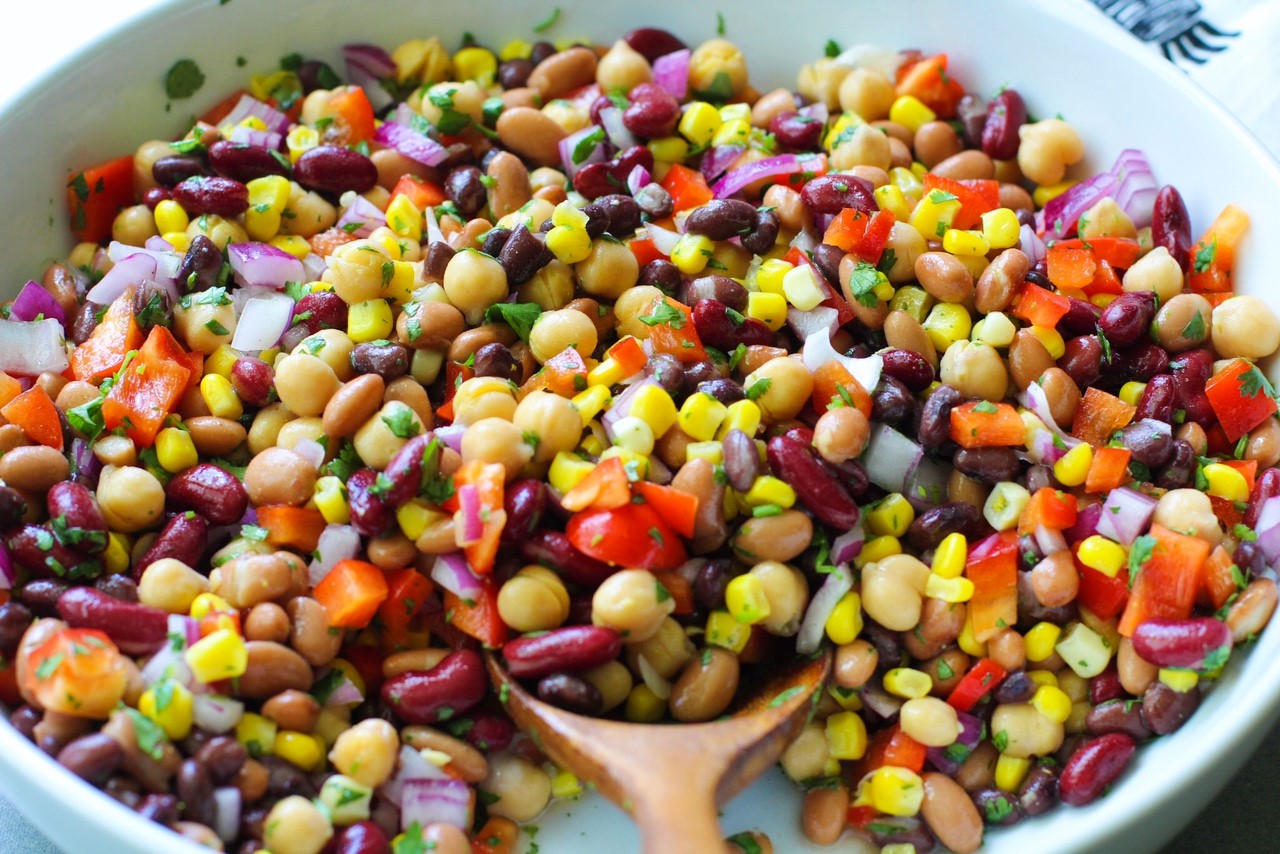
Four bean salad is one of those make-ahead dishes that disappears fast at cookouts and potlucks — but sometimes you end up with more than you can finish in a few days. That raises a fair question: can you freeze 4 bean salad, or will it turn into a mushy mess?
The honest answer is nuanced. Freezing 4 bean salad is possible, but it comes with real trade-offs you should know before you commit a big batch to the freezer. This guide walks you through what actually happens when you freeze it, how to do it the right way if you choose to, and smarter ways to use it once it’s thawed.
Can You Freeze 4 Bean Salad?
Technically, yes — you can freeze 4 bean salad. The short answer is that you can absolutely freeze bean salad to enjoy later, but proper preparation is key to preserving texture and flavor when thawed. That said, opinions among recipe developers are divided, and the reason comes down to what’s in a classic four-bean salad.
A traditional American-style 4 bean salad typically includes kidney beans, garbanzo beans (chickpeas), green beans, and wax beans, tossed in a sweet cider vinegar dressing with green peppers and onions. Crisp vegetables like celery, bell peppers, and onions are particularly susceptible to textural degradation during freezing, while softer vegetables like cooked corn or diced tomatoes might hold up marginally better, but will still likely become mushy.
Kidney beans stay firm with a pleasant chew, while more delicate beans like lentils, green beans, or peas tend to get mushy when frozen and thawed. Since green beans and wax beans are staples in the classic four-bean formula, freezing will noticeably change the salad’s texture. If your recipe uses mostly heartier canned beans — kidney, chickpea, black bean — it will hold up better than one heavy on green or wax beans.
Important Note: Sources differ on whether freezing 4 bean salad is worth it. Sites like Taste of Home and Simple Side Dishes advise against it, while other food bloggers say it works well with the right preparation. The difference often comes down to the specific bean mix and dressing used. Weigh the texture trade-off against your needs before freezing.
Does Freezing Change the Texture or Taste of 4 Bean Salad?
Yes — and this is the most important thing to understand before you freeze a batch. The cell structure of the beans is damaged during freezing and thawing, leading to a softer, mushier texture and a loss of structural integrity. The beans may also absorb excess water, becoming waterlogged and less flavorful.
The ice crystals formed during freezing rupture the cell walls, resulting in a soft, mushy, and often watery texture. Vegetables with a high water content, such as celery and cucumbers, are particularly susceptible to this effect. In a four-bean salad, this means the crisp snap of green beans and wax beans — two of the salad’s defining textures — will be largely gone after thawing.
The dressing is also affected. While vinegar-based dressings are less prone to complete separation than creamy dressings, they can still undergo textural changes. The oil and vinegar may separate slightly, and the overall flavor might become less vibrant after thawing. You can fix this by whisking the dressing back together and adding a small splash of fresh vinegar before serving.
While some vitamins may be slightly reduced during freezing, the overall nutritional value of the bean salad remains largely intact. Protein, fiber, and minerals are generally well-preserved. So while the texture suffers, the nutritional payoff of the beans — a good reason to eat them in the first place — stays mostly intact. Beans are an excellent source of plant-based protein and fiber, making them a heart-healthy food choice worth keeping in your regular rotation.
How to Freeze 4 Bean Salad the Right Way
If you decide to freeze your four-bean salad, a few preparation steps make a meaningful difference in what you get back after thawing. The goal is to minimize ice crystal formation and protect the beans from absorbing excess moisture.
- Freeze it fresh. For best quality, freeze bean salad within 2–3 days of making it. The longer it sits in the fridge before freezing, the more the vegetables will already have softened from the dressing.
- Drain off excess liquid. Drain off any excess liquid to prevent a watery salad when thawed. Press the salad gently into the container so you’re not freezing pooled dressing.
- Season a little more boldly. Season on the robust side since flavors weaken slightly in the freezer. A touch more vinegar or a pinch of extra salt before freezing helps the flavor hold up.
- Use airtight, freezer-safe containers. Use airtight containers to prevent freezer burn, portion into small containers so they freeze and thaw more evenly, and press out as much air as possible before sealing. Heavy-duty zip-top freezer bags work well — lay them flat so the salad freezes in a thin, even layer.
- Consider flash freezing first. Spread the salad in a single layer on a baking sheet and freeze until solid. This prevents clumping and allows for faster freezing, which minimizes ice crystal formation. Transfer to a sealed container once frozen solid.
- Label with the date. Write the freeze date on every container. You’ll thank yourself later when you’re sorting through a packed freezer before a summer cookout.
Pro Tip: If your four-bean salad uses green beans or wax beans, consider removing them before freezing and adding freshly cooked or canned beans when you serve the thawed salad. The heartier beans — kidney, chickpea, black bean — freeze far better than their more delicate counterparts.
How Long Can You Freeze 4 Bean Salad?
Frozen bean salad is best consumed within 2–3 months for optimal quality. After that, the texture and flavor will continue to deteriorate. Some sources put the window slightly longer — up to four months — but the earlier you use it, the better it will taste.
From a food safety standpoint, frozen foods stored continuously at 0°F (−18°C) or below can be kept indefinitely. The USDA’s Food Safety and Inspection Service also notes that although safe indefinitely, frozen leftovers can lose moisture and flavor when stored for longer times in the freezer. For practical purposes, treat the 2–3 month mark as your quality deadline, not just a safety guideline.
| Storage Method | How Long It Lasts | Quality Notes |
|---|---|---|
| Refrigerator (airtight container) | 3–5 days | Best texture and flavor; dressing may settle |
| Freezer (airtight, 0°F or below) | 2–3 months for best quality | Texture softens; beans may become waterlogged |
| Freezer (beyond 3 months) | Safe but declining quality | Freezer burn and flavor loss become more pronounced |
Always keep your refrigerator at or below 40°F. Make sure your fridge’s temperature is set below 40°F (4.4°C), as this is the optimal temperature for storing perishable items like bean salad. If you’re serving it at a summer picnic or outdoor event, keep it in a cooler with ice packs — throw away all perishable foods that have been left at room temperature for more than 2 hours (1 hour if the temperature is over 90°F, such as at an outdoor picnic during summer). You can learn more about how cold a refrigerator needs to be to keep food safe to make sure your storage setup is right.
How to Thaw Frozen 4 Bean Salad
Thawing correctly matters almost as much as freezing correctly. The method you choose affects both the texture of the final salad and food safety.
- Refrigerator thaw (recommended): The best way to thaw frozen bean salad is in the refrigerator overnight. This allows for slow and even thawing, which minimizes texture degradation. Plan for at least 5–6 hours, or leave it overnight.
- Cold water thaw (faster option): For a quicker thaw, place the sealed container under cold running water for 30–60 minutes, changing the water every 15 minutes. Make sure the container is fully sealed so no water gets in.
- Avoid room-temperature thawing: Avoid thawing at room temperature, as this can promote bacterial growth. The USDA classifies the temperature range between 40°F and 140°F as the “danger zone” where bacteria multiply rapidly.
Once thawed, drain any excess liquid that has accumulated in the container. After thawing, drain off any excess liquid to improve the salad’s texture. Then give it a good stir, re-whisk the dressing if it has separated, and taste it — a splash of fresh vinegar and a pinch of salt often brings the flavor back to life. Add fresh garnishes like chopped herbs right before serving.
Can You Refreeze 4 Bean Salad After Thawing?
No. Refreezing thawed bean salad is not recommended, and for two separate reasons: food safety and quality.
Refreezing is strongly discouraged due to the increased risk of bacterial growth and further texture degradation. Each freeze-thaw cycle puts the salad through another round of ice crystal formation, which further breaks down the cell walls of the beans and vegetables. What was already softer after the first thaw becomes noticeably mushy after a second freeze.
Never refreeze thawed bean salad. Refreezing promotes bacterial growth and further degrades the texture and flavor of the ingredients. The USDA notes that when exposed to freezing temperatures, some cells may die, but others will survive. If the food is allowed to warm up and thaw, these survivors will begin to multiply again and cause problems.
The practical solution is to freeze your salad in individual or small-batch portions from the start. That way, you only thaw what you need and never face the temptation to refreeze the rest. Beans in general are an incredibly nutrient-dense whole plant food, and proper storage helps you get the most out of them.
How to Use Frozen 4 Bean Salad (Best Uses After Freezing)
Once your four-bean salad is thawed, the texture won’t be the same as fresh — but that doesn’t mean it has to go to waste. The key is matching the thawed salad to dishes where a softer texture is either unnoticeable or actually welcome.
Serve as a side with adjustments. If the beans are still reasonably firm, drain the excess liquid, re-dress with a little fresh vinegar and olive oil, and serve cold as you normally would. Adding diced fresh bell pepper or a handful of thinly sliced red onion can restore some crunch. Mild, slightly nutty and perfectly crunchy, a bean salad is the ideal bring-along to a potluck or picnic. Served with heartier meals, it complements burgers and hotdogs, but it also works well when served with a more formal pot roast.
Blend into soups and stews. If the thawed salad is too mushy to enjoy as a standalone dish, consider using it as an ingredient in soups, stews, or dips where texture is less critical. You can also blend it into a bean dip or spread. The vinegar-forward dressing actually adds a pleasant tang to a vegetable soup or a slow-cooker bean stew.
Use as a wrap or grain bowl filling. Spoon the thawed salad over cooked farro, brown rice, or quinoa, and top with fresh herbs and a drizzle of olive oil. The grains absorb the dressing and the beans add protein without the texture being an issue. You can also pile it into a flour tortilla with shredded greens and sliced avocado for a fast, filling lunch.
Pro Tip: Stir thawed four-bean salad into a pot of vegetable or chicken broth with diced tomatoes and a bay leaf for a quick weeknight bean soup. The vinegar dressing dissolves into the broth and adds depth without any extra seasoning work.
Beans are also a powerful source of cancer-fighting nutrients and support healthy liver function, so finding creative ways to use every last bit of your batch is well worth the effort.
Signs That Frozen 4 Bean Salad Has Gone Bad
Even in the freezer, food can degrade beyond the point of being worth eating — and in some cases, it can become unsafe. Knowing what to look for protects you from wasting a meal or, worse, getting sick.
According to the USDA , signs of food spoilage may include an appearance different from the food in its fresh form, such as a change in color, a change in texture, an unpleasant odor, or an undesirable taste. For bean salad specifically, watch for these warning signs:
- Off or sour smell: Bean salads usually have a fresh or tangy scent, and if it smells noticeably off, it’s best to toss it.
- Slimy texture: If the beans become mushy or slimy, that’s a clear sign the salad is bad. A soft texture from freezing is expected; a slimy or sticky surface is not.
- Discoloration: Discoloration or any unusual color changes beyond the normal dulling of frozen vegetables are a red flag.
- Visible mold: If you see any type of mold or discoloration, don’t eat it. Mold can appear even on frozen food that was stored too long or improperly sealed.
- Freezer burn: Heavy white or grayish patches on the surface indicate freezer burn. The salad is technically safe to eat but will taste dry and bland. Scraping off the affected portions and re-dressing the rest is an option, but if it’s extensive, it’s better to discard it.
Although freezing isn’t recommended for every recipe, if you do freeze bean salad, it’s best to use it within 1–2 months for optimal quality. When in doubt, the USDA Food Safety and Inspection Service puts it simply: when in doubt, throw it out.
Frequently Asked Questions
Can you freeze store-bought canned bean salad?
Bean salad, whether canned or homemade, has different expiration timeframes. An unopened can of bean salad can generally last about 2–5 years past its best-by date, depending on the manufacturer’s guidelines. However, once opened, your bean salad should be eaten within 3–4 days. If you’ve opened a can and have more than you can use, transfer it to a freezer-safe container and freeze it — the same texture caveats apply.
Is it better to refrigerate or freeze 4 bean salad?
Refrigerating is almost always the better option. Store any leftover salad in an airtight container in the fridge, and consume the leftovers within three to four days. The fridge preserves the texture and lets the flavors keep developing as the beans marinate in the dressing — something freezing actively works against.
Can you freeze 4 bean salad with vinaigrette dressing?
Oil and vinegar-based dressings freeze best, maintaining flavor with no separation. Vinaigrettes are a great choice. If your four-bean salad uses a classic sweet cider vinegar dressing, the dressing itself will freeze reasonably well. The bigger concern is the vegetables and beans, not the dressing.
How do you fix mushy bean salad after thawing?
Drain all excess liquid first, then re-dress with a small amount of fresh vinegar and olive oil. Add crunchy raw vegetables — diced bell pepper, thinly sliced celery, or red onion — to restore texture. Fresh herbs like flat-leaf parsley also help brighten the flavor. If the beans are too soft to serve as a salad, repurpose the batch into soup, a dip, or a grain bowl topping.
What beans freeze best in a bean salad?
Sturdy beans like chickpeas, black beans, and kidney beans maintain their shape nicely when frozen in salads. Green beans and wax beans — two of the four classic components — are the most vulnerable to texture loss. If you’re planning to freeze a batch, consider swapping them for an extra can of kidney beans or black beans. For more on the nutritional benefits of beans, the mung bean is another variety worth exploring for its protein and fiber content.
Can you make 4 bean salad ahead of time without freezing?
Four-bean salad is actually best when made ahead of time, after the beans have had a chance to soak up the dressing and the entire salad has had a chance to chill. Making it one day ahead in the refrigerator gives you the best flavor with none of the texture trade-offs that come with freezing. It’s one of the easiest make-ahead sides for summer entertaining in the US.