Traditional Czech Breakfast: 15 Foods That Define Czech Mornings

November 22, 2026
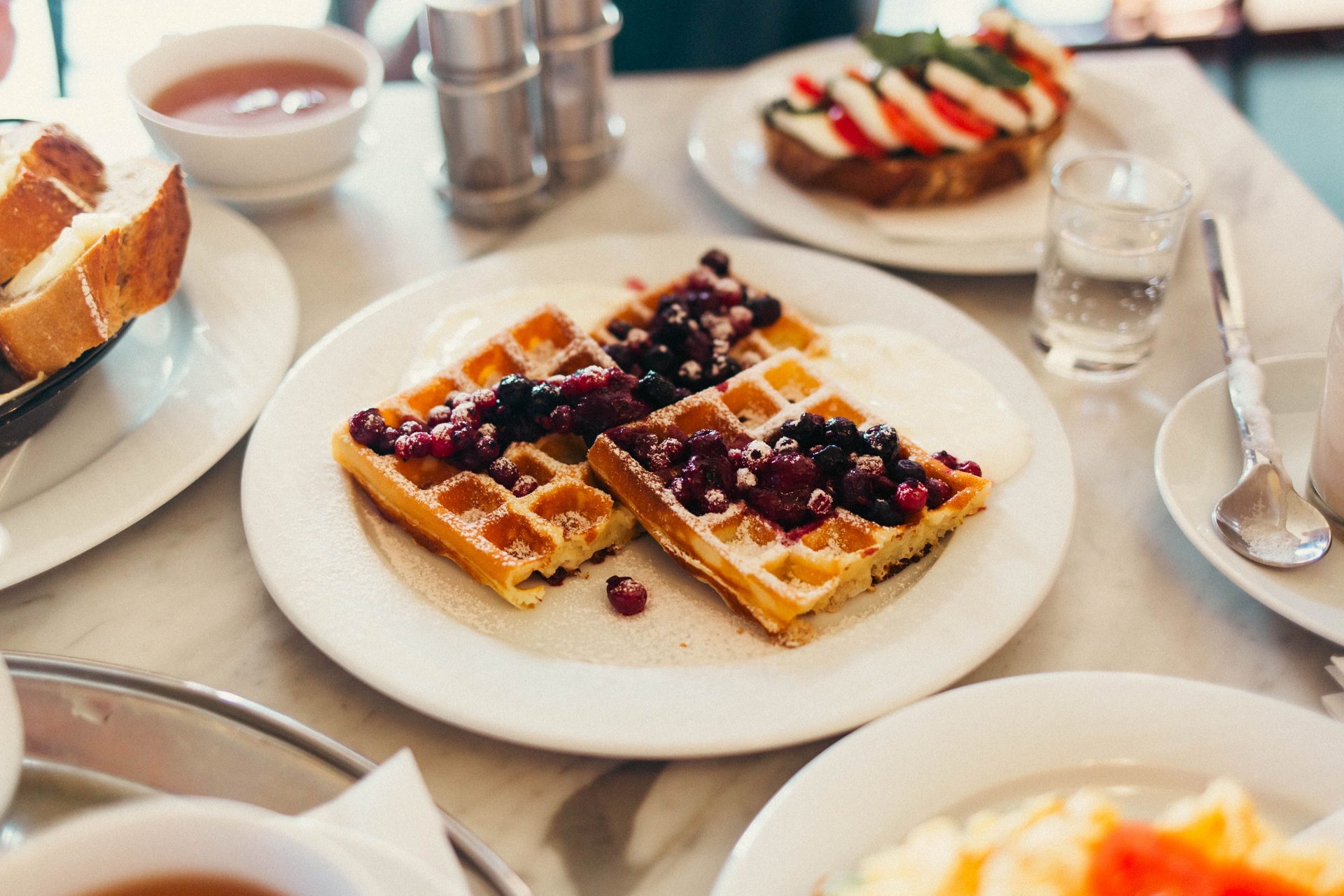
A traditional Czech breakfast rarely looks like a feast. More often it is a bread roll still warm from the corner bakery, a slab of butter, and a cup of coffee strong enough to carry someone through a long morning at work or in the fields.
Many Czechs do not consider breakfast the most important meal of the day, and so they often do not worry too much about what they eat in the morning as long as it is quick and comes with coffee. That casual attitude does not mean the food lacks character or history. The Czech word for breakfast is snídaně, and it can mean anything from a buttered roll to a braided holiday loaf depending on the season.
The spread looks different from a traditional Balkan breakfast built around savory pastries, or the rice-and-fish approach found in a traditional Japanese breakfast. Czech mornings lean on bread, dairy, and fruit preserves instead, and the 15 dishes below show how that simple formula has stayed in heavy rotation across generations.
1. Turecká Káva
Long before espresso machines reached every corner café, Czech households brewed coffee the way the name suggests: Turkish-style. Finely ground coffee is spooned straight into a cup, topped with hot (not boiling) water, and left to settle until the grounds sink to the bottom.
This “turek,” as it is affectionately nicknamed, is still what many older Czechs and countryside pubs serve alongside a plain roll. It is strong, slightly gritty by the last sip, and traditionally unsweetened unless the drinker asks otherwise. Coffee rituals like this are hardly unique to Central Europe; thick, slowly steeped cups show up across the globe, including the sweetened pours found in traditional Egyptian drinks.
- Spoon one to two teaspoons of finely ground coffee directly into a cup.
- Pour hot water over the grounds, just off the boil.
- Let it stand for a few minutes until the grounds settle before drinking.
Pro Tip: If you are served turecká káva and prefer it without sediment at the bottom, let the cup sit a little longer before the final sip — stirring too early just kicks the grounds back up.
2. Rohlík
Rolls known as rohlík rank among the most common breads Czechs eat for breakfast, usually topped with poppy seeds, caraway, or nothing at all. The crescent-shaped roll has a soft interior and a thin, lightly crisp crust, with a mild flavor that pairs well with butter, cheese, ham, or jam.
Rohlíky are part of everyday life and are typically bought fresh in the morning from a bakery counter or supermarket, rather than baked at home. A quick bread-and-butter breakfast built around a rohlík remains one of the fastest ways to eat before heading out the door, and it is still the default option in most Czech households. Read more about Czech cuisine and how these rolls fit into the country’s wider food traditions.
3. Houska
If rohlík is the everyday roll, houska is its braided cousin. This traditional bread roll is baked from wheat flour, water, yeast, and salt, then topped with poppy seeds, caraway seeds, linseeds, or sea salt.
The houska ranks at number 95 on TasteAtlas’s list of the world’s top 100 breads, just behind English crumpets and German pretzels. It is commonly eaten for breakfast, served alongside sweet or savory spreads, butter, or marmalade. Bakeries sell it braided into a plump, knot-like shape, and its light, slightly chewy crumb makes it a favorite for both weekday mornings and Sunday brunch. Learn more about the ranking from Expats.cz .
4. Loupáky
Loupák is a crescent-shaped roll made from sweetened dough containing milk, smeared with egg and sprinkled with poppy seeds before baking, which gives it a golden-brown color. Unlike the plain rohlík, this one is meant to be eaten on its own rather than loaded with savory toppings.
It is often described as a butter pastry sprinkled with poppy seeds, traditionally served with cocoa for breakfast. Soft and slightly sweet, it is typically shaped like a U and sometimes eaten with butter and jam, making it a popular choice for children’s breakfasts and bakery visits. See more bakery picks from Czech Bites .
5. Vánočka
Vánočka is a plaited bread baked in the Czech Republic and Slovakia, traditionally around the Christmas holiday. The dough is enriched with butter, eggs, and sugar, then studded with raisins and almonds before being braided into a long loaf.
According to Czech folk tradition, the braided shape is meant to resemble a swaddled infant, tying the bread to themes of new life that fit the holiday season. Sliced thick and spread with butter and a little jam, it turns an ordinary December morning into something closer to a celebration. Its round sibling, discussed next, shares nearly the same dough but a very different occasion.
6. Mazanec
Mazanec is a traditional Czech sweet Easter bread made with dried fruit, almonds, and cream, usually baked for the holiday and eaten for breakfast, though bakeries sell versions of it year-round. The dough is nearly identical to vánočka, enriched and slightly sweet, but shaped into a round loaf rather than a braid.
The main difference between the two breads is shape: vánočka is long, while mazanec is round. A cross is often cut into the top before baking, a small nod to the Easter story the bread is meant to mark. For a full recipe breakdown, View from Prague has a detailed guide.
Common Mistake: Vánočka and mazanec are often confused because they share almost the same dough. The quickest way to tell them apart is shape — long and braided means Christmas, round means Easter.
| Bread | Shape | Sweetness | Typically Eaten |
|---|---|---|---|
| Rohlík | Crescent | Plain | Daily, with savory toppings |
| Houska | Braided knot | Mildly sweet | Daily or weekend breakfast |
| Loupáky | U-shaped crescent | Sweet | Breakfast, with cocoa |
| Vánočka | Long braid | Rich and sweet | Christmas morning |
| Mazanec | Round loaf | Rich and sweet | Easter morning |
7. Kolače
A real Czech breakfast, in the eyes of many locals, means chlebíčky, koláče, and strong coffee. These round pastries start with a sweet, enriched dough that is pressed into a disc and filled before baking, leaving a shallow well for whatever filling the baker chooses.
Fillings typically include poppy seeds, apple, or a cheese curd mixed with raisins, and bakery cases often display several varieties side by side. Common options include:
- Poppy seed (mák)
- Sweetened cottage cheese (tvaroh), often with raisins
- Stewed apple or plum
- Apricot or plum jam
The format is not exclusive to Czech bakeries, either. Filled, disc-shaped pastries show up in many European baking traditions, including the layered sweets found in traditional Greek foods.
8. Šátečky
Šátečky take their name from the Czech word for a small scarf or kerchief, a nod to the way the dough is folded into a square and pinched at the corners before baking. The result looks a little like an envelope, with the filling peeking out from the center.
Fillings tend to mirror those used in kolače — poppy seed, cottage cheese, apple, or jam — but the folded shape gives šátečky a slightly different texture, with crisper edges where the dough overlaps. They sit in the same bakery case as kolače and loupáky, and most Czechs treat the three as interchangeable grab-and-go sweets. The idea of filling a folded pastry with a savory or sweet center is far from unique to Czech baking, as shown by stuffed pastries in traditional Indian foods.
9. Koblihy
Koblihy are the Czech answer to the doughnut: small, fried balls of yeasted dough, usually dusted with powdered sugar and filled with plum jam, though custard and chocolate versions have become common too. They are closely related to the Polish pączki and the German berliner, all descended from the same fried-dough tradition found across Central Europe.
While koblihy are strongly associated with Masopust, the pre-Lenten carnival season when frying large batches was once a way to use up fat and sugar before fasting, bakeries now sell them year-round. A fresh kobliha with coffee is a popular mid-morning treat as much as a breakfast item. Sweet fried dough as a morning indulgence is a familiar idea elsewhere too, much like the pastries featured in a festive breakfast spread.
10. Palačinky
Palačinky are thin, crepe-style pancakes made from a simple batter of flour, milk, and eggs, cooked in a hot pan until lacy and golden on the edges. They are rolled rather than stacked, usually around a filling of jam, chocolate spread, or sweetened quark cheese.
A dusting of powdered sugar finishes most servings, and some households add a drizzle of fruit syrup or a scoop of fruit compote on the side. The technique closely tracks the crepe traditions found across the continent, including the batter-and-fold style behind traditional French food. Palačinky show up for weekend breakfasts, as a light dinner, or as dessert, depending on what is in the fridge.
11. Livance
Livance are small, puffy yeasted pancakes, thicker than palačinky and closer in texture to a cross between a pancake and a blini. The batter rests until it bubbles, then spoonfuls are cooked on a griddle until each disc puffs up and browns lightly on both sides.
They are traditionally stacked and served warm with a combination of toppings: powdered sugar, fruit compote, sour cream, or cottage cheese mixed with a little sugar. The dish has strong roots in Moravian home cooking, where it often appeared as a way to use up leftover batter or sour milk. A plate of livance is less common in cafés than rohlík or koláče, but it remains a nostalgic weekend breakfast in many Czech families.
12. Bábovka
Bábovka is the Czech bundt cake, baked in a fluted ring mold that gives it a distinctive ridged shape once turned out and sliced. The batter is often split in two, with cocoa powder marbled through half before baking to create a swirled pattern inside.
Lemon zest, vanilla, or poppy seeds are common flavor additions depending on the household recipe, and a dusting of powdered sugar usually finishes the top. While it leans more toward a coffee-break treat than a daily breakfast staple, bábovka regularly appears on Sunday breakfast tables and at family gatherings, cut into thick wedges alongside coffee or tea.
13. Topinka
Topinka is fried or toasted bread, usually a thick slice cooked in butter or bacon fat until the edges turn golden and crisp. A raw garlic clove is often rubbed directly onto the hot surface, infusing the bread with a sharp, pungent flavor before any toppings go on.
Grated cheese, diced ham, or a sprinkle of salt typically finish the dish, and it is sometimes topped with škvarky, crispy pork cracklings rendered from lard-making. Topinka has a reputation as pub food eaten after a night out, but it has long since crossed over into regular breakfast territory. Simple, pan-fried comfort food built around bread shows up in plenty of other kitchens too, including the slow-simmered, one-pot approach behind a traditional German stew.
14. Smazenka
Smazenka refers to a bakery-made breakfast roll stuffed with scrambled egg, often mixed with ham, cheese, or sautéed mushrooms, then baked inside the dough rather than assembled as a sandwich afterward. It sits alongside rohlík, houska, and goulash on lists of must-try Czech breakfast foods, prized for being filling enough to skip a second meal.
The egg filling can vary by bakery, with some versions leaning savory and heavy on cheese, while others keep it closer to a plain scrambled-egg center. It is a convenient grab-and-go option for commuters, sold warm from bakery counters in the morning rush. Egg-based breakfasts built for speed are common well beyond Czech borders too, much like the egg dishes found in traditional Pakistani food. Read more about regional takes on Czech breakfast from Gamin Traveler .
15. Švestková Povidla
Švestková povidla is a thick, dark plum butter made by simmering ripe plums for hours, sometimes an entire day, until the fruit breaks down into a concentrated, jammy spread with no added pectin needed. Sugar is optional since the slow cooking process naturally intensifies the plums’ sweetness.
It is spread directly on bread or rohlíky, stirred into oatmeal, or used as the filling inside kolače and buchty. The tradition is especially strong in Moravia, where plum orchards have supplied home cooks with fruit for generations, and many families still make a batch every autumn to last through the winter. A jar of homemade povidla on the breakfast table is as much a sign of seasonal pride as it is a topping.
Taken together, these 15 dishes show that a traditional Czech breakfast is less about a single iconic plate and more about a rotation of bread, pastry, and preserves shaped by season and occasion. The same pattern of regional breakfast traditions built around pantry staples and local baking shows up well beyond Central Europe, from Albanian food culture’s reliance on byrek and olive-oil-fried dough to the savory, cheese-heavy spreads found in authentic Albanian recipes. For more morning meal traditions from around the world, browse the full breakfast collection.