Traditional Haitian Breakfast: 4 Dishes That Start Every Morning

November 22, 2026
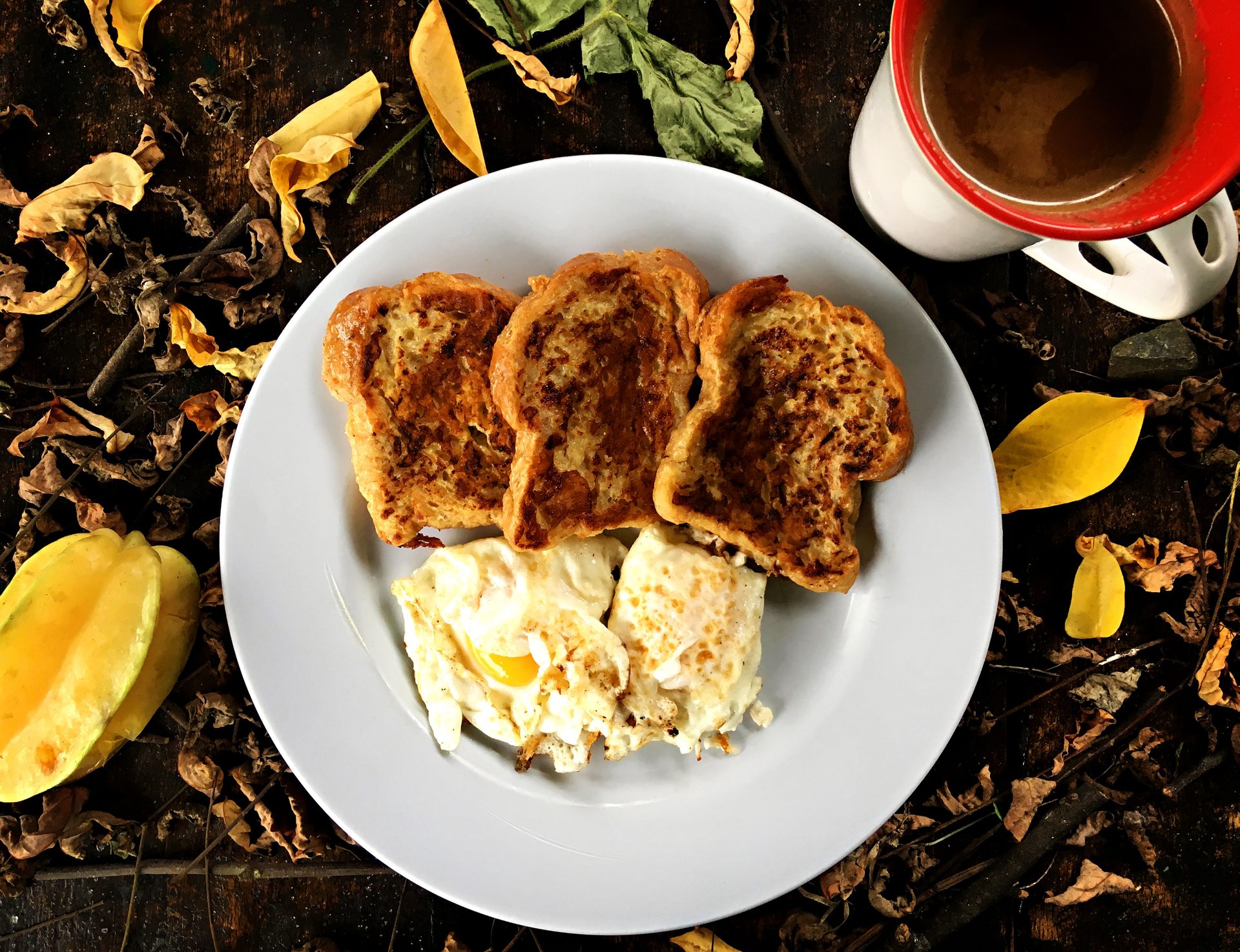
A traditional Haitian breakfast looks nothing like a bowl of cereal or a slice of toast. Instead, mornings in Haiti often begin with something warm, hearty, and seasoned with real intention: creamy cornmeal, saucy noodles, spoonable porridge, or a spiced corn drink sipped from a cup. These dishes carry generations of Creole cooking history, and each one tells its own story about how Haitian families build a morning meal meant to carry them through a long day.
This guide walks through four dishes that anchor the Haitian breakfast table: mayi moulen, espaghetti, labouyi, and akasan. Readers curious about breakfast traditions around the world will find Haiti’s approach distinctly its own, shaped by French colonial history, African culinary roots, and the practical need to feed a family well before the heat of the day sets in.
| Dish | Main Ingredients | Texture | How It’s Served |
|---|---|---|---|
| Mayi moulen | Cornmeal, garlic, butter | Creamy, polenta-like | Hot, often with black bean purée or herring |
| Espaghetti | Spaghetti, tomato paste, hot dogs or herring | Saucy, savory | Hot, plated as a full breakfast |
| Labouyi | Oats, cornmeal, or plantain flour, milk, cinnamon | Smooth, spoonable porridge | Warm, in a bowl |
| Akasan | Corn flour, evaporated milk, star anise, cinnamon | Thick, drinkable | Warm or chilled, in a cup |
1. Mayi Moulen
Mayi moulen translates loosely from Haitian Creole, and Cup of Yum notes that Mayi moulen (“ground corn” in Haitian Creole) is a staple of Haitian cuisine made from cornmeal with a very creamy texture. The dish starts simple: cornmeal cooked down with garlic, butter, and salt until it reaches a smooth, almost spoonable consistency.
The basic method stays consistent across Haitian kitchens. According to 196 Flavors , the cook sautés garlic in oil, then quickly adds water and salt before the garlic turns brown, bringing it to a boil before whisking in the cornmeal to avoid lumps. Once the porridge thickens, it’s traditionally paired with something savory on the side.
Serve hot, accompanied by sòs pwa nwa (black bean purée) or mori (salted herring-type fish), and the dish shifts from simple porridge to a full meal. Some households lean sweet instead, folding in coconut milk, sugar, and a dusting of cinnamon or nutmeg for a dessert-like morning version rather than the garlicky savory style.
What makes mayi moulen endure isn’t complexity; it’s comfort. Touching Tables describes it well: Traditionally served hot, Mayi Moulen can be made sweet or savory, and either way, it’s a dish that wraps you in the warmth and hospitality Haiti is known for. Readers who enjoy hearty, one-pot morning staples might also appreciate Germany’s eintopf tradition, another dish built around slow, warming simplicity, or the maize-based porridges found across South African cooking, where cornmeal plays a similarly central role.
Pro Tip: If the porridge thickens too fast and starts sticking to the pot, stir in a splash of boiling water rather than cold water, which can cause lumps to form.
2. Espaghetti
Few dishes surprise outsiders more than finding spaghetti on a Haitian breakfast table, yet espaghetti is one of the country’s most recognizable morning meals. The dish takes ordinary boiled noodles and tosses them in a skillet with tomato paste or ketchup, sautéed onions and garlic, and a Haitian seasoning base known as epis, usually built from blended peppers, herbs, and spices.
Protein varies by household and budget. Some cooks add sliced hot dogs or sausage for a heartier plate, while others pair the noodles with fried eggs, herring, or avocado on the side. The sauce tends to run drier and more concentrated than an Italian-style marinara, clinging to the noodles rather than pooling around them, which gives espaghetti its distinctly savory, slightly sweet-and-tangy breakfast character.
Espaghetti is often the breakfast children request before school, since it reheats well and fills a plate quickly on busy mornings. The dish also shows up at family gatherings and Sunday breakfasts, where it’s served alongside fried plantains or bread. Readers interested in how other cultures build noodle-based morning meals might enjoy comparing it to Malaysia’s noodle-forward breakfast dishes, which share the same instinct for a savory, substantial start to the day.
Important Note: Recipes for espaghetti vary widely between households and regions of Haiti, so ingredient lists and spice levels should be treated as flexible starting points rather than a single fixed formula.
3. Labouyi
Labouyi is the Haitian Creole word for porridge, and it covers a whole family of breakfast dishes rather than one single recipe. The base grain changes by household and season: labouyi avwan uses oats, labouyi mayi relies on cornmeal, and labouyi bannann is made from green plantain or banana flour cooked down into a thick, smooth porridge.
Regardless of the grain, the technique stays similar to other Haitian cornmeal dishes: the starch is whisked into hot milk or water, simmered until thick, and finished with cinnamon, nutmeg, vanilla, or a touch of sugar. The result is a warm, filling bowl that’s gentle enough for young children and older family members but satisfying enough to serve as a full adult breakfast.
Labouyi often appears as the first food given to babies transitioning to solids, and it remains a go-to comfort meal during illness or cold weather, much like rice porridge traditions found in Japanese breakfast culture or the warm grain porridges common across Indian breakfast cooking. A bowl of labouyi, topped with a drizzle of condensed milk or a pat of butter, is one of the most universally loved comfort foods in Haitian households.
- Labouyi avwan — oatmeal porridge, often the lightest and quickest version
- Labouyi mayi — cornmeal porridge, close in texture to mayi moulen but usually sweetened
- Labouyi bannann — plantain or banana flour porridge, naturally starchy and filling
4. Akasan
Akasan is a thick, drinkable cornmeal beverage that blurs the line between breakfast and drink. As Imbibe Magazine describes it, the thick, sweet, smoothie-like drink can be served hot or cold, and in Haiti it’s part of daily street life: in Port au Prince, Haiti, women in the markets often carry containers of hot akasan on their heads and call out their wares.
The base recipe is simple. One Haitian cook interviewed by Imbibe summed it up plainly: “It’s cornmeal, sugar, milk and that’s it,” she explains in charming Creole cadences… “You boil the cornmeal, add the sugar, add the milk and add flavoring.” That flavoring usually means vanilla, cinnamon sticks, and star anise, which give akasan its warm, slightly spiced aroma.
According to 196 Flavors , the traditional drink consists of corn flour, evaporated milk and spices, usually cinnamon and aniseed. Home cooks typically whisk the corn flour into cold water first to form a smooth paste, since Creole101 notes this step helps prevent lumps: in a separate bowl, mix the corn flour with 1 cup of cold water, whisking vigorously until it becomes a smooth, liquid paste, which prevents any lumps during the cooking stage.
Serving style depends on climate and household preference. While Haitian market vendors sell it hot, Imbibe notes that outside Haiti the drink often shifts cold, observing that in Brooklyn, however, it’s typically served ice-cold. Either way, akasan sits alongside other spiced, milk-based morning drinks found in food traditions worldwide, not unlike the warm, sweetened beverages that open the day in traditional Egyptian drink culture.
Pro Tip: For a dairy-free version, substitute full-fat coconut milk or a plant-based milk for the evaporated milk; the texture stays thick and the spices still come through clearly.
Together, mayi moulen, espaghetti, labouyi, and akasan show that a traditional Haitian breakfast is rarely an afterthought. Each dish balances practicality with flavor: cornmeal and corn flour stretch a family’s grocery budget, while garlic, cinnamon, star anise, and epis turn humble staples into something worth waking up for. Readers exploring breakfast traditions from other regions, including Venezuela’s morning dishes or the colonial culinary threads woven through traditional French food, will notice a common thread: the best breakfasts are the ones built around what a place grows, a family’s history, and the people gathered around the table.