Can You Freeze Oysters? What You Need to Know Before You Try

November 7, 2026
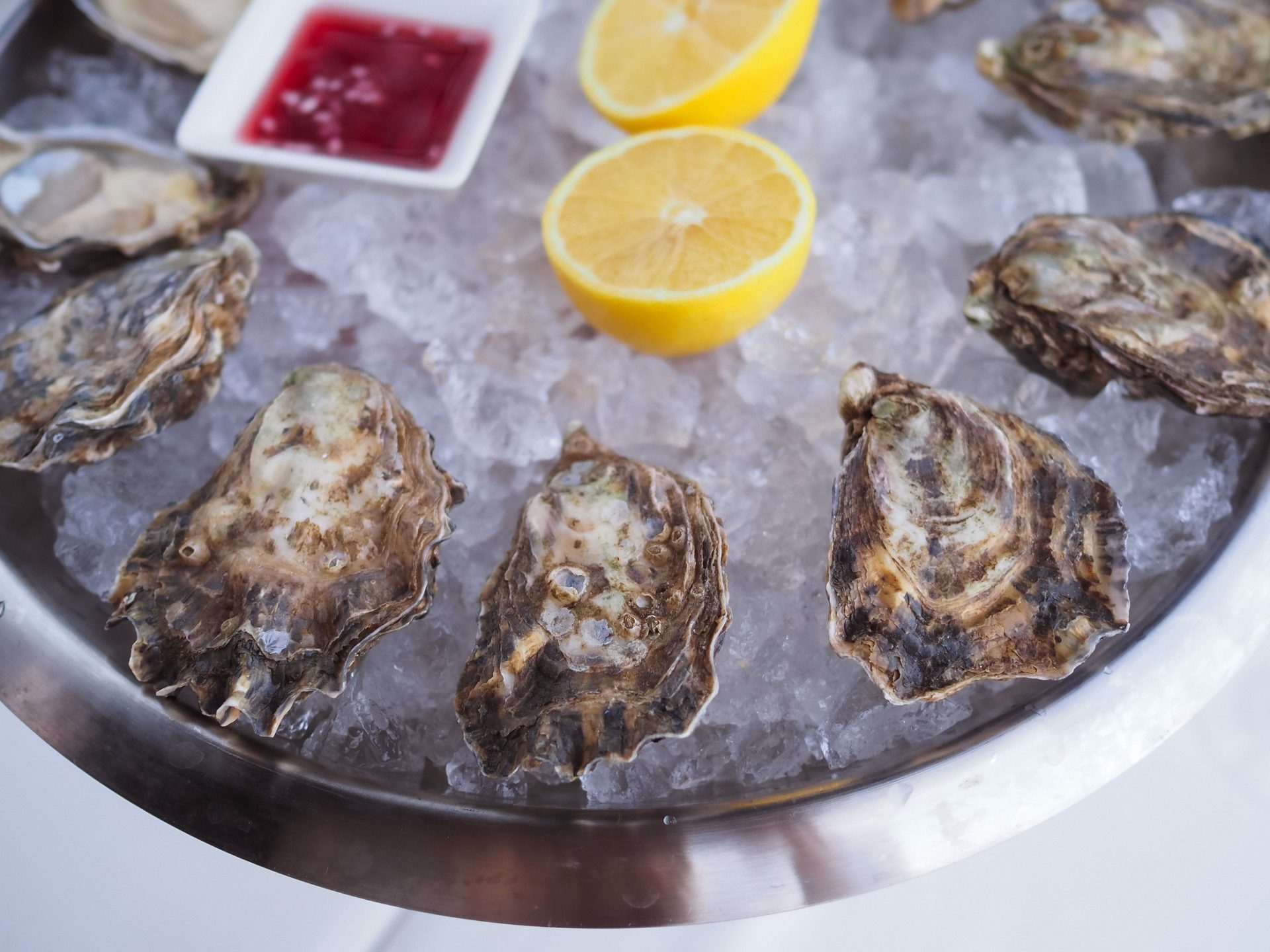
Oysters are one of the most perishable foods you can bring home from a seafood counter or fish market. Fresh ones have a narrow window — and if you bought too many for a gathering or scored a deal on a large batch, you may be wondering whether the freezer is a reasonable option.
The short answer is yes. Freezing oysters is a safe, effective way to extend their shelf life for several months. But there are real trade-offs worth understanding before you toss a bag of live shellfish into the freezer. This guide walks you through everything — from how to freeze them correctly to how to spot one that has gone bad.
Can You Freeze Oysters?
Yes, you can freeze oysters safely, whether they are in the shell or already shucked. Freezing helps extend their shelf life for several months, though it slightly softens their texture, making them best for cooked dishes rather than raw.
Once thawed, the texture of the meat becomes softer and the oysters are generally not suitable for raw consumption. Frozen oysters, however, are quite acceptable when they are cooked. So if you love oysters on the half shell, plan to eat those fresh. The freezer is best reserved for oysters you intend to use in a hot dish.
Two common varieties found across the United States are Eastern oysters (Crassostrea virginica), harvested from the Atlantic and Gulf coasts, and Pacific oysters (Crassostrea gigas), which are widely farmed along the West Coast. Eastern oysters are generally more sensitive to freezing temperatures due to their higher water content, while Pacific oysters are more resilient. Either way, proper technique makes the biggest difference in the final result.
If you want to learn more about the broader nutritional value of shellfish before stocking your freezer, the pros and cons of eating seafood are worth reviewing.
Does Freezing Change the Texture or Taste of Oysters?
Yes — and being honest about this upfront will save you disappointment. Freezing does change the texture and flavor of oysters. The change is not dramatic enough to ruin a cooked dish, but it is significant enough to make raw service a bad idea after thawing.
When oysters are frozen, the oyster meat can undergo changes in texture. Ice crystals form within the meat, which can lead to a slightly different mouthfeel when thawed. Despite this, frozen oysters can still be delicious, especially when used in cooked dishes like soups, chowders, and stews.
Freezing oysters can also alter their flavor so that it tastes a little more fishy, and the texture can turn softer and become mushy, affecting how you can use them. The briny, clean ocean flavor largely survives if you freeze them correctly — submerged in their own liquor and sealed tightly — but the delicate firmness that makes a raw oyster special does not come back after thawing.
Pro Tip: Freeze only the oysters you genuinely plan to cook. If you have premium raw-bar oysters like small Pacific varieties, eat those fresh and freeze the larger, meatier Gulf oysters that hold up better in cooked preparations.
How to Freeze Oysters the Right Way
There are two methods: freezing in the shell and freezing shucked. Both work, but shucking first produces better results for most home cooks.
Freezing Oysters in the Shell
Oysters that are still in the shells should only be frozen live. A live oyster will keep its shell tightly closed or will close it when tapped. If you have plenty of freezer space and want to freeze the oysters in the shells, simply wash the shells thoroughly and place in moisture-vapor resistant bags.
Freezing oysters in the shell is possible but can lead to more texture changes, making this ideal for baked, stewed, or grilled dishes. It is also less space-efficient. If your freezer space is limited, shucking first is the smarter move.
Freezing Shucked Oysters (Recommended Method)
- Start with live, fresh oysters. A fresh oyster should have a moist appearance and a closed shell. If the shell is open, a gentle tap should cause it to close, indicating the oyster is alive and fresh. Reject any oysters with shells that remain open or those that have cracks or chips.
- Shuck and collect the liquor. Shuck oysters into a strainer and save the liquor. Remove any pieces of shell or sand. If necessary, the oysters can be rinsed to remove any sand.
- Pack with liquor. Place oysters and liquor in a plastic container or freezer bag, leaving ½-inch headspace, seal and freeze. The liquor acts as a natural preservative that protects flavor during storage.
- Expel excess air. Oysters should be frozen immersed in their liquor or water and excess air should be expelled from the containers to provide protection from freezer burn.
- Label and date the container. Label the container with the freezing date for better quality tracking.
- Set your freezer correctly. Oysters should be frozen quickly at a temperature of 0°F or lower. Rapid freezing results in smaller ice crystal formation and less tissue damage.
How Long Can You Freeze Oysters?
For shucked oysters, freeze them in their natural liquor to preserve flavor and use within 3–6 months. Most sources cluster around the 3-month mark as the sweet spot for peak quality. You can push it to 6 months with a well-sealed container, but the texture and flavor will be noticeably better the sooner you use them.
As a general rule, the less time shellfish is frozen, the more it will retain its original quality. Shellfish that have only been frozen for a week will probably taste better than frozen shellfish nearing their expiration date.
| Storage Method | Recommended Timeframe | Notes |
|---|---|---|
| Shucked, frozen in liquor | 3–6 months | Best quality within 3 months |
| Whole in shell, frozen | Up to 3 months | More texture change; best for grilling or baking |
| Fresh, refrigerated (live) | Up to 7–10 days | Best for raw consumption |
| Shucked, refrigerated | 24–48 hours | Keep in liquor in sealed container |
According to the Interstate Shellfish Sanitation Conference , frozen oysters should be maintained at 0°F or lower throughout storage. Avoid frequent temperature fluctuations, which degrade quality faster than time alone.
How to Thaw Frozen Oysters
Thawing is where a lot of people go wrong. The method matters as much as how you froze them.
Oysters should always be thawed in the refrigerator and at least 24 hours should be allowed for thawing. Move the container from the freezer to the fridge the night before you plan to cook. This slow, cold thaw keeps bacteria in check and preserves as much texture as possible.
If you need to speed things up, seal the oysters in a plastic bag and immerse in cold water, changing the water every 30 minutes. Always use cold water — never warm or hot.
- Do not thaw at room temperature. Do not place your frozen shellfish on the counter to thaw. Leaving the shellfish at room temperature for too long will cause it to go bad.
- Do not use the microwave. It is not recommended to thaw oysters in the microwave, as this can cause uneven thawing and may start to cook the oysters, affecting their texture.
- Cook promptly after thawing. Shellfish should be cooked within 24 hours of thawing.
According to the FDA , most seafood should be cooked to an internal temperature of 145°F. For oysters specifically, the Virginia Tech Seafood Agricultural Research and Extension Center recommends bringing oysters to an internal temperature of 145°F to eliminate harmful organisms.
Can You Refreeze Oysters After Thawing?
No. Oysters should never be refrozen. This is one of the clearest rules in shellfish handling, and it applies regardless of how carefully you thawed them.
Refreezing oysters is possible but not advisable once thawed. Refreezing alters texture, resulting in mushiness and flavor loss. It can also raise the risk of bacterial growth, impacting food safety.
The practical fix is simple: only thaw the amount of oysters needed. If you froze a large batch, divide them into smaller portions before freezing so you can pull out exactly what a recipe calls for without thawing the whole supply.
Pro Tip: Freeze shucked oysters in single-meal portions — roughly 6 to 12 oysters per bag depending on your recipe. Label each bag with the date and portion size so you never have to guess or over-thaw.
How to Use Frozen Oysters (Best Uses After Freezing)
Once thawed, oysters are best treated as a cooking ingredient rather than a standalone raw bite. The softened texture that makes them unsuitable for the half shell actually works in their favor in hot, saucy, or creamy preparations.
These oysters may be best used in casseroles or stews. Beyond those classics, frozen-then-thawed oysters shine in several American favorites:
- Oyster chowder or bisque — The soft texture blends seamlessly into a creamy broth, and the briny flavor comes through clearly.
- Fried oysters — A cornmeal or seasoned flour dredge and a hot cast-iron skillet are all you need. Fried oysters are one of the most popular preparations for shucked oysters.
- Oyster po’boys — A Gulf Coast staple that works perfectly with thawed oysters fried crisp and loaded onto a hoagie roll.
- Oyster stuffing — A Thanksgiving tradition across the Mid-Atlantic and South; frozen oysters work just as well as fresh in this baked dish.
- Pasta and rice dishes — Add thawed oysters to a butter-and-garlic pasta or a simple rice pilaf in the last few minutes of cooking.
- Grilled in the shell — If you froze them whole, oysters frozen in the shell are best used in baked, stewed, or grilled seafood recipes.
Oysters can be enjoyed in a variety of cooked preparations including steamed, stewed, roasted, baked, broiled, sautéed, poached, and fried. Oysters are also a notable source of zinc and iron, which makes them worth including as part of a diet focused on heart-healthy eating or nutrient-dense foods.
Signs That Frozen Oysters Have Gone Bad
Even properly frozen oysters can go bad if they were past their prime before freezing, if the freezer temperature fluctuated, or if they were stored too long. Knowing what to look for protects you from a foodborne illness that can be serious.
Explicit red flags include a persistent open shell that does not close when tapped, a strong sour or rotten odor, discolored or unusually slimy flesh, and broken shells or compromised packaging. Any of these signs suggest spoilage or physical damage that increases food-safety risk and warrants immediate discard rather than tasting.
Here is what to check before you cook:
- Smell. If you smell sour, rancid, or fishy odors in raw or cooked seafood, do not eat it. Fresh oysters smell like the ocean — clean, briny, and mild.
- Color and texture. The meat of shucked oysters is usually a creamy tan color, plump, and should smell fresh and mild. A slimy or overly mushy texture indicates the oysters have gone bad.
- Freezer burn. Do not use frozen seafood if its package is open, torn, or crushed on the edges. Avoid packages with signs of frost or ice crystals, which may mean the product has been stored a long time or thawed and refrozen.
- Shell condition (whole oysters). Throw away oysters if their shells are cracked or broken.
Important Note: According to food safety specialist Katheryn Parraga at the Virginia Tech Seafood Agricultural Research and Extension Center , an oyster with Vibrio bacteria may not look, smell, or taste different from a safe oyster. Always cook thawed oysters thoroughly to an internal temperature of 145°F rather than relying on sensory checks alone.
When in doubt, throw it out. Consuming spoiled oysters can lead to severe food poisoning. Always prioritize safety and when in doubt, throw them out.
Frequently Asked Questions
Can you freeze live oysters in the shell?
Oysters that are still in the shells should only be frozen live. A live oyster will keep its shell tightly closed or will close it when tapped. Discard any that stay open before freezing.
Do frozen oysters open when thawed?
If you freeze fresh shellfish in their shells, as they thaw, their shells should open. This applies to clams, mussels, and oysters. This is typically because the muscle keeping them closed starts to relax as it thaws. If they do not open, they are still safe to eat as long as the shell was closed prior to freezing.
Can you freeze cooked oysters?
You can freeze oysters both raw and cooked, but they should be cooked after thawing for safety and taste. Cooked oysters that have already been prepared in a dish — like a stew or casserole — can also be frozen in that dish for easy reheating later.
How long do thawed oysters last in the fridge?
Thawed shellfish can be kept up to two days in the refrigerator; do not refreeze. Cook them as soon as possible for the best flavor and safety.
Is it safe to eat frozen oysters raw after thawing?
No. While you can freeze oysters raw, aim to cook them upon thawing. North Coast Seafoods generally does not recommend consuming frozen oysters raw. The National Center for Home Food Preservation at the University of Georgia also recommends using frozen oysters in cooked preparations like casseroles and stews.
Can you freeze smoked oysters?
Canned smoked oysters are shelf-stable and do not require freezing. If you have homemade or freshly smoked oysters, you can freeze them using the same shucked-oyster method — sealed in a freezer bag with their liquid, labeled with a date, and used within 3 months for best quality.
What is oyster liquor and why does it matter for freezing?
Oysters stored in their own liquid during freezing maintain a better flavor profile. The liquor — the natural briny juice inside the shell — keeps the meat moist, prevents freezer burn, and preserves the characteristic ocean flavor that makes oysters worth eating in the first place. Never discard it when freezing shucked oysters.