Can You Freeze Soy Milk? What You Need to Know Before You Try

October 28, 2026
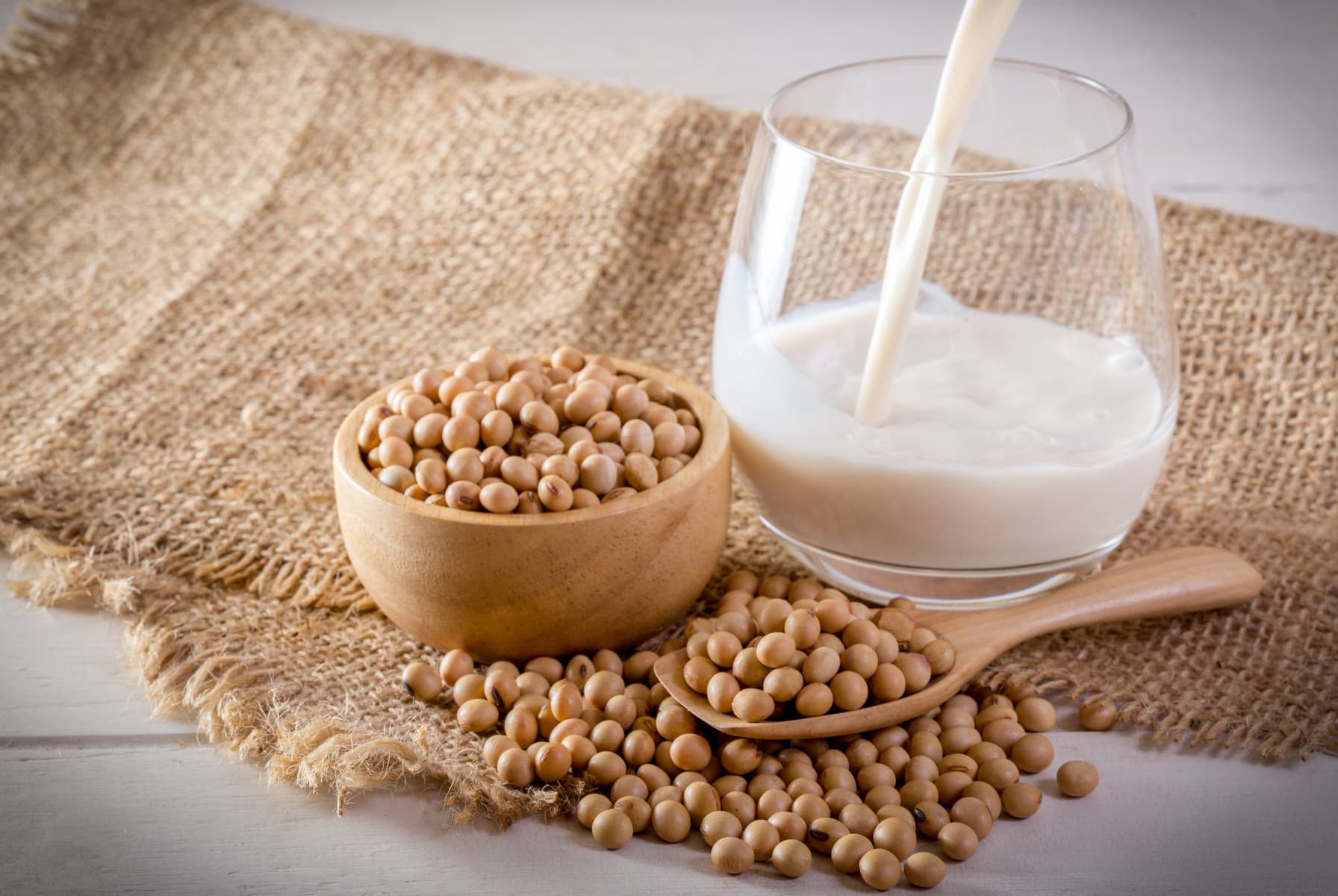
Soy milk is one of the most popular plant-based milk alternatives in the United States, and it’s easy to end up with more than you can use before the carton expires. Whether you stocked up on a sale or opened a half-gallon for a single recipe, the question comes up fast: can you freeze soy milk to save it?
The short answer is yes — but there are important trade-offs to understand before you toss that carton in the freezer. Once frozen and thawed, the ingredients in soy milk tend to separate and the texture changes, though freezing does not affect its safety or nutritional value. Knowing what to expect — and how to freeze it correctly — makes all the difference in how useful it will be later.
Can You Freeze Soy Milk?
Yes, you can freeze soy milk, and it’s a practical way to reduce food waste. However, the freezing process changes its texture significantly — it breaks down the milk’s emulsion, causing it to separate and become gritty or lumpy once thawed. While it’s no longer ideal for drinking straight or pouring over cereal, previously frozen soy milk is perfectly safe and works well in smoothies, soups, sauces, and baked goods.
The main issue with freezing soy milk isn’t about safety but about physics. Soy milk is an emulsion — tiny particles of soy protein and fat suspended evenly in water — which is what gives fresh soy milk its smooth, creamy consistency. When you freeze it, the water turns into sharp ice crystals that disrupt the delicate suspension, forcing the soy particles and water to separate. Upon thawing, the components don’t fully recombine on their own.
It’s worth knowing that soy milk sellers generally don’t recommend freezing their product. Alpro, for example, states that while their products can be stored in the freezer when used in a recipe, they do not recommend freezing them on their own. Similarly, Silk’s FAQ states: “We do not recommend it. Although freezing does not affect their safety or nutritional value, Silk products change in texture when thawed.” That said, freezing is always a better option than throwing soy milk away.
Pro Tip: If you regularly buy soy milk for cooking rather than drinking, freezing is a smart strategy. The texture change matters far less in blended or cooked recipes than it does in a glass.
Does Freezing Change the Texture or Taste of Soy Milk?
As the temperature drops, the water content in soy milk begins to freeze, forming ice crystals. The rate and size of these crystals depend on the temperature and the composition of the soy milk. Large ice crystals can disrupt the liquid’s overall structure, leading to changes in texture upon thawing.
Soy proteins may denature and coagulate when subjected to extreme cold, leading to clumping. If soy milk contains emulsifiers, they may not work as effectively once frozen, causing the oil and water to separate upon thawing. This separation results in a grainy or lumpy texture.
On the taste side, the news is somewhat better. Freezing soy milk typically does not significantly alter its taste, as the freezing process primarily impacts its texture. Most people find that the flavors remain largely intact, though some might notice a slight change in taste perception due to the texture alterations. The bean-like or nutty flavor of soy milk may become slightly more pronounced post-thaw, changing how it complements other ingredients in a recipe.
Each brand and manufacturer will have a different recipe, so freezing soy milk can have mixed results depending on the product. A heavily fortified brand with added stabilizers may hold up better than a minimalist, organic variety. Your best bet is to freeze a small test portion of a new brand before committing an entire carton.
How to Freeze Soy Milk the Right Way
Getting the process right from the start protects both the quality of the milk and your freezer. Follow these steps for the best results:
- Check freshness first. Make sure the soy milk hasn’t been open for more than a couple of days and hasn’t gone past its use-by date. It’s best to freeze soy milk as soon as you’ve opened the carton to give yourself the maximum amount of time to consume it after thawing.
- Shake or stir before freezing. Stir or shake the soy milk vigorously before freezing to help minimize separation during the process.
- Choose the right container. Use an airtight container so your soy milk won’t absorb any odors from the freezer. Never freeze it in something rigid like a glass jar, as expansion can cause the jar to crack.
- Leave room for expansion. Soy milk is mainly water, so it will expand quite a lot when it freezes — leave a few centimeters to an inch at the top of your containers so it has room to grow.
- Freeze in portions. If you know how much you’ll need in a recipe, freeze just that amount individually. A full liter of soy milk will take much longer to defrost than 100 ml.
- Label the container. Label the container with the date so you can track how long it has been frozen.
Pro Tip: Soy milk can be sticky when frozen in ice cube trays, making the cubes hard to remove. Use a silicone ice cube tray to make this process much easier.
You have two main container options, each with its own advantages:
| Method | Best For | Key Advantage | Watch Out For |
|---|---|---|---|
| Airtight freezer-safe container | Pre-measured recipe portions | Ready to use without measuring after thawing | Larger volumes take longer to thaw |
| Ice cube tray → freezer bag | Smoothies, small recipe additions | Grab only what you need; can add frozen directly to blender | Cubes can be sticky; use silicone trays |
How Long Can You Freeze Soy Milk?
You can freeze soy milk for up to three months. It won’t be harmful if consumed after this, but for optimal quality, it’s best to use it within this timeframe. Storage longer than three months will result in an unpleasant taste and texture.
For context on shelf life before freezing: unopened shelf-stable soy milk stored in the pantry should be fine for about a year. Once the package is opened, the drink should be fine for about two weeks when stored in the refrigerator. Freezing extends that window considerably, but quality is best when you use it sooner rather than later.
| Storage Method | Estimated Shelf Life |
|---|---|
| Pantry (unopened, shelf-stable) | Up to 1 year |
| Refrigerator (opened) | Up to 2 weeks |
| Freezer | Up to 3 months (best quality) |
How to Thaw Frozen Soy Milk
Thawing soy milk correctly is just as important as freezing it properly. The method you choose affects both safety and the final texture of the milk.
The best method: refrigerator overnight. The recommended method for defrosting soy milk is to let it thaw overnight in the refrigerator. This ensures the soy milk defrosts slowly and safely. Avoid melting it at room temperature, as this can promote bacterial growth.
In a hurry: cold water or lukewarm water bath. If you are pressed for time, you can speed up the thawing process by placing the frozen container in lukewarm water. According to Healthline , you can also place frozen milk in cold water, though this method poses a slightly higher risk of bacterial growth.
For cooking: skip thawing entirely. If you’re going to heat the soy milk anyway, such as in baking, you don’t need to thaw it first. You can warm it directly in the microwave or on the stove for your recipe.
After thawing, blend it. The most effective way to restore a creamy consistency is to use a blender. Pour the thawed soy milk into a blender or use an immersion blender and blend for 30 to 60 seconds. This mechanical action forces the soy particles and water back into an emulsion, making the milk much smoother and more palatable.
Important Note: Never thaw soy milk in warm or hot water, and never leave it sitting on the counter. Milk should be defrosted in the fridge as opposed to at room temperature to decrease the risk of bacterial growth, because the longer milk sits at room temperature, the more likely it is that harmful bacteria will proliferate.
Can You Refreeze Soy Milk After Thawing?
Use thawed soy milk immediately and never refreeze it. Once you thaw your frozen soy milk, use it within two days and never re-freeze thawed soy milk. Refreezing causes a second round of ice crystal formation, which breaks down the emulsion even further and produces a noticeably worse texture and flavor.
This is exactly why freezing in small, single-use portions is so practical. To avoid waste, freeze in small batches so that you thaw only as much as is required. If you froze your soy milk in an ice cube tray, you can pull out exactly the number of cubes a recipe calls for without touching the rest.
How to Use Frozen Soy Milk (Best Uses After Freezing)
Once thawed, soy milk is best suited for recipes where it gets blended, cooked, or baked — not poured straight into a glass. Here are the best ways to put it to use in your kitchen:
- Smoothies: Soy milk ice cubes work especially well in smoothies, particularly when using fresh fruit — they add texture, cool the smoothie down, and make it refreshing. You can add the cubes directly to the blender without thawing.
- Baked goods: Soy milk makes a great substitute for dairy in recipes such as soups or baked goods, and thawed soy milk can be used quite successfully in these applications.
- Soups and sauces: For best results, use thawed soy milk in blended drinks, soups, or sauces where consistency is less of an issue.
- Oatmeal and hot cereals: Stirring thawed soy milk into cooked oatmeal works well since heat and mixing help re-emulsify the milk.
- Vegan ice cream (with a machine): If you have an ice cream machine, you can use thawed soy milk in an ice cream recipe to make a dairy-free frozen dessert.
- Coffee and tea drinks: Thawed soy milk works fine in hot beverages since the heat and stirring help smooth out the texture.
If you’re interested in more ways to incorporate plant-based foods into your diet, check out this guide to whole plant-based foods for ideas on building balanced, nutritious meals. You might also find this article on superfoods for a healthy heart useful, since soy is frequently cited for its cardiovascular benefits.
Pro Tip: For dishes that require a creamy consistency, such as smoothies or puddings, consider adding other ingredients like bananas or nut butters to enhance the overall texture and flavor of thawed soy milk.
Signs That Frozen Soy Milk Has Gone Bad
Freezing pauses spoilage but doesn’t eliminate it entirely. Once thawed, soy milk can go bad — and it’s important to know the difference between normal post-freeze separation and actual spoilage.
Normal after freezing (not a sign of spoilage):
- Visible separation of liquid and solids
- Grainy or lumpy appearance before shaking
- Slightly thinner consistency after blending
Signs the soy milk has actually gone bad:
- Sour or off smell: Smell the thawed soy milk — any off or sour smell may indicate that it has spoiled.
- Unusual color: Fresh soy milk is creamy white or pale beige. A yellow, brown, or pink tint is a red flag.
- Curdling that won’t blend out: If the soy milk wasn’t homogenized properly or if additives didn’t stabilize it effectively, thawed soy milk could curdle, making it unsuitable for beverages or recipes.
- Absorbed freezer odors: If you do not store your soy milk properly during the freezing process, other food odors from your freezer can be absorbed into the frozen soy milk and change its taste. If it smells like last month’s leftovers, discard it.
- Past the 3-month mark with texture degradation: Even if it smells fine, soy milk stored beyond three months may have an unpleasant taste and grainy texture that won’t improve with blending.
When in doubt, throw it out. Soy milk is an affordable staple at most US grocery stores, and the risk of consuming spoiled milk is never worth it. For more on how food choices affect your health, see this overview of foods to avoid for better health and this article on foods that support liver function.
Frequently Asked Questions
Can you freeze soy milk in its original carton?
You can, but it comes with risks. When you freeze soy milk, the water content freezes and expands, and this expansion may cause the container to burst if it’s filled to the brim. If you freeze it in the original carton, open it first and pour out a small amount to leave room for expansion. A dedicated freezer-safe container is the safer choice.
Can you freeze homemade soy milk?
Homemade soy milk can be frozen using the same method as store-bought soy milk. However, it will also slightly change in taste and texture once frozen due to the same process of separation. Since homemade soy milk contains no preservatives, it can go bad at a much quicker rate, and freezing will help safely preserve it for later use. It must not be stored at room temperature and should be shifted to the refrigerator immediately to be consumed within a few days if not frozen.
Does freezing soy milk destroy its nutrients?
Freezing soy milk does not significantly impact its nutritional value, as the vitamins and minerals remain intact throughout the freezing process. Frozen milk retains its nutritional profile when it thaws, and the sooner you freeze it, the better the quality after thawing. The enzymes and fat-soluble vitamins it contains may decrease very slightly but largely remain the same. For a deeper look at how plant-based foods contribute to your diet, visit this guide on powerful nutrients found in plant foods.
Is thawed soy milk safe to drink straight?
Yes, you can drink soy milk after it has been frozen and thawed, as it remains safe to consume. When thawed, however, it results in a gritty, lumpy, or curdled texture that most people find unpleasant for drinking straight. If you want to drink it, blend it thoroughly first. Most people find it more enjoyable used in recipes.
How does frozen soy milk compare to other plant-based milks after freezing?
Most plant-based milks, including soy, almond, and oat, undergo significant textural changes because their emulsions are more fragile than dairy milk. While all are safe to consume after freezing, your intended use should guide your decision — for cooking, any of them will work well once re-blended. According to Medical News Today
, almond milk also separates after thawing and may stay separated even after blending, making it better suited to smoothies than drinking neat. Soy milk generally holds up better than almond milk after freezing.
Can you add frozen soy milk cubes directly to recipes?
You can skip defrosting altogether and use the frozen cubes in smoothies or milkshakes. Or if you need to heat the milk, you can go straight from the freezer to a saucepan or microwave. This is one of the most convenient ways to use frozen soy milk — no planning required. For more food storage tips and foods that benefit your overall wellness, explore more guides on Homequirer.