Latest in this archive
9 Traditional Taiwanese Clothing Styles That Reveal the Island’s Heritage
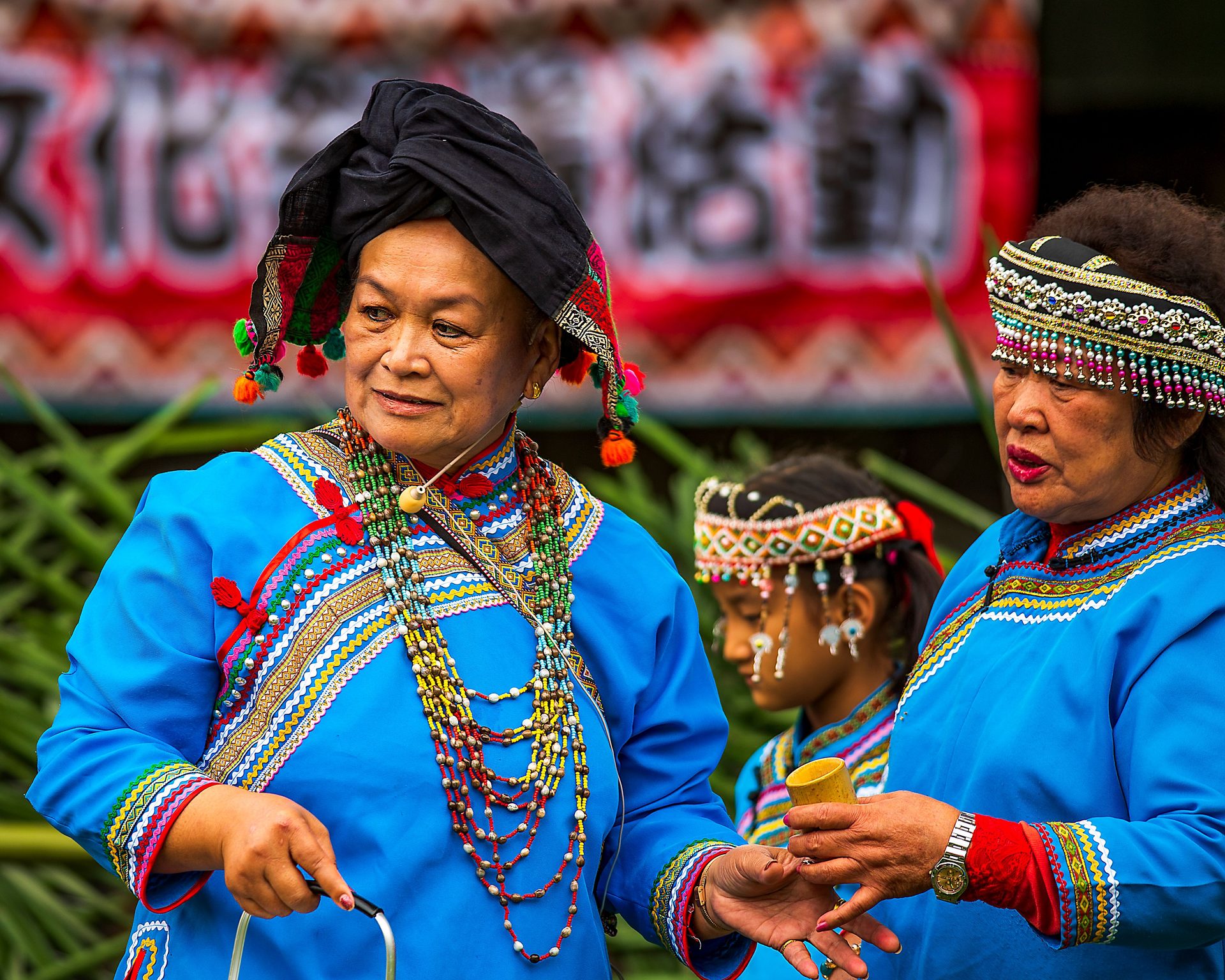
Taiwan has no single national costume, and that gap tells its own story.
Pages
About the publication
Search the archive
Category archive
Genuine style is rooted in grasping the essentials of beauty and fashion, along with the practical know-how. You’ll discover the art of creating the perfect French braid, selecting the ideal concealer, determining your ring size, among other style skills. Style is an integration of fashion, beauty, jewelry, and haircare, and with our comprehensive guides, tips, and advice, you’re equipped to enhance your external allure.
259 stories
Taiwan has no single national costume, and that gap tells its own story.
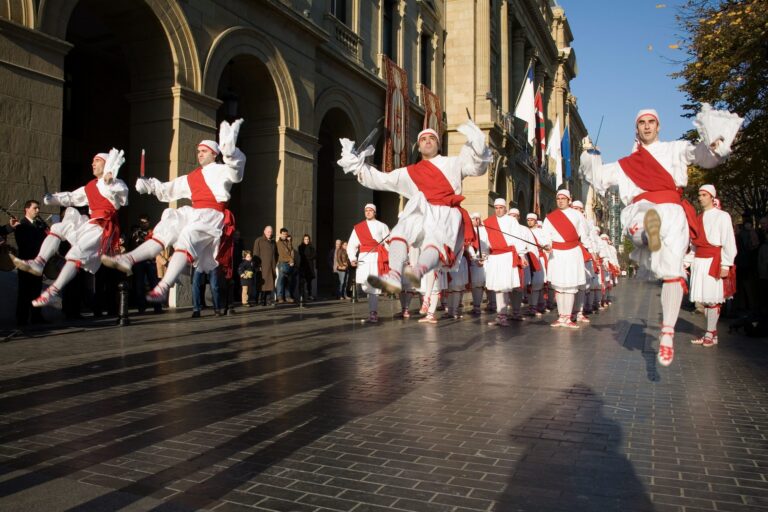
Ask someone from Bilbao and someone from the Roncal Valley to describe traditional Basque clothing, and you will likely get two different answers.
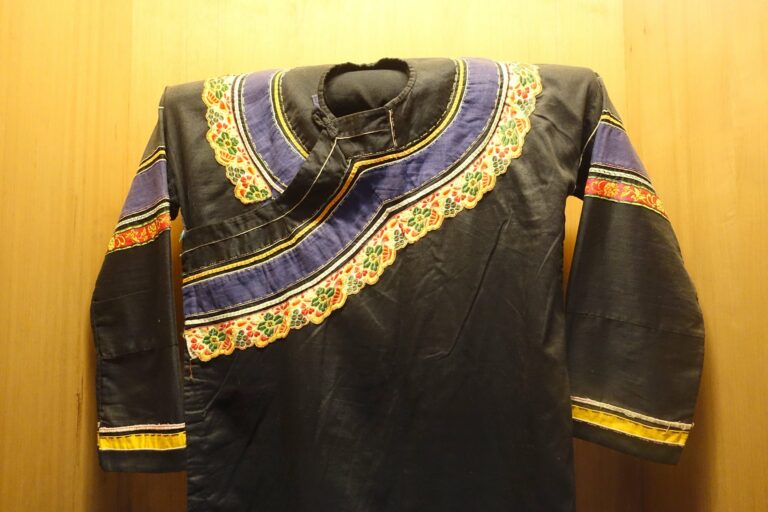
Traditional Lao clothing for men looks almost nothing like the jeans and collared shirts most Laotians wear to the office each morning.
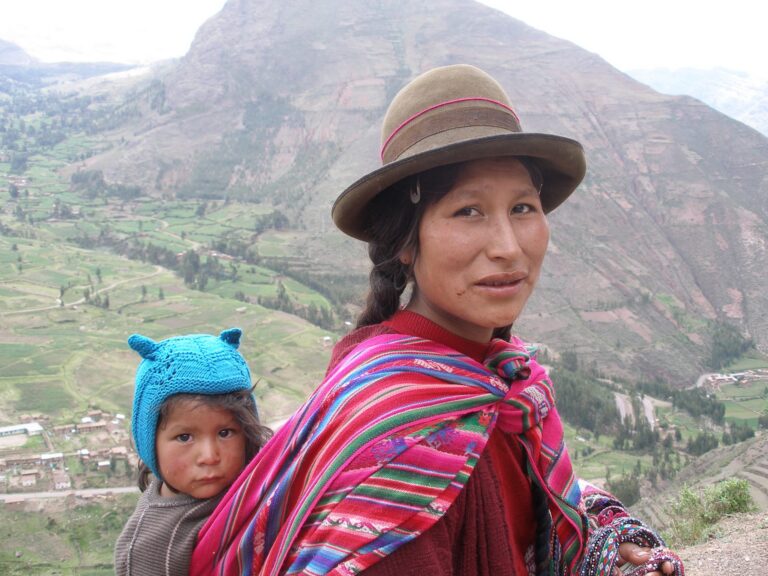
High in the Peruvian and Bolivian Andes, a woman’s shawl can reveal her home village before she ever says a word.
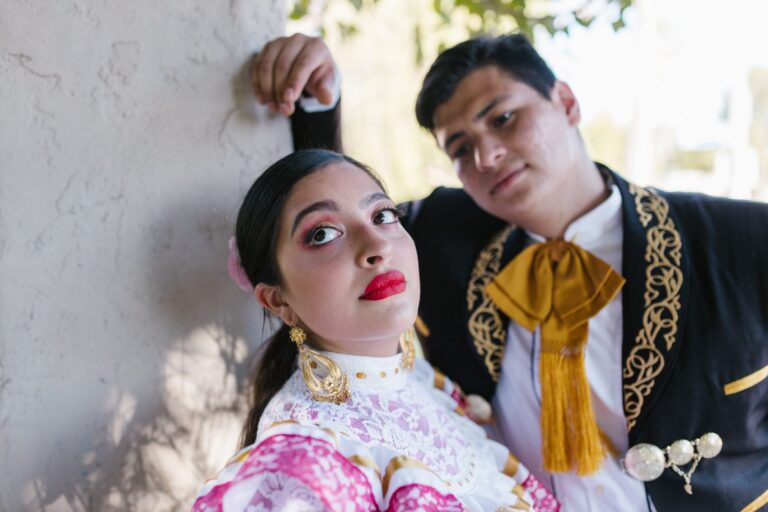
Traditional Hispanic clothing spans an enormous geographic and cultural range, from the cotton tunics woven on Maya backstrap looms to the silver-buttoned suits of Mexican charros and the lace veils still worn at Spanish festivals.
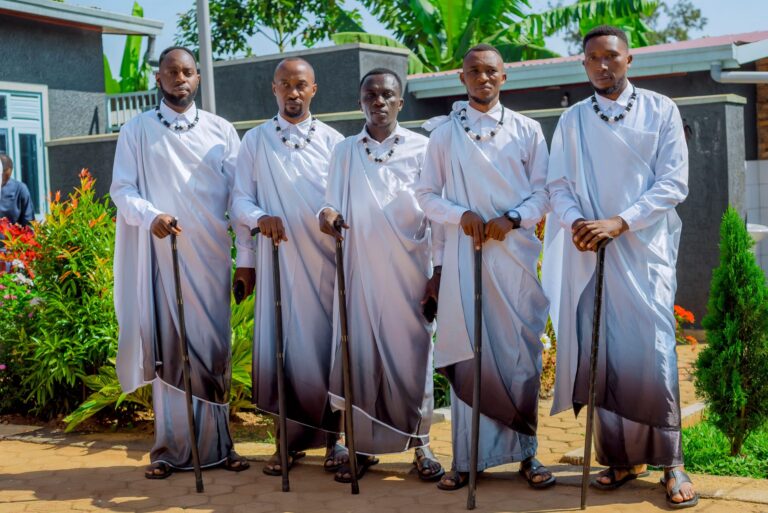
Long before cotton and silk entered Rwanda through trade and colonial contact, Rwandan people wore clothing made of vegetable fibers or animal skins, and these clothes not only decorated the body but also carried symbolic functions tied to Rwandan culture.
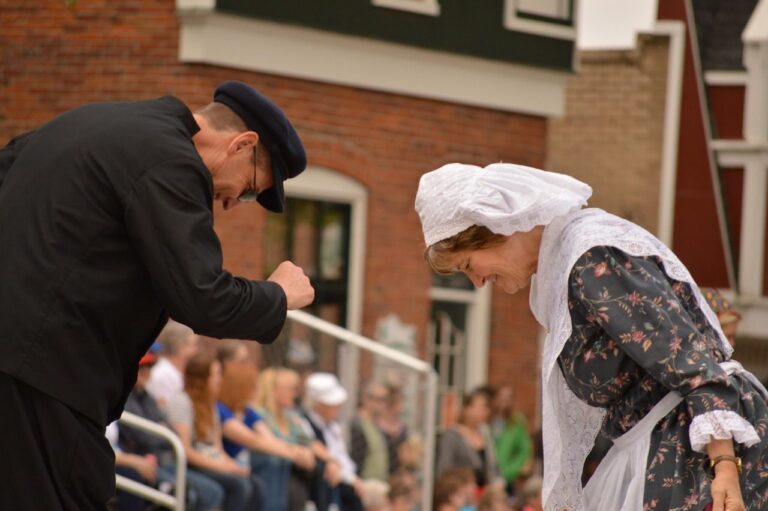
Ask a dozen people what traditional Dutch clothing for women looks like, and most will picture a single image: a lace cap, a striped skirt, a pair of wooden shoes.
Traditional Muslim clothing for men is not one outfit but dozens, shaped by desert heat, monsoon humidity, Ottoman court fashion, and West African trade routes alike.

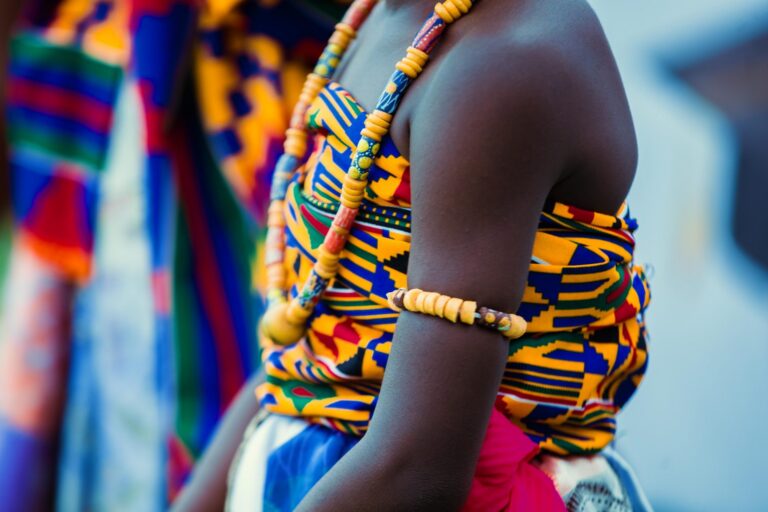
Traditional Ghanaian clothing tells a story before a single word is spoken.
Long before Angkor Wat rose from the Cambodian jungle, Khmer weavers were already wrapping cloth around the body in ways that still shape Cambodian dress.