Why Is My Aloe Vera Drooping? Causes, Diagnosis, and Fixes

September 29, 2026
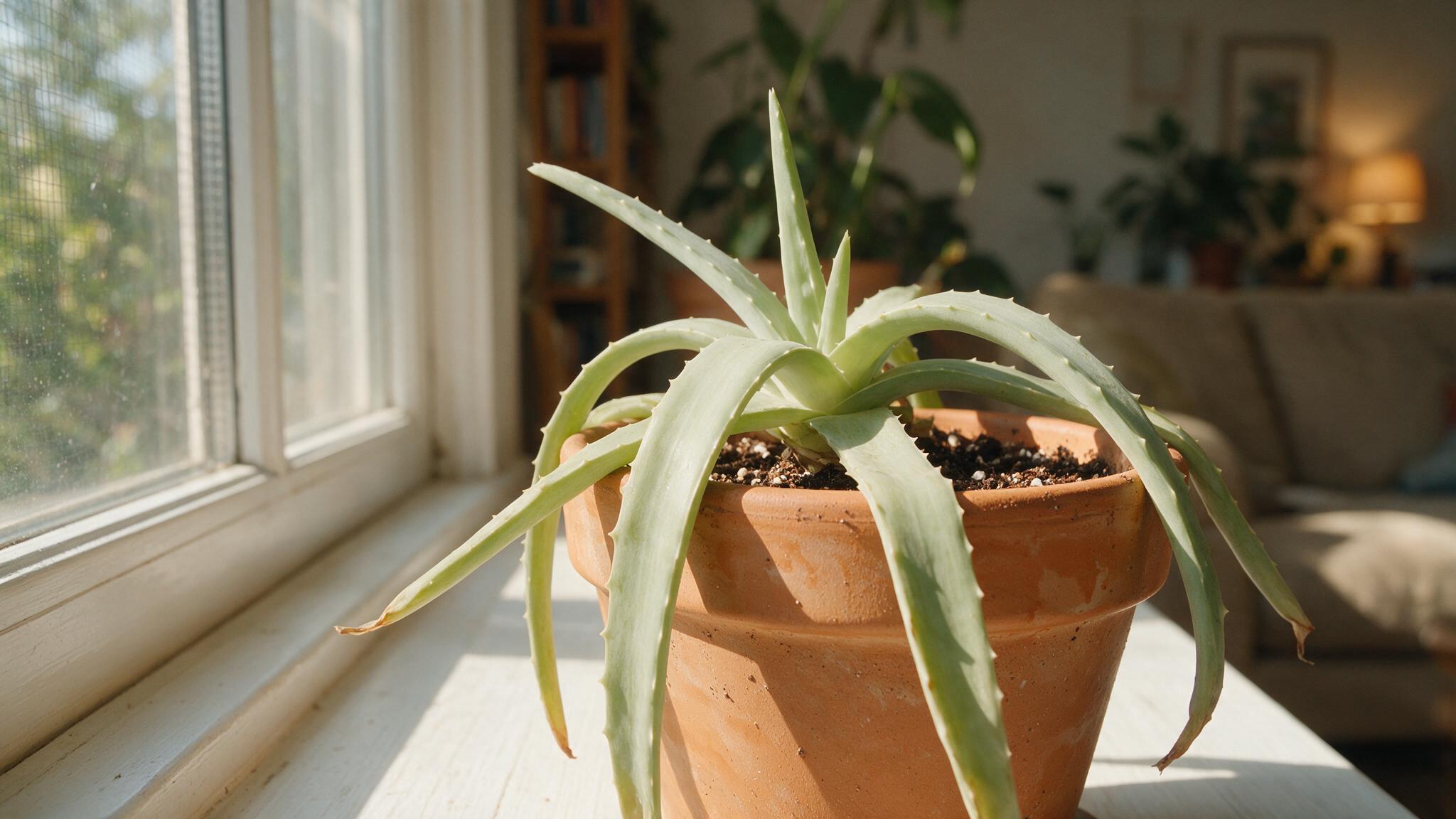
Aloe vera has a reputation as one of the easiest houseplants to keep alive, so when those thick, spear-shaped leaves start to sag, flop, or lean over the edge of the pot, it can feel both puzzling and a little alarming. A healthy aloe vera holds its leaves up and outward in a tidy, sturdy rosette. When those leaves start to sag, flatten, lean, or flop over the side of the pot, the plant is telling you that something has gone wrong with its water, light, roots, or temperature.
The good news is that drooping is one of the most fixable problems in the plant world. Aloe is a forgiving, low-maintenance plant, so there is likely an easy fix. The trickier part is pinpointing the exact cause, because the wrong remedy can make things worse — more water is the last thing a rotting aloe needs. This guide walks you through every common reason your aloe vera is drooping, how to tell them apart, and what to do about each one.
What Does It Mean When Your Aloe Vera Is Drooping?
If your aloe vera plant is drooping, the most common causes are overwatering, poor drainage, insufficient light, or root rot. These issues weaken the plant’s structure and reduce turgor pressure in its leaves, leading to sagging or folding. Turgor pressure is simply the internal water pressure that keeps succulent leaves firm and upright — when it drops, leaves lose their rigidity and droop.
When aloe vera leaves start drooping, going floppy, or detaching from the base, it looks alarming — but the plant is signaling something specific. Aloe dropping leaves is almost always a stress response to a growing condition that has been pushed past its tolerance threshold, not random decline. Once you know what to look for, you can usually identify the cause from the leaf symptoms alone.
It helps to understand what a healthy aloe looks like. A healthy aloe plant’s leaves are plump, bright green, and somewhat erect. Any significant deviation from that — softness, wrinkling, leaning, or full-on flopping — signals that something in its environment needs to change. For a closer look at the full range of aloe varieties and their natural growth habits, check out this guide to different types of aloe vera plants.
Is Drooping in Aloe Vera Always a Sign of a Problem?
Not always — but it usually is. The commonly grown varieties found as houseplants have thick, ridged, spear-shaped, erect foliage. But a few varieties have curved leaves. Aloe acutissima and Aloe barberae are two types of aloe that naturally have curved, drooping leaves. However, if your plant is not a curved-leaf variety, then droopy aloe leaves are a cause for concern.
Baby aloe plants have tender, limp foliage compared to mature plants. Once the plant is producing adult leaves, they will be more rigid and upright. So if you have a very young pup, a little floppiness early on is normal and will correct itself as the plant matures.
Old aloe plant leaves can curl with age. This is especially true in certain species. A single aging outer leaf bending downward is not the same as the whole rosette collapsing. If only your outermost, oldest leaves are curling slightly while the center of the plant stays firm and upright, age is the likely explanation. If multiple leaves across the plant are drooping, dig deeper into the causes below.
Pro Tip: Before troubleshooting, squeeze a drooping leaf gently. If it feels soft and mushy, suspect overwatering or root rot. If it feels firm but thin or wrinkled, suspect underwatering or light stress. That single squeeze narrows your diagnosis significantly.
Watering Issues Causing Aloe Vera Drooping
Water is the number-one factor behind a drooping aloe vera, and the problem runs in both directions — too much and too little can both cause the same floppy appearance, though the leaves look and feel different in each case.
Overwatering
Overwatering is probably the biggest cause of drooping in aloe vera plants. Aloe vera evolved on sandy, fast-draining soils that dry out quickly between rains. When roots sit in consistently damp compost, they cannot take up oxygen, cells break down, and rot sets in. By the time leaves start dropping, the root system is often already severely damaged.
Overwatered aloe leaves go soft and mushy, turning slightly translucent or brownish at the base. Not dry and crispy, but wet and collapsed. In later stages you’ll smell the compost before you see the rot. If you notice any of these signs, stop watering immediately and inspect the roots.
Water every 2–3 weeks in spring and summer, and reduce to once every 4–6 weeks in fall and winter. Always let the top 1–2 inches of soil dry completely between waterings. Water half as much in winter when the plant is dormant.
Underwatering
Underwatering is less common but still possible. A severely under-watered aloe drains its leaf reservoirs trying to survive. The leaves go thin, develop wrinkles, curl inward at the edges, and lose the internal water pressure that keeps them rigid — so they bend and droop. Crucially, they stay leathery, not mushy.
Without enough water, the gel is not present and the leaves will not have their natural rigid stance. While aloe can withstand periods of drought, complete neglect for a month or more could see this situation arise. The fix is straightforward: give the plant a thorough soak — water until it runs freely from the drainage hole. Most under-watered aloes plump back up over a few days as the leaves refill. If the soil has gone so dry it repels water, bottom-water instead: set the pot in a tray of water for 15–20 minutes so the mix rehydrates evenly.
Pro Tip: Pick up the pot before and after watering to feel the weight difference. A pot that feels surprisingly light is usually bone-dry. Building this habit makes it easy to catch underwatering before the leaves start to droop.
Light Conditions Behind Aloe Vera Drooping
Aloe vera thrives in bright, indirect sunlight — ideally 6–8 hours per day. In low-light conditions, the plant undergoes etiolation: it stretches toward the light source, producing thin, weak stems and droopy leaves. This stretching, called etiolation, is the plant’s attempt to find more energy, and it results in structurally weak growth that cannot support its own weight.
Inadequate light can cause aloe vera to reach for the sun, resulting in weak, droopy leaves. Conversely, too much direct sunlight can scorch them, leading to a similar wilted appearance. So light stress works in both directions, much like watering.
For indoor placement, place your plant on a window sill or in a location that receives direct and indirect sunlight. A south or west-facing window would be best for your plant. If there is not enough light indoors, try using a plant light to supplement the plant’s needs. For rooms with limited natural light, you might also find helpful ideas in this roundup of the best houseplants for low-light areas — though aloe vera genuinely needs more light than most low-light-tolerant species.
If your aloe has been in low light for a while and you are moving it to a brighter spot, do so gradually over one to two weeks. A sudden shift from dim to intense light can cause sunburn, which looks like bleached or brown patches on the leaf surface.
Soil, Nutrients, and Root Health Causing Aloe Vera Drooping
Wrong Soil Mix
Standard potting soil retains too much moisture. Use a well-draining cactus or succulent mix. You can improve drainage further by mixing in perlite or coarse sand at a ratio of about 50% cactus mix to 50% amendment. Select a terracotta or ceramic pot with at least one drainage hole. Terracotta wicks away moisture, reducing overwatering risk. Avoid decorative outer pots that trap water.
Root Rot
When you observe an aloe plant drooping, it could be due to a serious root infection. This is a leading cause of an aloe plant dying. Root rot is caused by fungal pathogens that thrive in waterlogged soil. The rot may not be visible to the naked eye, as it is taking place underground or deep in plant tissues. Bacterial diseases can come in on the soil, be introduced by insect vectors, or from contaminated tools. Bacterial soft rot is more prevalent in moist, humid conditions.
To check for root rot, unpot the plant and examine the roots. Healthy roots are white or tan and firm. Rotted roots are brown or black, soft, and may smell foul. Remove the plant from wet soil, trim damaged roots, repot in dry, well-draining mix, and wait at least a week before watering. Most aloe veras show improvement within 14 days with proper care.
Overcrowded Roots and Pot Size
If the pot is overcrowded, it is time to repot aloe plants. Crowded roots have difficulty taking up nutrients and can cause the foliage to suffer. At the same time, if the pot is too shallow, the aloe vera plant may not be able to develop a strong root system, leading to droopy leaves. Consider repotting the plant into a deeper pot.
Fertilizer and Nutrients
Fertilizing aloe vera is recommended once per month from spring through summer. This should be applied conservatively as overfeeding will produce spindly growth. In winter, plants are not actively growing, so you should not fertilize at this time, otherwise excess growth might occur that is leggy and limp.
When you do fertilize, use a diluted, balanced succulent fertilizer at half strength. Overfertilizing pushes the plant to produce fast, weak growth that droops under its own weight. If you have been feeding your aloe heavily, flush the soil with plain water two or three times to leach out excess salts before resuming a lighter schedule. You can learn more about how to care for an aloe vera plant to build a sustainable routine from the ground up.
Environmental Stress Triggering Aloe Vera Drooping
Temperature Extremes
Aloe vera is a warm-weather plant that does not tolerate cold well. If temperatures dip below 50°F (10°C), aloe plants may start showing signs of cold damage. Once the temperature drops below 40°F (4°C), the plant is at serious risk of dying. Cold-damaged leaves often look water-soaked and will droop before turning mushy.
To protect your aloe, especially if it is already drooping, place it in a location free of drafts from windows and doors, particularly during winter months. Avoid positioning it too close to a window where, during cold nights, the plant tissue nearest the glass can be exposed to the chill of the windowpane. This exposure can lead to cold damage. In most of the continental United States, aloe grown outdoors should be brought inside well before the first frost.
Excessive Heat and Sun Exposure
When the plant loses water faster than it can absorb it, the leaves may wilt, and excessive water loss can cause the entire aloe to droop. To prevent aloe vera drooping, keep your plant under indirect lighting conditions and out of full sun. This helps maintain an optimal growth temperature and prevents overheating or excessive water loss.
Transplant Shock and Pups
Repotting can cause temporary drooping as the plant adjusts to its new environment. This is normal and usually resolves within one to two weeks as long as you do not overwater during the recovery period. Despite their miniature size, the weight of new pups can cause aloe plants to droop. This is a common cause of aloe vera drooping or an aloe plant falling over. Separating pups from the mother plant and repotting them individually solves the problem for both plants.
Humidity
Aloe vera prefers dry air. Aloe vera plants are not fans of high humidity. They prefer their air on the drier side. If you are living in a moisture-rich environment, consider a dehumidifier to keep the air around your aloe as dry as its soil should be. High indoor humidity — common in bathrooms or during humid US summers in states like Florida, Louisiana, or Georgia — can slow soil drying and increase the risk of fungal issues that contribute to drooping.
Pests and Disease Leading to Aloe Vera Drooping
Aloe vera is generally a hardy, pest-resistant plant. However, sap-sucking insects like scale, aphids, and mealybugs can occasionally infest your aloe, causing significant damage. These pests feed by either sucking directly or piercing the plant’s surface first and then drawing out the nutrient-rich sap. This feeding damages the plant’s cells, leaving them unable to retain the vital nutrients and water that aloe needs to thrive. If the infestation is severe, the aloe may droop or even fall over.
Insecticidal soap, horticultural oil, and neem oil are effective options for controlling soft-bodied pests like scale, aphids, and mealybugs. These treatments are low in toxicity for humans and pets, making them safe choices for home use. Apply the treatment to all leaf surfaces, including the undersides and the base of the plant where pests often hide.
On the disease side, fungal and bacterial infections are the most serious threats. If you overdo watering, root rot can occur and the plant may become infected with a fungal disease. Once the plant is infected with bacterial soft rot, there is no treatment and it will have to be destroyed. This makes early detection and prevention — primarily through correct watering — the only reliable strategy against bacterial disease. If you have cats that like to dig in or chew on your houseplants, keeping them away from your aloe also reduces the risk of introducing soil-borne pathogens; see these tips on how to keep cats out of houseplants.
Important Note: Mealybugs often look like small tufts of white cotton nestled at the base of leaves or in leaf axils. Check these spots first if your aloe is drooping and you cannot identify a watering or light cause.
How to Diagnose Why Your Aloe Vera Is Drooping
The tricky part is that drooping looks the same from across the room no matter the cause — and the fixes are often opposite. Watering a drooping aloe that is actually rotting will finish it off; withholding water from one that is genuinely thirsty will not help either. A systematic check takes about five minutes and will point you to the right answer.
Work through these steps in order:
- Check the leaves. Soft and mushy? Suspect overwatering or root rot. Thin, wrinkled, and leathery? Suspect underwatering. Pale, elongated, or leaning toward a window? Suspect insufficient light.
- Check the soil. Stick your finger 1–2 inches into the soil. If it feels damp, you have likely been overwatering. If it is bone-dry and the pot feels very light, the plant is thirsty.
- Check the roots. Unpot the plant if soil moisture and leaf texture point to overwatering. White or tan firm roots are healthy. Brown, black, or mushy roots indicate rot.
- Check the location. Count the hours of light the plant receives. Less than six hours of bright light daily is a likely contributor to drooping. Note any nearby heating vents, air conditioning units, or drafty windows.
- Check for pests. Inspect the base of each leaf and the undersides for tiny insects, sticky residue (honeydew), or white cottony clusters.
Using a plant identification app can also help you confirm your aloe variety and rule out natural leaf curvature as a factor. There are some excellent iPhone apps for identifying plants that can assist with this step.
| Symptom | Most Likely Cause | First Action |
|---|---|---|
| Soft, mushy, translucent leaves | Overwatering / root rot | Stop watering; inspect roots |
| Thin, wrinkled, leathery leaves | Underwatering | Soak thoroughly; bottom-water if needed |
| Leaning toward window; pale color | Insufficient light | Move to south or west-facing window |
| Drooping after repotting | Transplant shock | Wait 1–2 weeks; do not overwater |
| Water-soaked, discolored base | Cold damage | Move away from drafts; above 50°F |
| White cottony clusters on leaves | Mealybugs | Apply neem oil or insecticidal soap |
How to Fix a Drooping Aloe Vera
The best way to reverse drooping on an aloe vera plant is to first diagnose the issue and then treat the plant for that issue. Once you have identified the cause using the steps above, here is how to act on each one.
For overwatering and root rot: Pull the plant out of the container and inspect the roots. If they are smelly or discolored, prune off the diseased portion. Repot the aloe in well-draining soil and only water when the soil is almost completely dry. Let the trimmed roots air-dry for a few hours before placing them in fresh, dry cactus mix. Wait at least a week before watering again.
For underwatering: Give the plant a thorough soak — water until it runs freely from the drainage hole. Most under-watered aloes plump back up over a few days as the leaves refill. Then adjust your schedule to water every 2–3 weeks during the growing season rather than letting the plant go bone-dry for extended periods.
For light problems: Move the plant gradually to a brighter spot. A south or west-facing window in most US homes provides the best balance of intensity and duration. Correcting watering habits, improving soil drainage, and ensuring bright indirect sunlight typically reverse drooping within 1–2 weeks.
For pests: In cases of extensive damage, affected leaves cannot be salvaged. Carefully prune off these leaves and treat the remaining plant with a pesticide suited to your specific pest problem. Neem oil works well for most soft-bodied insects and is safe to use indoors.
For cold or heat stress: Relocate the plant to a spot with stable temperatures between 55°F and 80°F. Keep it away from heating vents, air conditioners, and cold windowpanes during winter. Aloe vera is one of the most useful plants to own, so protecting it from temperature extremes is well worth the effort.
For overcrowded pots or pups: Repot into a container one size larger with fresh cactus mix. Remove the pup and pot it up separately from the mother plant. To remove the pup, try to cut it at the base of its stem where it is attached to the mother plant. Let the pup’s stem end dry out for a few days to a week to allow a callus to form before potting it up.
How to Prevent Aloe Vera Drooping Going Forward
Prevention is far easier than recovery, especially when root rot is involved. Building a few consistent habits will keep your aloe vera upright and healthy long-term.
- Water by soil feel, not by schedule. Let the soil dry out completely between watering aloe vera plants. Check the soil with your finger and water every two weeks or as needed, depending on the environment and region.
- Use the right pot and soil from the start. Select a terracotta or ceramic pot with at least one drainage hole. Terracotta wicks away moisture, reducing overwatering risk. Pair it with a cactus or succulent mix rather than standard potting soil.
- Maintain consistent light. Keep your aloe in a south or west-facing window year-round. If you move it outdoors for summer, transition it gradually and bring it back inside before nighttime temperatures fall below 50°F.
- Fertilize lightly and only during the growing season. Fertilizing aloe vera is recommended once per month from spring through summer. This should be applied conservatively as overfeeding will produce spindly growth.
- Inspect regularly for pests. A quick monthly check of the leaf bases and undersides catches infestations before they become severe enough to cause drooping.
- Manage humidity. In humid US climates or during summer, make sure the soil has adequate airflow around the pot to dry between waterings. Avoid placing aloe in bathrooms or other high-humidity rooms.
- Repot proactively. Check the roots every one to two years. If roots are circling the bottom of the pot or pushing through drainage holes, move up one pot size with fresh mix.
If you want to get more out of your aloe beyond keeping it healthy, there are plenty of practical uses for the plant once it is thriving. You can explore aloe vera gel uses, learn how to make aloe vera juice, or read about the benefits of aloe vera water to make the most of a healthy, productive plant.
Pro Tip: If your aloe droops every winter despite correct watering, the culprit is almost always reduced light. US winters mean shorter days and lower sun angles — what worked in a south-facing window in July may not be enough in December. A simple grow light on a timer for 6–8 hours per day solves this without moving the plant.
FAQ
Why Is My Aloe Vera Drooping After Repotting?
Transplant shock is normal after repotting. The roots need time to establish in fresh soil, and the plant may look droopy or limp for one to two weeks. Keep it in bright indirect light, do not water for at least seven days after repotting, and resist the urge to fertilize. Most aloes bounce back on their own once the roots settle.
Can a Drooping Aloe Vera Be Saved?
Once you know what to look for, the cause is usually obvious from the leaf symptoms alone. Most of these problems are fully reversible if you catch them early. Even root rot can be treated successfully if healthy root tissue remains. The only situation where recovery is unlikely is advanced bacterial soft rot, which destroys tissue faster than the plant can recover.
How Long Does It Take for a Drooping Aloe to Recover?
Improper watering and inadequate light are the fastest triggers of drooping, with visible symptoms appearing within 10 days. Recovery time varies, but correcting soil moisture and light conditions yields results in under three weeks. Root rot recovery takes longer — typically three to four weeks — because the plant must grow new root tissue before it can firm up its leaves.
Should I Cut Off Drooping Aloe Vera Leaves?
A firm, droopy leaf usually recovers once you fix the cause. A mushy one will not — and should be removed. Use a clean, sharp knife or scissors to cut mushy leaves at the base. Leaving them on the plant wastes energy and can spread rot. Firm leaves that are simply drooping from light or water stress should be left in place to recover naturally.
Why Is My Aloe Vera Drooping and Turning Yellow?
Yellow and drooping together is a strong indicator of overwatering. Aloe vera plants are relatively drought-tolerant, so while occasionally underwatering them will not hurt, overwatering can cause many problems, including fungus, mold, and root rot. Stop watering, check the roots, and repot in dry cactus mix if the roots show any sign of rot. Yellowing from the center of the plant outward can also signal a nutrient deficiency, but overwatering is far more common.
Is Drooping Aloe Vera Related to the Pot It Is In?
Yes, pot choice matters more than most people realize. A pot without drainage holes will trap water and almost guarantee root rot over time. A pot that is too large holds excess moisture around the roots. A pot that is too small or too shallow restricts root development and can cause the whole plant to tip over. Select a terracotta or ceramic pot with at least one drainage hole. Terracotta wicks away moisture, reducing overwatering risk. If you are interested in exploring other types of plants with similar care needs, succulents and cacti share many of the same pot and soil requirements as aloe vera.