Why Are My Pepper Leaves Turning Yellow? Causes, Fixes, and Prevention

September 25, 2026
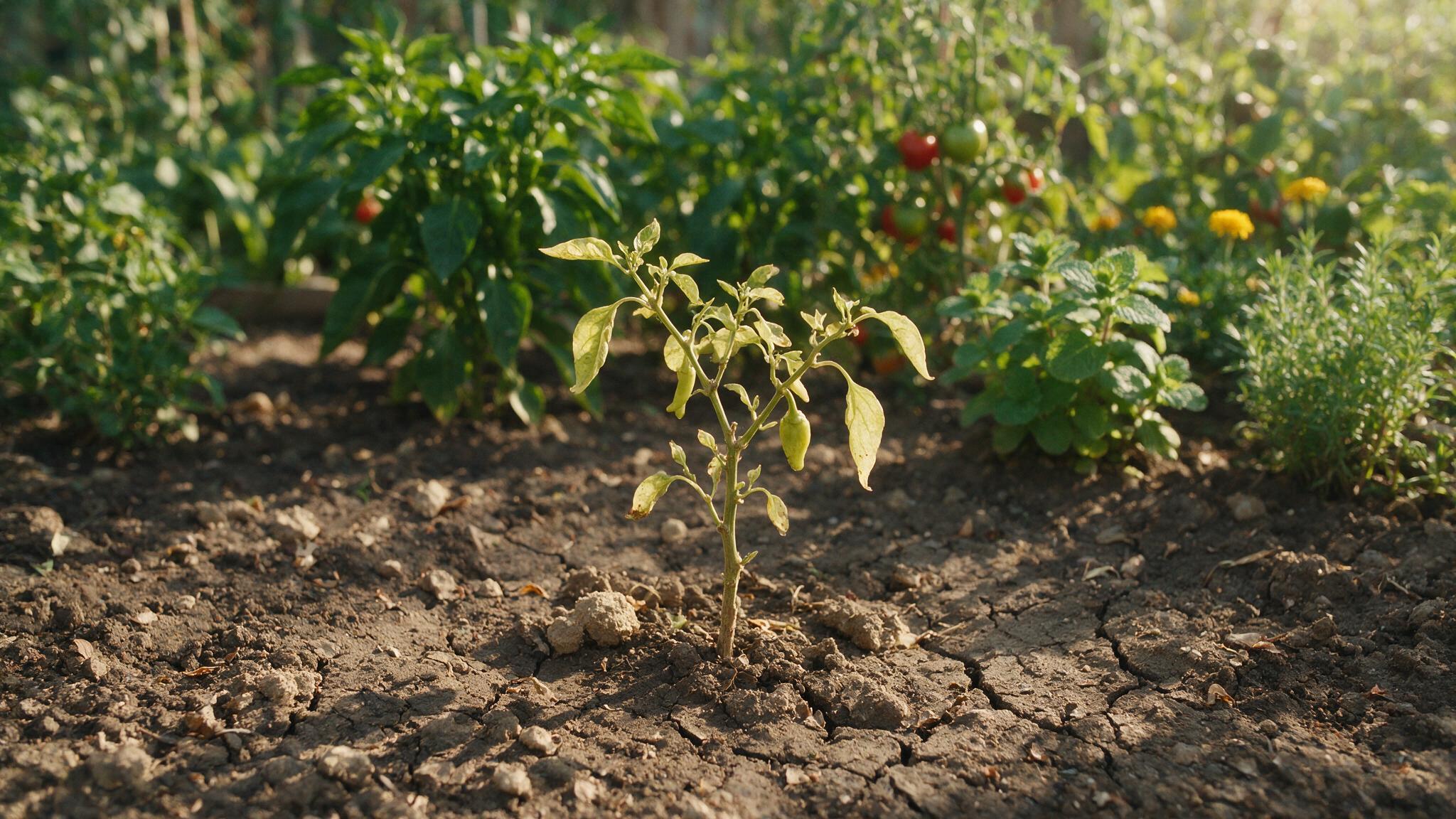
You walk out to your garden, coffee in hand, and something looks off. Your pepper plants — the ones you’ve been watering, feeding, and watching over all season — have leaves that are turning yellow. It’s one of the most common and frustrating sights for home gardeners across the United States, and it almost always means your plant is trying to tell you something.
The good news is that yellow leaves on pepper plants are rarely a death sentence. There are a few possible reasons for yellowing pepper plant leaves, and thankfully, it is usually fixable. Whether you’re growing bell peppers in a raised bed, jalapeños in containers on a patio, or hot peppers in a backyard garden, this guide will help you figure out exactly what’s going wrong — and what to do about it.
What Does It Mean When Your Pepper Leaves Are Turning Yellow?
Yellow leaves are your pepper plant’s way of waving a flag. Yellow leaves on pepper plants are almost always a symptom, not the disease itself. Identifying the root cause early is the difference between a minor correction and losing the plant entirely.
The technical term for leaf yellowing is chlorosis, which happens when a leaf loses chlorophyll — the compound responsible for that healthy green color. Nitrogen is essential for green leaf growth because it allows the plant to produce chlorophyll, the pigment that gives leaves their color. When anything disrupts chlorophyll production or delivery, the leaves start to fade.
The location of the yellowing on your plant is one of the most useful diagnostic clues you have. Yellowing that starts at the bottom and moves up often points to a different problem than yellowing that appears randomly across the whole plant, or only on the newest growth at the top. Pay attention to the pattern before you reach for a fertilizer or watering can.
Pro Tip: Before doing anything else, take a close look at where the yellow leaves are on your plant — bottom, top, or scattered randomly. That single observation will narrow down the cause faster than anything else.
Is Yellowing in Pepper Plants Always a Sign of a Problem?
Not always. Some yellowing is completely normal and nothing to worry about. In autumn, as days get shorter and nights get cooler, pepper plant leaves can start to turn yellow — this is normal at the end of the season. If you’re deep into fall and your plants have already produced a full harvest, a few yellow leaves at the base are just the plant winding down naturally.
Older leaves at the very bottom of a mature, otherwise healthy plant will also yellow and drop as the plant redirects energy upward toward new growth and fruit production. This is a normal part of the plant’s life cycle, not a crisis. A single yellow leaf here and there on an otherwise vigorous plant usually isn’t cause for alarm.
Where it becomes a problem is when yellowing is widespread, spreading rapidly, or accompanied by other symptoms like wilting, spots, stunted growth, or leaf drop. Yellow leaves on your pepper plants are one problem you’ll frequently experience. Yellow leaves are a sign that something is wrong, and you must find it immediately. When in doubt, investigate rather than ignore.
Watering Issues Causing Pepper Leaves to Turn Yellow
Water is the first place to look when your pepper leaves start going yellow. Without a doubt, the most common reason for yellowing leaves on a pepper plant is overwatering, not underwatering. It’s a mistake that happens to experienced gardeners and beginners alike, often out of good intentions.
Overwatering
Overwatering is one of the most common reasons pepper plant leaves turn yellow. When the soil stays too wet for too long, the excess water fills the air spaces in the soil, cutting off the oxygen supply. As a result, the roots become stressed and begin to struggle. Signs of overwatering in pepper plants often start with yellowing leaves, usually on the lower, older parts of the plant. Even though the soil is wet, the leaves may still look wilted because the roots aren’t working well. As the problem continues, the plant might start dropping these yellow leaves.
In serious cases, the bottom of the stem may become soft, mushy, or discolored — an early sign of root rot. The best tool you have is your own finger. Just stick your index finger about two inches into the soil. If it feels damp, walk away.
To fix overwatering, stop watering immediately and let the soil begin to dry out. It’s also important to ensure proper drainage. For potted plants, make sure the pots have drainage holes at the bottom; if they don’t, you may need to drill some or move the plant to a better container.
Underwatering
On the other end of the spectrum, letting your peppers get bone-dry will also cause yellow leaves. When a plant gets desperately thirsty, it kicks into survival mode. It will start to pull resources from its older, lower leaves to save the new growth and any budding peppers.
These underwatered leaves feel completely different from overwatered ones — they’ll be dry and crispy. The soil itself will often be pulling away from the sides of the pot. To prevent water stress in your pepper plants, it’s important to establish a consistent watering routine. Water deeply and evenly, aiming for the same time each day — mornings work best.
According to the University of Maryland Extension , uniform soil moisture is the goal when watering. Dry conditions can cause blossom drop, small fruit, and blossom end rot. Drip irrigation and soaker hoses are excellent methods for watering peppers.
Pro Tip: Water deeply once or twice a week rather than a little every day. Deep watering encourages roots to grow downward, making plants more drought-tolerant and less prone to both overwatering and underwatering stress.
Light Conditions Behind Pepper Leaves Turning Yellow
Light is often overlooked as a cause of yellowing, but it plays a direct role in your plant’s ability to produce chlorophyll. Both too little light and too much light can cause yellowing in pepper seedlings, but the symptoms look very different. Low light is the more common problem and happens when seedlings don’t receive enough light to produce chlorophyll, causing leaves to fade evenly from green to pale yellow. This usually shows up as uniform yellowing, slow growth, and long, weak stems.
Too much direct sun can also cause damage, especially when plants are moved outdoors too quickly. Light burn appears as pale or bleached patches, usually on the upper leaves closest to the light source. In severe cases, yellow areas may turn white, tan, or crispy at the edges. This happens when seedlings are placed too close to intense grow lights or moved suddenly into direct sun without acclimation.
According to the University of Connecticut Home Garden Education Office , peppers should be planted in full sun, 6–8 hours per day, and require deeply worked, well-drained soil that has a lot of organic matter. Pepper plants thrive in full sun, requiring 6–8 hours of direct sunlight daily. In extremely hot climates, consider providing afternoon shade to prevent stress and ensure healthy growth.
For indoor growers, a sunny window might seem sufficient, but it’s often not. Glass filters sunlight, and the duration of exposure can be too short, especially during winter months. To prevent weak, leggy plants, provide 16+ hours of consistent, strong light daily with a full-spectrum grow light.
If you’re transitioning plants from indoors to outside, gradually acclimate them to natural conditions to avoid a shock more jarring than a cold shower. This process, known as hardening off, will prevent light and wind damage as they adjust.
Soil, Nutrients, and Root Health Causing Pepper Leaves to Turn Yellow
If you’ve ruled out watering issues, the next place to look is the soil. Pepper plants are notoriously heavy feeders, meaning they have a big appetite. A lack of nitrogen is a very common cause of yellowing. Understanding which nutrient is missing — and how to tell them apart — makes all the difference.
Nitrogen Deficiency
Nitrogen is an essential nutrient for all vegetative plant growth. It is what helps grow big, strong plants with lots of healthy green leaves. Without enough nitrogen, your pepper plants will suffer in a number of ways. One of the first symptoms of this deficiency is yellowing leaves.
Because nitrogen is a “mobile” nutrient, the plant can move it from old leaves to new growth. This is your biggest clue. A nitrogen deficiency will almost always show up as a uniform, pale yellowing that starts on the oldest, lowest leaves and works its way up the plant. One key detail that helps identify nitrogen deficiency is the uniform yellowing of older leaves — there are no spots, rings, or patchy patterns, which are more typical of pest or disease issues.
To fix it, start by giving your pepper plants a nitrogen-rich fertilizer. You can use a balanced type or one higher in nitrogen, like 10-5-5, blood meal, or fish emulsion. Apply at half-strength first to avoid fertilizer burn. If you are growing in containers, nutrients deplete faster than in-ground beds — plan on feeding every 2–3 weeks during the growing season.
Magnesium and Calcium Deficiency
Nitrogen, potassium, and phosphorus aren’t the only nutrients your plants need. A lack of some nutrients, like calcium and magnesium, also cause pepper leaves to turn yellow.
Magnesium deficiency has a distinctive look. A magnesium issue begins in the base of the plant, much like a nitrogen deficit. The veins in the leaves remain green as the rest of the leaf turns yellow, making the difference easy to distinguish. Chlorosis has a distinctive appearance that is difficult to ignore. Chlorosis on your leaves is a solid sign that you have a magnesium shortage. Magnesium can be effectively added to the soil by using dolomitic lime. Epsom salt dissolved in water is another common and inexpensive fix used by many US home gardeners.
Calcium deficiency shows differently. Calcium plays a leading role in cell wall development and fruit setting. It’s also vital to the absorption of other nutrients and root growth, so a lack of calcium is a significant problem. If your peppers lack calcium, you’ll see yellowing, curled leaves and some will likely have brown spots.
Iron Deficiency
Iron deficiency looks different from nitrogen or magnesium problems because it shows up on the newest growth, not the oldest leaves. Your pepper plants’ young leaves will be yellow or white with green veins if they are iron deficient. The generation of enzymes, the growth of chlorophyll, and photosynthesis within the plant all depend on these micronutrients. The issue is treated by applying liquid iron fertilizer to the pepper plant’s foliage. This fertilizer that dissolves in water is a stopgap measure. Direct application of blood meal or chelated iron powder to the soil is more effective and longer-lasting.
Soil pH and Root Health
Even if nutrients are present in the soil, your plant may not be able to access them if the pH is off. According to the University of Connecticut , peppers prefer a pH between 6.0 and 6.8, although they will tolerate a pH as low as 5.5. Outside that range, nutrient lockout can occur — the nutrients are physically present in the soil but chemically unavailable to the plant’s roots.
If the soil around the plant has become compacted, it may keep water from getting to the roots and being absorbed, which results in the same symptoms as underwatering. Consider repotting a plant in a container. Relieve compacted soil in a garden by punching holes with a garden fork or adding compost. You can also explore different types of plants that naturally improve soil structure when used as companion plantings or cover crops.
Environmental Stress Triggering Pepper Leaves to Turn Yellow
Peppers are warm-weather crops with strong opinions about their environment. Push them outside their comfort zone — whether with cold nights, intense heat, or sudden changes — and yellow leaves are often the result.
Cold Temperatures
Another common cause of yellow pepper plant leaves is abnormally cold weather. Peppers originate from a warm, tropical climate. As the growing season comes to a close and fall is setting in, your plants may stress with the temperature changes. If nighttime temperatures dip below 50°F, pepper leaves may begin to turn yellow and fall off.
If temperatures drop below 40°F, you will see a significant drop in leaves, and below 32°F will kill most pepper plants. In the US, this is a real concern for gardeners in northern states, the Midwest, and high-elevation areas of the Mountain West. Most peppers really don’t like it below 50°F — so wait to plant them outdoors until it’s consistently above 50–60°F at night, and all chance of frost has passed. If you plant peppers in containers, you can also have the added perk of being able to move them somewhere warmer or indoors during cold spells.
Heat Stress
On the opposite end, extreme summer heat — common in the American South and Southwest — can also stress pepper plants. If temperature is to blame, the yellow leaves will be randomly spread around the pepper plant with no particular locations more affected than others. This is one way to know it is temperature-related and not a nutrient deficiency. During heat waves above 90°F, consider using shade cloth during the hottest part of the afternoon, and make sure plants are getting adequate water.
Transplant Shock
Seedlings moved from a greenhouse or indoor setup directly into outdoor conditions can drop or yellow several leaves within days. This is transplant shock, and it’s temporary. Harden off your seedlings over 7–10 days by gradually increasing their outdoor exposure before planting them in their final location.
Pro Tip: In the US, the USDA Plant Hardiness Zone Map is a useful reference for knowing your last frost date and when it’s safe to move peppers outside for good. Planting too early in spring is one of the most common causes of cold-stress yellowing.
Pests and Disease Leading to Pepper Leaves Turning Yellow
Once you’ve ruled out watering, nutrients, and environment, it’s time to look more closely at the leaves themselves. Pests and disease both cause yellowing, but they leave behind distinctive calling cards that help with identification.
Common Pests
Spider mites, aphids, and whiteflies all cause yellowing by piercing leaf tissue and feeding on plant sap. The damage pattern is usually stippled or mottled rather than uniform — tiny pale dots across the leaf surface.
Spider mites thrive in hot, dry conditions. Check the undersides of leaves for fine webbing and tiny moving dots. A hard spray of water knocks populations down fast. Neem oil or insecticidal soap handles heavier infestations.
Aphids cluster on new growth and the undersides of leaves. They excrete honeydew, which leads to sooty mold — a black coating that blocks light and makes yellowing worse. Ladybugs are effective biological control. Neem oil works well as a spray.
Thrips cause silvery streaking that can look like yellowing from a distance. Look closely at the leaf surface — actual thrip damage has a papery, scratched appearance rather than true chlorosis. You can use plant identification apps for iPhone or Android apps for identifying plants to help confirm pest damage from photos.
Bacterial and Fungal Diseases
For peppers, one of the most common culprits is bacterial leaf spot. This disease starts as small, water-soaked spots on the leaves. These spots soon darken, but the tell-tale sign is the distinct yellow halo that forms around each lesion.
Diseases that can do this include phytophthora blight and bacterial leaf spot. Southern blight and fusarium wilt will also cause leaf-yellowing. Avoiding extremes of wetness and dryness is the best way to prevent all four diseases.
To manage bacterial leaf spot, prune some of the lower leaves and ensure your plants have enough space between them for good air circulation. Remove affected leaves immediately to prevent the disease from spreading. Water the soil, not the leaves — wet foliage is a breeding ground for disease. If the problem persists, an organic copper-based fungicide can help control the spread.
Diseases that affect pepper plants are often untreatable. If they cannot be treated, you will need to remove the diseased pepper plants from your garden. It is also recommended that you wait a year before planting more nightshades in the same location, or they might be infected with the same disease. This crop rotation rule applies to tomatoes, eggplants, and potatoes as well — all members of the same plant family. If you enjoy growing peppers alongside other vegetables, check out these plants that grow well with tomatoes for companion planting ideas that also benefit peppers.
How to Diagnose Why Your Pepper Plant Is Turning Yellow
Diagnosing yellow pepper leaves is a process of elimination. Work through the most likely causes first before assuming the worst. Here’s a practical step-by-step approach:
- Check the soil moisture first. Stick your finger two inches into the soil. If it’s wet, you’re likely overwatering. If it’s bone dry, underwatering is the culprit. This rules out the most common cause immediately.
- Look at where the yellowing is. The yellowing leaves will start at the bottom of your pepper plant and move upwards over time with nitrogen deficiency. Random yellowing across the whole plant suggests temperature stress. Yellow on new top growth with green veins points to iron or magnesium deficiency.
- Inspect the leaves closely. If the yellowing appears as a tiny dot pattern, it’s typically due to insects. Check at the top and underside of the leaves; pests such as aphids group together as a cluster on the bottom of the leaves.
- Check the temperature history. Have nighttime temperatures dipped below 50°F recently? Has there been a heat wave? Temperature stress causes scattered, random yellowing with no other symptoms.
- Review your fertilizing schedule. If you haven’t fertilized in several weeks and the lower leaves are yellowing uniformly, nitrogen deficiency is the most likely cause.
- Look for disease signs. Water-soaked spots, yellow halos around lesions, or wilting that doesn’t respond to watering all point to bacterial or fungal disease.
Pro Tip: Use the symptom comparison table below as a quick-reference cheat sheet. Match what you’re seeing to the most likely cause before taking any action.
| Symptom Pattern | Most Likely Cause | Key Distinguishing Sign |
|---|---|---|
| Lower leaves yellow first, moves upward | Nitrogen deficiency | Uniform pale yellow, no spots |
| Lower leaves yellow, soil is soggy | Overwatering / root rot | Wilting despite wet soil |
| Lower leaves yellow, soil is bone dry | Underwatering | Dry, crispy leaf texture |
| Yellow between veins on lower leaves | Magnesium deficiency | Veins stay green (interveinal chlorosis) |
| Yellow between veins on NEW leaves | Iron deficiency | Affects newest growth first |
| Random yellowing all over plant | Temperature stress | No pattern; correlates with cold/heat event |
| Stippled dots, mottled yellowing | Spider mites or aphids | Webbing or bugs visible on leaf undersides |
| Yellow halos around dark spots | Bacterial leaf spot | Water-soaked lesions with yellow border |
| Pale, uniform yellowing + leggy growth | Insufficient light | Weak stems, plant leans toward light |
How to Fix a Pepper Plant That Is Turning Yellow
Once you’ve identified the cause, the fix is usually straightforward. The most important thing to understand up front: yellow leaves stay yellow. Keep your focus on creating new green growth. Your goal is to stop the problem from spreading, not to reverse the color of leaves that have already changed.
Fixing Watering Problems
For overwatering, stop watering immediately and let the soil dry out. If your peppers are in pots, they absolutely must have drainage holes. No exceptions. Give your plants a thorough soaking, then let the top couple of inches of soil dry out completely before watering again. If root rot has already set in, pull the plant from the pot and the roots will look brown, mushy, and may smell foul. There is no reliable cure once root rot is advanced. Prevention is the only real strategy: good drainage, correct watering frequency, and avoiding cold, wet conditions in early spring.
For underwatering, give the plant a deep, slow watering until you see water running out the drainage holes. A thirsty plant should perk up within a few hours. In hot, dry weather, you may need to check your soil daily to prevent it from drying out completely. A layer of mulch can help the soil retain moisture for longer.
Fixing Nutrient Deficiencies
For nitrogen deficiency, apply a liquid fertilizer immediately for fast results. With an active nutrient deficiency, use a liquid fertilizer to instantly feed your plants. Generally, potted plants should be fertilized every 1–2 weeks, while in-ground soil should be amended before planting with slow-release nutrients. Adding compost or well-aged manure is another good option, as it slowly adds nitrogen and improves the soil over time.
For magnesium deficiency, dissolve one tablespoon of Epsom salt per gallon of water and apply it as a soil drench or foliar spray. For calcium deficiency, use a calcium-rich fertilizer or add crushed eggshells to the soil around the plant base. For iron deficiency, apply liquid iron fertilizer to the pepper plant’s foliage as a stopgap measure, then apply blood meal or chelated iron powder directly to the soil for more effective and long-lasting treatment.
Fixing Light and Temperature Issues
Move indoor plants to a brighter location or add a grow light. When light is corrected, new growth turns greener within 3–5 days. For outdoor plants getting too much afternoon sun in hot US climates, use a 30–40% shade cloth during peak afternoon hours (typically 1–4 PM).
For cold-stressed plants, bring container-grown peppers indoors when temperatures drop below 50°F. For in-ground plants, use row covers or frost blankets to protect them on cold nights. If the plant has already been damaged, remove the yellow leaves, move the plant to a warmer spot if possible, and wait for new green growth to emerge.
Fixing Pest and Disease Problems
Fixing a pest infestation can be hard for organic gardeners because they can’t rely on chemical pesticides. You can often use neem oil or insecticidal soap, which are safe choices that kill harmful pests and can be washed off with water. Spray thoroughly, covering both the tops and undersides of all leaves, and repeat every 5–7 days until the infestation is gone.
For bacterial and fungal diseases, remove all affected leaves immediately and dispose of them — don’t compost them. The most effective way to manage bacterial leaf spot is to prevent the disease in the first place. Try to avoid getting your pepper plant leaves wet too often. If you’re interested in growing some of the hottest peppers in the world, note that many of these varieties are also more sensitive to bacterial diseases in humid conditions.
Since yellow leaves aren’t doing the necessary work to feed and strengthen your plant, trim them off. Clean pruning shears with rubbing alcohol between plants to avoid spreading any disease.
How to Prevent Pepper Leaves from Turning Yellow Going Forward
Prevention is always easier than treatment. Once your plants are back on track, a few consistent habits will keep yellow leaves from becoming a recurring problem throughout the season.
- Water by feel, not by schedule. Check the plants every day to see if they need water. Test the soil close to the pepper plants by sticking your finger about two inches in. If the soil is pretty damp that far down, don’t water. If it’s dry, you know it’s time to water your peppers.
- Fertilize regularly throughout the season. Fertilizing your plants is a necessary step, but so many people forget about fertilizing after the plants are in the ground. Feed your pepper plants every two weeks with a 5-5-5 fertilizer. This keeps your plants healthy throughout the growing season and stops pepper leaves from turning yellow.
- Test your soil before the season starts. Peppers prefer a pH between 6.0 and 6.8. A basic soil test kit from any US garden center will confirm your pH and identify any nutrient gaps before they become visible problems. Amend the soil in fall so changes take effect by spring planting time.
- Plant in the right spot. Peppers should be planted in full sun, 6–8 hours per day, and require deeply worked, well-drained soil that has a lot of organic matter. Consider planting in raised beds if soggy soil is an ongoing issue.
- Practice crop rotation. When possible, do not plant peppers in a spot where tomatoes, eggplant, potatoes, peppers, or tobacco have been planted within the past three years. This breaks disease cycles in the soil.
- Improve airflow between plants. Space plants at least 18–24 inches apart. Good air circulation reduces humidity around the foliage and lowers the risk of bacterial and fungal disease — one of the main causes of yellow halos and spotted leaves.
- Mulch around the base. A 2–3 inch layer of straw or wood chip mulch keeps soil moisture more consistent, reduces temperature swings, and suppresses weeds that compete for nutrients.
- Watch for pests early. Inspect the undersides of leaves weekly. Catching a small aphid or spider mite population early is far easier than dealing with a full infestation. Growing lots of native flowers and plants near your pepper garden can help bring in beneficial insects like lacewings, ladybugs, and wasps to help do the pest control for you.
If you’re growing peppers alongside other edibles, you might also enjoy reading about what to serve with stuffed peppers or exploring the unique flavor profile of the Scotch bonnet pepper for your next harvest. And if you’re building out a fuller home garden, check out types of leaves to better understand how leaf structure and health relate across different plant species.
Pro Tip: Keep a simple garden journal. Note your watering days, fertilizing dates, and any unusual weather. When yellow leaves appear, you’ll have a clear record to look back on — making diagnosis much faster and more accurate.
FAQ
Can Yellow Pepper Leaves Turn Green Again?
Yellow leaves won’t ever become green again, but you may be able to correct the problem and return the pepper plant to good health. Once a leaf loses its chlorophyll, that color change is permanent. Your job is to fix the underlying cause so that new leaves grow in healthy and green.
Should I Remove Yellow Leaves from My Pepper Plant?
Yes. Once the leaves on your pepper plant turn yellow, they stay yellow. Even if you fix the problem, you can fix the new growth, but the old growth cannot be fixed or changed. Those yellow leaves will still be there. Since yellow leaves aren’t doing the necessary work to feed and strengthen your plant, trim them off. Use clean, sharp scissors or pruning shears and dispose of the removed leaves in the trash rather than the compost bin if disease is suspected.
Why Are Only the Bottom Leaves on My Pepper Plant Turning Yellow?
Bottom-up yellowing is the classic pattern for nitrogen deficiency. A lack of nitrogen is a very common cause of yellowing. Because nitrogen is a “mobile” nutrient, the plant can move it from old leaves to new growth. This is your biggest clue. A nitrogen deficiency will almost always show up as a uniform, pale yellowing that starts on the oldest, lowest leaves and works its way up the plant. Overwatering can also cause bottom-leaf yellowing, so check your soil moisture before reaching for fertilizer.
Why Are My Pepper Seedlings Turning Yellow?
Yellowing leaves usually signal stress, whether from too much water, weak light, cool temperatures, or missing nutrients. Many growers make small mistakes early on that quietly affect seedling health. Overwatering is an especially common problem with pepper seedlings but can affect plants at any age. For seedlings specifically, also check that they’re getting enough light — a south-facing window or grow light set to 14–16 hours per day is ideal.
Can Too Much Fertilizer Cause Yellow Leaves?
Yes. Over-fertilizing, especially with high-nitrogen products, can burn roots and cause yellowing. According to the University of Connecticut , peppers use phosphorous and potassium for blossoms and fruit. High nitrogen will promote leafy growth but lower fruit yield. Always follow label instructions and start with half-strength doses when treating an active deficiency.
How Do I Know If My Pepper Plant Has Root Rot?
If the wet conditions continue, the roots may start to rot, turning brown and mushy, which can quickly weaken or kill the seedling. If you gently remove the seedling from its pot, brown, soft, or bad-smelling roots are a strong sign that damage has already begun. Yellowing that progresses rapidly from the bottom up, combined with a plant that wilts even when the soil is moist, is the most reliable indicator of root rot in established plants.
What Pests Cause Yellow Leaves on Pepper Plants?
Some pests can cause your pepper plant leaves to turn yellow. Mites and aphids consume the plant’s water and nutrients, which may cause the leaf yellowing. Whiteflies and thrips are also common culprits. Leaf yellowing caused by insects is only likely to occur if your plants are heavily infested, so it will usually be pretty clear if insects are the cause. Check the undersides of leaves for clusters of bugs, fine webbing, or tiny moving dots.