Why Are My Philodendron Leaves Turning Brown? Causes and Fixes

September 23, 2026
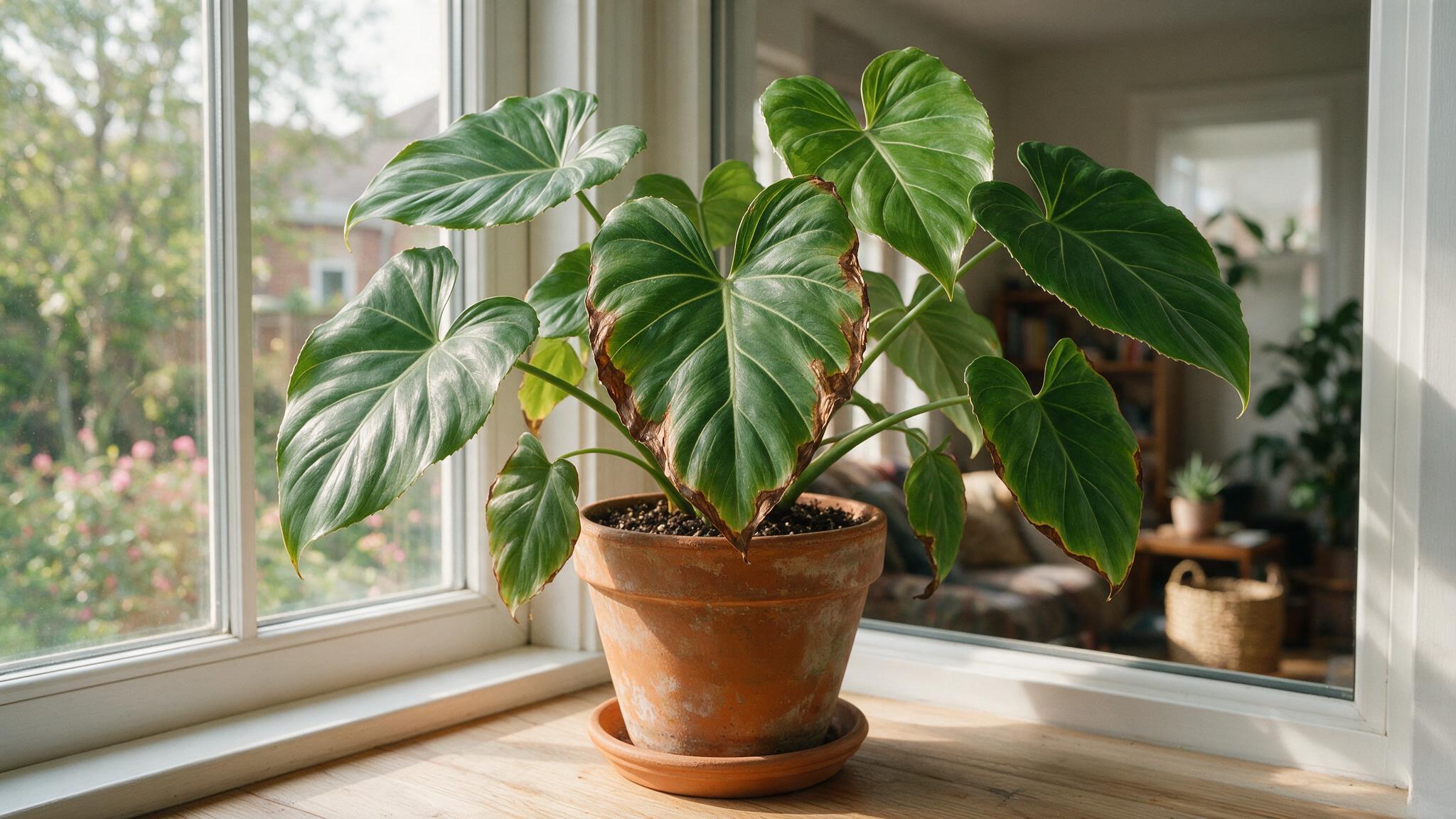
Few things are more frustrating than watching a philodendron go from lush and green to spotted, crispy, or entirely brown. These plants have a well-earned reputation for being easygoing, so when the leaves start changing color, it’s natural to wonder what went wrong.
The good news is that brown leaves on a philodendron almost always have a fixable cause. Whether you’re dealing with crispy tips, dark spots, or leaves that have gone completely brown, this guide walks you through every possible reason and exactly what to do about it. You’ll also find a simple diagnosis method and prevention tips to keep your plant thriving long-term.
What Does It Mean When Your Philodendron Leaves Are Turning Brown?
Philodendrons belong to the family Araceae and are native to the tropical rainforests of Central and South America, where they naturally grow in warm, humid environments beneath a forest canopy. Known as Philodendron spp., these ornamental plants require little attention and add a native tropical feel to your home with their large, green, and glossy leaves. When something disrupts those ideal conditions indoors, the leaves are usually the first to show it.
In most cases, browning is linked to water imbalance, humidity issues, or root-zone problems — especially for indoor plants grown in pots. The pattern of browning matters: brown tips, brown edges, or brown spots each point to different underlying causes.
Think of browning leaves as your plant sending a message. The shape, location, and texture of the brown areas are all clues you can use to pinpoint the exact problem. Learning to read those clues is the first step toward getting your philodendron back to full health. You can learn more about the general characteristics of this plant in this philodendron houseplant guide.
Is Brown Coloring in Philodendrons Always a Sign of a Problem?
Not always. Philodendrons, like all living things, go through a natural aging process. As this happens, older leaves turn brown and fall. That means there’s no need to worry if you notice an old leaf or two turning yellow or brown.
If you find tiny brown spots, evenly distributed on the leaf, they’re likely nectaries — a natural, sap-producing part of the philodendron’s leaves. These are completely harmless and require no action on your part.
The situations that do call for attention are when browning is spreading, affecting new growth, accompanied by mushy or foul-smelling tissue, or appearing alongside other stress symptoms like drooping or wilting. If the browning is isolated to one or two older leaves and the rest of the plant looks healthy, you can simply trim those leaves and move on.
Pro Tip: Always check where the browning starts. Tips and edges usually point to environmental stress like low humidity or underwatering, while spots in the middle of the leaf often suggest disease or pest activity.
Watering Issues Causing Philodendron Brown Leaves
Watering problems — both too much and too little — are among the most common reasons philodendron leaves turn brown. The tricky part is that overwatering and underwatering can look similar at first glance, so it pays to check the soil before drawing conclusions.
Underwatering
If your philodendrons don’t get enough water, their leaves may turn dry and brown. This discoloration usually starts at the leaf tips and makes its way up the rest of the foliage. However, if you continue to leave it in dry soil, the leaves are likely to die before they turn completely brown.
Underwatering can cause several symptoms besides brown leaves. The leaves typically wilt, and they may also curl inward to preserve moisture. You’ll also notice dry soil that appears crumbly or cracked.
Overwatering
If your philodendron is in soil that is boggy or saturated, this excludes oxygen from the soil, which prevents root respiration and interferes with the root’s ability to uptake water and nutrients, causing the leaves to turn yellow and droopy. If the roots have been in saturated soil for too long, they can develop root rot.
Over-watering can cause leaves to turn brown and slimy, while under-watering can lead to dry, brown leaves. The texture of the browning tells you which direction you’re going wrong.
How to Water Correctly
Most philodendrons prefer their soil to remain slightly moist. That means you should water when the top one to two inches of the potting mix is dry. You can easily check the soil moisture by sticking your finger into the soil near the center of the pot. If the top two inches are dry, go ahead and water.
Philodendrons require a steady supply of water to remain healthy. The soil should always be a little bit moist. If you’re spacing your waterings out too much or watering too lightly, this could be the cause. When you water, water thoroughly, not stopping until water flows out of the drainage holes.
Pro Tip: Water quality matters too. If your tap water is heavily chlorinated, let it sit overnight before using it on your philodendron. This allows chlorine to dissipate and reduces the risk of leaf tip burn from chemical sensitivity.
Light Conditions Behind Philodendron Brown Leaves
Philodendrons thrive in indirect light and are often perfectly happy with only artificial light. This makes them popular houseplants across the United States, from apartments with northern exposures to offices lit entirely by fluorescents. But push them too far in either direction and the leaves will show it.
Too Much Direct Light
When philodendrons are exposed to too much direct sunlight, their leaves overheat and dehydrate quickly, causing their tips to brown. If not removed from the bright light, the leaves eventually become dehydrated, burnt, and completely brown.
Crisp, brown spots near the edges are often scorch marks from overexposure to direct sunlight. You can usually confirm sun damage by the papery, dry texture of the affected areas and the fact that browning appears on the side of the plant facing the light source.
Too Little Light
Philodendrons can suffer from too little light. Particularly in winter or in a darker room, they may start to yellow and could benefit from being placed nearer a window. Too little light won’t usually cause brown spots directly, but it will weaken the plant, making it more susceptible to problems from overwatering or pests.
Finding the Right Spot
A spot a few feet away from a west-facing or east-facing window is ideal, but you can also place your philodendron in the middle of a bright room. If you want to place it near a south-facing window, place a sheer curtain over the window to filter the light.
If you’re working with a darker home, check out this guide to the best houseplants for low-light areas to see how philodendrons compare to other shade-tolerant options. When moving a sunburned plant, do it gradually. Move your philodendron to a position with indirect sunlight over a few weeks, only moving your plant every other day to allow it to become accustomed to the new light gradually.
Soil, Nutrients, and Root Health Causing Philodendron Brown Leaves
What’s happening below the soil surface plays a huge role in the health of your philodendron’s leaves. Poor soil structure, fertilizer imbalances, and root rot can all trigger browning even when your watering and light routine seem fine.
Poor Soil Drainage
The biggest thing that makes soil “bad” is poor drainage. If it retains excessive moisture near the roots, the chances of root rot — one of the worst fungal diseases — will go higher. A good philodendron mix should hold just enough moisture while still allowing excess water to drain freely.
Use a high-quality, chunky, well-aerating potting mix. A mix of potting soil, perlite, and orchid bark is ideal for philodendrons. This combination mimics the loose, airy forest floor conditions these plants evolved in.
Root Rot
Lift the philodendron out of the soil and inspect the root ball. If the roots look dark brown and have a rotten or mushy texture, this indicates root rot. Snip off any rotten-looking roots with a pair of sterile pruners back to healthy growth. Repot into fresh, well-draining mix and reduce watering going forward.
Over-Fertilizing
Philodendrons require essential plant nutrients to grow and thrive, but too many nutrients can lead to a buildup of salts. This overfertilization causes plant leaves to become stressed and brown.
Fertilizer is food for your plant, but too much of a good thing can be harmful. Over-fertilizing can cause a buildup of mineral salts in the soil, which “burns” the roots and leads to brown, crispy leaf tips. If you notice a white crust forming on the soil surface, that’s a sign of salt buildup.
Nutrient Deficiency
If your plant has been living in the same soil for a long time, it’s likely to get depleted of essential nutrients. The solution is repotting your philodendron in a fresh, nutrient-rich potting mix. In most cases, you only need to fertilize philodendron plants one to three times per year. Choose a balanced, diluted fertilizer with an NPK ratio of 1-1-1.
| Fertilizer Issue | Symptom | Fix |
|---|---|---|
| Over-fertilizing | Brown, crispy tips; white salt crust on soil | Flush soil thoroughly; reduce feeding frequency |
| Under-fertilizing | Slow growth; pale or yellowing leaves | Apply balanced liquid fertilizer 1–3 times per year |
| Depleted soil | General decline; browning despite proper watering | Repot in fresh potting mix every 2–3 years |
Environmental Stress Triggering Philodendron Brown Leaves
Even if your watering and light routine are dialed in, the surrounding environment can still cause browning. Temperature swings, low humidity, and drafts are all common culprits in American homes — especially during winter months when heating systems run constantly.
Low Humidity
As tropical plants, philodendrons are used to living in humid and warm ambient conditions. The humidity helps regulate the plant’s transpiration process — the evaporation of water from the cells in the leaf. However, when humidity falls below optimal levels, the transpiration process accelerates, causing the philodendron’s leaves to lose too much water and develop brown tips.
Low humidity is common during the year’s cooler months, like autumn and winter. In many US homes, indoor humidity can drop dramatically when central heating kicks in. Grouping plants together, using a pebble tray filled with water, or running a humidifier near your philodendron are all effective ways to raise ambient moisture.
Temperature Extremes
Cool temperatures lower than 50°F (10°C) can cause your philodendron to die back. The optimal temperature for growing philodendrons is between 65°F to 85°F (18°C to 30°C). If they experience temperatures above 90°F (32°C), the leaves may turn brown.
One common problem occurs when a philodendron is placed on a window sill in winter. Some of the leaves may come into contact with the cold glass, which causes them to turn brown and look droopy. Keep your plant at least a few inches away from cold windows and out of the direct path of air conditioning vents or heating registers.
Drafts and Air Vents
Keep your philodendron away from cold drafts or heat vents. Forced air from HVAC systems dries out the foliage rapidly and can cause brown tips that mimic underwatering, even when your soil moisture is perfectly fine. This is a particularly common issue in US homes during both winter heating and summer air conditioning seasons.
Pro Tip: If your home’s humidity regularly drops below 40% in winter, a small humidifier placed near your philodendron is one of the most effective investments you can make for its long-term health.
Pests and Disease Leading to Philodendron Brown Leaves
Philodendrons are known for being adaptable and forgiving, which is part of why they are so popular as houseplants. Even so, they are not immune to pests or care-related issues, especially when light, watering, or humidity drift out of balance. The key to keeping philodendrons healthy is early identification — most problems start small and are much easier to correct when caught early.
Common Pests
Regularly inspect your philodendron for signs of pests, such as spider mites, aphids, or mealybugs, which can cause leaves to turn brown. Spider mites leave fine webbing on the undersides of leaves, while mealybugs appear as white cottony clusters near leaf nodes. Spider mites make tiny dots; thrips make tiny streaks. Wipe leaves twice weekly with warm water plus mild dish soap, and check under leaves — bugs lay eggs there.
Pests can be managed with insecticidal soap or neem oil and regular plant inspection. One way to treat and prevent pests is to spray the plant with a neem oil solution once a month.
Fungal and Bacterial Diseases
Brown or yellow spots on philodendron leaves, especially if they’re spreading, can be a sign of fungal or bacterial disease. Fungal spots will normally have a brown or black ring around them, while bacterial spots are often mushy and discolored.
Bacterial leaf spot is caused by the bacteria Xanthomonas campestris pv. dieffenbachiae. Symptoms start out as tiny translucent spots along the edges of the leaves. Eventually, these turn reddish-brown and develop a yellow halo. It’s when the spots spread and merge that they turn light brown with irregular edges. The bacteria that cause this problem need moisture to move and reproduce, so overhead watering, high humidity, and splashing water will encourage the spread.
If the brown areas on the leaves of your philodendron have a foul smell, suspect bacterial blight. The bacteria initially cause dark green, water-soaked spots, but these rapidly spread and merge to form large lesions. Eventually the centers of the lesions might fall out, leaving unsightly holes. In time, the whole leaf will turn brown and mushy.
In case of fungal or bacterial diseases, applying a fungicide like liquid copper fungicide can help control the issue, but it’s essential to implement preventive measures to avoid recurring problems. For severe bacterial infections, remove and destroy any symptomatic parts of your philodendron. If more than 50 percent of the plant is symptomatic, it’s best to discard it, as treatment is unlikely to be effective.
How to Diagnose Why Your Philodendron Leaves Are Turning Brown
Diagnosing the cause of brown philodendron leaves is largely about pattern recognition. Before reaching for any treatment, take a close look at the plant as a whole and work through these steps systematically.
- Check the soil first. The first thing to do if your philodendron has brown leaves is to check the soil — it may simply be underwatered. Soggy soil points to overwatering; bone-dry, crumbly soil points to underwatering.
- Look at the location of the browning. Brown tips and edges suggest environmental stress (low humidity, drafts, underwatering). Brown spots in the center of the leaf suggest disease or pest activity. Uniform yellowing with brown edges on lower, older leaves often indicates natural aging.
- Examine the texture. Crispy and dry browning = sun damage, underwatering, or low humidity. Soft, mushy browning = overwatering or bacterial disease. Papery browning with a yellow halo = fungal or bacterial infection.
- Inspect the undersides of leaves. Use a magnifying glass to look for spider mites, mealybugs, or thrips. These pests often hide on the underside of foliage and are easy to miss during a casual inspection.
- Check the roots. Lift the philodendron out of the soil and inspect the root ball. If the roots look dark brown and have a rotten or mushy texture, this indicates root rot.
- Consider recent changes. Did you move the plant? Change your watering frequency? Turn on the heat or AC? Environmental shifts are a leading trigger for sudden browning.
Plant identification apps can also help you cross-reference symptoms. The best iPhone apps for identifying plants and the best Android apps for identifying plants include disease-diagnosis features that can be useful when you’re unsure what you’re looking at.
How to Fix a Philodendron That Is Turning Brown
Once you’ve identified the cause, the fix is usually straightforward. Here’s a breakdown of solutions organized by the most common causes.
Fix Watering Problems
If underwatering is the issue, give the pot a thorough soak. Give the philodendron pot a generous soak so that water trickles from the drainage holes in the base. If you water too lightly, only the surface of the soil becomes moist, and the roots underneath can suffer drought stress.
If overwatering is the problem, scale back the watering immediately. Philodendrons require evenly moist soil, not damp and boggy. Let the soil drain properly for several days until you feel that the top inch of the soil is dry.
Correct Light Exposure
Move sun-burned plants away from direct rays. Move your philodendron to an area that’s out of direct light. A spot a few feet away from a west-facing or east-facing window is ideal. For plants suffering from too little light, move them closer to a bright window or supplement with a grow light during the darker winter months.
Address Root Rot
Remove the plant from its pot, trim away all dark, mushy roots with sterile pruners, and repot in fresh, well-draining mix. Use a well-draining nutrient-rich soil mixed with a bit of perlite. Avoid watering again until the top inch of soil feels dry to the touch.
Flush Salt Buildup
Flush the pot under the sink for three minutes so that salts run out through the drainage holes. After flushing, hold off on fertilizing for at least four to six weeks to let the plant recover.
Treat Pests
If you notice any infestation, isolate the affected plant and treat it promptly. One way to treat and prevent pests is to spray the plant with a neem oil solution once a month. For heavier infestations, use insecticidal soap, reapplying every five to seven days until the pests are gone.
Remove Damaged Leaves
Brown philodendron leaves are unlikely to become green again, so trim them off once you’ve addressed the underlying cause. Remove any wilting or brown leaves, as they won’t recover. Trim them down to the leaf nodes to help your plant grow healthy, new foliage.
Pro Tip: Always use clean, sharp scissors or pruning shears when trimming philodendron leaves. Dirty tools can introduce bacteria and make a manageable problem much worse.
How to Prevent Philodendron Brown Leaves Going Forward
Prevention is easier than treatment. A consistent routine that accounts for your home’s specific conditions — including seasonal changes in temperature and humidity — will go a long way toward keeping your philodendron’s foliage healthy and green.
- Water by feel, not by schedule. Water when the top one to two inches of the potting mix is dry. Check the soil moisture by sticking your finger into the soil near the center of the pot.
- Use well-draining soil and a pot with drainage holes. Using pots with drainage holes can help prevent waterlogging. Refresh the potting mix every two to three years.
- Maintain consistent indirect light. Philodendrons prefer indirect light conditions. Not only does this prevent sunburn, but it also keeps the plant healthy, making it less susceptible to pests and diseases.
- Boost humidity during dry months. Group plants together, use a pebble tray, or run a humidifier nearby — especially during winter when heating systems reduce indoor humidity.
- Keep temperatures stable. The optimal temperature for growing philodendrons is between 65°F to 85°F (18°C to 30°C). Avoid placing your plant near cold windows, drafty doors, or heating and cooling vents.
- Fertilize lightly and infrequently. Use half-strength balanced liquid fertilizer only in the growing season — typically spring through early fall in most US climates.
- Quarantine new plants. The bacteria that cause leaf spot can travel on infected plants, soil, tools, or even on your hands. Quarantining new houseplants when you first bring them home and washing your hands and tools before use is important.
- Inspect regularly. One of the best preventative measures is regular inspection. Check your philodendron’s leaves, stems, and soil for signs of pests or diseases. Early detection can make treatment more effective.
For a broader look at how to care for other popular houseplants, explore this overview of types of plants or compare your philodendron’s care needs with those of other common varieties like rubber plants and spider plants.
FAQ
Can Brown Philodendron Leaves Turn Green Again?
Browning will not reverse, and removing damaged leaves helps the plant redirect energy. Once a leaf turns brown, that tissue is dead and won’t recover. The good news is that once you fix the underlying cause, your philodendron will produce new, healthy green leaves.
Why Are Only the Tips of My Philodendron Leaves Turning Brown?
Brown leaf tips often indicate under-watering or low humidity. They can also result from salt buildup in the soil caused by over-fertilizing. Check your soil moisture, assess the humidity in your space, and flush the soil if you suspect salt accumulation.
Why Do My Philodendron Leaves Have Brown Spots?
Brown spots often appear from overwatering, wet leaves, or poor airflow. Spots with a yellow halo are typically a sign of fungal or bacterial disease. Spots that are dry and papery with no halo usually indicate sun damage or pest activity. Match the texture and location of the spots to the cause descriptions in this guide.
How Often Should I Water My Philodendron to Prevent Browning?
There’s no universal schedule because watering frequency depends on pot size, soil type, season, and your home’s humidity. Most philodendrons prefer their soil to remain slightly moist, meaning you should water when the top one to two inches of the potting mix is dry. In summer, this might mean watering once a week; in winter, it could be every 10 to 14 days.
Should I Mist My Philodendron to Prevent Brown Tips?
Misting can temporarily raise humidity around the leaves, but it’s not the most effective long-term solution — and it can actually encourage fungal disease if the foliage stays wet for extended periods. A pebble tray with water or a small humidifier is a more reliable and safer option for maintaining the moisture levels philodendrons need. You can also pair your philodendron with other humidity-loving houseplants to naturally raise the moisture content of the air in the room.
Is a Philodendron With Brown Leaves Still Safe to Have Around Pets?
Brown leaves don’t change a philodendron’s toxicity profile — the plant contains calcium oxalate crystals that are irritating to pets and humans if ingested, regardless of leaf color. If you have cats that tend to nibble on houseplants, check out these tips on how to keep cats out of house plants and consider placing your philodendron out of reach.
When Should I Repot My Philodendron?
Repot every 2–3 years or when the plant outgrows its pot. This is best done in spring or early summer to minimize stress on the plant. Repotting into fresh soil also helps prevent the nutrient depletion and salt buildup that can contribute to browning over time. For more on how leaf structure and plant health relate to overall care, take a look at this guide to types of leaves.