Cucumber Flowers Falling Off? Here Is Why It Happens and How to Fix It

September 22, 2026
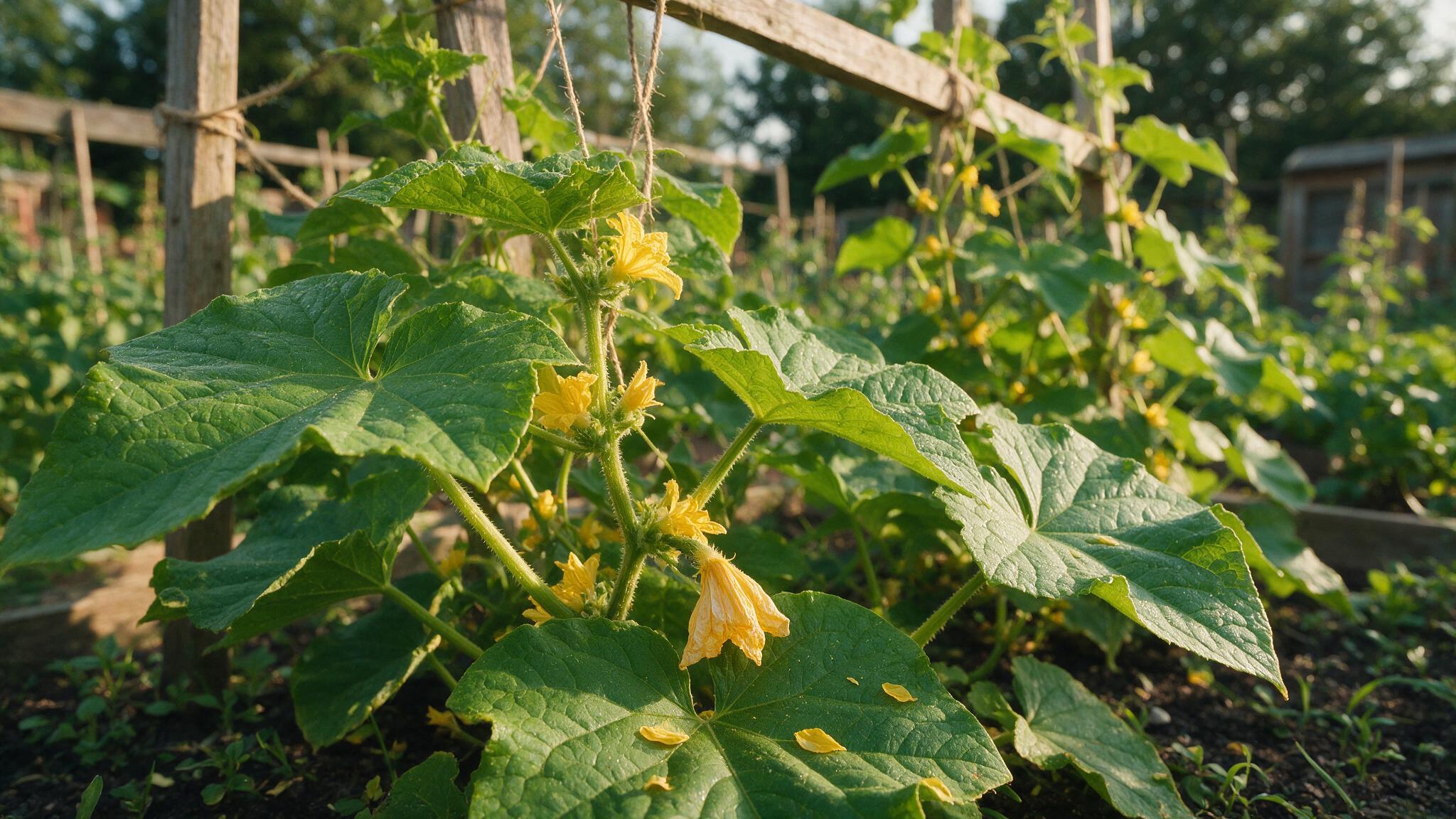
You head out to the garden, spot a vine full of bright yellow blossoms, and think you are finally on your way to a bumper crop — then you notice the flowers are dropping before a single cucumber forms. It is one of the most common frustrations for home gardeners across the United States, and the good news is that it is almost always fixable.
Cucumber flower drop, sometimes called blossom drop, has several distinct causes ranging from completely normal plant behavior to fixable problems with water, temperature, nutrients, and pollinators. Understanding which type of flower is falling — and why — puts you back in control of your harvest fast.
This guide walks you through every cause of cucumber flowers falling off, how to diagnose the specific problem in your garden, and the exact steps to fix it and prevent it from happening again.
What Does It Mean When Your Cucumber Flowers Are Falling Off?
Cucumber flowers falling off sounds alarming, but the first thing to understand is that not all flower drop signals a problem. Cucumber (Cucumis sativus) plants produce both male and female blossoms on each plant. These two flower types behave very differently, and knowing which one is dropping tells you a lot about what is actually going on.
Male blossoms falling from your cucumber plant is normal. The earliest male blooms often fall before female flowers are produced or before any fruit sets. Later blooms also drop once they have spent their pollen. If you are early in the season and only seeing small, stemmed flowers dropping with no tiny cucumber forming behind them, you are almost certainly watching normal male flower drop — not a crisis.
The first flush of flowers to develop is usually made up almost entirely of male flowers. These will naturally fall off as soon as they shed their pollen. The second flush will contain both male and female flowers. To help you identify the difference, the female flowers will have a slight bulge just below where the petals are attached — this is your future cucumber.
While it is natural for flowers to open and fall off a cucumber plant after fruit has formed, it is not normal when no fruit is present. This means you have a pollination problem. Female flowers dropping without fruit forming is the scenario worth investigating further.
Is Flower Drop in Cucumbers Always a Sign of a Problem?
No — and this distinction saves a lot of unnecessary worry. Losing a few vegetable blossoms or young fruits is not uncommon, especially early in the summer, and should not be a cause for alarm.
Male flowers normally outnumber female flowers by about 3 to 1. Sometimes these plants will produce a lot of one sex of flower for a week or two when they start blooming. The other sex usually appears shortly afterward. So if your plant looks like it is shedding flowers constantly in the first few weeks, patience is often the right response.
There are also certain cucumber varieties worth knowing about. Parthenocarpic cucumbers are bred to be seedless and require no pollination to set fruit. However, they need to be grown in a protected area where insect pollinators are excluded. If you are growing a standard garden variety outdoors, pollination from bees and other insects is what drives fruit set — which means anything that disrupts that process will show up as flower drop.
Check out the different types of cucumbers to understand which variety you are growing and what its specific pollination needs are before troubleshooting further.
Pro Tip: Before panicking about flower drop, look closely at the base of each falling flower. If there is no tiny cucumber-shaped bump behind the petals, it is a male flower — and male flower drop is completely normal at every stage of the plant’s life.
Watering Issues Causing Cucumber Flower Drop
Inconsistent watering is one of the most common and most preventable causes of blossom drop in cucumbers. If the soil becomes too dry, mainly near the surface where most cucumber roots spread, the plant cannot absorb enough water to support both the leaves and developing cucumbers. As a survival response, it starts dropping flowers and small fruits to save water and energy.
On the other hand, soil that stays too wet can also harm the plant. Waterlogged soil reduces oxygen around the roots, making it difficult for the plant to take in water and nutrients properly. Over time, this can lead to root rot and cause blossoms to fall off just as easily.
Cucumber plants need consistent moisture, so water them deeply once or twice a week, depending on weather conditions. Ensure the soil is evenly moist but not waterlogged to prevent root rot. A good rule of thumb: cucumbers usually need about 1 to 2 inches of water each week, depending on your weather and soil conditions, but it is always best to check the soil before watering.
Early morning is the best time to water cucumbers. Cooler weather helps the soil stay moist longer and gives wet leaves time to dry during the day. Drip irrigation or soaker hoses are especially effective for keeping moisture consistent without wetting the foliage, which reduces fungal disease risk.
Pro Tip: Push your finger about 2 inches into the soil near the base of the plant. If it feels dry at that depth, it is time to water. If it feels soggy, hold off and check your drainage situation before the next watering cycle.
Light Conditions Behind Cucumber Flower Drop
Cucumbers are sun-loving plants, and insufficient light is a surprisingly common reason for poor flowering and blossom drop — especially for gardeners growing in containers on patios or balconies. Cucumber plants require at least 6 to 8 hours of direct sunlight per day for optimal growth and fruit production. Ensure they are planted in a location with ample sunlight exposure.
When a cucumber plant does not receive enough light, it struggles to produce the energy needed to sustain flowers through pollination and fruit development. The plant prioritizes survival over reproduction, shedding blossoms to conserve resources. One gardener noted in a community forum that after noticing persistent flower drop, the culprit turned out to be insufficient sunlight on their balcony — a quick reminder that placement matters enormously.
If you are growing cucumbers near taller plants, fences, or structures that cast shade during peak afternoon hours, consider relocating your plants or trimming back any overhanging foliage. For indoor or low-light setups, you may want to review our guide on best houseplants for low-light areas to understand which plants genuinely thrive without full sun — cucumbers are not on that list.
Also keep in mind that dense vine growth can shade out lower flowers on the same plant. Training vines up a trellis improves air circulation and ensures all parts of the plant receive adequate light throughout the day.
Soil, Nutrients, and Root Health Causing Cucumber Flower Drop
What is happening underground has a direct effect on what you see at the flowering stage. Nutrient imbalances and poor soil conditions are a genuine, if often overlooked, trigger for blossom drop.
Nutrient deficiencies can be a common issue with cucumber plants, leading to reduced yields and poor plant health. To identify nutrient deficiencies, monitor your plants for signs such as yellowing leaves, stunted growth, or weak stems. These symptoms can be indicative of inadequate nitrogen, phosphorus, potassium, magnesium, or calcium levels in the soil.
A balanced fertilizer with equal parts nitrogen, phosphorus, and potassium (NPK) suits cucumber plants well. Incorporating organic matter like compost or aged manure can improve soil fertility and provide micronutrients. When cucumbers enter their flowering phase, a slight shift toward phosphorus-forward feeding supports flower development and fruit set. Applying a balanced fertilizer with a higher phosphorus content can also support fruit development.
A lack of calcium can cause flower drop in cucumbers just like it does with tomatoes. If your soil pH is off, calcium and other nutrients become unavailable to the plant even when they are physically present in the soil. Aim for a soil pH between 6.0 and 6.8 for cucumbers, and get a basic soil test from your local cooperative extension office if you suspect an imbalance.
A lack of essential nutrients can be caused by factors such as soil pH imbalances, poor soil quality, or excessive water usage. Overwatering, in particular, leaches nutrients from the root zone quickly — another reason consistent (not excessive) watering matters so much.
| Nutrient | Deficiency Sign | Fix |
|---|---|---|
| Nitrogen | Yellowing on lower leaves, stunted growth | Apply balanced NPK fertilizer or compost tea |
| Phosphorus | Purplish leaf undersides, poor flower set | Use a phosphorus-forward fertilizer during flowering |
| Potassium | Leaf edge scorch, weak stems | Apply potassium sulfate or a balanced fertilizer |
| Calcium | Flower drop, blossom end issues | Add lime or gypsum; check soil pH |
| Magnesium | Interveinal yellowing on older leaves | Apply Epsom salt (1 tbsp per gallon) as a foliar spray |
Environmental Stress Triggering Cucumber Flower Drop
Temperature is one of the biggest environmental levers affecting cucumber flowering. Cucumber plants thrive in temperatures between 70 and 85 degrees Fahrenheit. If the temperature is outside this optimal range, flowers may drop.
Excessive heat can dry out the pollen inside male flowers, making it unable to pollinate female flowers properly. Even well-pollinated flowers may sometimes drop during extreme heat as the plant tries to save water and energy. This is a real concern during summer heat waves across the South, Southwest, and Midwest — regions where daytime temperatures routinely push past 95°F in July and August.
Cold temperatures are equally problematic. Cucumber flower shedding is often a result of three factors: temperature shifts, improper watering, and poor pollination. Nighttime temperatures that dip below 50 degrees Fahrenheit can cause significant bloom loss. If you are gardening in a northern state where cool nights linger into early summer, row covers or low tunnels can protect blossoms during vulnerable overnight periods.
Strong winds can also cause stress and flowering drop-off. A sheltered growing spot — or a simple windbreak made from shade cloth — goes a long way in exposed garden beds. If plants are in a protected spot or planted closely together, they may not pollinate successfully. Weather can play a role too: pollinators tend not to fly as much in cool, wet, or windy weather.
For gardeners interested in how other flowering plants handle environmental stress, our article on different types of adenium flowers offers useful context on how desert-adapted plants manage heat stress differently from cucurbits.
Pests and Disease Leading to Cucumber Flower Drop
When watering, temperature, and nutrients all seem fine but flowers are still dropping, pests and disease move to the top of the suspect list. Common pests include cucumber beetles, aphids, and spider mites. Diseases such as powdery mildew, downy mildew, and bacterial wilt can also affect cucumber crops.
Cucumber beetles are common pests that feed on cucumber plants, and their feeding activity can damage the flowers. Beyond direct damage, cucumber beetles also spread bacterial wilt — one of the most destructive diseases cucumbers face. If a plant remains wilted even with moist soil, it could be the incurable bacterial wilt disease, and the plant should be removed immediately.
Powdery mildew forms white powdery spots on leaves and stems, and bacterial wilt causes plants to wilt and die. Both conditions divert the plant’s energy away from flower and fruit production. Look for white, powdery spots on upper leaf surfaces. These spread quickly in humid weather. Check undersides too — early detection is key.
For organic management, neem oil, insecticidal soap, or other organic pest control methods can manage pests and diseases effectively. A baking soda solution (1 tablespoon of baking soda per gallon of water) or neem oil can treat powdery mildew-infected plants. Spray the solution on the leaves, ensuring thorough coverage.
Keeping cats away from your garden beds can also reduce physical disturbance to vines and blossoms. Our guide on how to keep cats out of house plants has practical tips that translate well to outdoor vegetable beds too.
Important Note: Never apply broad-spectrum insecticides during daylight hours when bees are actively foraging. Some commonly used insecticides, such as carbaryl, are highly toxic to bees and can decrease populations around your plants. If applications of insecticides are necessary, try to time them during cool periods or when bees are not active to avoid affecting populations.
How to Diagnose Why Your Cucumber Flowers Are Falling Off
A methodical look at your plant takes just a few minutes and points you toward the right fix quickly. Work through these steps before reaching for any product or making big changes to your watering routine.
- Identify the flower type. Check whether the falling flowers have a tiny cucumber-shaped bump at the base (female) or just a plain stem (male). Male drop is normal; female drop needs investigation.
- Check the timing. Are you in the first two weeks of flowering? According to the Old Farmer’s Almanac, cucumbers often begin producing male flowers several weeks before the females appear. Early-season male drop is expected.
- Assess soil moisture. Dig 2 inches down near the root zone. Bone dry or soggy both point to a watering problem.
- Check the temperature. Review your overnight lows. Anything below 50°F or daytime highs above 95°F can trigger drop.
- Look for pest damage. Inspect the undersides of leaves and the base of flowers for beetles, aphids, or mite webbing.
- Evaluate pollinator activity. Spend 10 minutes in the garden during mid-morning. Are bees visiting? No bee activity paired with female flower drop is a strong sign of a pollination problem.
- Review recent inputs. Did you apply any insecticide recently? Insecticide use can kill pollinators like bees and cause a sudden drop in fruit set within days.
If you want a plant identification app to help you spot pest damage or disease symptoms accurately, our roundup of the best iPhone apps for identifying plants includes tools that can help you ID common cucumber diseases from a photo.
How to Fix a Cucumber Plant That Is Dropping Flowers
Once you have identified the cause, the fixes are straightforward. Here is what to do for each scenario.
Fix Pollination Problems
Home gardeners can compensate for a shortage of bees and other pollinators, and prevent female flowers from dropping, by pollinating their cucumbers themselves. Transfer pollen from male to female flowers using a small watercolor paintbrush or a cotton swab, advises Texas A&M AgriLife Extension.
For best results, hand pollinate during the morning hours using newly opened blossoms. Simply collect pollen from a male flower’s center and dab it onto the sticky stigma inside a female flower. You will know it worked when the tiny cucumber behind the female flower begins to swell within a day or two.
To bring more pollinators to your garden naturally, increase populations of pollinating insects by using companion plants such as cilantro, yarrow, white sweet clover, and spearmint. These plants attract natural pollinators and other beneficial insects, including natural predators of destructive pests. You might also explore companion planting strategies that work well alongside vegetable crops.
Fix Temperature Stress
For cool nights, use floating row covers or low tunnels to trap warmth around plants. Remove covers during the day so pollinators can access the flowers. For heat waves, apply a 2- to 3-inch layer of organic mulch around the base of plants to keep soil temperatures stable and moisture from evaporating too quickly.
Fix Watering Problems
Switch to deep, infrequent watering rather than light daily sprinkles. Water at the base of the plant rather than overhead to keep foliage dry. If you are growing in containers, make sure pots have adequate drainage holes and that saucers are not collecting standing water beneath them.
Fix Nutrient Deficiencies
During the vegetative stage, a balanced fertilizer supports leafy growth. Once flowering begins, ease back on high-nitrogen feeds — too much nitrogen pushes lush foliage at the expense of flowers — and shift toward a fertilizer with more phosphorus and potassium to support bloom and fruit development. Amend the soil with compost at planting time to build a strong nutrient foundation from the start.
Fix Pest and Disease Pressure
To manage pests like aphids and spider mites, consider introducing beneficial insects such as ladybugs or lacewings into your garden. You can also use neem oil to control infestations. For fungal diseases, maintaining good air circulation by pruning the plants is important. Use copper-based fungicides for powdery mildew treatment.
If you suspect bacterial wilt — identified by rapid wilting that does not recover with watering — remove and dispose of affected plants promptly to prevent cucumber beetles from spreading it further. Do not compost diseased material.
How to Prevent Cucumber Flower Drop Going Forward
Prevention is far easier than chasing down problems mid-season. Building good habits from planting day forward keeps flower drop from becoming a recurring issue in your garden.
- Choose the right site. Plant cucumbers where they will receive at least 6 to 8 hours of direct sun and are sheltered from harsh prevailing winds.
- Improve soil before planting. Work compost or aged manure into the top 8 to 12 inches of soil. This improves drainage, moisture retention, and nutrient availability all at once.
- Mulch consistently. A 2- to 3-inch layer of straw or wood chip mulch regulates soil temperature and keeps moisture levels steady between waterings.
- Plant pollinator-friendly flowers nearby. Planting other pollen-producing flowers and herbs throughout the garden attracts and welcomes beneficial pollinating insects to your garden beds. Borage, dill, and marigolds are excellent choices that also deter common cucumber pests.
- Avoid broad-spectrum pesticides during bloom. Apply insecticides in the garden only when necessary to avoid harming bees and other pollinators.
- Train vines vertically. Growing cucumbers up a trellis improves air circulation, reduces fungal disease pressure, and makes it easier to spot pests early.
- Water on a schedule. Set a reminder to check soil moisture every two to three days and water deeply when the top 2 inches feel dry.
- Select disease-resistant varieties. Growing cucumber varieties that are resistant to specific diseases dramatically reduces the chance of bacterial wilt and powdery mildew derailing your season.
As the plant matures, it enters the flowering phase, producing distinct yellow blossoms that depend on healthy pollinator activity to set fruit. During this phase, sufficient warmth, consistent watering, and nutrient-rich soil are all critical, as stress can reduce flower and fruit formation. Nail those three pillars and blossom drop becomes the exception rather than the rule.
If you enjoy growing edible flowers alongside your vegetables, our guides on edible flowers for cocktails and edible flowers for cakes offer creative ways to make the most of your flowering plants beyond the harvest.
Key Insight: The single most impactful prevention step most US home gardeners can take is planting two or three pollinator-attracting companion flowers within 3 feet of their cucumber vines. More bee visits mean better pollination, better fruit set, and far fewer dropped flowers throughout the season.
FAQ
Why Are My Cucumber Flowers Falling Off Before Turning Into Cucumbers?
The most common reasons are poor pollination, temperature extremes, inconsistent watering, and nutrient imbalances. It can be frustrating when cucumber flowers fall off before they have a chance to develop into cucumbers, but several reasons may be at play, including environmental factors, pollination issues, and certain pests and diseases. Start by identifying whether the dropping flowers are male or female, then work through the diagnostic steps above.
Is It Normal for the First Batch of Cucumber Flowers to Fall Off?
Yes. The first flowers to appear on cucumbers and other vine crops are predominantly male. As a result, fruit production is poor when the vines begin to flower. Female flowers — and the fruit that follows — come in the second flush. Give your plant a week or two before assuming something is wrong.
How Do I Tell Male and Female Cucumber Flowers Apart?
Female flowers are easy to identify — they always have a tiny fruit just behind the flower. This is the ovary, which develops into your cucumber after pollination. Male flowers sit on a plain stem with no swelling at the base and have a pollen-covered stamen in the center rather than a stigma.
Can I Hand-Pollinate My Cucumbers if There Are No Bees?
Absolutely. Simply pluck a male flower and pull back the petals to expose the anthers loaded with pollen. Place the male blossom in the center of the female blossom so it comes into contact with the stigma and gently twirl it around. You can also transfer pollen between the two using a cotton swab. Do this in the morning when flowers are freshly open for the best results.
Why Do My Cucumber Plants Have Lots of Flowers but No Fruit?
A cucumber plant will flower but produce no fruit if there is a lack of either male or female flowers on the plant. A lack of fruit will also occur due to poor pollination. Growing conditions such as temperature, weather, and nitrogen levels affect pollination and flower production. Check that both flower types are present and that bees or other pollinators have access to your plants during bloom.
Does Too Much Nitrogen Cause Cucumber Flowers to Drop?
Excessive nitrogen encourages lush, green vegetative growth at the expense of flowering. When a cucumber plant has an abundance of nitrogen, it channels energy into producing leaves and stems rather than sustaining flowers through to fruit. Once your plants are actively flowering, ease back on nitrogen-heavy fertilizers and switch to a balanced or phosphorus-forward feed to support bloom and fruit development.
What Temperature Is Too Hot or Too Cold for Cucumber Flowers?
Cucumber plants thrive in temperatures between 70 and 85 degrees Fahrenheit. If the temperature is outside this optimal range, flowers may drop. Hot weather can also cause flowers to close up and fall off, as the plant may be conserving energy to survive the heat. On the cold end, nighttime temperatures below 50°F are a common trigger for blossom abort, particularly in early summer across northern US states.