Why Is My Lavender Turning Brown? Causes, Fixes, and Prevention Tips

September 22, 2026
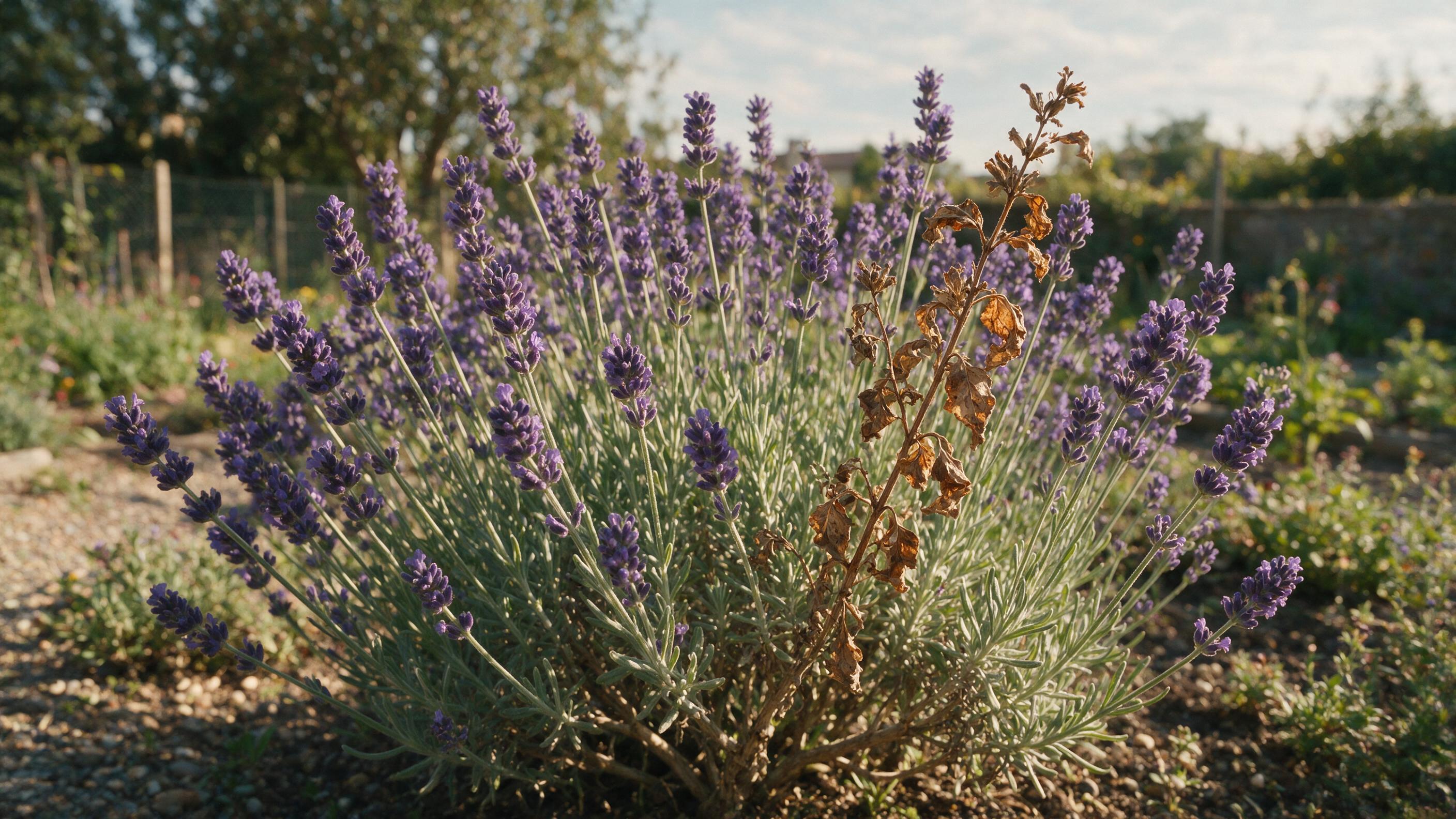
Lavender is supposed to be the easy-win plant — fragrant, drought-tough, and low-fuss. So when you spot brown leaves, brown stems, or browning flowers creeping across your plant, it can feel surprisingly alarming. The good news is that browning almost always traces back to a handful of fixable causes, and catching it early gives you a real shot at a full recovery.
This guide walks you through every reason your lavender might be turning brown, how to tell them apart, and exactly what to do about each one. Whether you’re growing English lavender in a backyard bed in the Pacific Northwest or a potted plant on a sunny patio in the Southwest, the same core principles apply.
What Does It Mean When Your Lavender Is Turning Brown?
Brown coloring on lavender is almost always a distress signal, but the location and texture of the browning tells you a lot about the cause. Lavender flowers can turn brown because of fungal disease (due to damp soil), frost damage, or naturally as the flowers turn into seed heads. The foliage is a different story — when leaves and stems go brown, something more serious is usually at play.
The most common reason lavenders turn brown is the fungal disease root rot, which is caused by either high humidity or persistently wet soil around the roots, and results in brown stems and foliage with a wilting appearance. That said, browning can also stem from underwatering, insufficient sunlight, soil problems, environmental stress, or pest and disease pressure — each with its own set of clues.
When it gets colder, lavender will drop some leaves, but the stems should still be bendable. If the plant’s leaves turn brown and the stems become brittle and hollow, your plant has a problem — it is most likely dying because of overwatering or a lack of sunshine. Reading the texture and location of the browning is your first step toward an accurate diagnosis.
Is Browning in Lavender Always a Sign of a Problem?
Not every instance of brown on your lavender means something is wrong. The different species of lavender tend to bloom at different times in spring and summer, and individual lavender flowers generally only last one month before turning brown, at which point they require deadheading to stimulate new flowers.
Each time it flowers, blooms will last approximately one month before naturally turning brown and requiring deadheading, which stimulates more blooms. This is a natural process, so do not be alarmed if some flowers are turning brown while others are still purple and healthy. Simply deadhead the lavenders with a pair of pruners and you will see more flowers throughout the growing season.
Dormancy is another non-emergency cause. It can be hard to distinguish between dormant and dead lavender plants. Though dormant plants take on a woody appearance throughout winter, growth should resume with the arrival of warmer temperatures in spring. Plants that have died will not produce green growth and will retain their browned, brittle appearance. If you’re seeing brown in late winter or early spring, give the plant a few weeks before making any decisions.
Pro Tip: Do the “bend test” before assuming your lavender is dead. Gently flex a stem — if it bends without snapping, the plant likely still has life in it. Brittle stems that snap cleanly are a sign of true dieback.
Watering Issues Causing Lavender Browning
Water — too much or too little — is behind the majority of lavender browning cases in the United States. Lavender is native to dry regions of Southern France, Italy, and Spain where annual rainfall is relatively low and there are high temperatures and blazing sunshine during the growing season. It has adapted to be a drought-resistant plant and actually thrives in terms of growth, fragrance, and flowering in these conditions.
Overwatering
Overwatered lavender tends to become brown and wilted. The foliage may feel limp and gummy, as opposed to dry and crunchy. Because lavender is so drought-resistant, it is far more susceptible to overwatering than underwatering. One of the earliest and most common signs is the leaves turning yellow, often starting with the lower, older leaves. As the problem persists, the yellowing can spread and leaves may turn brown and crispy.
If your lavender is wilting but the soil feels moist, you have identified a paradox that is actually one of the clearest signs of root failure. A healthy plant wilts when it is dry because it lacks water. A lavender wilting in moist soil is wilting because its roots have rotted and can no longer absorb and transport that water — the plant is effectively drowning.
Underwatering
If your lavender’s leaves are brown and crunchy, check the soil an inch below the surface. If it feels dry and powdery, there’s a good chance the plant is in desperate need of a drink. Even though lavender is drought-tolerant, it still needs adequate moisture to survive. Potted lavender plants are far more susceptible to underwatering than those planted directly in the ground.
The texture of the browning is your best clue: overwatered leaves often turn yellow first and may feel soft or mushy, while underwatered leaves turn brown and feel dry and papery to the touch. As a rule of thumb, lavender plants need about an inch of water every two weeks.
Pro Tip: For established lavender in the ground, you may not need to water at all during periods of regular rainfall. Overwatering is always more of a problem than underwatering, and if your climate has a lot of rainfall, you may not need to water your lavender for weeks at a time.
Light Conditions Behind Lavender Browning
Lavender is a full-sun plant with no exceptions. All lavenders do best in very sunny locations — six to eight hours of sun per day — and need good drainage. When light falls short of that threshold, the plant weakens progressively, making it far more vulnerable to disease and browning.
Lavender needs a minimum of six hours of direct sun per day. Shade encourages leggy, weak growth that droops under its own weight even without disease or overwatering. A lack of sunlight can cause foliage to look pale, and eventually the plant will struggle to maintain healthy green color.
In many American gardens, lavender starts out in a sunny spot but becomes shaded over time as nearby shrubs or trees grow larger. If the plant is being shaded by a nearby tree or another plant, try to prune away the covering branches to open up the light. You will need to keep up this maintenance if you want your lavender to flower and grow in later seasons. The best option is to move the plant to a new part of the garden.
You can explore low-light plants if you have a shadier spot in your yard — lavender simply isn’t one of them. For outdoor beds with poor sun exposure, consider relocating your lavender to a south- or west-facing position where it will receive unobstructed afternoon sun.
Soil, Nutrients, and Root Health Causing Lavender Browning
Lavenders must be planted in soil that is porous, well-draining, and does not hold onto water. They are adapted to the seemingly harsh conditions on the arid Mediterranean coast and thrive in sandy or stony soils with little organic content. When American gardeners plant lavender in standard garden soil — especially clay-heavy soil common across the Midwest and Southeast — browning problems are almost inevitable.
Poor Drainage and Soil Composition
Lavenders are used to growing in sandy or rocky soil that is incredibly well-draining. If the soil contains too much clay or becomes compacted, allowing water to pool around the roots, the plant will begin to die. These plants cannot stand sitting in water and will begin to droop and turn brown as a result of root rot.
The fix is straightforward: sand and gravel do not absorb water the way compost or other soils do. Creating a soil mix with around 50% sand or gravel retains almost no water, just the way lavender likes it — and a mix with this composition can make the plant flower better.
Soil pH
Soil pH also plays an important role in plant health. Lavenders prefer an almost neutral soil pH between 6.5 and 7.5. They don’t mind excessively alkaline soil, but can struggle if the soil is far too acidic (around 5 or lower). If your soil is acidic, add lime to raise the pH, but not above 8.5.
Fertilizer Overload
One of the most common mistakes American gardeners make is fertilizing lavender the same way they would other garden plants. Lavenders are happiest when grown in nutrient-poor soil. They don’t need any additional fertilizers or organic materials to thrive, as they flower best and have the most impressive fragrance when left alone. In fact, adding additional nutrients to the soil could be the reason for your plant’s demise — an excess of nutrients, particularly nitrogen, will cause the leaves to turn yellow.
If you’ve already applied fertilizer, you can amend the soil with large amounts of river sand to decrease the concentration of nutrients in the soil. Going forward, skip the fertilizer entirely. Lavender genuinely performs better without it.
Pro Tip: Never mulch around the lavender crown with organic matter — use gravel or grit instead, which does not retain moisture. Bark mulch and compost are common culprits that trap moisture directly where lavender is most vulnerable.
Environmental Stress Triggering Lavender Browning
Even well-cared-for lavender can develop brown patches when the environment pushes it beyond its comfort zone. Frost, heat, humidity, and seasonal transitions are all common stress triggers across different U.S. growing regions.
Frost Damage
A late frost is often the culprit when lavender flowers turn brown. The emerging flowers are often more tender than the foliage, which can result in frost damage. This is particularly true of the early-flowering varieties such as French and Spanish lavender, which are more vulnerable to frost and flower earlier in the season compared to English and intermedia varieties.
If you’re in USDA Hardiness Zones 5 or 6, English lavender (Lavandula angustifolia) and hybrid lavender (Lavandula x intermedia) are far more cold-hardy, surviving winter and tolerating snow and freezing temperatures, whereas Spanish and French lavenders generally only last one season without a mild winter climate. Varieties like ‘Hidcote’ and ‘Munstead’ are solid choices for colder parts of the country.
Heat and Humidity
On an exceptionally hot afternoon, lavender may wilt slightly to conserve water. This is normal — it should perk up by evening as temperatures drop. If it doesn’t, then the problem is more serious. In high-humidity climates like the Southeast, air circulation becomes especially important. Give each plant plenty of air circulation to reduce the negative effect of local humidity.
If you live in a particularly humid region, consider planting Spanish lavender (Lavandula stoechas), which tolerates humid climates better than other varieties. Spacing plants well apart and avoiding overhead irrigation also help significantly.
Winter Dormancy vs. Browning
Lavender does turn brown in winter, especially when the soil is overly wet for extended periods of time. Countries and regions with cold climates that are not ideal for lavender may produce brown lavender. It is typical for these fragrant shrubs to turn silvery during their dormancy stage, and when it gets colder, lavender will drop some leaves — but the stems should still be bendable.
Pests and Disease Leading to Lavender Browning
Lavender isn’t too sensitive to diseases or insects, but it can become distressed if its growing needs are not met. When conditions tip toward excess moisture or poor airflow, fungal diseases in particular move in fast. Understanding the difference between them helps you treat the right problem.
Root Rot (Fungal)
Root rot is the single biggest killer of lavender in the United States. It is caused by various soil-borne fungi — including Phytophthora, Fusarium, Pythium, and Rhizoctonia — that thrive in wet, waterlogged, or poorly drained soil. Overwatering is the primary culprit. According to the Pacific Northwest Pest Management Handbooks , the OSU Plant Clinic has found Fusarium, Phytophthora, Pythium, and Rhizoctonia associated with rotting roots of lavender, with these pathogens documented in both Oregon and Washington.
Yellowing or browning leaves often start from the base of the plant and progress upwards. The plant stops growing or looks generally unhealthy, and if you examine the roots or crown, they will appear dark, mushy, and may have a foul odor instead of being firm and light-colored.
Botrytis (Gray Mold)
Botrytis cinerea (gray mold) is a fungal disease that affects lavender growing in humid, low-airflow conditions. It appears as a gray-brown fuzzy coating on stems and flowers and spreads rapidly in cool, damp weather. It is more common in the Pacific Northwest than in the drier US South and West.
Botrytis is sometimes called gray mold, and on lavender plants it can manifest as browning leaves that appear coated in brown or gray dust. The leaves are typically located near the base of the plant, closest to the part touching the overly moist soil. Carefully remove the browning, dusty leaves and dispose of them in the trash — not your compost pile or yard waste bin — to prevent spores from spreading to other plants.
Lavender Shab
Lavender shab is another fungal disease that results in twisted, brown stems along with tiny black dots on the stem. This disease is easily transmitted, so pull out infected plants and destroy them. It’s less common than root rot or botrytis but worth knowing about, especially in humid growing regions.
Aphids and Spittlebugs
Lavender is not a primary aphid target, but it does attract lavender aphid and the more common green peach aphid, particularly during warm, dry periods in late spring and early summer. Infestations typically appear on new growth and flowering stems first. Spittlebugs and froghoppers both suck sap from plants and can be detected by observing the white, frothy blobs that appear on stems and leaves of infested plants.
For broader pest management strategies in your garden, see this guide to plants that repel wasps and other common garden pests. You might also find it helpful to use one of the best iPhone apps for identifying plants or the best Android apps for identifying plants to help confirm pest or disease identification in the field.
How to Diagnose Why Your Lavender Is Turning Brown
Before reaching for any treatment, take five minutes to work through a physical triage. The location, texture, and smell of the browning will point you toward the right cause almost every time.
- Check the soil moisture: Push your finger 2–3 inches into the soil. Overwatered soil is consistently soggy or wet to the touch, even days after watering. Underwatered soil is bone dry, hard, and may have pulled away from the edges of the pot.
- Inspect the roots: Healthy lavender roots are cream to tan, feel firm, and stay intact when tugged. Rotting roots are brown to black, feel soft or mushy, and may slip off the root core when you pull them.
- Smell the soil: Healthy soil smells earthy, mineral, and faintly sweet. Soil from a root-rotted lavender smells sour, rancid, or faintly like sewage — a sign the soil has been oxygen-depleted long enough to support the wrong microbial community.
- Check the stem at the base: Grasp the main stem 1–2 inches above soil level and squeeze gently. Firm and woody means the vascular system is intact and the problem is environmental. Soft and mushy means tissue breakdown has begun, pointing to root rot or advanced overwatering.
- Look at where the browning starts: Lavender with root rot develops yellow and brown leaves at the base of the plant first. Browning that starts at the tips or on upper foliage points more toward underwatering, frost, or sun stress.
- Count the sun hours: Note how many hours of direct sun your plant actually receives. If it’s fewer than six, light deficiency could be weakening the plant and making it susceptible to other problems.
Key Insight: Root rot kills more lavender than any pest, disease, or hard winter, and it almost always traces back to one preventable condition: roots sitting in saturated soil for too long. The problem is that the symptoms are identical whether roots are rotting from overwatering, clay soil, or an active Phytophthora infection — and the fixes are not. Pinning down the specific cause before acting is worth the extra few minutes.
How to Fix a Lavender That Is Turning Brown
Once you’ve identified the cause, here are the targeted fixes for each scenario. Move quickly — the sooner you act, the better your chances of saving the plant.
Fix Overwatering and Root Rot
- Stop watering immediately. Do not add any more water to the soil. Allow the soil to begin drying out completely. For potted lavender, move the pot to a warm, breezy, and sunny spot to accelerate drying.
- Inspect and trim the roots. Gently remove the lavender, shake off the wet soil, and trim any black, slimy, or obviously dead roots with sterile pruners.
- Replant in better soil. Remove the plant, cut away all rotted roots with clean, sharp scissors, allow the root ball to air-dry for 2–3 hours, replant in fresh gritty compost in a new location with improved drainage, and do not water for one week.
- If the damage is severe: If the crown is mushy, the plant is unlikely to survive. Take 4–6 inch stem cuttings from any healthy non-woody growth before discarding the parent plant. Root cuttings in perlite — success rate is high if cuttings are taken from green stems.
Fix Underwatering
If your lavender’s soil feels dry, give it a good soaking watering. Then adjust your schedule going forward. Lavenders thrive on a soak-and-dry style of watering — always water with a generous amount, but only water once every two weeks when established. For potted plants, water potted lavender only when the soil is completely dry at least 2 inches below the surface.
Fix Light Deficiency
Move the plant to a location with full sun. Start by loosening the soil around the roots with a fork, keeping your distance from the base to prevent damage. Once the fork is deep enough, gently lift the entire plant out, keeping the root system intact. Replant in a sunny spot, and after a bit of time to recover from transplant shock, it should return to normal.
Fix Botrytis (Gray Mold)
With botrytis, your priority is to contain the infection so it cannot further spread. Carefully remove the browning, dusty leaves and dispose of them in the trash — not your compost pile or yard waste bin. Then address the cause by changing your watering schedule. You can also move your lavender to a drier area of your yard to prevent continued contact with waterlogged soil.
Fix Frost Damage
If a late frost hit your lavender’s flowers, simply deadhead the lavenders with a pair of pruners and you will see more flowers throughout the growing season. For foliage that has been frost-damaged, trim back to healthy green tissue. Avoid cutting into bare, woody stems — lavender often will not regrow from old, leafless stems.
Fix Soil and Nutrient Problems
If you’ve already planted the lavender in the wrong soil, move the plant to a pot with a well-draining potting mix, or remove the plant, amend the soil, and replant. For nutrient excess from over-fertilizing, amend the soil with large amounts of river sand to decrease the concentration of nutrients. Stop all fertilizing going forward.
Lavender is one of many drought-tolerant plants that thrive in lean, well-draining conditions. Treating it like a heavy feeder is one of the most common mistakes home gardeners make.
How to Prevent Lavender Browning Going Forward
Prevention is genuinely easier than recovery with lavender. The overarching theme for lavender disease management is prevention through proper cultural practices — start with the right plant in the right place, choosing a location with full sun and excellent drainage. Here’s how to set your plant up for long-term success.
- Get the soil right from the start. The best way to prevent brown lavender is to plant it in well-draining soil that has been amended with sand or gravel, and reduce watering to once every two weeks. In clay-heavy regions, work 30–50% coarse sand or grit into the planting bed to a depth of 12 inches before planting. Raised beds are the most reliable long-term solution in areas with poor drainage.
- Water deeply but infrequently. Water deeply but infrequently, allowing the soil to dry out completely between waterings. Avoid overhead watering. Use a soaker hose or water at the base of the plant to keep foliage dry.
- Give it full sun. Place the plant in a full sun position since lavender prefers 6–8 hours of direct sun per day. Reposition plants that have become shaded by neighboring growth.
- Space plants for airflow. Space plants adequately so air can circulate freely between them, which helps foliage dry quickly after dew or rain. In all cases, make sure lavender plants are 2 to 3 feet apart.
- Mulch with gravel, not bark. Plant lavender on a slight slope or raised mound. Never mulch around the crown with organic matter — use gravel or grit instead, which does not retain moisture.
- Skip the fertilizer. Lavenders are happiest when grown in nutrient-poor soil. They don’t need any additional fertilizers or organic materials to thrive, as they flower best and have the most impressive fragrance when left alone.
- Prune annually. Annual pruning keeps the plant open to air and light, reducing humidity around the stems. Always leave some green growth on the stems when you prune.
- Choose the right variety for your region. If you’re in a humid climate, opt for Spanish lavender, which tolerates humid conditions better. In cold-winter states, stick with cold-hardy English varieties.
- Sanitize your tools. Promptly remove and dispose of (do not compost) any diseased plant material, and sterilize tools between cuts to avoid spreading fungal spores from plant to plant.
If you enjoy growing plants with similar Mediterranean preferences, explore wind-tolerant plants and deer-tolerant plants that pair well with lavender in sunny, dry borders. For a broader look at what works in your landscape, the types of plants guide is a helpful starting point.
FAQ
Why Is My Lavender Turning Brown After Planting?
Browning shortly after planting is usually transplant shock. Drooping in the first two weeks after transplanting is transplant shock, not root rot. Adding more water or repotting again delays recovery — give the roots time to regenerate. Make sure the plant is in well-draining soil and avoid overwatering during this adjustment period.
Can Brown Lavender Come Back?
Lavender with root rot may recover if it is moved to dry soil, however, this depends on the severity of the root rot. Unfortunately, not every overwatered lavender plant can be saved. If the root rot has spread to the entire root system and the main crown is completely soft and brown, the plant is unlikely to recover. Catching problems early is key.
Should I Cut Off Brown Lavender Stems?
Remove any dead, brown, or mushy stems right back to healthy, firm wood. This helps the plant focus its energy on recovery and removes avenues for disease to spread. Sterilize your pruning tools between cuts with a bleach solution. Avoid cutting back into completely bare wood, as lavender rarely regrows from leafless, woody stems.
Why Are My Lavender Flowers Turning Brown but the Leaves Look Fine?
If the leaves look unaffected yet the flowers are turning brown, a late frost may have damaged the tender flowers, or the flowers have turned brown and simply require deadheading to stimulate more blooms. This is one of the most common and least worrying forms of browning in lavender.
Is Brown Lavender the Same as Dead Lavender?
Not necessarily. Sections of the plant may appear dead during the dormancy stage, but these dormant sections can recover and sprout new green leaves. It is usually recommended to cut away damaged deadwood, but try not to damage any live portions. If lavender branches are completely dry, they won’t recover or grow back. Scratch the stem with a fingernail — green tissue underneath means there’s still life in it.
Why Is My Potted Lavender Turning Brown?
Potted lavender is especially prone to both overwatering and underwatering. Potted lavender is more susceptible to wilting from water issues. Use a terracotta pot, which breathes, and ensure it has multiple large drainage holes. Use a very gritty potting mix, such as one designed for cacti and succulents. Also confirm the pot is positioned in a spot with at least six hours of direct sun each day.