Why Is My Snake Plant Turning Brown? Causes, Fixes, and Prevention

September 3, 2026
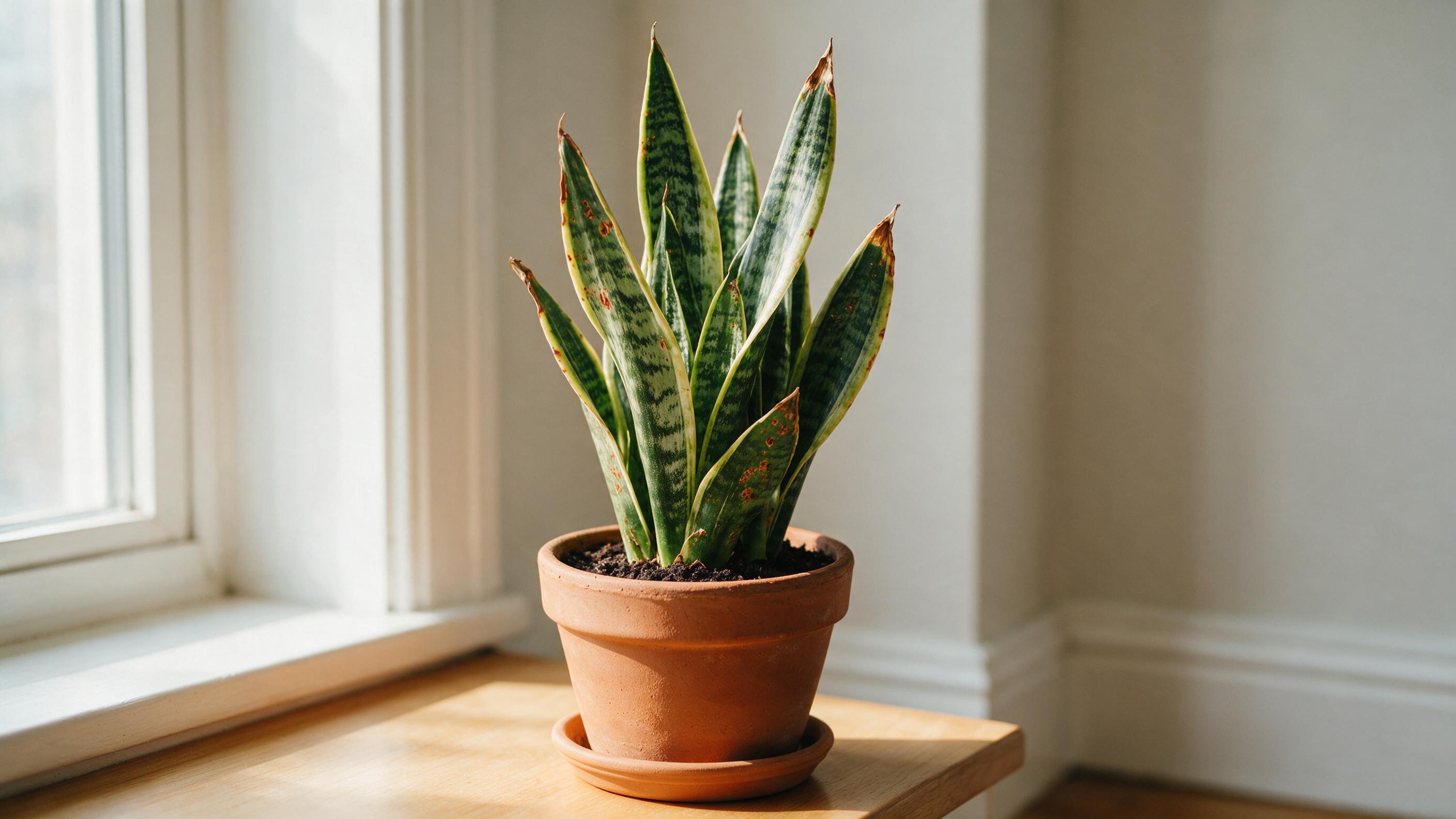
Snake plants are famous for being nearly indestructible — yet even the toughest houseplant will show you when something is off. Brown leaves, tips, or spots are one of the most common complaints from snake plant owners across the United States, and the good news is that the problem is almost always fixable once you know what to look for.
The snake plant, known botanically as Dracaena trifasciata (formerly classified as Sansevieria trifasciata), stores water in its thick, upright leaves and tolerates a wide range of conditions. But that resilience has limits. These famously tough, low-maintenance houseplants can still end up with brown tips or leaves, and browning usually means the plant is stressed — from watering issues, bad light, root problems, or environmental factors like temperature swings and dry air.
This guide walks you through every major cause of browning, how to tell them apart, and exactly what to do to bring your plant back to full health.
What Does It Mean When Your Snake Plant Is Turning Brown?
Brown tips or edges on a snake plant indicate that it is not getting the right amount of watering or may be experiencing poor environmental surroundings that are stressing the plant. Sometimes, the problem relates to too much of a good thing — such as too much sunlight, water, or fertilizer.
The location and texture of the browning are your biggest clues. Individual leaves turning brown can indicate several issues: if browning starts from the tips, the likely culprit is underwatering or low humidity; if it starts from the base, suspect overwatering; if it appears spotty throughout, consider fungal disease or sunburn; and if it is the oldest outer leaf, it might simply be natural aging.
Pay close attention to whether the affected tissue feels dry and crispy or soft and mushy. Those two textures point in very different directions and will shape the entire diagnosis and fix.
Pro Tip: Before doing anything else, gently press the brown area with your finger. Crispy and papery means the plant is too dry or scorched. Soft and squishy almost always points to overwatering or root rot.
Is Browning in Snake Plants Always a Sign of a Problem?
Not always. Snake plants can experience minor physiological stress that affects their leaves, and issues such as brown tips, discoloration, scars, or slight splitting are common and not usually a cause for concern.
Natural growth stress — minor scarring or yellowing — can occur as leaves grow and adapt to new environments. If you recently repotted, moved, or purchased your plant, some browning during the adjustment period is expected. Allow two to three weeks for the plant to adapt to its new environment, as some yellowing, browning, and minor leaf loss during this time are normal.
Older, outermost leaves also naturally die back over time as the plant redirects energy to new growth. A single brown leaf on an otherwise healthy plant with firm, upright foliage is rarely cause for alarm. The concern grows when multiple leaves are affected, browning is spreading, or the plant looks generally weak.
Watering Issues Causing Snake Plant Browning
Watering problems are the number one reason snake plants get brown tips and leaves. Too much, too little, poor drainage, or inconsistent watering can all stress the plant in different ways.
Overwatering
Snake plants store water in their leaves and prefer their soil to dry out completely between waterings. When soil stays constantly wet, roots cannot breathe and begin to decay. That rot then travels up through the plant, creating mushy brown spots. Overwatering can advance significantly in just one to two weeks, and it is more dangerous to snake plants than underwatering.
The leaves turn brown and mushy, usually starting at the base and creeping upward. When you touch the damaged leaves, they feel soft and squishy, and the brown spots often look dark and wet, not crispy. If you catch it early, you can usually rescue the plant by trimming away the mushy roots and moving it to fresh, dry soil.
Underwatering
Snake plants are drought-tolerant, but they are not camels. If you forget about them for too long, you will see brown, crispy tips on the leaves. The browning usually starts at the tips and edges, then slowly moves inward. When you touch these spots, they are dry and papery.
Underwatered plants usually perk up fast after a thorough soak. The damaged tips will not turn green again, but any new growth should look healthy. Aim to water when the top two to three inches of soil feel completely dry.
Tap Water Chemistry
Sometimes the water from your tap has chemicals or minerals that slowly damage your snake plant’s leaves, causing brown tips or patches. Snake plants do not love chlorine and fluoride, and most tap water has both. Over time, these chemicals build up and burn the leaf tips, leaving that classic brown edge.
Switching to filtered, distilled, or rainwater makes a noticeable difference. If you have been feeding your plant or using tap water, salts can build up in the soil and burn the leaf tips — it starts slow, just a bit of browning, but over time it leads to dry, crunchy edges. Flushing the soil every couple of months by running clean water through the pot until it drains freely helps clear that buildup. You can also use a plant identification app to confirm your plant species and look up its specific water sensitivity.
Pro Tip: Let tap water sit out overnight before using it on your snake plant. This allows chlorine to off-gas, reducing chemical stress on the leaves.
Light Conditions Behind Snake Plant Browning
Light is a bigger factor than most people expect, and both too much and too little can cause browning — just in different ways.
Too Much Direct Sun
Although snake plants can handle some direct sun, sudden exposure to intense sunlight — especially when moved from a low-light area — can burn leaf tissues. Think of it as a plant sunburn. When they get too much sun, leaves start to bleach or go pale before developing brown patches. The tips usually burn first, turning papery and tan. South-facing windows in summer are the usual trouble spots.
Snake plants are adaptable and can survive in low light, but they grow best in moderate to bright indirect light. They can tolerate some direct morning sun but should be protected from intense afternoon sunlight. If your plant sits in a bright, sunny window, a sheer curtain is an easy fix. For more low-light houseplant options that tolerate dim corners even better, it is worth exploring your alternatives.
Too Little Light
Not enough light causes a different set of problems. In dim corners, snake plants grow slowly and their leaves turn dark green, then yellowish-brown from the bottom up. Low light weakens the whole plant, the leaves get floppy, and the soil stays wet longer, which can set the stage for root rot and brown, mushy leaves.
If your plant has not produced any new growth in six months and the foliage looks dull, it probably wants a brighter spot. Moving it a few feet closer to a window — without placing it in direct sun — is usually enough to see improvement.
Soil, Nutrients, and Root Health Causing Snake Plant Browning
Poor Soil and Drainage
Snake plants need fast-draining soil. Regular potting mix holds too much moisture, which can cause the same problems as overwatering. Make sure your pot has drainage holes — if it does not, water will pool at the bottom even if the top feels dry.
Choosing the correct pot for your snake plant is important. Opt for a pot with proper drainage, ensuring excess water escapes, and select a size that accommodates your plant’s growth. Terracotta is the best material because it wicks moisture away from the roots, reducing the risk of soggy soil. A cactus or succulent blend mixed with perlite gives the plant the airy, well-draining environment it prefers.
Fertilizer Problems
The snake plant does not need a lot of fertilizer, owing to its hardy nature, since it can survive on nutrient-deficient soil. Too much fertilizer is known to cause burning in the roots, thus impacting the foliage and leading to brown tips or brown leaf edges. If you notice the leaf tips or the rest of the shaft browning a few days after fertilizing, excess nutrients may be the cause.
Low nitrogen makes older leaves turn yellow-brown, while potassium deficiency shows up as brown edges or spots. These issues develop slowly, not overnight. A balanced fertilizer — such as a 10-10-10 formula — applied once in spring and again mid-summer at half strength is generally sufficient. If you have been a little excessive with fertilizing, stop for a few months and flush the potting mix by running plenty of water through it to leach the excess nutrients out of the soil.
Root Rot
Once the roots are compromised by root rot, the plant will no longer be able to absorb water and nutrients, so you will see signs of nutrient and water deficiency in the leaves, such as discoloration and brown crispy tips. Rotted roots will be brown or black, soft, often smelly, and may fall apart when touched. The soil may also have a sour or rotten smell.
To check for root rot, gently remove the plant from its pot and inspect the roots. Trim away any dark, mushy sections with clean, sharp scissors, then repot in fresh, well-draining soil. If you want to learn more about giving your plant a fresh start, the guide on how to propagate a snake plant covers root health in detail.
Pro Tip: If your snake plant has been in the same pot for more than two years, the soil may be compacted and spent. A repot with fresh cactus mix can reset root health without needing extra fertilizer right away.
Environmental Stress Triggering Snake Plant Browning
Even when watering and light are dialed in, the surrounding environment can still push your plant toward browning. Several common US household conditions are worth checking.
| Environmental Factor | What Happens | Quick Fix |
|---|---|---|
| Low humidity (below 30%) | Leaf tips dry out and turn crispy | Use a pebble tray, humidifier, or group plants together |
| Cold drafts (below 50°F) | Leaf tissue damage, brown patches | Move away from windows, vents, and exterior doors |
| Forced-air heating or A/C | Accelerated moisture loss from leaves | Relocate away from vents; add nearby humidity source |
| Temperature extremes | Stress browning, stunted growth | Keep plant in 60–85°F range year-round |
Snake plants handle dry air better than most houseplants, but very low humidity can still cause brown tips. When indoor air dips below 30% humidity — pretty common in winter — leaf tips dry out and turn crispy. This is most noticeable in homes with forced-air heating or in dry climates, as the leaf edges lose water faster than the plant can keep up.
Snake plants thrive in 40–60% relative humidity. Indoor levels often drop below 30% in heated or air-conditioned spaces, leading to dry leaf tips. Move your plant away from any drafts or vents. You can mist it lightly, keep a humidifier nearby, move it into a bathroom with a steamy shower, group it with other plants, or add pebbles and water to a drip tray under the plant to provide evaporation humidity.
Pests and Disease Leading to Snake Plant Browning
The most common causes of brown spots from biological sources are improper watering, pests, and fungal diseases. Here is how to tell them apart.
Common Pests
Snake plants do not get too many pest infestations. The main threats are mealybugs and spider mites. Both of these pests can be wiped off with a mixture of water and dish soap or rubbing alcohol. Pests pierce the plant tissue to feed on sap, causing localized damage that appears as discoloration. They often hide on the undersides of leaves or in leaf crevices.
Check the undersides of leaves and the base of the plant where leaves meet the soil. A cotton swab dipped in rubbing alcohol works well for isolated infestations. For persistent problems, a neem oil spray applied every seven to ten days is effective. If you share your home with cats, check out this guide on keeping cats out of houseplants, since curious pets can also physically damage leaves and create entry points for pests.
Fungal Diseases
Snake plants, even though tough, can easily be affected by fungal diseases, as their leaves are known to retain more moisture for longer periods than most indoor plants. If the brown color appears as only a few spots rather than the entire leaves or the leaf edges, that indicates a fungal disease that requires treatment.
Red leaf spot is a fungal disease caused by the Helminthosporium pathogen that thrives in warm and wet conditions. A red or brownish-red sizable spore shaped like a cigar on your snake plant indicates it is suffering from red leaf spot. Southern blight, also called southern wilt or southern root rot, is caused by the fungus Sclerotium rolfsii and prefers a warm environment. Apart from recurring brown spots, your snake plant will start getting droopy when infested by southern blight.
Treat fungal issues by removing affected leaves, improving airflow around the plant, reducing watering frequency, and applying an indoor-safe fungicide. Avoid getting water on the leaves when you water.
How to Diagnose Why Your Snake Plant Is Turning Brown
Pinning down the cause is easier when you follow a logical sequence. Before jumping to conclusions, take a close look at your plant. The appearance and location of brown spots can tell you a lot about what is going on.
- Look at the location. Check if spots appear at the leaf tips, bases, or in the middle portions. Tips suggest underwatering or low humidity; base browning points to overwatering or root rot.
- Check the texture. Gently touch the affected areas — are they soft, hard, or sunken? Crispy means drought or sun damage; soft and mushy means excess moisture.
- Smell the soil. The soil may give off a foul, rotting smell if root rot is present. Healthy soil should smell earthy and neutral.
- Check for pests. Look for yellowing leaves, visible pests, or unusual smells. Use a magnifying glass to inspect leaf undersides for spider mites or mealybug clusters.
- Review your recent care. Think about changes in the past four to eight weeks — a new location, change in watering frequency, recent fertilizing, or a heating or cooling season shift. Most browning has a clear trigger in recent care history.
- Check the roots. If you suspect overwatering or root rot, gently remove the plant from its pot and inspect the root system for dark, mushy, or foul-smelling roots.
You can also use a plant care app on Android to photograph symptoms and get a quick second opinion on what might be causing the browning.
How to Fix a Snake Plant That Is Turning Brown
If you notice that your snake plant has issues, the first step is to determine what the problem is and then start there. Make sure the plant is getting the nutrients it needs, the right amount of fertilizer and sunlight, and the proper level of water. Fixing the problem first helps encourage the right environment for recovery.
Once you have addressed the root cause, here is how to handle the damaged leaves:
- Trim brown tips only: You can trim brown tips for aesthetic reasons using sharp, clean scissors. Cut at an angle to maintain the leaf’s natural shape, and leave a thin brown edge rather than cutting into healthy tissue.
- Remove heavily damaged leaves: If browning is severe, trim damaged leaves at the base with sterilized shears. Healthy leaves will continue growing.
- Do not over-prune: Do not remove more than one or two leaves at a time, as that will cause additional stress to the plant.
- Accept that brown tissue will not turn green: Already-browned tissue cannot revert to green. However, correcting care issues prevents new browning and promotes healthy new growth.
- Repot if needed: If root rot is confirmed, repot into fresh, well-draining soil in a clean pot with drainage holes. Use a cactus or succulent mix blended with perlite.
- Treat fungal issues: For fungal brown spots, use a fungicide. For pest-related spots, use appropriate insecticides. For sunburn, relocate the plant. Chemical treatments will not remove existing spots but will prevent new ones from forming.
Many of the same care principles apply to other resilient houseplants. If you enjoy low-maintenance plants, you might also want to explore different types of aloe vera plants or rubber plants, which share similar drought-tolerant traits.
Pro Tip: After trimming, sterilize your scissors with rubbing alcohol before moving on to any other plants. This prevents spreading any fungal spores or pest eggs to healthy foliage.
How to Prevent Snake Plant Browning Going Forward
Prevention comes down to consistency. Snake plants prefer stable conditions and minimal interference. Small, steady habits protect the plant far better than reactive fixes after browning appears.
- Water on a soil-check schedule, not a calendar. Allow the top two to three inches of soil to dry completely between waterings. In winter, reduce frequency to once every five to six weeks.
- Use the right water. Snake plants do not love chlorine and fluoride, and most tap water has both. Over time, these chemicals build up and burn the leaf tips. Use filtered or distilled water when possible, or let tap water sit overnight.
- Position for indirect light. Lighting is a bigger deal than most people realize. Keep your plant in bright, indirect light near a window with a sheer curtain. Too much direct sun can scorch the leaves, and too little light weakens the plant.
- Keep humidity stable. You do not have to turn your home into a rainforest. Just keeping humidity somewhere between 30–50% is usually enough to prevent tip browning caused by dry air.
- Fertilize lightly. Fertilize sparingly — just once in spring and once in summer, using diluted succulent fertilizer. Too much can actually cause brown tips and salt buildup.
- Keep drainage clear. Always use a pot with drainage holes. Be sure that the pot has drainage holes to prevent pooling water and root rot.
- Wipe the leaves. Dust can block light. Wipe the leaves with a damp cloth every few weeks — it only takes a minute or two and helps the plant absorb more light.
- Rotate quarterly. Rotate your plant a quarter turn each month so all sides get good light.
If you love the look of upright, architectural houseplants, you might also enjoy browsing different types of yucca plants or types of ivy plants to round out your indoor collection. And if you are building out a low-maintenance plant shelfie, the list of best houseplants for low-light areas is a great starting point.
FAQ
Can Brown Leaves on a Snake Plant Turn Green Again?
The best fix for brown tips is to identify the problem and improve the growing conditions to prevent further damage. Unfortunately, the damage to existing leaves is permanent — even when the plant is given good care, the leaf damage will not resolve. However, if you give your snake plant the care it needs, it will grow plenty more healthy leaves and the impact of the brown tips will become less noticeable.
Should I Cut Off Brown Leaves Entirely?
You can choose to prune the affected leaves. If the damage is minimal, snip off the brown part of the tip — the tip will not grow back, so trim in a way that looks good to you. If the damage is severe, chop off the whole leaf at the soil line. The rhizome root structure will send up new shoots soon enough.
How Often Should I Water My Snake Plant to Prevent Browning?
Water every two to six weeks depending on light, temperature, and season. Always check soil moisture first — water only when the top few inches are dry. In heated US homes during winter, many snake plants only need water once a month or less.
Is Tap Water Causing My Snake Plant’s Brown Tips?
Taps in many regions contain fluoride and chlorine. Sansevieria species are sensitive to these chemicals, which migrate to leaf edges and cause necrosis. Switching to filtered or distilled water and flushing the soil periodically can clear existing salt buildup and prevent new tip burn.
What Pests Cause Browning on Snake Plants?
Pests like spider mites and mealybugs can harm your snake plant by sucking the sap from the leaves, depriving the plant of vital nutrients. At the first sign of an infestation, apply the right insecticide to protect the plant’s health. A diluted neem oil solution or a mix of water and dish soap applied directly to the pests is a good first step for mild cases.
Can I Use a Plant Identification App to Help Diagnose My Snake Plant?
Yes — modern plant apps can help you identify symptoms, confirm your plant variety, and suggest targeted care adjustments. Check out this roundup of the best iPhone apps for identifying plants or the best Android apps for identifying plants to find one that fits your device.