Why Are My Pepper Plants Not Growing? Causes, Fixes, and Prevention Tips

September 28, 2026
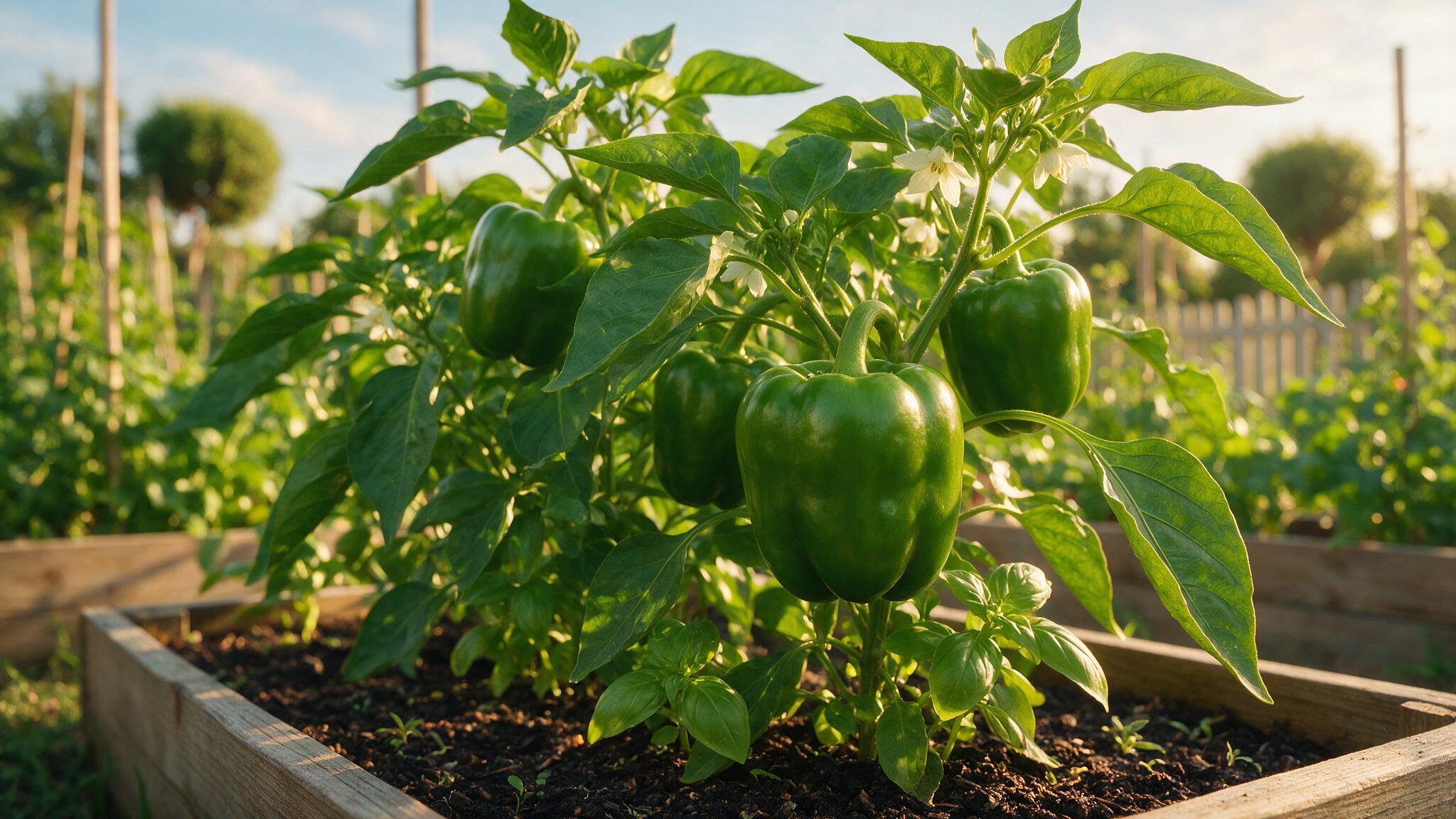
You planted your pepper seeds with high hopes, gave them water and sunshine, and waited. But now your plants are sitting there, barely budging, looking more like seedlings than the full, productive plants you imagined. If your pepper plants are not growing the way they should, you are far from alone — this is one of the most searched gardening problems in the United States, and there are real, fixable reasons behind it.
Slow or stunted growth is a common but fixable problem with pepper plants. The most general explanation is that your plant’s environment is not ideal for fast growth. The good news is that once you identify the root cause, most pepper plants can bounce back with a few targeted adjustments. This guide walks you through every possible reason your pepper plants have stalled — and exactly what to do about each one.
What Does It Mean When Your Pepper Plant Is Not Growing?
When a pepper plant stops growing or grows very slowly, it is entering a state that gardeners call stunting. Stunted growth looks different from slow growth. A stunted pepper plant grows at a fraction of its normal rate, produces small leaves, and often looks pale or off-color. Something fundamental is blocking the plant — not just slowing it.
It is a common story: pepper plants sprouted well and began life strong and vigorous, but sometime around when they started to flower, everything slowed down. The peppers seemed to lower their heads, maybe they lost flowers, maybe the leaves turned a tinge brown or yellow — but nothing else happened. No peppers, no more growth.
Stunting can happen at any stage — from seedling to mature plant. The first few tips in diagnosing the problem will pertain to younger plants, while later causes apply to more mature pepper plants. Understanding which stage your plant is in helps you narrow down the cause quickly.
Pro Tip: Before assuming the worst, check how long ago you transplanted your peppers. Once transplanted, peppers often take a week or two before you start seeing new growth — it takes time for them to settle in and grow more roots before they start growing new leaves.
Is Stunted Growth in Pepper Plants Always a Sign of a Problem?
Not always. Sometimes what looks like a problem is simply the plant doing what it needs to do underground. Once you transplant peppers, it can take two to three weeks before they start showing top growth, so patience is required. During this time, the plant is investing energy in root establishment rather than visible foliage growth.
There is also natural seasonal variation. Temperature can be a big problem when transplanting pepper seedlings in early spring. Transplant too early and the cool weather will stunt their growth; do it too late and the cool weather in fall will have the same effect. A brief plateau in growth during a cold snap or a heat wave is not necessarily a sign that something is permanently wrong.
That said, if your pepper plant has not shown any new leaf growth in more than three weeks under normal conditions, it is worth investigating further. The goal is to find out what caused the stunt so you can correct it. Once corrected, many plants will simply begin to grow again — though occasionally, if the stunt was too long, they may not recover.
Watering Issues Causing Pepper Plant Stunted Growth
Improper watering is one of the most common reasons pepper plants fail to grow. Both underwatering and overwatering can stress plants and lead to slow or stunted growth, especially during the seedling and transplant stages. The tricky part is that both problems can look similar on the surface.
Underwatered pepper plants quickly dry out, causing wilting, slowed growth, and poor root development. Young plants should never be water-stressed, as they need consistent moisture to establish healthy roots and foliage. On top of that, too little water can lead to your pepper plants’ growth being stunted. Not getting enough water also means that your pepper plants won’t get certain nutrients — too little water can lead to nutritional issues like calcium deficiency.
Overwatering can be just as damaging. When soil stays too wet, oxygen is pushed out of the root zone, preventing roots from absorbing nutrients efficiently. This often results in yellowing leaves, root rot, and overall poor plant development.
Pro Tip: Paying close attention to soil moisture — rather than watering on a strict schedule — will help keep your pepper plants growing steadily. Water deeply when the top inch of soil feels dry to the touch, and ensure proper drainage so excess water can escape and roots can breathe.
Give pepper plants about 2 inches of water per week and adjust for precipitation in your area. If you are not sure how much water they have been getting, stick your finger into the soil — ideally it should be moist and damp, but not sopping wet or dry. According to Ohio State University Extension , using a soaker hose or drip irrigation can help apply water directly to the soil and avoid unnecessary leaf wetness that promotes disease.
Light Conditions Behind Pepper Plant Stunted Growth
One of the more common issues that cause pepper plants to stop growing involves light. If the pepper plants are not getting enough sunlight, they might stop growing or will only grow a little bit. Peppers are sun-hungry plants that evolved in tropical climates, and they do not thrive in shade.
When it warms up enough outside, pepper plants should be planted outdoors in full sun with at least 6 to 8 hours of sunlight a day. Less than 6 hours of direct sunlight daily is a problem — peppers are heavy sun feeders and will not thrive without it.
For gardeners starting seeds indoors, light requirements are even more demanding. When using a grow light for indoor pepper plants, it is recommended to give the plants at least 14 hours of light per day. Doing this should alleviate any stunted growth issues. Place seedlings under grow lights for 14 to 16 hours per day, or in your brightest south-facing window.
If you are growing peppers in a spot that gets shaded by a fence, building, or neighboring plants as the season progresses, consider relocating container plants or choosing a sunnier bed next season. You can also use a plant identification app to check your specific variety’s light requirements, as some cultivars are slightly more shade-tolerant than others.
Soil, Nutrients, and Root Health Causing Pepper Plant Stunted Growth
The quality of your soil affects almost every aspect of pepper plant growth. Pepper plants will not grow quickly in compacted soil. They like soil that is porous and aerated. When soil is tight, roots cannot expand, so plants have limited access to water and nutrients. Heavy clay soils are not suitable for peppers without amendment. Add organic matter such as compost, worm castings, or perlite to improve soil structure.
Soil pH is equally important. While nutrients are what fuel healthy pepper plant growth, the pH of your soil is arguably just as important. Most peppers grow best in a soil pH between 5.8 and 6.8, or slightly acidic soil. If the pH is too low or too high, your pepper plants may not be able to access and use the nutrients from the soil, even if they are present. This is called “nutrient lockout” and can be detrimental to productivity and overall plant health.
Pepper plants are heavy feeders, and insufficient fertilization is a common cause of slow or stunted growth. Without access to essential nutrients, plants struggle to develop strong roots, healthy foliage, and productive flowers, ultimately limiting fruit yield and flavor.
| Nutrient | Role in Pepper Growth | Deficiency Signs |
|---|---|---|
| Nitrogen (N) | Fuels leafy growth and photosynthesis | Pale leaves, early flowering, slow growth |
| Phosphorus (P) | Root development, energy storage, fruit set | Weak roots, poor fruit production |
| Potassium (K) | Water and nutrient movement through plant tissue | Wilting, poor fruit quality |
| Calcium (Ca) | Strong cell walls in leaves and fruits | Blossom end rot, crinkled leaves |
| Magnesium (Mg) | Healthy green foliage, chlorophyll production | Inter-veinal yellowing, stunted growth |
Over-fertilizing, especially with nitrogen, can lead to excessive leafy growth and fewer fruits. On the other hand, under-fertilizing results in weak plants and poor yields. According to Grow Organic , conducting a soil test before planting helps identify nutrient deficiencies and pH imbalances so you can amend with lime, compost, or natural amendments as needed.
For container growers, root space matters just as much as nutrients. If a pepper plant’s container is too small, it can become root-bound and will stop growing. Peppers will only be able to achieve their maximum height in the right-sized containers. A pepper plant pot should hold not less than three gallons of soil; ideally, the container should be able to hold five gallons.
Explore the different types of plants you can grow in your garden to understand which companions might actually improve your soil health alongside peppers.
Environmental Stress Triggering Pepper Plant Stunted Growth
Temperature is one of the biggest environmental levers controlling pepper growth. Pepper plants originated in warm climates and grow best when daytime temperatures stay between 70–85°F (21–29°C). When temperatures fall outside this range — either too hot or too cold — pepper plant growth can slow significantly, leading to fewer flowers and reduced fruit production.
Excessive heat can stress plants, causing flower drop, slowed growth, and sunscald, especially when combined with intense direct sunlight. On the opposite end, cool temperatures — particularly overnight lows — can stunt growth and delay flowering. Young pepper plants are especially sensitive to temperature swings, as they need stable conditions to establish strong roots and healthy foliage.
Do not transplant pepper plants outdoors until temperatures reach a constant 60–70°F or higher, even at night. Slightly cool nighttime temperatures can stunt plants so they grow very slow or not at all, and frosts can kill your pepper plant very easily.
Transplant shock is another common environmental stressor. One environment-related cause of stunting is transplanting. If you started peppers in a greenhouse, they will need to be transplanted. Letting them grow too big for their pot will cause stunting. Rootbound plants are difficult to bring out of a stunt. Transplanting plants without hardening them off will also stunt them.
When seedlings are approximately six to eight weeks old, begin “hardening off” to adapt them to outdoor climates. Place the plants outdoors in the sun for a few hours each day, increasing hours gradually over a week or two. Bring plants indoors before sunset to avoid nighttime temperatures.
Pro Tip: Provide temporary shade during extreme heat, especially in the afternoon, to reduce plant stress and prevent sunscald. Use row covers, frost cloths, or move container plants indoors when temperatures drop below 55°F (13°C).
If you garden in a warm-weather state, understanding heat-tolerant and drought-tolerant plants can help you make smarter companion planting choices that buffer your peppers from extreme conditions.
Pests and Disease Leading to Pepper Plant Stunted Growth
Aphids, spider mites, thrips, and caterpillars are all known to cause issues for pepper plants. These pests do not just damage leaves — they drain the energy your plant needs to grow. One of the most common pepper pests that gardeners deal with are aphids. These are small, soft-bodied insects that like to stick to the underside of leaves and the stems of plants. Aphids are typically green or yellow in color, but some are red, pink, brown, or black. They like to suck out the sap from plants while secreting a sticky substance called honeydew that attracts ants and sooty mold.
Whiteflies are small, soft, winged insects that look similar to aphids. They are white in color and suck the sap from leaves, leaving a honeydew residue on the leaves that turns into sooty mold. Leaves wilt and start to become pale or yellow. Growth becomes stunted, and leaves shrivel and begin to drop off the plant.
Beyond insects, viral disease is a serious threat. Mosaic is a viral disease that affects quality and reduces yield in a wide variety of plants, including sweet and hot peppers. Once infection occurs, there are no cures for mosaic virus on pepper plants, which is spread by pests. The main signs of pepper plants with mosaic virus are stunted, pale green or leathery leaves, specks or ring spots, and a tell-tale mosaic appearance consisting of dark and light spots or streaks on the foliage. Other signs include curled or wrinkled leaves and stunted plant growth.
According to the UC Statewide IPM Program , reflective mulches may reduce or delay infections as they help repel insects from plants. Pull up plants showing symptoms, as they will be unproductive and may allow disease to spread to nearby healthy plants. Keep broadleaf weeds down, because they may serve as a reservoir of viruses and facilitate spread.
If you grow multiple plants together, check out our guide on companion plants for tomatoes — many of the same pest-deterring companions work well for peppers, too. You can also look up hot pepper varieties that have been bred for disease resistance if you are dealing with recurring viral problems.
How to Diagnose Why Your Pepper Plant Is Not Growing
Good diagnosis starts with a systematic look at your plant and its environment. Start with what is obvious and easy to eliminate. Work through the following checklist before reaching for any product or making a big change.
- Check soil moisture first. Prevent underwatering and overwatering by checking below the soil surface with your fingers. Poke a few inches down to check for moisture before you decide to water.
- Count the hours of sunlight. Observe your garden bed at different times of day to confirm your peppers are receiving at least 6 to 8 hours of direct sun.
- Check the temperature. Consistently cool temperatures — below 60°F — will slow pepper growth dramatically. Use a thermometer to track overnight lows.
- Inspect the leaves and stems. Look for clusters of small, soft-bodied insects on new growth and leaf undersides, plus a sticky residue on leaves below. Curled or distorted new leaves are another early indicator that aphids have been feeding for several days.
- Look for mosaic patterns. Mosaic virus is characterized by leaves that are mottled with yellow, white, and light or dark green spots and streaks. Other signs include curled or wrinkled leaves and stunted plant growth.
- Test your soil. Soil test kits are your best way to know if the pH balance and nutrients in your soil are causing your pepper plants to grow slowly. Before planting or mid-season, conduct a soil test to identify nutrient deficiencies and pH imbalances.
- Check the root zone. If growing in a container, tip the plant gently to see whether roots are circling the bottom — a sign of being rootbound.
A plant identification app can also help you cross-reference symptoms with known pepper problems. Check out the best Android apps for identifying plants or the best iPhone apps for identifying plants to find tools that can help you diagnose issues right in your garden.
How to Fix a Pepper Plant That Is Not Growing
Once you have identified the likely cause, here is how to act on it. Most fixes are straightforward and can show results within one to two weeks.
Fix watering problems. Peppers hate soggy feet and will quickly wilt and turn yellow if their roots are drowning in wet soil. Keep the soil moist, but let it dry out slightly between waterings. If you have been overwatering, allow the soil to dry out more between sessions and improve drainage by adding perlite or moving to a container with better drainage holes.
Improve light exposure. Move container plants to a sunnier location or trim back any overhanging foliage from nearby plants that is casting shade. For indoor seedlings, lower your grow light so it sits 2 to 4 inches above the canopy and extend the daily light cycle to at least 14 hours.
Correct soil and nutrient issues. If the soil is too acidic, you can raise the pH by amending it with calcium carbonate. If the pH is too high — making the soil basic — you can lower it by adding sulfur. Pepper plants should be fertilized every 4 to 6 weeks during the growing season. Over-fertilizing can lead to excessive vegetative growth and reduced fruit production, so be sure not to apply too much fertilizer.
Address temperature stress. Provide temporary shade during extreme heat, especially in the afternoon, to reduce plant stress and prevent sunscald. Use row covers, frost cloths, or move container plants indoors when temperatures drop below 55°F (13°C).
Treat pests promptly. Prune off parts of the plant with the most aphids and use neem oil to spray the leaves and any developing fruit. You can also knock these pests off of your plants with strong jets of water. For whiteflies, use a homemade remedy of 1 tablespoon liquid soap, two parts rubbing alcohol, and five parts water.
Handle mosaic virus decisively. There are no effective treatments for viruses. If you suspect mosaic virus, remove the pepper plants from the garden and burn them if possible. The fruits are still safe to eat, but the seeds can carry the virus, so do not save seeds from affected fruits.
Upsize rootbound plants. If your pepper plant has stopped growing in its current container, moving it to a larger container might help. Choose a pot that holds at least 5 gallons of soil and refresh the growing medium with quality potting mix.
Pro Tip: Improving soil quality before planting is far easier than fixing growth problems mid-season. If your current season’s plants are struggling, use this as a learning opportunity and prep your beds thoroughly before next spring.
How to Prevent Pepper Plant Stunted Growth Going Forward
Prevention is always easier than correction. Building the right habits from the start of each growing season will help your peppers grow strong from day one.
- Start seeds at the right time. Peppers have a long growing season, so it is best to start your pepper seeds indoors 8 to 10 weeks before your last frost date.
- Use proper seed-starting conditions. Sow seeds about an inch deep in seed-starting mix and keep them warm using a heat mat and grow lights. Once seedlings sprout, feed them with a diluted organic fertilizer like compost tea or fish emulsion to stimulate early plant growth. This helps your peppers develop strong roots before transplanting outdoors.
- Harden off every time. Harden off seedlings over 7 to 10 days before outdoor transplanting. Start with one hour outside and build up gradually.
- Choose the right planting location. Be sure peppers are planted in full sun (6 to 8 hours or more) and that you are not overwatering, as soggy roots are one of the most common reasons for stunted and unhealthy, slow-growing pepper plants.
- Space plants correctly. According to Ohio State University Extension , plants should generally be spaced 18 to 24 inches apart in the garden. Follow recommendations on seed packets or plant tags. Proper placement allows room for growth and adequate airflow to reduce disease pressure.
- Use mulch wisely. Peppers require a lot of water, so using mulch can help maintain soil moisture. However, do not mulch until soils have warmed up. Mulching too early can keep soils cold, which can damage transplant roots.
- Control aphids proactively. Treating aphids early in the season can slow the spread of disease. Avoid chemical pesticides whenever possible. Insecticidal soap spray or neem oil is effective and much safer for plants and the environment.
- Practice crop rotation. Buy certified disease-free seed, avoid working with plants when wet, and rotate crops annually. Rotating peppers to a different bed each year reduces the buildup of soil-borne pathogens.
- Feed on a consistent schedule. Fertilization should begin at planting, whether you are sowing seeds or transplanting seedlings, and continue periodically throughout the growing season. Not all fertilizers serve the same purpose — some support root development and soil health, while others promote flowering, fruiting, or overall plant vigor. Choosing the right fertilizer and applying it at the right stage of growth makes a significant difference in how well your pepper plants perform.
If you enjoy growing peppers, you might also love exploring what a Scotch bonnet pepper is and how to grow it, or pairing your harvest with recipes like what to serve with stuffed peppers for a full garden-to-table experience.
FAQ
Why are my pepper plants not growing after transplanting?
This is very common and usually not a cause for alarm. Once transplanted, peppers often take a week or two before you start seeing new growth. It takes time for them to settle in and grow more roots before they start growing new leaves. Make sure soil temperatures are warm, water consistently, and avoid fertilizing heavily right after transplanting.
How much sunlight do pepper plants need to grow properly?
Keep the light source near seedlings and keep the light on them for at least 12 to 16 hours a day indoors. Eventually, when it warms up enough outside, pepper plants should be planted outdoors in full sun with at least 6 to 8 hours of sunlight a day.
Can overwatering stunt pepper plant growth?
Yes. Overwatering can be just as damaging as underwatering. When soil stays too wet, oxygen is pushed out of the root zone, preventing roots from absorbing nutrients efficiently. Always check the soil before watering rather than following a rigid schedule.
What is the best soil pH for growing peppers?
A soil pH of 5.8 to 6.8 is best for peppers because it ensures the plants can absorb nutrients. Use a soil test kit to check your garden bed before planting and amend as needed with lime (to raise pH) or sulfur (to lower it).
What fertilizer should I use for pepper plants that are not growing?
Fertilizers formulated for tomatoes and vegetable gardens are appropriate for peppers, such as 12-10-5 or 10-10-10. As pepper plants transition from vegetative growth to flowering and fruiting, their nutrient requirements shift — reduce nitrogen levels and increase phosphorus and potassium to encourage fruit production.
Do pepper plants stop growing in hot weather?
When temperatures fall outside the ideal range, pepper plant growth can slow significantly, leading to fewer flowers and reduced fruit production. Excessive heat can stress plants, causing flower drop, slowed growth, and sunscald, especially when combined with intense direct sunlight. Providing afternoon shade during heat waves can help.
How do I know if my pepper plant has mosaic virus?
Patchy yellow-green mottling, curled or wrinkled leaves, and stunted or misshapen fruit are telltale signs. Unfortunately, there is no cure — infected plants should be removed and destroyed to prevent spread to healthy plants nearby.
Can a rootbound pepper plant recover?
Yes, in most cases. If your pepper plant has stopped growing in its current container, moving it to a larger container might help. Gently loosen any circling roots when you repot and refresh the growing medium for the best results.