Why Are My Orchid Flowers Falling Off? What’s Normal and What’s Not

September 25, 2026
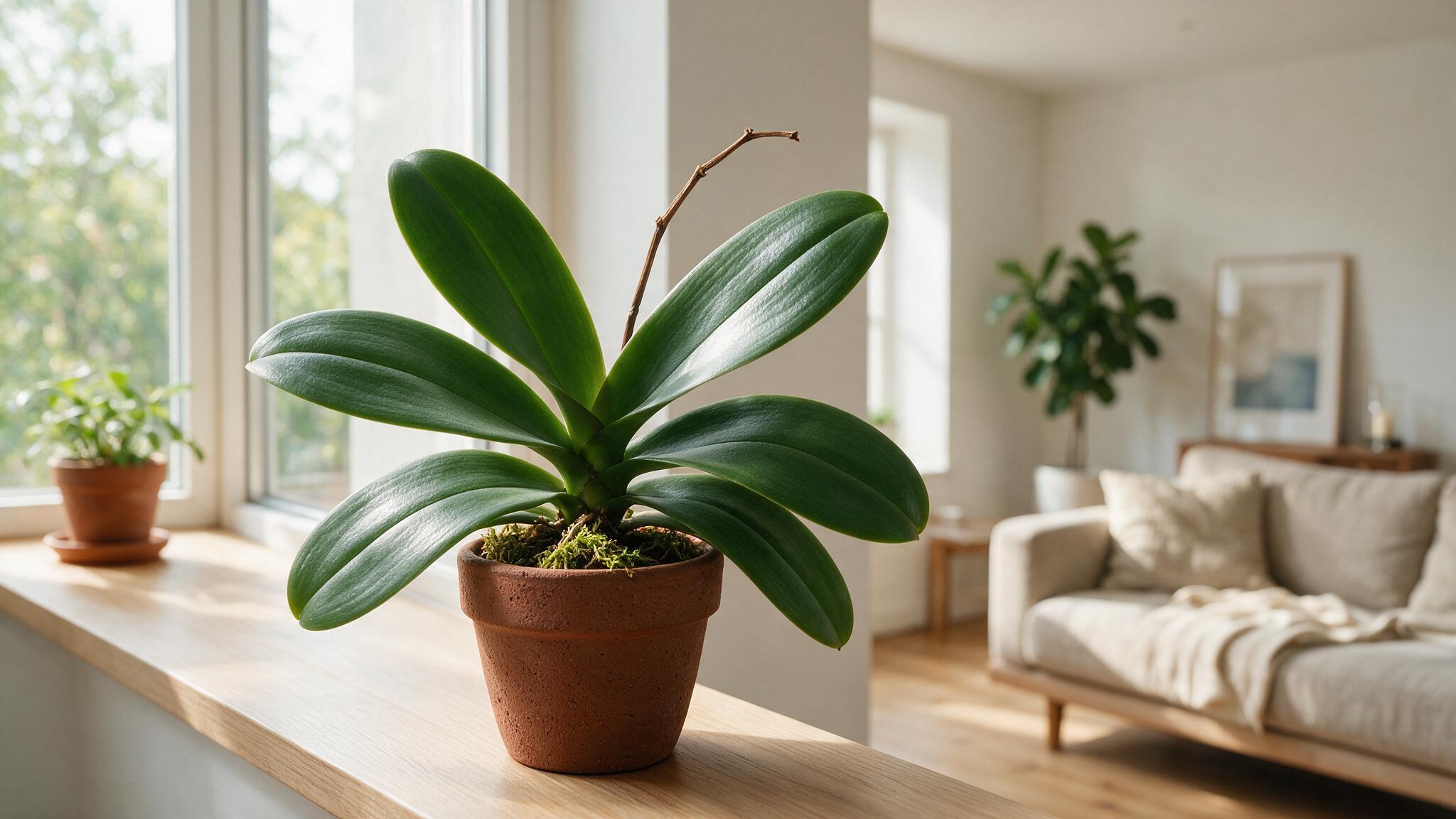
You were so proud of those blooms. Then one morning you walk past your orchid and notice a flower on the windowsill — then another on the potting bark — and suddenly the spike that looked so full a week ago is almost bare. It’s a disheartening moment, but before you panic, take a breath. There are really only two things happening here: your orchid is either finishing its natural bloom cycle on its own schedule, or something in its environment pushed it over the edge early. Knowing which one you’re dealing with changes everything.
This guide walks you through exactly what’s going on with your orchid right now, how to tell normal from worrying, what triggers flower drop, and — most importantly — how to set your plant up for a full, healthy bloom next time around.
What’s Actually Happening to Your Orchid Right Now
When orchid flowers fall, the plant is doing one of two very different things. Most commonly, flower drop marks the end of a natural blooming cycle, after which your orchid enters a resting phase to gather energy. This is completely normal and nothing you did caused it.
There is also a separate and more urgent situation called bud blast. If your orchid is prematurely dropping its buds before they bloom, or the flower buds begin to soften or become dry and brittle, you’re dealing with bud blast. Similar softening or drying can also occur to open orchid blooms, causing them to drop prematurely — when open blooms are affected, the condition is called bloom blast.
Bloom and bud blast are generally caused by a sudden change in the orchid’s environment that traumatizes the plant’s systems. Dropping its buds or flowers signals the orchid’s reaction to environmental shock and is the plant’s way of protecting itself. By shedding its buds, the orchid can divert more energy to maintain its vital systems.
Understanding which of these two situations you’re in is the first step. The sections below help you figure that out quickly.
Is This Normal, or a Sign Something’s Wrong?
The honest answer is: it depends on the timing and what the rest of the plant looks like. Orchids do drop their flowers once their flowering season is over and they enter dormancy. If your plant is otherwise healthy and has had a normal flowering season, you have nothing to worry about. However, orchids also drop flowers when they are stressed, and in many cases flowers dropping is the first sign that your orchid may not survive in its current environment.
Here’s a quick way to read what your plant is telling you:
- Normal dormancy: Flowers drop after a full bloom cycle of several weeks or months. The leaves stay firm and green. The spike may yellow gradually. The plant otherwise looks healthy.
- Bud blast (problem): Buds on your orchid turn yellow, shrivel, and fall off before they ever open — sometimes within days of forming.
- Premature bloom drop (problem): Open flowers collapse or fall off well before the expected end of the bloom cycle, often suddenly.
Orchid blooms typically last 6–12 weeks, though this varies by species and growing conditions. Phalaenopsis blossoms can remain for 2–3 months under good care. If your flowers are dropping in the first few weeks, something environmental is almost certainly the cause.
It also matters which variety you grow. Orchids may naturally shed flowers as part of their growth cycle — this is particularly true for Dendrobium and Cattleya orchids, which have a more seasonal blooming pattern. If you have one of these varieties and it’s the right time of year, early flower drop may simply be their nature.
Pro Tip: Check your orchid’s leaves before drawing conclusions. Firm, grassy-green leaves alongside flower drop usually mean dormancy. Wrinkled, yellowed, or mushy leaves alongside flower drop almost always point to a care problem that needs fixing now.
The Real Trigger Behind Orchid Flower Drop
If you’ve ruled out natural dormancy, one of several environmental stressors is almost certainly responsible. Orchids evolved in stable tropical conditions, so they are particularly sensitive to changes in the household environment. Most problems fall into three main categories: environmental stress, water issues, and general care problems.
Temperature Swings
Temperature extremes or rapid temperature changes are often a culprit in bud blast. If a budding orchid receives drafts from a window, an air conditioning or heating vent, or even a rush of air from a hot oven, it may drop buds. This is the single most common cause of sudden flower drop in American homes, where central air and heating systems cycle on and off throughout the day.
Temperature drops below 60°F damage cells in flowers and buds and cause rapid wilting, while hot air above 85°F dehydrates blooms and shortens their lifespan. Orchids generally prefer temperatures between 65°F and 80°F (18°C to 27°C).
Watering Problems
Watering issues are one of the most common causes of orchid flower drop. Both overwatering and underwatering can have detrimental effects: when an orchid is overwatered, its roots may become waterlogged and begin to rot. Root rot prevents the plant from absorbing nutrients and water, leading to stress and flower loss.
Underwatering can lead to wrinkled, limp leaves, resulting in orchid buds drying up and falling off as the plant conserves moisture. Always water with room-temperature water — ice-cold or hot water can shock sensitive orchid roots. A good rule of thumb: allow the potting medium to dry slightly between waterings.
Low Humidity
Orchids are native to tropical environments where humidity levels are high. In a typical indoor setting, especially during winter when heating systems are in use, humidity levels can drop significantly, leading to flower loss. Low humidity can cause buds to dry out before they open — a phenomenon known as bud blast — or cause open flowers to wither and fall off prematurely.
Most orchids thrive in humid environments, ideally between 40% and 70% humidity. If you’re running the heat or AC heavily, your home’s humidity may be well below that range without you realizing it.
Light Problems
Too much direct sunlight or insufficient light can stress the plant, leading to bud blast or flower drop. A drastic decrease in light — for example, if your plant was just purchased and was growing in a greenhouse and then moved to a dim location in your home — can also cause bud blast. On the other hand, too much light can also cause it, particularly too much direct sun shining on developing flower buds, which can cause them to overheat and dry out.
Most orchids do best near an east-facing window with bright, indirect light. If you’re unsure whether your home has enough light for your orchid, a plant identification app can sometimes help you identify your variety and look up its specific light needs.
Ethylene Gas and Air Quality
This one surprises a lot of people. The ethylene gas emitted by ripening fruit — including oranges, apples, and bananas — can cause bud blast in orchids displayed in the same area. If you keep a fruit bowl on your kitchen counter or table, do not keep your orchid nearby.
Orchid buds are also sensitive to fumes from paint and natural gas leaks. Once pollinated, flowers generate methane gas, causing them to collapse and saving energy for seed production. Methane or ethylene gas from other sources may also trigger bud or flower collapse — including gas leaks, inefficient burning of gas stoves or heaters, engine exhaust, cigarette smoke, and smog.
Other Factors That Can Speed It Up or Make It Worse
Even when the primary trigger is something manageable like temperature or humidity, several secondary factors can accelerate flower drop or make it harder for your orchid to recover.
Pest Infestations
Aphids and thrips can cause bud blast. These insects feed on flowers and flower buds, sucking the plant juices. The buds of infested plants fail to develop properly, dropping from the plant or opening to damaged and disfigured flowers. Inspect the undersides of leaves and along the flower spike regularly. Minor infestations can usually be washed off or treated with insecticidal soap.
Repotting at the Wrong Time
Orchids typically need to be repotted every one to two years as the potting medium breaks down and becomes less effective at providing aeration and drainage. However, repotting can be stressful for orchids, particularly if done during the blooming phase, leading to flower drop. If your orchid is currently in bloom or has buds forming, hold off on repotting until after the flowers have finished and fallen naturally.
Moving the Plant
Orchids do not enjoy being moved. Relocating your orchid from one room to another — even if you’re improving its surroundings — can cause the orchid to react negatively. If you need to move your orchid to a new position, do so after it blooms to prevent stress.
Over-Fertilizing
Fertilizer, fungicide, or pesticide applied at dosages above a plant’s tolerance or in a manner inconsistent with the manufacturer’s instructions may damage buds, causing them to drop. Fertilizer imbalances or excessive fertilization are additional contributors, as orchids are sensitive to nutrient levels. When in doubt, use less than the label recommends and fertilize only when the plant is actively growing.
Poor Air Circulation
Good air circulation is essential for orchid health. Stagnant air can create an environment conducive to fungal and bacterial infections, which can cause flowers to drop prematurely. Poor air circulation can also lead to overheating and humidity imbalances, further stressing the plant. A small fan nearby — not blowing directly at the plant — helps significantly.
Pro Tip: If multiple stressors are present at once — say, low humidity plus a nearby heating vent plus a fruit bowl on the counter — the combined effect hits your orchid much harder than any single factor would alone. Address all of them together, not just the most obvious one.
Can You Reverse It?
Here’s the honest answer you deserve: it depends on exactly what has already happened, and in many cases, the answer is no — at least not for the current bloom cycle.
If flowers have already fallen from an open bloom, they are gone for this cycle. There is no saving a leaf or flower once it has burned — and the same is true for blooms that have already detached. You cannot reattach a fallen flower or force a dropped bud to reopen. Accepting this is part of orchid ownership.
If buds are dropping but a few remain on the spike, you may be able to stop the cascade. Bud blast in orchids occurs when abrupt changes in the environment are too harsh for the orchid to adjust to, so the orchid withdraws the blossom growth to preserve energy. These changes can be in temperature, lighting, humidity, watering, surroundings, or even insects. To salvage the rest of the buds from blasting, you need to identify what the cause is and treat it soon.
Act on the most likely cause immediately:
- Move the plant away from any vents, drafts, or windows that let in cold air at night.
- Move it away from any fruit bowl or gas appliance.
- Check the potting medium — water if it’s bone dry, and check for root rot if it’s been sitting wet.
- Increase ambient humidity with a tray of water and pebbles beneath the pot or a small humidifier nearby.
- Inspect closely for aphids or thrips along the spike and bud joints.
Orchids are resilient and can bounce back from environmental disruption. Next time, those buds will follow through with flowers. If the plant is otherwise healthy — good root color, firm leaves, no rot — it will bloom again. It just won’t be this cycle.
After the last flower drops naturally, the stem may turn brown or yellow. You can trim it at the base to help the plant redirect energy to roots and leaves. Your orchid will need less water during this time. Focus on keeping the roots healthy until new growth appears.
For Phalaenopsis specifically, if your plant has lost its buds, simply cut it back to a fresh node or notch along the stem, and a new flower spike may begin to grow. This is one of the more forgiving aspects of the most popular orchid variety sold in the United States. You can find more houseplant care strategies for common indoor plants if you want to optimize the rest of your indoor garden at the same time.
How to Prevent It Next Season
The good news is that most causes of premature flower drop are entirely preventable once you know what to look for. The goal is to create a stable, consistent environment that mimics the tropical conditions orchids evolved in — and then leave the plant alone as much as possible.
Lock In a Stable Location
Choose your orchid’s spot before it starts budding and commit to it. Keep your orchid in a location where temperature and humidity levels remain consistent. An east-facing window is ideal for most varieties in American homes — bright morning light without the scorching afternoon sun that west- and south-facing windows deliver in summer. Keep the plant at least a foot from the glass in winter to avoid cold drafts.
Maintain a consistent temperature range between 65°F to 75°F (18°C to 24°C) during the day and slightly cooler temperatures at night. That gentle nighttime dip actually encourages reblooming — it signals the plant that a new season is coming.
Water Correctly and Consistently
The watering rule that works for most American home growers: use your finger to check the top inch of the potting media. Water when it feels almost dry but not bone dry. Water thoroughly until it runs through the pot, but ensure the pot drains well.
Orchids require a well-draining mix, such as bark or sphagnum moss, to prevent water retention around roots, which can lead to rot. Never leave your orchid sitting in a saucer of standing water. Healthy orchid roots are firm and green. If you notice roots turning brown or mushy, it may indicate overwatering — in this case, repot the orchid in fresh medium and reduce watering.
Boost Humidity Without Overdoing It
Ensuring adequate humidity by using a humidifier or placing the orchid on a tray filled with water and pebbles can help promote healthy growth. You don’t need a greenhouse-level setup — even raising the humidity in the immediate vicinity of the plant makes a measurable difference, especially during dry winters when your heating system is running constantly.
Misting the leaves lightly in the morning (not at night, which can encourage fungal issues) is another simple option many US growers use successfully. Just avoid misting directly into open blooms or developing buds.
Keep It Away From Ethylene Sources
This is a prevention step that costs nothing and is easy to overlook. Keep your orchid out of the kitchen if you regularly ripen fruit on the counter. Leaks from heaters, drafts from windows, cigarette smoke, and ethylene gas emitted from fruit will also contribute to bud blast. If you burn candles, use a gas stove, or have a wood-burning fireplace nearby, position your orchid in a different room during peak use.
Fertilize Gently and Strategically
To encourage reblooming, provide bright indirect light, a temperature drop at night, and regular feeding with a balanced orchid fertilizer. After flowering, stop fertilizing until new leaves begin to grow again. A balanced, water-soluble orchid fertilizer applied at half strength every two to three weeks during active growth is a reliable approach for most varieties sold in the US. Explore other flowering houseplants that respond well to similar fertilization routines if you want to expand your collection.
Repot at the Right Time
Repot your orchid every 2–3 years to prevent root-bound conditions, which can lead to a range of problems including bud blast, by using a well-draining potting mix and a pot that is slightly larger than the previous one. Always repot after blooming is completely finished — never while buds are forming or flowers are open. This single timing rule prevents a huge percentage of stress-related flower drop.
Pro Tip: Mark your calendar for 6–8 weeks after your orchid’s last flower drops. That’s the window to repot if needed, adjust the potting mix, and begin the gentle nighttime temperature drop routine that encourages a new bloom spike. Orchids thrive on routine — the more consistent you are, the more reliably they flower.
FAQ
Why Did My Orchid Drop All Its Flowers Overnight?
Sudden, rapid flower drop almost always points to an acute environmental shock — a cold draft, a sudden temperature change from an open window or AC vent, or exposure to ethylene gas from nearby fruit or a gas appliance. Buds may blast when exposed to temperature fluctuations that occur when taking a plant in from the car or outside during hot or cold weather, bringing plants back into a heated house after a summer outdoors, or temperature extremes caused by running heating or air conditioning for only part of the day. Trace back what changed in the 24–48 hours before the drop and you’ll likely find your answer.
Can I Still Save My Orchid After Bud Blast?
Yes — the plant itself is almost certainly fine even when the buds are not. Bud blast is often correctable. By adjusting the orchid’s environment, you can encourage healthy blooms for months — and even years — to come. Fix the environmental issue, let the plant rest, and it will produce a new spike in its next growing season.
Should I Cut the Spike After Flowers Fall?
For most orchids, yes — trimming the spike after blooming redirects energy to root and leaf growth. For Phalaenopsis specifically, you have options: cut to the base for a full rest, or cut to a healthy node lower on the spike, which may produce a secondary bloom spike. If the spike is yellow or brown all the way down, cut it at the base. If it’s still green, try cutting to a node first and see what happens. You can learn more about different plant types and their post-bloom care needs to apply the right approach for your specific variety.
How Long Until My Orchid Blooms Again?
Remember that each orchid has its own seasonal cycle. Some flower only once a year, while others flower several times during a year. For Phalaenopsis — the most common orchid sold in US grocery stores and garden centers — expect a new spike roughly 6–12 months after the previous bloom cycle ends, provided the plant gets the right care and a gentle nighttime temperature drop to trigger reblooming.
Is It Normal for Orchid Leaves to Yellow When Flowers Drop?
Yellowing leaves can result from natural aging, overwatering, underwatering, or insufficient light. Overwatering often leads to root rot, causing leaves to yellow. If only the lowest, oldest leaf is yellowing while the rest of the plant looks healthy, that’s normal aging. If multiple leaves are yellowing at the same time as flower drop, check your watering habits and root health immediately. You might also find it helpful to explore other low-maintenance houseplants to diversify your indoor garden while your orchid rests.
Can Pests Cause My Orchid Flowers to Fall?
Absolutely. Thrips and aphids can cause orchid buds to die before blooming — buds are naturally succulent and tender, making them attractive targets for feeding insects. Look for tiny moving specks, sticky residue, or deformed buds. Treat with insecticidal soap or a cotton swab dipped in 70% isopropyl alcohol for small infestations, and isolate the plant from the rest of your collection while treating. For broader plant health questions, plant identification apps can help you pinpoint pest types and find targeted treatments.