Why Are My Prayer Plant Leaves Curling? Causes, Fixes, and Prevention

October 1, 2026
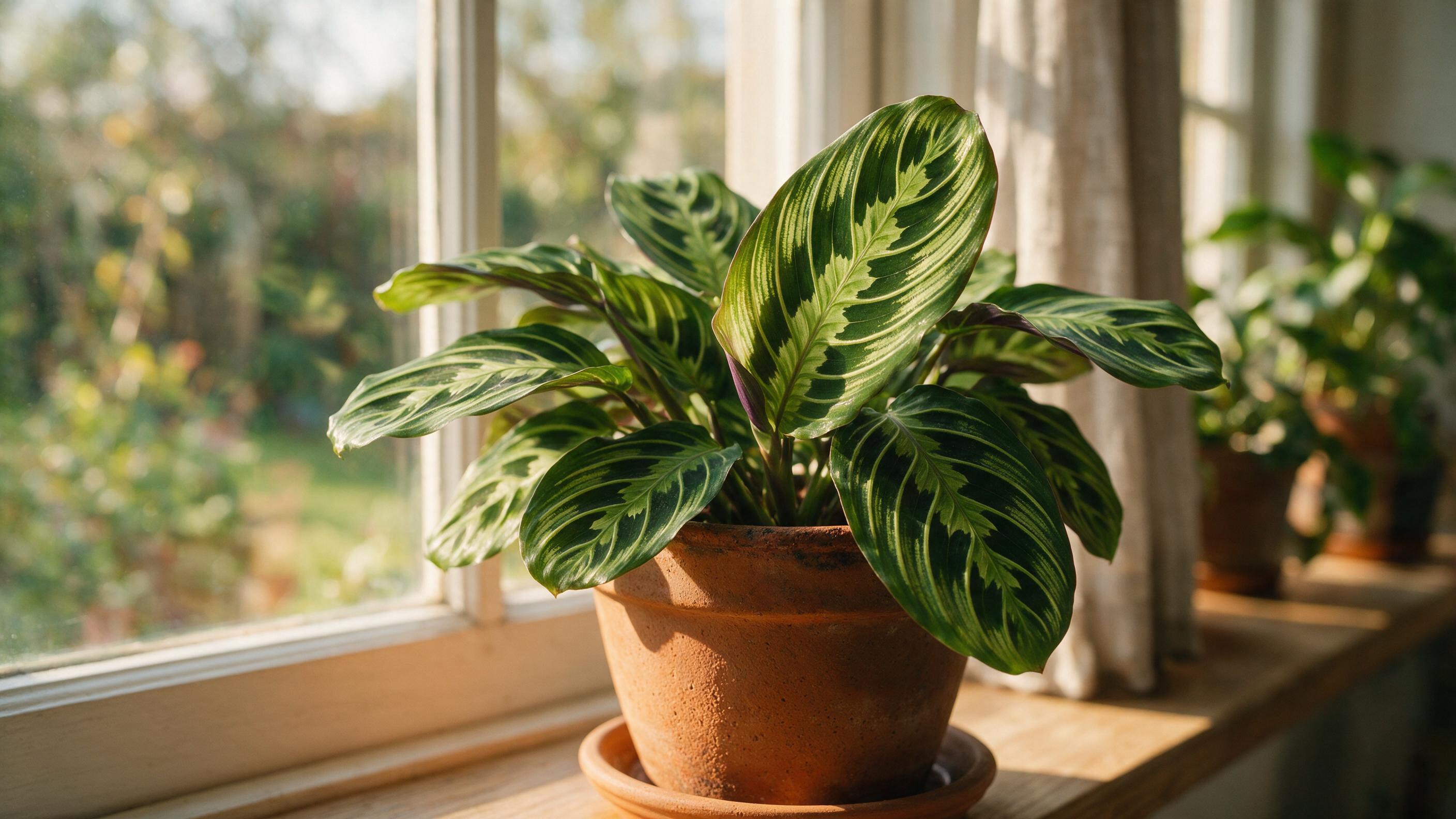
You glance over at your prayer plant and something looks off — the leaves that usually lie flat and show off those gorgeous painted patterns are now rolled inward, curling at the edges, or folding in ways they shouldn’t be during the day. It’s one of the most common concerns among houseplant owners in the US, and the good news is that curling leaves are almost always fixable once you know what’s behind them.
The prayer plant (Maranta leuconeura) is a tropical perennial native to the rainforests of Central and South America , and it communicates stress through its foliage more clearly than most houseplants. Learning to read those signals — and respond quickly — is the key to keeping it healthy. This guide walks you through every possible reason your prayer plant leaves are curling and exactly what to do about each one.
What Does It Mean When Your Prayer Plant Leaves Are Curling?
Leaf curling in a prayer plant is a stress signal. Leaf curling in prayer plants is a common issue that signals environmental or cultural stress — the leaves naturally fold up at night, but persistent curling during the day indicates underlying problems. Think of it as your plant’s way of waving a flag and asking for a care adjustment.
The curling itself is a protective mechanism. These plants have leaves that naturally lie flat during the day and fold upward at night, resembling praying hands. When those leaves start curling and showing signs of distress during daytime hours, it’s often indicative of underlying issues.
The direction and pattern of the curl can offer clues. Leaves curling inward along the edges often point to low humidity or underwatering, while downward curling can suggest overwatering or root stress. Curling that starts at the tips and moves inward, combined with browning, often signals water quality or fertilizer problems. Pay attention to where the curl begins and whether other symptoms — like discoloration or soft stems — accompany it.
Pro Tip: Check your prayer plant during the day, not at night. Evening leaf-folding is completely normal behavior called nyctinasty — it’s only daytime curling that warrants investigation.
Is Curling in Prayer Plants Always a Sign of a Problem?
Not always. All plants in the Marantaceae family will “pray” and their leaves fold up at night time, then relax back down during the day. This is not to be confused with being a problem. This response to light is called photonastic movement. If your plant’s leaves are simply folding upward in the evening and returning to a flat position by morning, that’s healthy behavior — not a distress signal.
New growth is another exception. New growth emerges tightly curled and unfurls over 3–7 days. Do not intervene — this is natural development. Forcing leaves open damages tissue. If you see a tightly coiled new leaf slowly opening up over the course of a week, that’s the plant doing exactly what it should.
The situations that do warrant action are when mature, previously flat leaves begin curling during daylight hours, when the curling is accompanied by browning or yellowing, or when the curl doesn’t resolve after you’ve made a care adjustment. That kind of persistent daytime curling on established leaves is the signal to start diagnosing.
Watering Issues Causing Prayer Plant Leaf Curling
Watering problems — both too much and too little — are the leading cause of curling leaves in prayer plants. Improper watering is the leading cause of leaf curl in prayer plants. These tropical natives prefer evenly moist soil but cannot tolerate soggy conditions.
Underwatering
Underwatering is the most common cause encountered with curled plant leaves, as prayer plants thrive on consistently moist soil. When the soil dries out too much between waterings, prayer plant leaves will begin to curl as a sign of distress. This curling may be accompanied by drooping leaves that feel soft and limp to the touch.
To fix underwatering, if you’ve accidentally let your prayer plant’s soil dry out completely, a thorough soak is in order. Place your plant in your sink or tub without the saucer. Fill the basin up with about 3–4 inches of water — make sure the water isn’t hot — and allow your plant to soak up water through the drainage hole in the bottom of the pot for at least 45 minutes.
Overwatering
While underwatering can cause curling leaves, overwatering can be just as harmful. If the roots sit in soggy soil for too long, they can start to rot, making it difficult for the plant to absorb nutrients and water properly. The tricky part is that root rot causes the same curling and wilting symptoms as underwatering, because damaged roots can’t move water to the leaves regardless of how wet the soil is.
Never allow your plant to sit in water for extended periods of time. Always discard excess water that collects either in your plant’s saucer or inside your cachepot or decorative pot. If you suspect root rot, repotting is essential. Gently remove the plant from its pot, trim off any damaged roots, and replant it in fresh, well-draining soil in a pot with proper drainage holes.
Water Quality
Even with the right watering frequency, the type of water you use matters. If curling continues after you’ve regulated a watering schedule, another common reason your prayer plant’s leaves are curling could be due to your tap water. Tap water contains salts, chlorine, minerals, and fluoride — all of which can build up in the soil of your plant, causing the tips of the leaves to burn, turn brown, and curl up.
Rainwater is best for prayer plants, but you can also use filtered water, RO water, or even distilled water. If switching water sources isn’t possible right away, one option is to use a water filtration system. If you do not have a filtration system available, leaving your water in an open container or sink overnight before using can help relieve some of the chlorine.
Pro Tip: Always use room-temperature water on your prayer plant. Cold water can shock the roots. Fill your watering can the night before and let it sit out — this also allows chlorine to dissipate.
Light Conditions Behind Prayer Plant Leaf Curling
Prayer plants need bright, indirect light. Direct sun scorches leaves, while too little light reduces photosynthesis and causes weak growth. Both extremes can lead to curling, though they look a little different.
Too much direct sun causes leaves to curl upward and inward as a defense mechanism. Too much direct sunlight can cause curling leaves, especially since it will accelerate the rate at which your soil dries out. A couple hours of morning sun or late afternoon sun is safe enough indoors, especially in the winter months.
Too little light, on the other hand, causes the plant to stretch and weaken. When the plant isn’t getting enough light, the darker patterns will fade, still being visible but lacking the contrast that makes them so appealing. Leaves may also curl or droop as the plant struggles to photosynthesize effectively.
For placement, it’s best to place prayer plants near a north or east-facing window, or a few feet away from a south or west-facing window with filtered light. If your home doesn’t have a good natural light spot, full-spectrum LED grow lights running for 10–12 hours daily can serve as a solid substitute. You can find helpful guidance on choosing the right spot by browsing this list of best houseplants for low-light areas to understand how prayer plants compare to other low-light options.
Soil, Nutrients, and Root Health Causing Prayer Plant Leaf Curling
What’s happening below the soil surface has a direct impact on what you see above it. Soil quality, nutrient balance, and root health all influence whether your prayer plant’s leaves stay flat and healthy or start to curl.
Poor Soil Mix
The quality of the soil you use can have a significant impact on your prayer plant’s health. Poor soil quality can lead to nutrient deficiencies and improper moisture retention. If the soil is compacted, drains poorly, or lacks nutrients, your plant might suffer from curling leaves and slow growth.
The prayer plant thrives in well-draining, peat-based potting acidic soil that retains moisture without becoming waterlogged. A mix that includes peat moss, perlite, or sand can help maintain the ideal balance of moisture and aeration for your plant’s roots.
Nutrient Deficiencies and Over-Fertilization
Nutrient deficiencies can send your prayer plant’s leaves into a curling crisis. Yellowing leaves often signal nitrogen starvation, while crispy, curled edges might be indicating a need for potassium. During the growing season (spring through summer), fertilize the plant every four to six weeks with a balanced, water-soluble houseplant fertilizer. This helps ensure the plant receives essential nutrients to avoid soil quality issues or nutrient deficiencies.
Over-fertilization is equally problematic. Overdoing fertilizer can lead to a buildup of salts in the soil, effectively locking away essential nutrients. If you’ve been heavy-handed with the feed, flush the soil to clear the nutrient overload.
Root-Bound Plants
Root-bound plants may have leaves that curl and show stunted growth due to a lack of space for roots. Conversely, an oversized pot can lead to waterlogged soil and root rot. Check for roots poking out of drainage holes or circling the bottom of the pot — those are signs it’s time to repot. Repot your plant every 1–2 years or when you see roots growing out of the drainage holes. Choose a pot that’s one to two inches larger in diameter than the current one. Ensure the new pot has adequate drainage holes.
Pro Tip: Monitoring the pH of the soil is important, as it influences nutrient availability to the plant. An improper soil pH can hinder nutrient uptake, leading to deficiencies and curled leaves. Prayer plants prefer a slightly acidic pH of around 5.5–6.5.
Environmental Stress Triggering Prayer Plant Leaf Curling
Prayer plants are sensitive to their surroundings, and the typical American home — with its central air conditioning, forced-air heating, and dry winters — can create conditions that stress tropical plants quickly.
Low Humidity
Prayer plants originate from tropical regions of South America, meaning they require high humidity levels to mimic their natural habitat, ideally ranging between 50–60%. If the air in your home is too dry, especially during winter when indoor heating reduces humidity, the plant will struggle to retain moisture. As a result, its leaves may start curling, becoming dry or crispy at the edges.
To raise humidity, you have several options. A humidifier is one of the most reliable ways to maintain consistent humidity levels — set it to keep the humidity above 50–60%. A cost-effective method is to place a tray filled with water and pebbles underneath the plant’s pot. As the water evaporates, it creates a humid microclimate around the plant. Ensure the pot sits on the pebbles and not directly in the water. Grouping your prayer plant with other houseplants also helps, since plants naturally release moisture through transpiration.
Temperature Extremes and Drafts
Prayer plants prefer stable temperatures between 65°F and 80°F (18–27°C). Sudden drops or exposure to cold drafts trigger leaf curling. In US homes, the biggest culprits are air conditioning vents, heating registers, and drafty windows — all of which can expose your plant to temperature swings it can’t handle.
Make sure your plant is not in a drafty area or in the path of heating and cooling vents. Leaves will curl if the plant is cold, or excessively dry from constant warm airflow. A bathroom or kitchen with good indirect light can be an ideal spot — since the plant thrives in high humidity, placing it in a bathroom or kitchen can be beneficial, especially if these areas have adequate light.
Pests and Disease Leading to Prayer Plant Leaf Curling
Pest infestations pose a significant threat to prayer plants, with common pests such as spider mites, mealybugs, fungus gnats, and whiteflies targeting these plants. These tiny invaders are easy to overlook until damage is already visible.
Common Pests
Spider mites, thrips, and mealybugs are common pests that feed on prayer plant sap, causing curling, stippling, and webbing. Spider mites are the most frequent offender. You can spot the signs of a spider mite infestation by looking for white dots on the leaves, fine webs, and discoloration on the undersides of the leaves.
Mealybugs, identifiable by their white, waxy appearance, tend to cluster on the undersides of leaves, leading to leaf curling as they feed. Fungus gnats, small flying insects, lay eggs in moist soil, potentially causing damage to roots and subsequent leaf curling.
To treat a pest infestation: isolate the affected plant immediately to prevent spread. Wipe down the leaves with a damp cloth to physically remove pests, then use insecticidal soap or neem oil to treat the plant, following the product instructions carefully. For spider mites specifically, increasing humidity levels can help deter them since they thrive in dry conditions.
Fungal Disease
Fungal infections are a common issue for prayer plants, often appearing as spots or patches on the leaves. These fungi thrive in warm, humid conditions, which is coincidentally where prayer plants feel most at home. Good air circulation around your plant — without cold drafts — helps reduce fungal risk while maintaining the humidity the plant needs.
If you notice spots, wilting, or curling alongside mushy stems or a foul soil odor, root rot caused by a fungal infection may be the culprit. Remove the plant from its pot, trim any blackened or mushy roots with sterilized scissors, and repot into fresh, dry, well-draining soil.
How to Diagnose Why Your Prayer Plant Is Curling
Rather than guessing, use a systematic approach to narrow down the cause. Work through these checks in order, since watering and environment account for the vast majority of cases.
- Check the soil moisture. Stick your finger 2 inches into the soil. Bone dry = underwatering. Soggy and compacted = overwatering or poor drainage.
- Lift the pot. A very light pot signals dry soil. A very heavy pot that stays heavy for days suggests waterlogging.
- Examine the curl direction and timing. Daytime inward curling = stress. Evening upward fold = normal nyctinasty. Curling with crispy brown tips = low humidity or water quality issues.
- Assess the light. Is the plant in direct sun for more than 2 hours per day? Or is it more than 6 feet from any window with no grow light supplement?
- Check humidity and temperature. Is the plant near a vent, AC unit, or drafty window? US homes in summer often run AC that drops indoor humidity significantly.
- Inspect for pests. Common pests like spider mites, aphids, and mealybugs weaken your plant by feeding on its sap. Look for tiny webs, sticky residue, or white cotton-like spots.
- Review your fertilizer history. Have you fertilized recently or skipped fertilizing for many months? Both extremes can cause curling.
If you’d like help identifying your plant variety before diagnosing, tools like the best iPhone apps for identifying plants or the best Android apps for identifying plants can confirm whether you have a Maranta or a closely related Calathea, since care needs are similar but not identical.
Key Insight: Start by checking the soil moisture, leaf texture, and placement of the plant. Early diagnosis is key because small problems can quickly turn serious if ignored, but the right adjustments can restore your plant’s health within weeks.
How to Fix a Prayer Plant That Is Curling
Once you’ve identified the cause, here’s how to address each one effectively. Most prayer plants bounce back within one to two weeks of a proper fix.
| Cause | Key Fix | Timeline for Recovery |
|---|---|---|
| Underwatering | Bottom-soak for 45 minutes, then resume regular watering when top inch is dry | 1–3 days |
| Overwatering / Root Rot | Repot into fresh well-draining soil, trim mushy roots, reduce watering frequency | 1–3 weeks |
| Low Humidity | Use a humidifier or pebble tray; target 50–60% humidity | 3–7 days |
| Tap Water Buildup | Switch to filtered, distilled, or collected rainwater | 1–2 weeks |
| Too Much Direct Sun | Move to bright indirect light near a north or east-facing window | 3–5 days |
| Temperature / Draft Stress | Relocate away from vents, AC units, and drafty windows | 3–7 days |
| Nutrient Deficiency | Apply balanced water-soluble fertilizer every 4–6 weeks during growing season | 2–4 weeks |
| Over-Fertilization | Flush soil thoroughly with plain water; skip fertilizing for 6–8 weeks | 1–2 weeks |
| Root-Bound | Repot into a pot 1–2 inches larger with fresh potting mix | 2–4 weeks |
| Spider Mites / Pests | Wipe leaves, apply neem oil or insecticidal soap, isolate plant | 1–3 weeks |
For severely stressed plants where leaves have not responded after two weeks of corrected care, if the leaves do not return to their normal shape within a day of watering, it may indicate that the plant has dried out to the point where the roots are no longer functional. In such cases, remove the prayer plant from its soil carefully, place it in a container with water to encourage root regrowth, and allow the plant to remain in water until new roots are at least an inch long — which typically takes a few weeks. Once the new roots have developed, repot the plant into fresh, well-draining soil.
How to Prevent Prayer Plant Leaf Curling Going Forward
Prevention comes down to creating a stable, consistent environment that mimics the plant’s tropical origins. Caring for a prayer plant requires attention to its tropical origins and specific needs. These plants thrive in environments that mimic their natural habitat, with warm temperatures, high humidity, and indirect light.
Build these habits into your regular routine:
- Water on a moisture-based schedule, not a calendar one. Water when 25% of the soil volume is dry — typically weekly in summer, biweekly in winter. Adjust based on your home’s temperature and light levels.
- Use filtered or rain-collected water. Marantas can be sensitive to hard tap water. Try using filtered water or leaving water out overnight before using.
- Keep humidity at 50–60%. A small humidifier near your plant group is the most reliable solution for US homes that run central heat or air conditioning heavily.
- Maintain temperatures between 65–80°F. Avoid placing your plant near exterior walls in winter or directly under AC vents in summer.
- Fertilize during the growing season only. Fertilizing regularly with a balanced liquid fertilizer every 2 weeks during the growing season will ensure your prayer plant gets all of the nutrients it needs to stay healthy. Stop or reduce fertilizing from fall through winter.
- Inspect leaves weekly. Inspecting your prayer plant regularly for common pests is vital in preventing leaf curling issues. Catching spider mites or mealybugs early makes treatment far easier.
- Repot proactively. Prayer plants should be repotted after they double in size or once a year, whichever comes first. Spring is the best time to repot.
If you enjoy keeping a variety of tropical and low-maintenance plants alongside your prayer plant, exploring different types of plants can help you build a collection that shares similar care needs — making it easier to maintain consistent humidity and watering habits for all of them. You might also find that grouping your prayer plant with rubber plants or other tropical varieties naturally boosts the humidity in your growing space.
Important Note: Prayer plants are non-toxic to cats and dogs according to the ASPCA , making them a pet-safe choice for American households. If you’re trying to keep curious cats away from your plants in general, check out these tips on how to keep cats out of houseplants.
FAQ
Why Are My Prayer Plant Leaves Curling at the Edges?
Edge curling with brown tips typically indicates water quality issues. Tap water minerals and chlorine accumulate in soil, burning leaf margins. Use filtered water or let tap water sit 24 hours before watering to evaporate chlorine. Low humidity can also cause edge curling alongside brown, crispy tips.
Why Are My Prayer Plant Leaves Curling Inward?
Low humidity is a primary cause of inward curling. Prayer plants require 60%+ humidity, and below this threshold, leaves curl inward to reduce moisture loss. Underwatering produces a similar inward curl, so check your soil moisture first to distinguish between the two.
Can I Fix Curled Prayer Plant Leaves, or Are They Permanently Damaged?
In most cases, yes — curled leaves will return to their normal flat shape once the underlying cause is corrected. The leaves of prayer plants are quite delicate and can start curling for many reasons. Luckily, you can reverse curled leaves on your Calathea or Maranta plant. Leaves that have turned fully brown and crispy will not recover, but healthy new growth will replace them once conditions improve.
How Do I Know If My Prayer Plant Is Underwatered or Overwatered?
You can identify an underwatered prayer plant by looking at its leaves, which will droop, curl, or look limp in the absence of enough moisture in the soil, which will feel dry and hard to the touch. Dehydration may also result in brown, crisp tips on the leaves. An overwatered prayer plant can usually be recognized by its yellow leaves, a funny smell coming from the waterlogged soil due to root rot, mushy stems, and in some cases, water-soaked spots or blisters on the leaves.
Do Prayer Plants Need High Humidity in US Homes?
Yes — this is one of the most common challenges for American plant owners, especially in drier climates or during winter months when heating systems strip moisture from the air. Prayer plants originate from tropical regions of South America, meaning they require high humidity levels to mimic their natural habitat, ideally ranging between 50–60%. A small humidifier or pebble tray goes a long way toward keeping your plant comfortable year-round.
Should I Cut Off Curled Prayer Plant Leaves?
Only trim leaves that are fully brown, dead, or severely damaged — not leaves that are simply curled. If the leaves are severely damaged or dying, pruning improves appearance and redirects energy to healthy growth. Use sterilized scissors and avoid removing more than 20% of foliage at once. Removing too many leaves at once stresses the plant further and slows recovery.