Why Is My Lavender Not Blooming? Here’s What’s Really Going On

August 24, 2026
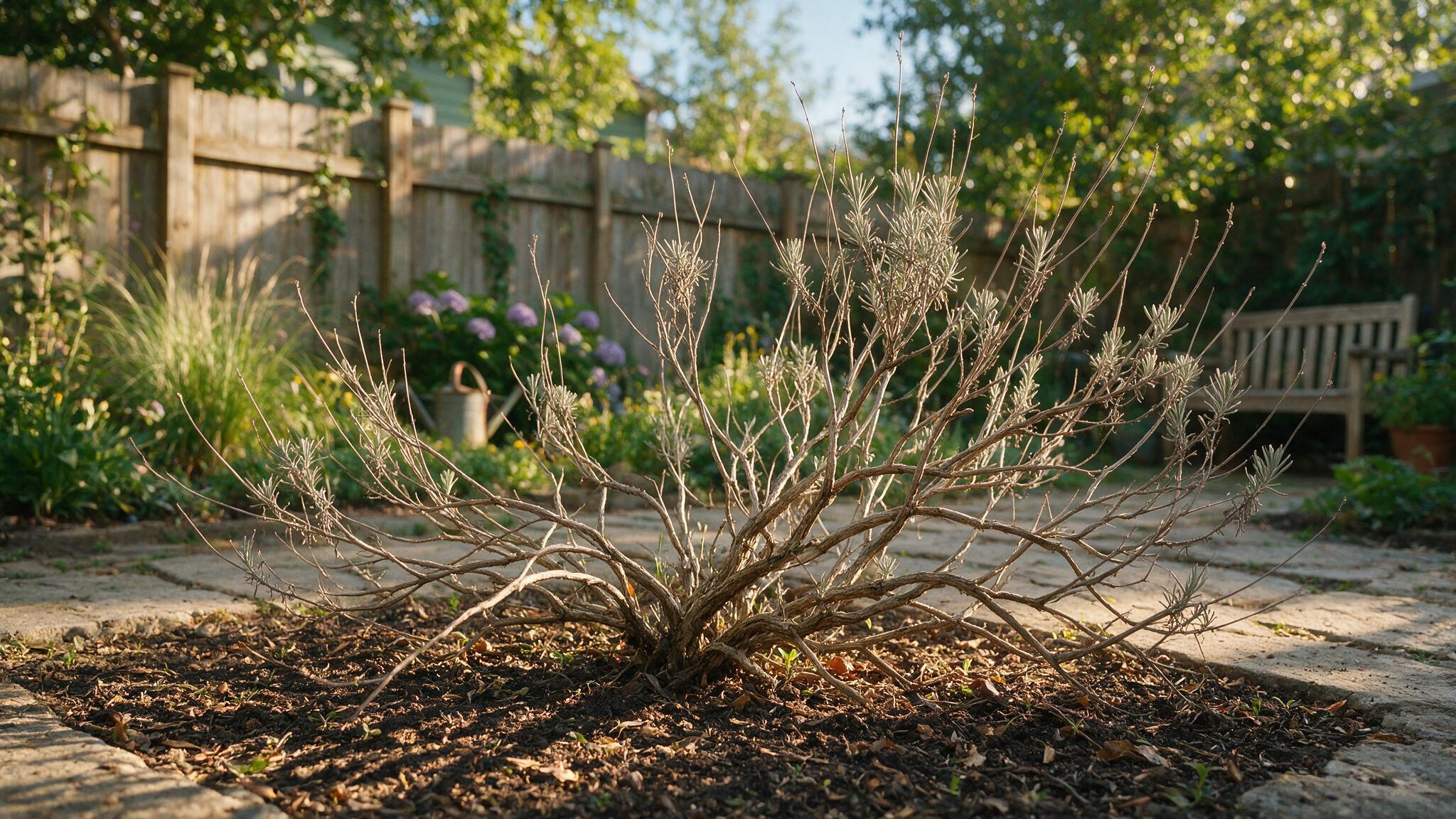
You planted lavender for those gorgeous, fragrant purple spikes, and instead you’re looking at a perfectly healthy-looking mound of gray-green leaves that refuses to flower. It’s one of the most common frustrations in American home gardens, and the good news is that the cause is almost always something fixable.
Lavender is a Mediterranean plant with very specific ideas about how it wants to live. When those needs aren’t met — even with the best of intentions — blooms are the first thing to go. This guide walks you through exactly what’s happening inside your plant, what’s making it worse, and what you can realistically do about it.
What’s Actually Happening to Your Lavender Right Now
Before you can fix the problem, it helps to understand what lavender is actually doing when it refuses to flower. Lavender is native to the Mediterranean, where it grows wild on gravel and exposed slopes with very little soil fertility. This adaptation has led the plant to prefer nutrient-poor soil that is gravelly or sandy in nature. When you move it into a typical American garden bed — often amended with compost, mulch, and fertilizer — you’re asking it to perform in conditions that are almost the opposite of its homeland.
The mechanism behind poor blooming is a nitrogen-to-carbon imbalance. High soil nitrogen drives the plant to synthesize chlorophyll and extend vegetative tissue — leaf production, stem elongation, lateral branching. These metabolic pathways compete directly with the formation of flower primordia. Put simply, abundant nitrogen signals the plant to keep growing rather than to reproduce.
In other words, your lavender isn’t sick. It’s doing exactly what its biology tells it to do given the conditions you’ve provided. The lush, leafy growth you’re seeing is a response to an environment that’s too comfortable — and flowers are what happen when the plant feels a little stressed.
Pro Tip: If your lavender looks full and healthy but has almost no blooms, excess nitrogen is the most likely culprit — not a lack of sun or water. Check what you’ve been adding to the soil before anything else.
There’s also the question of variety and timing. English lavender (Lavandula angustifolia) and its hybrids flower once per season, typically from late June through mid-July. They will not rebloom after that flush regardless of deadheading. If you’re expecting a second wave from an English lavender, that’s a cultivar expectation mismatch, not a plant failure.
Spanish and French lavenders tend to bloom first in the spring and continue with two to three flushes of flowers throughout the summer and fall. English lavenders are more likely to yield one big, longstanding flush of blossoms in mid-summer. Lavandin hybrids usually bloom from mid-summer into autumn. Knowing which type you have is the first step toward setting the right expectations — and toward diagnosing whether something is actually wrong.
Is This Normal, or a Sign Something’s Wrong?
Sometimes the absence of blooms is completely normal. First-year lavender allocates most of its energy to root and structural development. Sparse or absent flowering in year one is completely normal and requires no intervention. Utah State University Extension notes that plants take three years to reach full maturity, with peak flowering performance in years two and three.
Young lavender plants may not bloom until their second or third growing season — and this is normal. If you planted your lavender last spring or fall, give it time. The root system it’s building now is what will power years of reliable blooms later.
That said, there are signs that something genuinely needs your attention. Use this quick checklist to figure out which camp you’re in:
- No blooms, lush green foliage: Likely too much nitrogen or rich soil
- No blooms, sparse or yellowing foliage: Overwatering, root rot, or too much shade
- No blooms on a plant older than two years: Pruning timing, soil drainage, or sun exposure issue
- No blooms after a cold spring: Late frost damage to developing buds
- No blooms, woody base with little new growth: Plant is over-matured and needs renewal pruning
If you’ve recently moved your lavender — perhaps from the garden into a container, or vice versa — it might undergo transplant shock. This is where the plant’s sensitive roots become stressed when it is disrupted and moved. Signs of transplant shock include yellowing foliage, leaf drop, and a reduction in or complete absence of flowering. This is temporary, and most plants recover within a season.
The Real Trigger Behind Your Lavender’s Silence
Most non-blooming lavender comes down to one or more of four root causes: too much nitrogen, not enough sun, poor drainage, or pruning at the wrong time. Here’s how each one works and what to do about it.
Too Much Nitrogen
When it comes to fertility, lavender is almost the opposite of most garden plants. This perennial herb actually thrives without added fertilizer. Too much fertilizer can be detrimental to the plant’s flowering cycle. In particular, too much nitrogen promotes an excessive amount of foliage growth. The result is leggy, elongated stem growth with an abundance of leaves and little to no flowers.
Experts recommend not adding any fertilizer to lavender beds at all. Avoid synthetic fertilizers and manure. If you recently transplanted lavender or are growing it in a pot, the only form of nutrients it should receive is a little bit of aged compost with low nitrate content. If your soil is already rich from years of garden improvement, stop applying compost or fertilizer entirely — including slow-release granules worked into planting holes. If the soil is already rich, amend it by working in 30–50% horticultural grit or coarse sand to the top six inches.
Not Enough Sunlight
If your plant isn’t flowering, it may be due to insufficient light. Lavender requires at least six to eight hours of direct sunlight each day to bloom properly. If your lavender is planted in an area that doesn’t get enough sun, it may not produce any flowers. Over time, as nearby trees grow taller or other plants expand, a once sunny spot can become surprisingly shaded. If you notice your lavender is getting less sun than it used to, consider a move.
Beyond flowering frequency, insufficient light also reduces essential oil production, resulting in flowers that are sparse, smaller than normal, and noticeably less fragrant. For in-ground plants, plant in the most exposed, south- or west-facing position available. If an established lavender is now shaded by neighboring shrubs or a structure, thin those first before considering relocation.
Poor Drainage and Overwatering
Overwatering can cause the plant’s roots to rot, which prevents the plant from taking up water and nutrients. This can lead to yellow leaves, fungus, stunted growth, and eventually, no flowers. Lavender is a drought-tolerant plant by nature, and many American gardeners water it far too often out of habit.
For new plants, water once every seven to ten days during the first growing season. For established plants, water only when the top two inches of soil are dry — roughly every two to four weeks. Reduce watering in fall and winter to prevent root issues. If your native soil is heavy clay, amend it with sand, small gravel, chunky organic compost, or coconut coir to aerate and help it drain faster. Clay retains moisture and compacts easily, which will eventually cause root rot in lavender.
Wrong Pruning Timing
One of the most common culprits — and one that catches many gardeners by surprise — is incorrect pruning timing. Lavender sets its flower buds on the growth from the previous year. If you prune too late in the season — say, in the fall or even early spring — you’re essentially trimming off the very buds that would have turned into flowers.
Pruning at the right time of the year will ensure lavender plants bloom again while keeping the plant healthy and compact. Prune all varieties of lavender directly after blooming, once blooms start to dry and fade. Also, do not cut into woody stems — only prune flexible growth. Cutting into old wood is one of the fastest ways to permanently damage a lavender plant’s ability to rebloom.
Pro Tip: Not sure if a stem is too woody to prune? Bend it gently. Flexible stems are safe to cut. Stems that snap or feel rigid without any green growth are old wood — leave them alone or remove them entirely rather than cutting partway down.
Other Factors That Can Speed It Up or Make It Worse
Beyond the four main triggers, several secondary factors can push a borderline plant from “struggling” to “not blooming at all.” These are worth checking if you’ve already addressed the basics.
| Factor | How It Hurts Blooming | Quick Fix |
|---|---|---|
| Late frost | Kills developing flower buds in spring | Cover with frost cloth; choose cold-hardy varieties for your USDA zone |
| Wrong variety for your zone | Plant never thrives or flowers reliably | Match variety to your climate (see zone guide below) |
| Fungal disease | Suppresses growth and bloom production | Improve airflow; avoid overhead watering; remove infected material |
| Windy location | Stresses plant; lavender prefers still, hot air | Relocate or plant near a south-facing wall for shelter |
| Acidic soil | Lavender prefers pH 6.5–8.0; low pH stresses roots | Add agricultural lime to raise pH gradually |
| Pest pressure (aphids) | Sap-sucking insects weaken stems before buds form | Treat with neem oil; excess nitrogen attracts aphids |
Different lavender species have varying cold and heat tolerance, and choosing the wrong type for your zone affects flowering. English lavender (Lavandula angustifolia) is cold-hardy in USDA Zones 5–8 and best for cooler regions. French lavender (Lavandula stoechas) is tender in Zones 8–10 and needs winter protection. Hybrid lavenders (Lavandula × intermedia) are robust bloomers suited to Zones 7–9. If you’re gardening in the humid Southeast or the Pacific Northwest, variety selection matters more than almost anything else.
Fungal disease is a real concern in wetter parts of the US. In humid climates, fungal diseases can suppress blooming. Opt for mildew-resistant varieties and ensure good airflow between plants. Spacing lavender plants at least 18 to 24 inches apart gives them the breathing room they need. You can explore wind-tolerant plants that pair well with lavender in exposed garden spots where airflow is naturally high.
Can You Reverse It?
Here’s the honest answer: most causes of non-blooming lavender are fully reversible within a single growing season. To revive non-blooming lavender, assess sunlight exposure, improve soil drainage, reduce fertilization, and prune correctly. With proper care, most plants resume flowering within a single season.
However, there are a few situations where recovery is partial or not possible at all:
- Severely over-pruned into old wood: If you cut deep into the woody base and there are no green shoots emerging from those stems, those branches will not regrow. The plant may survive from other stems, but the cut sections are gone for good.
- Advanced root rot: If you think your lavender is overwatered, stop watering it for a few days and see if the plant improves. If not, you may need to replant it in new, well-drained soil. In severe cases where roots are fully rotted, the plant cannot be saved.
- Fusarium wilt: If you suspect your plant has fusarium wilt, remove it from the garden immediately and dispose of it in a plastic bag. Be sure to disinfect all tools and gloves that come into contact with the plant. This soil-borne disease has no cure once established.
- Extreme woodiness in old plants: A lavender that has gone completely woody with no flexible green growth left is very difficult to revive. You can attempt gradual renewal pruning — removing the oldest third of stems each season over two to three years — but results are not guaranteed. Sometimes the most practical move is to replace the plant.
The encouraging news is that the vast majority of non-blooming lavender plants fall into the “fully fixable” category. If your plant still has healthy green growth and flexible stems, you have a lot to work with. Check out our guide to types of plants if you’re also considering what to grow alongside your lavender in the garden bed.
Important Note: Lavender that has never bloomed in three or more years despite correct care may simply be the wrong variety for your climate. Before giving up entirely, try a different species matched to your USDA hardiness zone.
How to Prevent It Next Season
Once you’ve diagnosed this season’s problem, the goal is to set your lavender up so you’re not having this same conversation next summer. The good news is that prevention is straightforward once you know what lavender actually wants.
Get the Soil Right Before You Plant (or Replant)
The most important factors to get lavender blooming are site selection, soil conditions, and pruning. If you’re starting fresh or moving an existing plant, use a mix of one-third sand, one-third garden soil, and one-third compost or perlite. Avoid heavy clay soils unless raised beds or mounds are used. Soil pH should be slightly alkaline, between 6.5 and 8.0. Test your soil with an inexpensive kit from any garden center before planting — it takes five minutes and removes the guesswork entirely.
Choose the Right Variety for Your Region
American gardeners from Minnesota to Miami can grow lavender successfully, but not the same lavender. English lavender (Lavandula angustifolia) is best for cool climates in Zones 5–8. Lavandin (Lavandula × intermedia) is a cold-hardy hybrid with large blooms. Spanish lavender (Lavandula stoechas) prefers warm, humid areas in Zones 8–10. French lavender (Lavandula dentata) thrives in coastal and subtropical regions. Getting this match right is the single biggest factor in long-term blooming success.
Prune at the Right Time, Every Year
Pruning at the right time of the year will ensure lavender plants bloom again while keeping the plant healthy and compact. Prune all varieties of lavender directly after blooming, once blooms start to dry and fade. Clip the dried flowers and stems down to the main stem, removing about one-third of the plant after its blooming cycle. Set a reminder on your phone — this is one garden task where timing genuinely determines next year’s results.
Deadheading spent flowers prolongs blooming and keeps the plant tidy. Cut just above the leaves on the stem after the first flush to stimulate a second round in some varieties. For English lavender, which blooms only once, skip deadheading and go straight to the post-bloom prune.
Water Less Than You Think You Should
Most American gardeners overwater lavender because they apply the same schedule they use for everything else in the yard. Lavender is drought-tolerant and genuinely prefers dry conditions between waterings. To prevent overwatering in the future, water your lavender only when the soil is dry to the touch. And be sure to plant it in a location that has good drainage.
If you’re growing lavender in a container, use a terracotta pot with drainage holes and a gritty soil mix. Container-grown lavender often blooms well due to superior drainage, provided it receives enough sun and isn’t over-fertilized. Terracotta wicks moisture away from the roots far better than plastic or glazed ceramic. You might also want to browse drought-tolerant plants if you’re in a region where lavender’s water needs align naturally with your climate.
Skip the Fertilizer
Lavender does not require fertilizer and often performs better without it. Excessive nutrients, especially nitrogen, lead to excessive foliage and reduced flowering. If soil is very poor, a light application of balanced 5-5-5 fertilizer in early spring may help, but most lavenders thrive in low-fertility conditions. When in doubt, do nothing — lavender rewards restraint more than attention.
For more ideas on plants that thrive with minimal care alongside lavender, take a look at deer-tolerant plants that share similar low-maintenance growing conditions, or explore plants that repel wasps to round out a pollinator-friendly but pest-managed garden bed.
FAQ
Why Does My Lavender Have Lots of Leaves but No Flowers?
Your lavender may appear healthy with lush foliage but fail to flower due to excess nitrogen in the soil, which promotes leaf growth over blooms. Also, ensure it receives at least eight hours of direct sunlight daily and avoid overwatering, both of which suppress flowering despite good vegetative health.
How Long Does It Take for Lavender to Bloom for the First Time?
Most lavender plants begin flowering in their second year. Some may bloom lightly in the first summer if grown from mature starts, but full flowering occurs by year two. If your plant is in its first growing season and showing no flowers, that’s completely expected.
Can I Make My Lavender Bloom Again After It’s Finished?
Removing spent flower spikes encourages a second flush of blooms in some varieties and keeps the plant tidy. Deadhead by cutting just above the top set of leaves beneath the bloom. This works best for French and Spanish varieties. English lavender typically blooms only once per season regardless of deadheading.
Is My Lavender Dead if It Isn’t Blooming?
Lavenders can appear dead when, in fact, they’re actually just still dormant from the winter period. Be patient, give the plant time, and it should return come springtime. Scratch a stem gently with your fingernail — if you see green underneath the bark, the plant is alive. No blooms does not mean a dead plant.
Should I Cut Back Lavender That Has Never Bloomed?
If your plant has never bloomed and has flexible green growth, a light trim in early spring to shape it and encourage new lateral shoots is a good idea. During the first growing season, clipping branches to encourage lateral shoot development — rather than allowing energy to go toward a handful of weak spikes — builds the structure that produces abundant blooms in subsequent years. Avoid cutting into woody stems at any stage.
What’s the Best Lavender Variety for Humid US Climates?
Humidity is lavender’s biggest enemy in the American South and Southeast. Look for mildew-resistant Lavandula × intermedia cultivars like ‘Phenomenal’ or ‘Grosso,’ which handle humidity and heat better than standard English lavender. Ensure excellent drainage and good airflow, and consider raised beds if your soil tends to hold moisture. You can use a lavender care guide from Epic Gardening to cross-reference variety performance in your region.