Why Are My Snake Plant Leaves Falling Over? Causes and Fixes

September 28, 2026
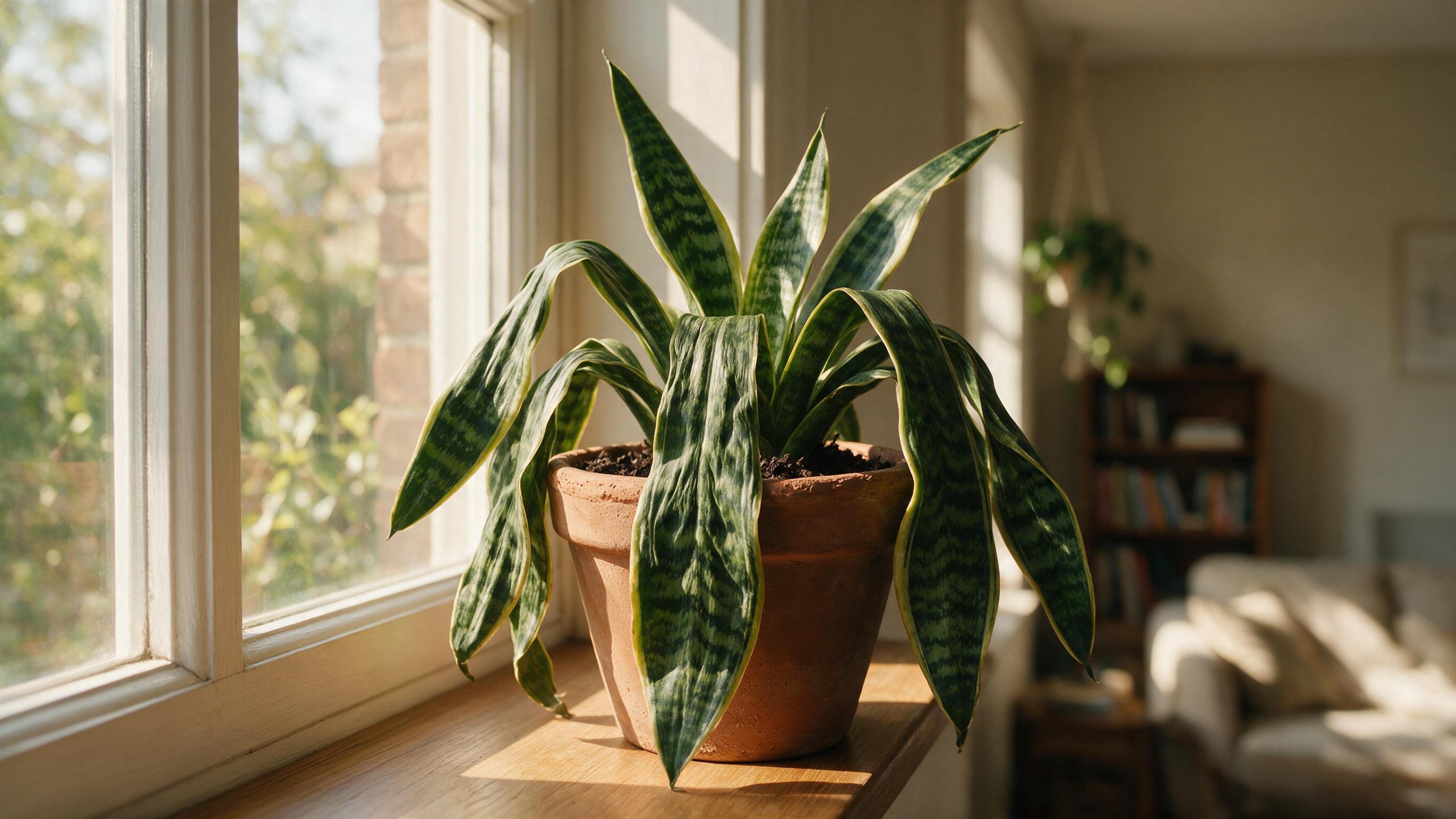
Snake plants are supposed to be the easygoing, nearly indestructible houseplant that thrives on a little neglect. So when those signature upright leaves start leaning, drooping, or flopping completely over the edge of the pot, it can feel confusing and more than a little alarming.
The good news is that falling leaves are almost always fixable once you know what triggered them. Whether you are dealing with one droopy outer leaf or a whole pot of collapsing foliage, this guide walks you through every possible cause, a clear diagnosis process, and practical steps to get your plant standing tall again.
What Does It Mean When Your Snake Plant Leaves Are Falling Over?
When a snake plant leaf falls over, droops to one side, or begins to lean outward, it is your plant’s way of signaling that something in its environment or care routine is off. Snake plants are renowned for their resilience and ability to thrive in various conditions, but even these hardy plants can sometimes exhibit signs of distress, such as drooping leaves.
The symptom itself — a leaf that no longer holds its upright posture — usually points to structural weakness somewhere in the plant. That weakness can originate at the roots, in the soil, at the base of the leaf, or even in the leaf tissue itself. The culprit is usually something simple: water issues, weak roots, or the plant having outgrown its pot.
It helps to look at how many leaves are affected and where they are positioned. Outer leaves are the ones most likely to fall over, while middle leaves — if growing densely — are able to prop each other up. One or two outer leaves occasionally leaning is very different from a whole plant collapsing, and each pattern points toward a different cause.
Is Falling Over in Snake Plants Always a Sign of a Problem?
Not necessarily. You should not be discouraged if your snake plant leaves occasionally fall over, lean, or droop over the side of the pot — it is just the nature of the taller species and varieties. Mature plants with large, heavy leaves will sometimes develop a slight outward lean simply because of their size and weight.
Taller varieties of snake plants can be more prone to leaf drooping due to their height and weight, and random leaf falling or leaning can also be a natural characteristic of snake plants. If your plant otherwise looks healthy — firm leaves, good color, no soft spots at the base — a single leaning outer leaf is probably nothing to worry about.
Older leaves lose some of their structural rigidity over time, and the cells in mature leaves do not hold water as tightly as they once did — this is especially noticeable in plants that are five years or older. When the base of a mature plant gets crowded with new growth, outer leaves get pushed away from the center, so they look like they are falling over.
Pro Tip: Rotate your snake plant a quarter turn every week or two. Rotating about once a week ensures every side gets equal amounts of light and stops the plant from permanently leaning in one direction.
Watering Issues Causing Snake Plant Leaves to Fall Over
The number one cause of snake plant leaves falling over is too much water. Overwatering makes the soil soggy, keeps roots from breathing, and causes them to rot and die. Because snake plants are succulents, the leaves, roots, and rhizomes all store water, and when overwatered, the leaves will start to “mush out” at the base, crease, and then fall over.
Signs of overwatering go beyond drooping. If you overwater them, the leaves may start to feel squishy, turn yellow or black, and will begin to droop. Check the base of the affected leaves — when root rot occurs, certain fungi and diseases can spread through the roots, and common signs include soft spots and discoloration at the base of the leaves, yellowing and drooping leaves, and a foul smell.
Underwatering is a less common culprit but still worth checking. This is a less common problem with snake plants, but underwatering may cause the leaves to turn brown and fall off the plant. Unlike overwatered leaves, which feel soft and mushy, underwatered leaves tend to feel thin, dry, and papery rather than firm and plump.
The right watering rhythm depends on the season. During the growing season (spring and summer), water more frequently, allowing the soil to dry out completely between waterings. In fall and winter, reduce watering to every four to six weeks, as the plant enters a dormant phase and requires less moisture. Always ensure that excess water can drain away to prevent root rot.
Pro Tip: Watering your snake plant on a fixed weekly schedule can actually do more harm than good. Instead, stick your finger two inches into the soil — only water when it feels completely dry.
Light Conditions Behind Snake Plant Leaves Falling Over
Although snake plants are extremely hardy and grow well without exposure to direct sunlight, extended absence from bright light or exposure to intense direct light causes leaves to fall over. When light is insufficient, the plant stretches toward its source, causing leaves to lean rather than grow straight up.
Snake plants will always stretch toward the nearest source of light. If the light is only coming from one direction, such as a window, your snake plant will bend toward it trying to get light on its leaves. This is called phototropism, and it can turn a healthy plant into a dramatically lopsided one over just a few weeks.
A lean in your sansevieria might be its way of stretching to get closer to its light source. Though they tolerate low light, sansevierias thrive in high light, so move it closer to a window and rotate your plant monthly to fix this issue. An east- or west-facing window in most US homes provides a good balance of brightness without the intensity of direct afternoon sun.
On the flip side, drooping leaves despite proper watering may indicate the plant is receiving too much light. Direct midday sun through a south-facing window in summer can scorch and weaken leaves, causing them to wilt rather than stand firm. Aim for bright indirect light, with about four to six hours of exposure daily. For more ideas on positioning plants in your home, check out this guide to best houseplants for low-light areas.
Soil, Nutrients, and Root Health Causing Snake Plant Leaves to Fall Over
Even if your watering schedule is perfect, the wrong soil or a cramped pot can still bring those leaves down. Waterlogged conditions that result in drooping can be caused by using the wrong type of soil or by using a pot without drainage holes. A dense, moisture-retaining potting mix keeps the roots wet far too long between waterings, mimicking the effects of overwatering even when you are watering correctly.
Repotting with a well-draining potting mix formulated for succulents or cacti is one of the best investments you can make for a snake plant’s long-term health. Adding perlite to a standard potting mix also improves drainage significantly.
Root-bound conditions are another common trigger. Over time, snake plants can become rootbound, meaning their roots outgrow the pot and become crowded, causing stressed roots and poor nutrient absorption, which can lead to drooping. When you see the snake plant’s roots have outgrown the drainage holes, it is high time to repot the plant.
Nutrient deficiency can also play a role, especially in plants that have been in the same soil for years. If your snake plant is on an excellent watering schedule and still leaning over, it might be asking for some additional nutrients. While water and sunlight give the plant most of its needs, it also requires nutrients like phosphorus, nitrogen, and potassium. It is a good idea to feed your snake plant once in the spring and once in the summer.
Pro Tip: Feed your snake plant with a balanced, water-soluble fertilizer every few months during the growing season, but be careful not to over-fertilize, as this can also lead to problems.
Environmental Stress Triggering Snake Plant Leaves to Fall Over
Your home’s climate matters more than most people realize. Extreme temperatures can shock snake plants and damage them in a way that shows up as leaves that fall over. Cold damage is especially a big problem — when temperatures drop below 50°F (10°C), snake plants can get hurt by the cold.
Snake plants placed near a drafty window or right above a heating vent are prone to drooping. Snake plants prefer steady temperatures between 60 and 85°F, and if the temperature swings more than 10 to 15 degrees quickly, the plant’s cells just cannot keep up. Ensure that your snake plant is kept in a warm environment away from drafty windows or doors, as room temperatures between 60°F to 80°F (16°C to 27°C) are ideal.
Always check if a falling snake plant is too close to radiators, space heaters, or AC vents. Constant hot or cold air dries out one side of the plant faster, and that imbalance leads to leaning or even toppling. A good rule of thumb: move your snake plant at least 3 feet away from any heating or cooling vents and windows you open often.
Physical damage from bumps, pets, or moving the plant is another overlooked environmental cause. A leaning snake plant can be the result of physical damage — its leaves can get bent if they are knocked over, brushed against too often, or damaged during transport. Once a snake plant leaf is bent, it cannot repair itself, though the damage is permanent and the plant will continue to grow new, straight leaves if cared for properly.
Pests and Disease Leading to Snake Plant Leaves Falling Over
Snake plants are highly pest-resistant, but in poor conditions, they can get mealybugs and spider mites. The biggest threat, however, is fungal growth due to root rot. Pest damage weakens leaf tissue over time, making leaves less able to support their own weight.
Mealybugs, spider mites, southern blight, and leaf spot are common household pests and infections that can affect snake plants. They often present as white or red spots, holes, or webbing on leaves and typically result in leaves curling, yellowing, and eventually dying.
Common pests affecting snake plants include mealybugs, scale, and spider mites. Mealybugs appear as white, cottony clusters on leaves and can weaken the plant. Spider mites cause discoloration and fine webbing on the undersides of leaves, and increasing humidity can deter them.
Fungus gnats are a soil-borne pest whose larvae can feed on the roots of the plant, and they often appear when the soil is too moist. While the gnats themselves are more of a nuisance, their larvae can damage roots enough to contribute to drooping over time. To prevent them, allow the soil to dry completely before watering. Fungus gnats can be treated with sticky tape traps or managed by discarding infested soil and repotting the plant.
For mealybugs and spider mites, mealybugs and spider mites can be removed with an application of neem oil, while fungal infections should be treated with a fungicide to prevent new spores from forming. You can also periodically wipe your snake plant’s leaves with a damp cloth to remove dust and help deter pests. If you share your home with curious cats, check out these tips on how to keep cats out of houseplants to prevent accidental physical damage to your plant as well.
How to Diagnose Why Your Snake Plant Leaves Are Falling Over
Before you reach for a watering can or a bag of fertilizer, take a few minutes to play detective. Working through a simple checklist will point you toward the right fix and save you from accidentally making the problem worse.
- Check the base of the affected leaves. Press gently at the point where the leaf meets the soil. Soft spots, discoloration at the base, yellowing, drooping, and a foul smell are common signs of root rot. If the base feels firm and dry, rot is not your issue.
- Inspect the soil moisture. Push your finger two inches into the soil. Soggy soil that stays wet for more than a week after watering points to overwatering or poor drainage. Bone-dry soil that has pulled away from the pot edges suggests underwatering.
- Look at the light source. If light is only coming from one direction, your snake plant will bend toward it trying to get light on its leaves. Check whether the leaning direction aligns with the nearest window.
- Examine the roots. Unpot the plant and inspect the roots. Prune away any dark, mushy roots — healthy roots will be firm and white. If roots are circling the bottom of the pot or pushing out of drainage holes, the plant is rootbound.
- Scan for pests. The best defense against pests is prevention with regular scouting for signs including sticky residues, egg deposits, and distressed foliage. Check leaf undersides and the soil surface for webbing, white cottony clusters, or tiny moving dots.
- Note the plant’s location. Is it near a heating vent, AC unit, or drafty window? Snake plants placed near a drafty window or right above a heating vent are prone to drooping.
If you want help identifying what is affecting your plant, a plant identification app can be a useful diagnostic tool. Check out this roundup of the best iPhone apps for identifying plants or the best Android apps for identifying plants for options that can analyze leaf symptoms from a photo.
Key Insight: Work through moisture and root issues first — they account for the majority of drooping cases. Light and temperature problems are usually secondary causes that show up alongside watering mistakes.
How to Fix a Snake Plant That Is Falling Over
Once you have identified the cause, the fix is usually straightforward. Here is how to address each scenario:
Fixing Overwatering and Root Rot
If your snake plant is suffering from overwatering, stop watering immediately and let the soil dry out completely. If root rot has set in, remove the plant from the wet soil, trim any rotted roots, let it dry out for a day or two, then repot it in fresh soil. Wash and trim the rotten roots, place them in a new pot with good drainage, prune the drooping leaves, and avoid adding fertilizer until the roots have restored their health.
Fixing Light-Related Leaning
Move the plant to a brighter location with indirect light. The aim is to dry out the soil while also moving your droopy snake plant to a place where it can receive brighter sunlight — the light can help dry the soil a little and help the plant recover. Rotate the pot regularly so all sides receive equal exposure. Note that leaves that have already grown horizontally toward the light will not straighten — move the plant to a brighter spot and new growth should then grow upright.
Fixing Rootbound Plants
Repot your snake plant into a larger pot with fresh potting soil to allow room for root expansion, choosing a pot that is 1 to 2 inches larger in diameter than the current one. Avoid going too large — repotting into a pot too large for the plant also leads to rotting roots because the excess soil stays wet too long. Learn more about how to propagate snake plants if you want to divide an overcrowded pot into multiple healthy plants.
Staking and Physical Support
For leaves that are structurally sound but simply leaning, staking is a quick fix. To fix a bent or droopy snake plant leaf, gently straighten the leaf and provide support with a bamboo stick or other support stake. In addition to traditional stakes and jute string, bamboo skewers or small dowels also work well. Keep in mind that staking should be used as a temporary solution while addressing the underlying cause of the leaves falling over.
Treating Pests
Treat infestations promptly with insecticidal soap or neem oil. Remove heavily infested leaves and isolate the plant to prevent the spread to other houseplants. For fungal issues, surface-level treatments like sprinkling cinnamon — a natural antifungal — on the soil surface can help inhibit fungal spores; alternatively, using a commercial antifungal powder can offer a more targeted solution. However, if the infection is severe or persistent, repotting with fresh, sterile soil is often the most effective long-term fix.
How to Prevent Snake Plant Leaves from Falling Over Going Forward
Keeping your snake plant upright long-term comes down to consistent, simple habits. The plant does not demand much — but it does have a few non-negotiable preferences.
- Water by soil moisture, not by schedule. Water only when the soil is dry, use well-draining soil, provide bright indirect light, and repot if necessary. This single habit prevents the majority of drooping cases.
- Use the right pot and soil. Always use a pot with drainage holes. A succulent or cactus mix — or a standard potting mix amended with perlite — drains fast enough to protect roots from sitting in moisture.
- Repot on a reasonable schedule. According to Penn State Extension , snake plants like to be repotted with fresh potting media every five years or so. Waiting too long leads to rootbound conditions and depleted soil nutrients.
- Maintain stable temperatures. Keep the plant away from heating vents, AC units, and drafty windows. Ensure your snake plant is kept in a warm environment away from drafty windows or doors, as room temperatures between 60°F to 80°F are ideal.
- Rotate regularly. A lean in your sansevieria might be its way of stretching to get closer to its light source — move it closer to a window and rotate your plant monthly to fix this issue.
- Inspect leaves during watering. If you want healthy houseplants, inspect them regularly — every time you water a plant, give it a quick look-over. Catching pests or early rot signs early makes treatment far simpler.
- Feed sparingly during the growing season. Snake plants also require nutrients like phosphorus, nitrogen, and potassium, and it is a good idea to feed your snake plant once in the spring and once in the summer.
For more context on how snake plants fit into a broader plant collection, browse this guide to types of plants or explore a dedicated look at different types of rubber plants and different types of yucca plants for other low-maintenance indoor options with similar care needs.
Important Note: If your plant is in bad shape, you probably cannot fix the existing fallen leaves. Your best option is to leave them alone until new, upright growth begins, and then cut off the drooping leaves or let them die on their own. New growth from a properly cared-for plant will come in straight and strong.
FAQ
Why Is My Snake Plant Falling Over After Repotting?
Repotting disturbs the root system, and the plant may need a few weeks to re-anchor itself in the new soil. Make sure the pot is only 1 to 2 inches larger than the previous one — a pot that is too large holds excess moisture that can trigger root rot. Repotting more frequently than every three to five years, or placing the plant in a pot too large for it, also leads to rotting roots. Hold off on watering for a few days after repotting to let any damaged roots dry and callous over.
Can a Fallen Snake Plant Leaf Be Saved?
Usually, yes — but check for rot first. If the base is soft and slushy, you will have to cut above that damaged part and propagate the healthy sections. If it is just leaning or has fallen over but is not damaged, repotting it in fresh soil with some good support should help it recover. Visit the guide on how to propagate snake plants for a full walkthrough on turning a fallen leaf into a new plant.
Why Is My Snake Plant Falling Over Despite Good Watering?
The most common cause of a snake plant falling over is overwatering, which leads to root rot and weakens the base of the leaves. Other possible causes include poor drainage, inadequate light, or a pot that is too large. If your watering habits are solid, check the drainage holes, inspect the roots for rot, evaluate the light level, and look for signs of pests before assuming the plant is beyond help.
How Long Does It Take a Snake Plant to Recover From Drooping?
Recovery time depends on the cause and severity. A plant that was simply underlit or slightly underwatered may perk up within one to two weeks once conditions improve. Root rot recovery takes longer — after repotting, expect four to eight weeks before you see healthy new upright growth. A droopy snake plant can usually be revived with the right care; whether it is due to overwatering, lack of light, or poor soil conditions, identifying the cause is always the first step.
Should I Cut Off Fallen Snake Plant Leaves?
Yes, you should cut brown, unattractive leaves off your plant. Use pruning shears or a clean, sharp pair of scissors to prune damaged leaves on your snake plant, and cut the leaves as close to the soil line as possible. Removing damaged leaves redirects the plant’s energy toward producing healthy new growth. You can also use the cut leaves for propagation — learn more at this guide on propagating snake plants.
Is a Snake Plant That Is Falling Over Toxic to Pets?
Snake plants (Dracaena trifasciata, formerly classified as Sansevieria trifasciata) are mildly toxic to cats and dogs if ingested, according to the ASPCA . If you have curious pets that tend to chew on houseplants, keeping the plant out of reach is the safest approach. Check out these tips on how to keep cats out of houseplants for practical strategies. You may also find it helpful to review plants that repel cats to discourage feline interest in your plant collection altogether.