Can You Freeze Take and Bake Bread? Everything You Need to Know

October 23, 2026
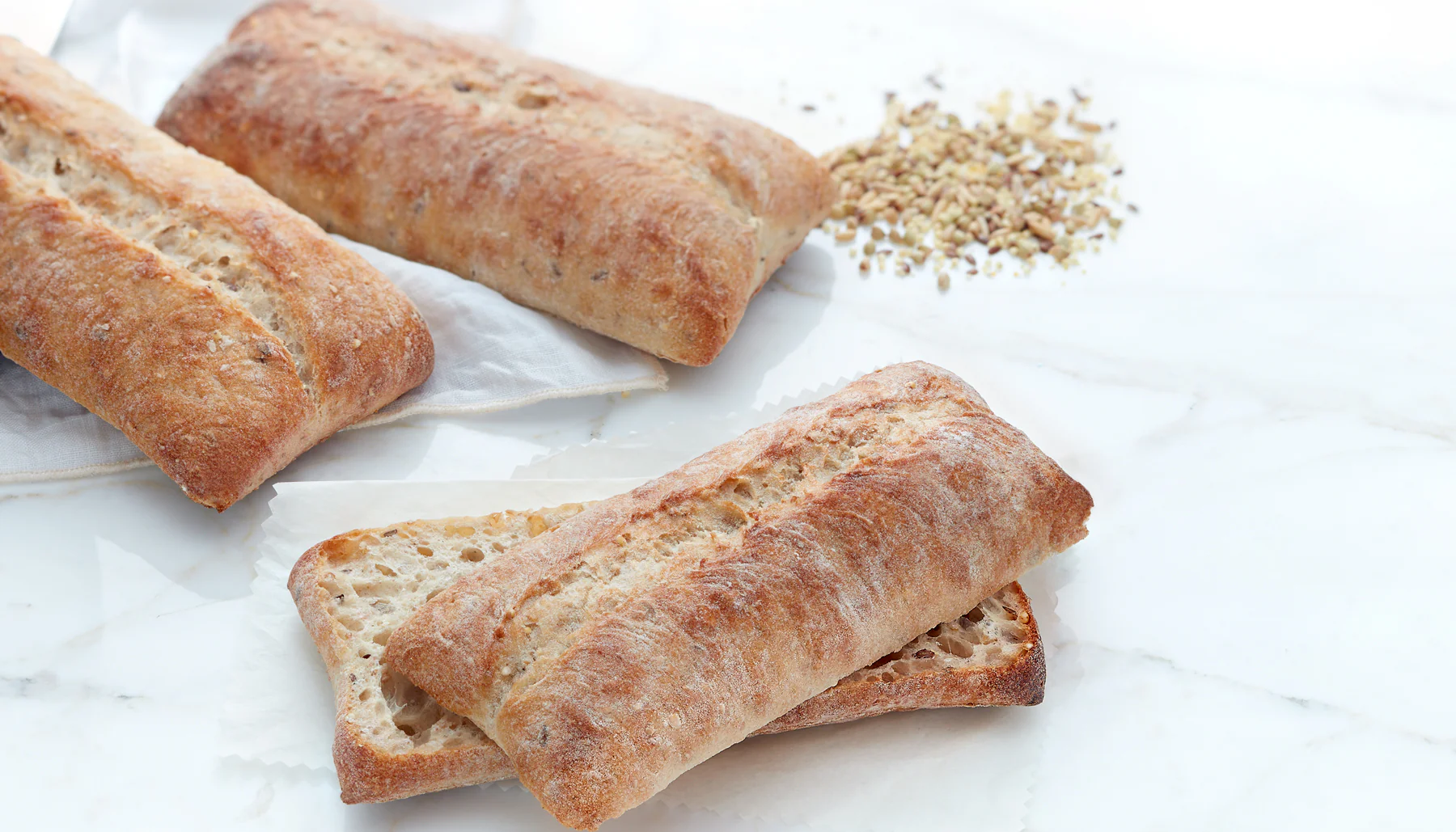
Take and bake bread is already designed with convenience in mind — it’s partially baked, sold refrigerated or at room temperature, and finished in your own oven whenever you want a fresh-from-the-oven loaf. But what happens when you stock up on a few extra loaves and can’t use them before the “best by” date? Freezing is the answer, and it works surprisingly well for this type of bread.
Whether you picked up an extra baguette at your local grocery store or overbought before a holiday dinner, this guide covers everything you need to know about freezing take and bake bread — from the right wrapping technique to spotting signs that a frozen loaf has gone bad.
Can You Freeze Take and Bake Bread?
You can successfully freeze take and bake bread. However, this type of bread has a remarkable shelf life and shouldn’t always need to be frozen in the first place — just pay attention to the “best by” date on the packaging. If you’re approaching that date and know you won’t use the loaf in time, the freezer is your best option.
Take and bake bread (also called par-baked bread) is fresh bread that is partially baked then immediately frozen or refrigerated to finish baking later. The advantage is that it can last in the freezer for a long time and can be warmed when needed. Freezing it before baking preserves that “just finished in the oven” quality you bought it for.
Bread is often frozen to preserve freshness or extend shelf life. Fresh bread loaves from a bakery or from home can particularly benefit from being frozen because they have little to no preservatives added, so they otherwise would have a very short shelf life. The same logic applies to take and bake varieties — freezing locks in quality before it has a chance to decline.
Pro Tip: Freeze your take and bake bread before it’s baked, not after. Finishing the bake from frozen gives you the best crust and crumb texture, as if the loaf came straight from a bakery.
Does Freezing Change the Texture or Taste of Take and Bake Bread?
Freezing take and bake bread before it’s baked has very little impact on the final result. Since the bread is designed to go from cold storage into a hot oven, the freezer is just an extension of that process. The end result should taste the same as fresh-baked bread, even if the dough was in the freezer for weeks.
If you freeze a loaf after it has already been fully baked, there is a slight difference to expect. Nothing beats freshly baked bread, but thawed bread that’s been properly frozen is about 90% as good. That’s a minor trade-off for extending your bread’s life by weeks or months.
The biggest threat to texture isn’t the freezing itself — it’s poor wrapping. The enemy is freezer air, which can cause freezer burn and impart freezer-aroma flavors. Tight, airtight packaging is what separates a loaf that comes out tasting fresh from one that tastes like your freezer smells. Also, the key to freezing bread is to stash it in the freezer while it’s still fresh and at its best. “When bread is frozen the day it’s baked, it tastes same-day fresh when properly frozen and thawed,” says Taste of Home Test Kitchen manager Catherine Ward. If your bread has already started to taste stale, freezing won’t work any miracles.
How to Freeze Take and Bake Bread the Right Way
The method you use depends on whether the loaf is still unbaked (raw or par-baked) or has already been fully baked. Both approaches work — they just require slightly different handling.
Freezing Before Baking (Recommended)
This is the best approach for take and bake bread. Keep the loaf in its original packaging if it’s still sealed and airtight. If the package has been opened or is not freezer-safe, rewrap the loaf before freezing.
- Remove the loaf from any non-freezer-safe packaging.
- Wrap the loaf tightly in two layers of plastic wrap before placing it in a large resealable freezer bag. Press out as much air as possible and stow in the freezer for up to 3 months.
- Label the bag with the date so you know when to use it by.
- Do not defrost the bread before baking, as this can make it go stale. Instead, place frozen bread directly in the oven from the freezer.
Freezing After Baking
If you’ve already baked the loaf and have leftovers, you can still freeze it — just follow a few extra steps to protect the crust and crumb.
- Always let your bread or rolls cool completely before freezing them. If wrapped while hot, steam will be trapped and turned into condensation, prompting potential mold and bacteria growth on your bread.
- Tightly wrap the loaf of bread in a layer of storage wrap. Then, wrap it in a layer of aluminum foil or freezer paper. Double-wrapping helps lock in freshness and prevent freezer burn.
- Place the wrapped loaf in a resealable freezer bag, press out the air, and seal.
- Label the packaging with the date and type of bread before placing it in the freezer.
Pro Tip: According to King Arthur Baking , using multiple airtight layers — like plastic wrap followed by a bread bag, or foil followed by an airtight container — is the same technique professional bakeries use to keep frozen baked goods fresh.
How Long Can You Freeze Take and Bake Bread?
Take and bake bread holds up well in the freezer when stored properly. Par-baked bread can last up to 12 months in the freezer. Yes, you can freeze par-baked baguettes, just like any other type of par-baked bread — par-baked baguettes can stay in the freezer for up to 12 months. That’s a significantly longer window than fully baked bread.
If you freeze take and bake bread after it’s already been fully baked, the timeline is shorter. Because this household staple typically goes stale in a matter of days, the freezer is the best option to keep it fresh. Most bread can be frozen for as long as three months. Beyond that point, quality starts to decline even with good packaging.
| Bread State When Frozen | Recommended Freezer Life |
|---|---|
| Par-baked / unbaked (take and bake) | Up to 12 months |
| Fully baked loaf | Up to 3 months |
| Fully baked, sliced | Up to 3 months (best within a few weeks) |
A consistent freezer temperature of 0°F (-18°C) or below is essential for maintaining the quality of frozen bread. If your freezer fluctuates in temperature — common in older units or side-by-side models — quality will degrade faster regardless of how well you wrap the loaf.
How to Thaw Frozen Take and Bake Bread
How you thaw your take and bake bread depends on whether it’s been baked already or is still in its raw/par-baked state. The two situations call for different approaches.
Thawing Unbaked Take and Bake Bread
To prepare par-baked baguettes, put the baguette directly into the oven at a low temperature for about 15 to 20 minutes without thawing first. Most take and bake brands follow a similar method — check your packaging for the specific temperature and timing, since it can vary by product and oven.
Par-baked breads are typically “finished off” by baking for an additional 15 to 20 minutes, though the exact time varies by product and home oven. Going from frozen may add a few minutes to the baking time, so keep an eye on the crust color rather than relying strictly on the timer.
Thawing Fully Baked Bread
For a loaf you’ve already baked and frozen, the best method is a slow room-temperature thaw. Simply move the wrapped loaf from the freezer to room temperature for three hours or so, though depending on the size of the loaf and the temperature of your kitchen, it may take longer. Rolls will take an hour, while slices should thaw in under 30 minutes — or they can be popped directly into the toaster from the freezer.
If the crust softens during thawing, a quick oven refresh fixes it. If the crust seems a little soft after thawing and unwrapping, you can restore its crunch by heating in the oven for about 10 minutes at 350°F. This works especially well for baguette-style take and bake loaves where a crisp crust is part of the appeal.
Pro Tip: Avoid microwaving a full frozen loaf. The fast way to defrost bread is not something recommended for a full loaf of bread, but it can be helpful in a pinch. If you must use the microwave, do it in short 15-second bursts to avoid turning the crumb rubbery.
Can You Refreeze Take and Bake Bread After Thawing?
Refreezing is possible, but it comes with trade-offs. It’s 100% safe and bread can be refrozen. However, you risk the quality of the bread deteriorating and ending up with stale, tasteless bread. For take and bake bread specifically, refreezing an already-baked loaf is where quality drops most noticeably.
It is generally not recommended to refreeze bread that has been thawed. When bread is thawed, the starches in the bread can break down, which can affect its texture and flavor. Refreezing the bread can cause the starches to break down further, which can result in a bread that is stale or crumbly.
If you do need to refreeze, act quickly. When it comes to refreezing bread, the sooner, the better. In fact, it’s best to stick the bread back into the freezer within one day of removing it. However, you can get by within two days. If you wait any longer than 48 hours, refreezing is not suggested. And never refreeze bread more than once.
A smarter approach is to slice or portion your take and bake loaf before freezing so you only thaw what you need. That way, the rest of the loaf stays frozen and undisturbed. You can read more about smart food storage habits and how they connect to overall healthy eating in this guide on foods for healthy skin and this overview of foods that support liver function.
How to Use Frozen Take and Bake Bread (Best Uses After Freezing)
Once your take and bake bread has been baked and thawed (or baked straight from frozen), it’s ready to use just like any fresh loaf. A few applications work especially well with bread that’s been through the freezer.
- Dinner bread: Bake directly from frozen and serve alongside soups, stews, or pasta. The crust crisps up beautifully and no one will know it came from the freezer.
- Garlic bread: Slice the thawed, baked loaf, spread with butter and garlic, and run it under the broiler for a quick side dish.
- Sandwiches and subs: A thawed baguette-style take and bake loaf makes an excellent base for Italian subs or seafood-based sandwiches.
- Croutons: You can use frozen bread to make croutons or breadcrumbs, which can be a great way to add texture and flavor to salads or soups.
- Bread pudding or stuffing: You can also repurpose stale bread. It’s perfect for French toast, bread pudding, croutons, holiday stuffing, and casseroles.
- Holiday entertaining: Stock up on take and bake loaves before Thanksgiving or Christmas, freeze them, and bake fresh as needed. This pairs naturally with cornbread and other Thanksgiving breads for a full spread.
For bread that’s slightly past its prime after freezing, toasting is your best friend. If you’re making toast, put frozen bread slices directly in the toaster, adding an extra minute or two to accommodate the colder temperature. Toasting masks any minor texture changes and brings back that fresh-baked warmth.
Signs That Frozen Take and Bake Bread Has Gone Bad
Even in the freezer, bread can eventually go bad — especially if it’s been stored too long or wrapped poorly. Knowing what to look for saves you from an unpleasant surprise at the dinner table.
Look out for these signs: freezer burn, which appears as dehydrated, grayish-brown areas on the bread’s surface; an off smell or sour odor; slime or mold, which is visible growth on the bread’s surface; and texture changes, where bread has become dry, crumbly, or developed an unpleasant texture.
Mold can come in various colors ranging from white, black, blue, to green. If you see anything “colorful” on your thawed bread, don’t eat it or try to refreeze it. It’s gone bad. Even if mold appears only in one spot, discard the entire loaf — mold spreads through bread faster than it’s visible on the surface.
Beyond mold, trust your nose. Another tell-tale sign your thawed bread has gone bad is the smell. Old bread can have a pungent odor consisting of vinegar, yeast, or alcohol. Fresh bread — even after thawing — should smell neutral to slightly yeasty, not sharp or sour.
A consistent freezer temperature of 0°F (-18°C) or below is essential for maintaining the quality of frozen bread. If your freezer has been cycling on and off or experienced a power outage, check your bread carefully before using it, even if it still looks fine on the outside. For more guidance on food quality and nutrition, see this resource on superfoods for heart health and this article on nutrients and foods that fight cancer.
Frequently Asked Questions
Can You Freeze Take and Bake Bread in Its Original Packaging?
Yes, if the original packaging is still sealed and airtight, you can place it directly in the freezer. If the packaging has been opened or isn’t freezer-grade, rewrap the loaf in plastic wrap and place it in a resealable freezer bag before freezing. Label the packaging with the date and type of bread before placing it in the freezer.
How Long Does Take and Bake Bread Last in the Freezer Before Baking?
Par-baked bread can last up to 12 months in the freezer when properly wrapped and stored at a consistent 0°F. That said, quality is best within the first 3 to 6 months. After the 6-month mark, you may notice slight changes in crust texture after baking.
Should You Thaw Take and Bake Bread Before Putting It in the Oven?
Frozen bread should not be defrosted before baking, as this can make it go stale. Instead, frozen bread should be placed directly in the oven from the freezer. Follow the temperature instructions on the original packaging and add a few extra minutes to account for the frozen starting point.
Does Freezing Take and Bake Bread Affect the Crust?
Minimal impact when baked from frozen. The high oven heat during the final bake re-crisps the crust effectively. If you’ve frozen an already-baked loaf and the crust softens after thawing, lightly spray the outside of the loaf with water, then bake it at 400°F until it’s warmed through. The water helps bring back the crispiness, making your bread taste freshly baked.
Can You Freeze Sliced Take and Bake Bread After Baking?
Yes. Slice the fully baked loaf, then wrap slices in small bundles using plastic wrap. Place the bundles in a freezer bag and press out the air before sealing. You can freeze sliced bread, but note that sliced bread dries out more quickly and is more prone to freezer burn. That said, freezing sliced bread for short periods isn’t a problem, so go for it if you plan to use it within a few weeks. For more food-focused reading, explore traditional Greek foods or check out the best food festivals in Texas for inspiration on how bread fits into broader food traditions.