Can You Freeze Factor Meals? What You Need to Know Before You Try

October 28, 2026
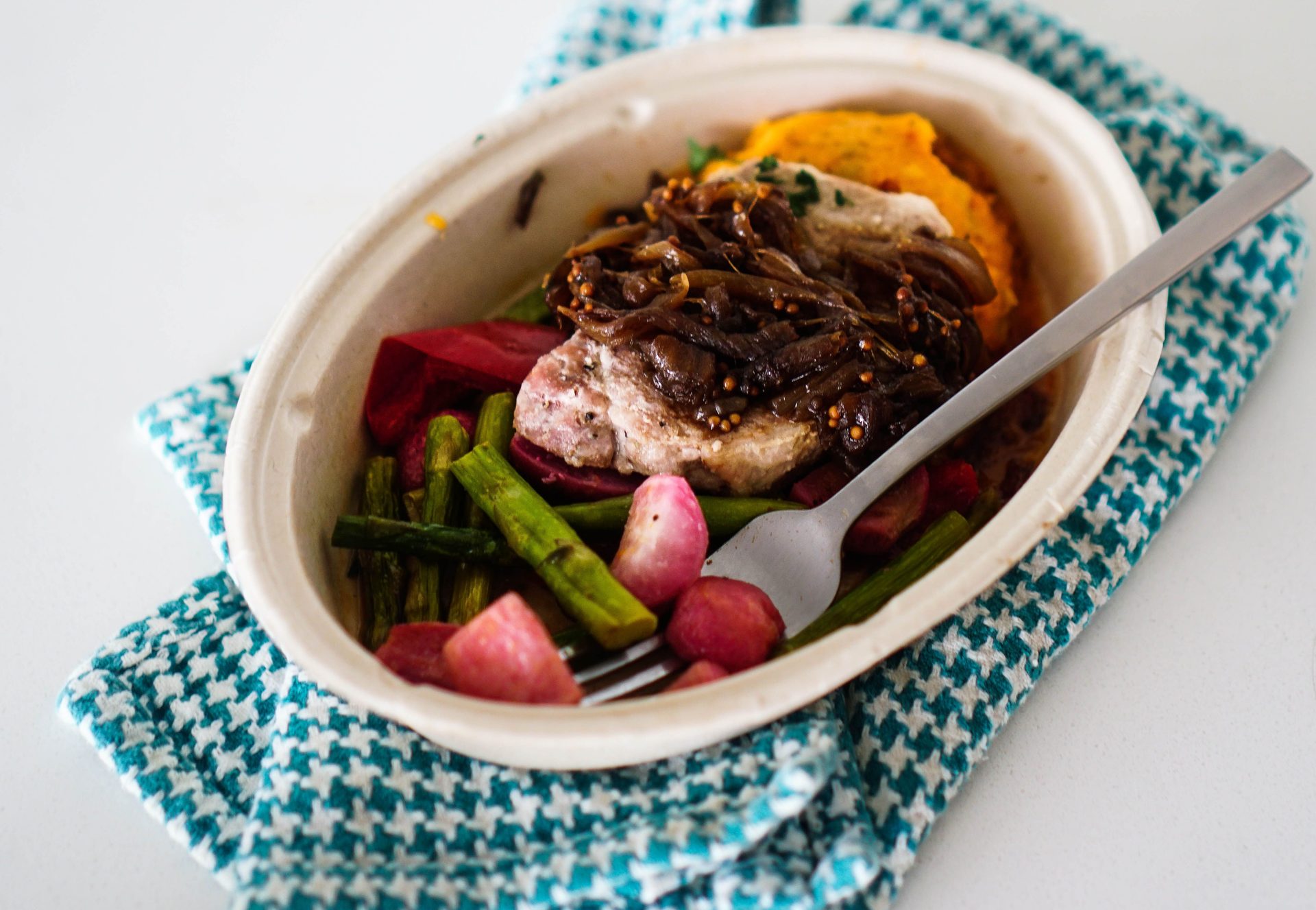
Factor meals are designed to make eating well as easy as possible — no prep, no cooking, just heat and eat. But when a delivery arrives and you know you won’t get through every meal before the “Enjoy By” date, the freezer starts looking like a smart backup plan.
The short answer is yes, you can freeze Factor meals. The longer answer involves a few important caveats about texture, packaging, timing, and which meals hold up best. This guide covers everything you need to know to freeze your Factor meals the right way and still enjoy them when you’re ready to eat.
Can You Freeze Factor Meals?
Yes, you can freeze Factor meals. The company recommends refrigerating food over freezing it through its customer support representatives and FAQ section, but you can still freeze meals to prolong their shelf life.
Each package of Factor meals comes with a label stating “Keep Refrigerated. Intended to be enjoyed fresh; freezing not recommended.” Despite this, Factor doesn’t explicitly prohibit freezing. Think of the freezer as your safety net — not the default plan, but a practical option when life gets in the way.
The fridge is the default plan. Freezing is your safety net for schedule slip-ups, travel weeks, or boxes that stack up faster than your appetite. If you know you’ll eat your meals within the week, skip the freezer and enjoy them fresh. If you won’t, freezing is far better than letting them go to waste.
Pro Tip: Check the “Enjoy By” date on each sleeve as soon as your box arrives. Decide right then which meals you’ll eat fresh and which ones to freeze — don’t wait until the last day.
Does Freezing Change the Texture or Taste of Factor Meals?
A fridge-first product is built for fresh texture and quick reheating. A freezer-first product is built to survive ice crystals, long storage, and microwave recovery. Factor meals lean fridge-first, so freezing can change texture in a way you may notice, especially with creamy sauces, tender fish, and crisp veggies.
From a practical standpoint, the texture and quality of frozen Factor meals can deteriorate. Freezing causes ice crystals to form within the food, which can rupture cell walls and lead to a mushy consistency upon reheating. This is especially noticeable in meals containing vegetables, grains, or proteins with high water content.
Not every meal suffers equally, though. Meals with seafood, mushrooms, creamy sauces, and vegetables with a high water content may be more affected by freezing. Chicken and pork dishes tend to freeze best.
You can freeze Factor meals that contain dairy, but certain dairy products may change in texture when thawed. Creamy sauces and cheeses might separate or become grainy after freezing, so it’s best to consume those meals fresh if possible. Similarly, meals with high water content, like salads or meals with delicate ingredients such as fresh greens, typically do not freeze well and may lose their texture and freshness upon thawing.
To minimize texture changes, package the meals properly before freezing and thaw and reheat them correctly. Factor meals may also undergo flavor changes if you freeze them in containers that are not airtight.
How to Freeze Factor Meals the Right Way
The difference between a disappointing frozen meal and a surprisingly good one usually comes down to how you prepared it for the freezer. Follow these steps to give your Factor meals the best shot at holding their quality.
- Freeze as soon as possible. Freeze meals before their “Enjoy By” date, preferably as soon as you receive delivery. The fresher the meal when it goes in, the better it comes out.
- Keep unopened meals in their original packaging. You can freeze unopened Factor meals in their original packaging. The sealed tray protects against air and odor absorption from your freezer.
- Transfer opened meals to airtight containers. Once opened, freeze Factor meals in freezer-safe zip-top bags or freezer-safe containers. Squeeze out as much air as possible before sealing.
- Add a freezer bag over the tray for extra protection. If the tray seal looks flimsy, add a freezer bag. That small layer can cut freezer burn and prevent your meals from picking up freezer odors.
- Label every meal. Keep track of what you freeze by labeling containers with the date you freeze them. Include the meal name so you’re not guessing later.
- Freeze flat when possible. Laying meals flat in the freezer speeds up the freezing process and helps preserve texture by reducing the time ice crystals have to form.
- Don’t overfill your freezer. Make sure meals are wrapped tightly so no air can get inside and cause freezer burn. It’s also important not to overfill your freezer, as this can reduce its efficiency over time.
Pro Tip: Consider freezing protein and sauce separately when possible. For best results, freeze the components of meals separately. For example, if a cooked chicken breast comes on a bed of mashed potatoes, remove it from the potatoes and freeze it separately. This helps each component retain its best texture.
How Long Can You Freeze Factor Meals?
There’s an important distinction between how long frozen Factor meals stay safe and how long they stay good. For freezer life, there are two separate ideas people mix together: safety and quality. Safety can last a long time if the freezer stays at 0°F (-18°C). Quality drops sooner, since ice crystals and oxidation take a toll on taste and texture.
| Storage Method | How Long | Notes |
|---|---|---|
| Refrigerator (unopened) | Up to 7 days | Check the “Enjoy By” date on the sleeve |
| Refrigerator (opened/leftover) | 3–4 days | Store in an airtight container |
| Freezer (unopened, original packaging) | Up to 3 months | Best quality within 2 months |
| Freezer (opened, transferred to freezer bag) | 3–4 weeks | Airtight container required |
| After thawing (in fridge) | 3–4 days | Do not refreeze once thawed |
If you’ve frozen Factor meals properly, it’s best to consume them within 2 months for the best taste and texture. Frozen Factor meals are good for around 3 months, but quality declines the longer they sit. Aim to eat them sooner rather than later for the best experience.
You shouldn’t freeze Factor meals if they have been in the fridge longer than a week. Also, don’t freeze or eat Factor meal leftovers if they have been sitting at room temperature for longer than 2 hours. These are hard limits, not suggestions — they apply to any cooked, perishable food.
How to Thaw Frozen Factor Meals
How you thaw a frozen Factor meal has just as much impact on the final result as how you froze it. Rushing the thaw is one of the most common reasons people end up with an uneven or rubbery texture.
You can defrost food safely in the refrigerator, in the microwave, or in cold water. If you have time, transfer frozen food to the refrigerator to keep it at a steady, safe temperature under 40°F overnight. The overnight fridge method is the most reliable — it thaws the meal slowly and evenly, which helps preserve texture.
If you’re short on time, you can reheat directly from frozen. If reheating directly from frozen, use the microwave or oven, ensuring the meal reaches an internal temperature of 165°F (74°C). Start at a lower power setting and increase gradually to avoid overheating the outside while the center is still cold.
Some users prefer reheating in a toaster oven for better texture, especially for ingredients like chicken. If you removed a sauce cup before freezing, add it back to the meal after reheating to maintain its integrity and flavor.
Important Note: Never thaw Factor meals on the counter at room temperature. According to the USDA Food Safety and Inspection Service , perishable food left between 40°F and 140°F enters the “danger zone” where bacteria multiply rapidly. Stick to the fridge, cold water, or microwave defrost methods.
Can You Refreeze Factor Meals After Thawing?
This is a firm no. Once you have frozen Factor meals, do not refreeze them after they have been thawed out. Doing so will change the texture and taste of the product and make it less appetizing overall.
From a practical standpoint, the texture and quality of refrozen Factor meals deteriorate significantly. Freezing causes ice crystals to form within the food, which can rupture cell walls and lead to a mushy consistency upon reheating. Each freeze-thaw cycle compounds this damage.
Thawed Factor meals can be safely stored in the refrigerator for up to 3–4 days. This allows flexibility for consumption without risking food safety. In contrast, refreezing introduces unnecessary hazards and reduces the overall quality of the meal.
The practical solution: only thaw what you plan to eat within the next few days. It is not advisable to freeze meals that have already been reheated, as this can lead to safety concerns and changes in texture and flavor. It’s best to freeze meals while they are still in their original unheated state.
How to Use Frozen Factor Meals (Best Uses After Freezing)
Once you’ve thawed a Factor meal, you have more options than just reheating it in its original tray. Depending on the meal type and how the freezing affected its texture, you might get better results by repurposing the components. This is especially useful if you subscribe to a whole plant-based diet and want to stretch your plant-forward Factor options further.
- Protein-forward meals (chicken, pork, beef): These freeze the best and reheat well as-is. Thaw meals in the refrigerator overnight and reheat them in the oven or microwave, ensuring they reach an internal temperature of 165°F. This helps maintain the original taste and texture.
- Meals with softened vegetables: If the veggies lost their crispness after freezing, chop them up and toss them into a stir-fry, soup, or grain bowl. The softer texture works well in cooked applications.
- Meals with separated sauces: Whisk separated cream sauces vigorously after reheating, or use them as a base for pasta or rice. Adding a splash of broth or cream can help restore consistency.
- Grain or rice sides: Frozen rice and grains can turn gummy. Add a tablespoon of water before microwaving and stir halfway through to redistribute moisture.
- Egg-based dishes: Avoid freezing egg-based meals, as they get soggy when defrosted or completely fall apart. If your meal contains eggs, it’s best not to freeze it.
If you’re focused on eating for specific health goals, knowing what’s in your meal matters as much as how you store it. Resources on foods that support heart health and nutrients that support cancer prevention can help you evaluate the nutritional profile of the Factor meals you choose to freeze versus eat fresh.
Signs That Frozen Factor Meals Have Gone Bad
Even with perfect freezer technique, meals don’t last forever. Knowing what to look for can save you from a bad meal — or worse, a foodborne illness. Here are the signs that a frozen Factor meal has passed its prime or gone bad entirely.
- Freezer burn: White or grayish patches on the surface of the food, or a dry, leathery texture. Freezer-burned food is safe to eat but will taste noticeably bland or off. Trim the affected areas before reheating if possible.
- Off odors after thawing: A sour, rancid, or otherwise unpleasant smell after thawing is a clear sign to discard the meal. Fresh Factor meals have a neutral to savory aroma — anything sharp or fermented is a red flag.
- Slimy or unusual texture: If the protein feels slimy after thawing, don’t eat it. This indicates bacterial activity, even if the meal was previously frozen.
- Discoloration: Significant color changes — gray meat, yellowed sauces, or darkened vegetables beyond what freezing normally causes — can signal spoilage.
- Ice crystal damage combined with age: Heavy ice crystal buildup inside the packaging, combined with the meal being frozen for longer than 3 months, is a sign quality has significantly declined even if safety isn’t in question.
The expiration date is there for a reason — don’t eat your Factor meal after the expiration date. Many foods are safe even after the expiration date, but Factor meals are perishable and don’t contain shelf life-prolonging substances. When in doubt, throw it out. No meal is worth a trip to urgent care.
Keeping your gut healthy matters beyond just avoiding bad food. If you’re interested in how diet affects your body’s natural defenses, check out this guide on foods that support liver function and this overview of foods linked to increased cancer risk — both are worth reading alongside any meal delivery routine.
Key Insight: A freezer stash only helps if you use it. Keep a short list on your phone, or line meals up so you grab the oldest frozen one first. First in, first out is the simplest rule to follow.
Frequently Asked Questions
Can you put Factor meals straight into the freezer when they arrive?
Yes. The longer your meals sit in the fridge, the greater the chance they’ll lose flavor and quality. It’s best to freeze them as soon as you receive them if you know you won’t eat them in time. Going straight from delivery box to freezer is perfectly fine.
Do Factor meals need to be removed from their original packaging before freezing?
Since the meals arrive already packaged in microwaveable trays and sealed, you can simply place the entire tray in the freezer if you won’t eat it right away. This helps preserve flavor and texture while preventing freezer burn. If the seal has been broken, transfer the meal to a freezer-safe bag or airtight container.
How do you know if a Factor meal is still safe to freeze?
You shouldn’t freeze Factor meals if they have been in the fridge longer than a week. Check the “Enjoy By” date on the sleeve — if that date has already passed, don’t freeze the meal. Freeze it while it’s still within the safe refrigerator window for the best results.
What types of Factor meals freeze the worst?
Some ingredients don’t freeze well. Avoid freezing meals with fresh salads, certain dairy-based sauces, or delicate ingredients like seafood, as their texture and quality will degrade. Stick to chicken, pork, and beef-based meals for the best freezer results.
Can you freeze Factor add-ons like smoothies or snacks?
Factor’s add-on items vary widely in ingredients, so check the packaging for each item individually. Smoothies and juice-based add-ons generally freeze well; protein bars and baked goods typically do not benefit from freezing. When in doubt, refrigerate and consume within the stated window.
Is it safe to eat a Factor meal that was accidentally left in the freezer for 4 months?
There are two separate ideas to distinguish: safety and quality. Safety can last a long time if the freezer stays at 0°F (-18°C). Quality drops sooner, since ice crystals and oxidation take a toll on taste and texture. FoodSafety.gov’s cold storage chart makes this distinction clear: freezer timelines are about quality, while continuous freezing at 0°F keeps food safe indefinitely. A meal frozen for 4 months at a consistent 0°F is likely safe but may taste noticeably worse than one eaten within 2–3 months.