Why Is My Mint Dying? Causes, Fixes, and Prevention Tips

September 21, 2026
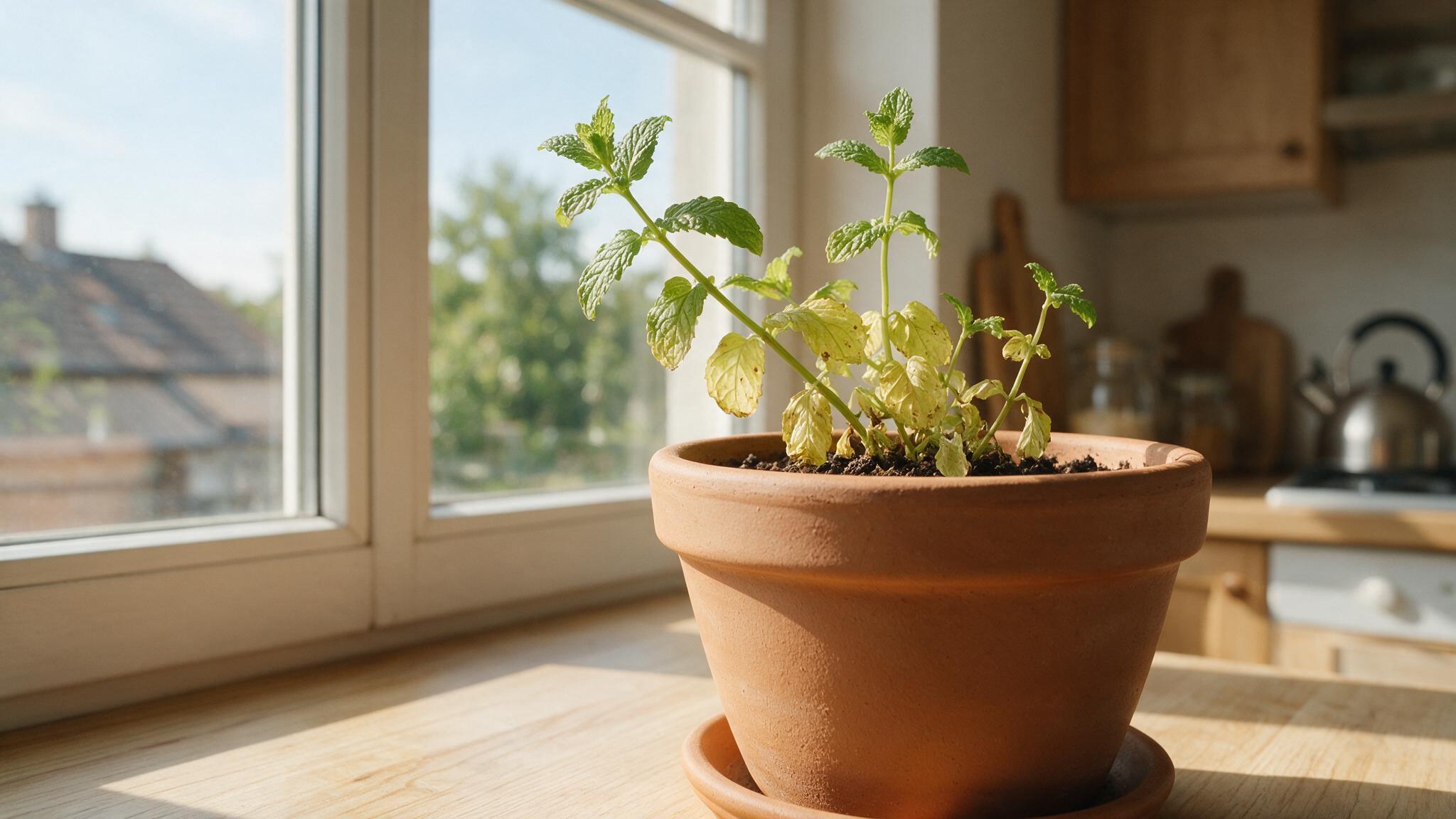
Mint has a well-earned reputation for being nearly impossible to kill — it spreads aggressively, bounces back from neglect, and thrives in conditions that would finish off more delicate herbs. So when your mint starts wilting, yellowing, or dropping leaves, it can feel genuinely alarming.
The good news is that a struggling mint plant almost always has a fixable cause. Whether you’re growing it in a pot on a sunny windowsill, in a raised bed, or tucked into a garden corner, understanding what’s gone wrong is the first step toward bringing it back. This guide walks you through every major reason mint declines and gives you clear, actionable steps to diagnose, fix, and prevent the problem going forward.
What Does It Mean When Your Mint Is Dying?
Mint (Mentha spp.) is a perennial herb that, under the right conditions, spreads so vigorously that most gardeners grow it in containers just to keep it contained. Its reputation for being nearly impossible to kill makes it all the more frustrating when a robust plant begins to decline — because that decline signals a specific imbalance in its environment or care routine.
When mint begins to wilt, yellow, or drop leaves, immediate investigation is required. These symptoms are your plant’s way of communicating that something in its environment — water, light, soil, temperature, or biology — is off. The faster you identify the cause, the better your chances of a full recovery.
A dying mint plant will likely present a couple of signs before it fades away. Common warning signals include wilting or drooping stems, yellowing or browning leaves, leggy and stretched growth, mushy stems at the base, a foul smell from the soil, or visible pests on the foliage. Each symptom points toward a different root cause, which is why diagnosis matters before you reach for the watering can or fertilizer.
Pro Tip: Check the season before you panic. Mint can die back for the winter and when it becomes dormant, the leaves will turn brown and fall off. However, if the leaves are turning yellow and then brown during spring, summer, or too early in autumn, then your plant might be distressed.
Is Dying in Mint Always a Sign of a Problem?
Not always. Mint is a perennial plant, and in many parts of the United States — particularly in USDA hardiness zones 5 through 8 — it naturally dies back to the ground each fall and re-emerges in spring. Mint can die back for the winter and when it becomes dormant, the leaves will turn brown and fall off. However, if the leaves are turning yellow and then brown during spring, summer, or too early in autumn, then your plant might be distressed.
Mint is extremely resilient and can re-grow from small leftover stems in the soil. In colder climates, these plants might die back during winter and will re-grow in spring. Re-growth is only possible if there are some healthy rooted stems left underground and if the plant has the needed conditions.
Post-harvest dieback is another normal occurrence. Mint is a living plant that won’t cope with rapid and complete defoliation. If you’ve harvested heavily and the plant looks ragged, that’s not the same as a plant in crisis — it just needs time and proper care to regenerate. True distress looks different: it comes with soft, mushy tissue, foul odors, visible pest damage, or progressive decline during the growing season.
Watering Issues Causing Mint to Die
Improper water management is the most frequent cause of decline in mint plants. Both overwatering and underwatering can kill mint, and the symptoms can look surprisingly similar — which is why checking the soil before acting is always the right first move.
Overwatering and Root Rot
Overwatering causes root rot, where roots turn mushy and black due to lack of oxygen, preventing nutrient absorption. A plant suffering from overwatering often displays yellowing lower leaves and general wilt, which can be confusing given the saturated soil.
You may notice wilting even though the soil feels wet, mushy stems at the base, a sour or stagnant smell, yellowing lower leaves, or, if you check the roots, a brown or black appearance instead of healthy white ones. If you’re growing mint indoors, a common mistake is watering mint indoors the same way you would outside, but indoors the soil dries much more slowly, and cooler temperatures reduce evaporation, meaning the plant uses far less water.
Underwatering
Underwatering causes leaves to droop, become crispy at the edges, and the soil to feel dry. While mint prefers consistently moist soil, it does not tolerate soggy conditions. Container-grown mint is especially vulnerable — container plants, especially in terracotta, may need more frequent watering due to increased evaporation.
The best way to judge when to water is simple: stick one finger in the soil about 1 inch deep. If it feels very dry, then you’ll know it’s time to water. But if the soil is still moist, give it a day or two and check again. Also, when you water mint, add water to the soil, not the foliage, to avoid mildew.
Pro Tip: Revive an underwatered mint plant by watering it from below. Place the pot in a basin or tray filled with water to half the height of the pot and let it soak for 10 minutes.
Light Conditions Behind Mint Dying
Light is one of the most commonly misunderstood aspects of mint care. The plant needs bright light to thrive, but too much direct afternoon sun — especially in hot US climates like the Southwest or Southeast — can be just as damaging as too little.
Too Much Direct Sun
Mint prefers full sun in cooler regions or partial shade, specifically afternoon shade, in areas with intense summer heat. Excessive, direct afternoon sun in hot climates can lead to leaf scorching, identified by brown, crispy edges, and rapid wilting.
Shade-loving mint prefers morning sunshine on its leaves because it dries out overnight dew and stops fungus in its tracks. Afternoon or evening sun burns its foliage, turning it crispy and encouraging an early death. If you’re growing mint outdoors in a Southern state, consider moving it to a spot that receives afternoon shade during the hottest months.
Too Little Light
A lack of sufficient light, especially indoors, causes the plant to stretch, resulting in long, thin, spindly stems with fewer, paler leaves — known as etiolation. Mint thrives best with 4 to 6 hours of direct sunlight daily, ideally morning sun. Indoors, placing mint near a south or east-facing window provides adequate light.
If natural light is limited, a basic full-spectrum LED grow light can make all the difference. Place the light about 6 to 12 inches above the plant so it receives steady, usable light without stress. Run it for 10 to 12 hours a day, and use a simple outlet timer to keep the schedule consistent. For more guidance on choosing the right houseplant placement, check out this guide to best houseplants for low-light areas.
Soil, Nutrients, and Root Health Causing Mint to Die
Soil quality directly determines how well your mint’s roots can absorb water and nutrients. Poor soil structure, wrong pH, nutrient imbalance, or a root system that has outgrown its container can all push a healthy-looking plant toward decline.
Soil pH and Structure
Mint prefers a slightly acidic to neutral soil pH (6.0 to 7.0) and requires a loose soil structure for optimal root health. Mint enjoys well-drained soil, but that doesn’t mean sandy or chalky soil is adequate. Fertile, well-drained soil is important because mint won’t receive the nutrients it needs without rich organic content.
Heavy clay soil is equally problematic. Heavily compacted clay soil causes water to remain still on the surface, meaning it never reaches the root system. Amending your soil with compost, perlite, or aged bark helps create the loose, moisture-retaining structure that mint roots need.
Nutrient Deficiency vs. Over-Fertilization
Mint is a light feeder and does not require heavy fertilization, making nutrient excess more common than deficiency. Over-fertilization, especially with high-nitrogen formulas, can lead to nitrogen burn. This damages the roots, resulting in browned leaf tips and plant collapse.
On the flip side, regularly harvested mint plants desperately need fertilizer to grow back their foliage. Without fertilizer, mint plants can’t grow enough foliage to photosynthesize their nutrients, so they die. Nutrition-deficient mint appears stunted, turns yellow, and won’t flower. If you suspect over-fertilization, thoroughly flush the soil with a large volume of plain water to leach out excess soluble salts.
Rootbound Containers
Another common stressor is becoming rootbound, where the extensive root system fills the container, restricting nutrient and water uptake. When rootbound, the dense, tangled roots can mimic symptoms of underwatering and nutrient deficiency. If you notice roots circling the bottom of the pot or poking through drainage holes, it’s time to repot into a container that is 2 to 3 inches wider. You can explore a wide range of types of plants that also benefit from regular repotting to keep root systems healthy.
Environmental Stress Triggering Mint to Die
Temperature swings, humidity extremes, and poor air circulation are often overlooked culprits when mint starts to struggle — particularly for indoor growers across the US, where central heating and air conditioning create challenging micro-climates.
Temperature Extremes
Mint performs best between 60 and 75°F (15 to 24°C), and once temperatures fall below 50°F (10°C), leaf drop and slowed growth are common reactions. Outdoors, generally speaking, mint can cope with frost and sub-zero temperatures, but prolonged snowfall can damage its stems.
For indoor plants, even when a home feels uniformly warm at 68 to 72°F, micro-climates still form: heat blasts from vents, chilly windows at night, cold air sneaking in when doors open, or cool surfaces like floors and sills. These sudden highs and lows can quickly shock the plant because mint relies on steady conditions to stay healthy.
Low Humidity
During winter, central heating becomes the norm, but while it keeps us warm, it also removes moisture from the air, often reducing indoor humidity to just 10 to 20%. For mint — naturally found near streams and damp meadows — these conditions are far too dry, since it thrives closer to 50 to 60% humidity.
When the air becomes this dry, the plant reacts quickly, showing signs like curled or crispy leaf edges, brown tips, leaf drop, and soil that dries rapidly on top. A small humidifier near your plant or a pebble tray filled with water can help raise humidity to a more comfortable range. Keep mint away from heating vents and air conditioning units whenever possible.
Heat Stress
Aromatic, tasty mint enjoys cool and damp conditions. Too much direct sun scorches its foliage, but heat exhaustion can also come from simple heat, even in the shade. For example, mint in a greenhouse, cold frame, or a sun-trap porch can overheat and die. If it’s hot out and your mint has rolling or cupping leaves, it could be heat stress.
Pests and Disease Leading to Mint Dying
Mint is susceptible to biological threats, including insects and fungal diseases, that can rapidly compromise its health. Catching these problems early makes treatment far more effective — and prevents the issue from spreading to nearby plants.
Common Insect Pests
Common insect pests include spider mites and aphids, which feed on the plant’s sap. Spider mites are evidenced by fine webbing on the stems, while aphids congregate on new growth and leave behind honeydew. Symptoms of aphid infestation include curled or distorted leaves, yellowing, and sticky honeydew leading to sooty mold.
Aphids, caterpillars, mint rust, mites, loopers, and flea beetles are just a few of the many pests that might infest your mint shrubs. If left untreated, these pests can be very damaging. If you notice nibbled leaves or holes in your mint leaves, it is a sign of cutworm infestation. For organic treatment, a strong, targeted spray of water can dislodge many pests. For persistent infestations, an application of insecticidal soap or neem oil provides an organic treatment option.
Important Note: Aphids not only destroy the mint plant, but they are also responsible for transmitting diseases like mosaic virus and rust. If you spot an aphid infestation, act quickly to prevent secondary disease spread. You might also find it helpful to understand which companion plants help deter common garden pests naturally.
Fungal Diseases
Mint rust, caused by the fungus Puccinia menthae, is identifiable by dusty, orange-to-brown pustules on the undersides of the leaves and stems. This disease thrives in humid, overcrowded conditions, causing leaf distortion and premature leaf drop.
Powdery mildew is another frequent fungal problem, appearing as a fine, white or grayish coating on the upper leaf surfaces. This inhibits photosynthesis and stunts growth. Proper air circulation is a primary preventative measure for both rust and mildew, achieved by spacing plants correctly and pruning dense foliage.
Viral Diseases
Mint is vulnerable to infection by viral diseases from the mosaic virus family. This group of viruses includes Tobacco Ringspot Virus, Cucumber Mosaic Virus, and Tomato Aspermy Virus. In general, these diseases appear as a patchwork of discoloration on the leaves. The viruses destroy the chloroplasts — the green organs within the leaf that produce food from sunlight via photosynthesis. With this important ability destroyed, your mint will wither and die. There is no cure for mosaic virus; infected plants should be removed and disposed of to prevent spread.
How to Diagnose Why Your Mint Is Dying
A methodical inspection takes just a few minutes and can save you from applying the wrong fix. Whether it’s indoors or outdoors, you should start by examining your plant to see what kind of problems or deficiencies its symptoms point to. Work through this checklist in order:
- Check for pests first. When you play detective, it is always best to start with a physical inspection. Check the plant for pests. Look at the undersides of leaves for spider mites, aphids, or flea beetles, and check stems for webbing or sticky residue.
- Inspect the soil moisture. Inspect the soil and see if it is too dry or too wet. If the plant is pest-free and the soil is good, your issue is likely moisture or light related.
- Check the roots. Check if the roots are soggy, black, and emitting a foul smell — a clear sign of root rot from overwatering. Healthy roots are white and firm.
- Evaluate the light environment. If the upper leaves are pale or the plant seems less vibrant, it’s likely a sign of light deprivation. Conversely, leaves with brown tips or edges might be suffering from too much direct sunlight or heat stress.
- Look for fungal symptoms. Signs of fungal diseases in mint plants include pale and deformed shoots, dusty orange pustules on stems and leaves, and the development of yellow or black bumps.
- Consider the temperature and humidity. If the plant is near a heating vent, drafty window, or air conditioner, environmental stress is a likely contributor.
You can also use a plant identification app or an Android plant app to help match your mint’s symptoms to specific problems quickly.
| Symptom | Most Likely Cause | Quick Check |
|---|---|---|
| Yellowing lower leaves, wilting despite wet soil | Overwatering / root rot | Check roots for black, mushy texture |
| Crispy, drooping leaves, dry soil | Underwatering | Finger test — soil dry 1 inch down |
| Leggy, pale, spindly stems | Insufficient light | Count daily sun hours at current location |
| Brown, crispy leaf edges | Too much direct sun or low humidity | Check afternoon sun exposure and indoor humidity |
| Orange or white powdery coating on leaves | Mint rust or powdery mildew | Inspect undersides of leaves for pustules |
| Fine webbing on stems, yellow speckles | Spider mites | Look for tiny moving dots or webbing |
| Curled leaves, sticky residue | Aphids | Check new growth and undersides of leaves |
| Stunted growth, browned leaf tips | Over-fertilization or nutrient deficiency | Review recent fertilizer application history |
How to Fix a Mint Plant That Is Dying
The good news is a dying mint can be revived. You only need to identify the specific issue affecting your plant and correct it accordingly. Here’s how to address each major problem:
Fixing Overwatering and Root Rot
Remove the plant from its pot and inspect the roots. Trim away any black, mushy roots with sterile scissors. Allow the remaining roots to air out for 30 to 60 minutes, then repot in fresh, well-draining soil. If it’s in a pot, make sure that pot has holes for drainage. Going forward, only water your mint when the top inch of soil is dry.
Fixing Underwatering
Establish a consistent watering schedule, checking soil moisture regularly. Feel the top inch or two of soil; if dry, water thoroughly until drainage occurs. For a quick revival of wilted leaves, you can place them in a bowl of icy cold water. Submerge the mint stems and all under the cold water and keep them in icy conditions for 15 to 40 minutes.
Fixing Light Problems
If your mint has too much direct sun, move it to a spot that gets morning light and afternoon shade. Start by cutting away any dead or dying leaves. Mint can recover even if all of the foliage is pruned away. After giving your plant a strong prune, you can place it in a partial sun position with 4 to 6 hours of direct sunlight per day.
Fixing Pest Infestations
The first thing to do to eradicate the pests is to quarantine your plant. Isolate it so that it cannot infect another plant. Then treat with insecticidal soap or neem oil spray, targeting the undersides of leaves where pests hide. Wipe down the leaves with a damp cloth or use a gentle spray of water to disrupt the pests’ habitat. Repeat every 5 to 7 days until the infestation clears.
Fixing Fungal Disease
If an infection is present, immediately removing and disposing of affected leaves helps prevent spore spread. The best way to combat mint rust is to ensure you thin out your plant to facilitate the free flow of air. This causes the fungus to dry out without even applying any chemical fungicides. For powdery mildew, a diluted neem oil spray applied weekly can help clear the infection. Severe cases of stolon rot or blight may require starting over with a new plant and fresh soil.
Fixing Nutrient Imbalance
If your mint is in old, depleted soil, repotting the plant in different, better soil will give your mint access to new minerals and nutrients. If the soil is relatively fresh, apply a diluted balanced liquid fertilizer once a month during the growing season. Avoid high-nitrogen formulas, and never fertilize a stressed or root-rotted plant until it begins to recover.
How to Prevent Mint from Dying Going Forward
Once your mint is recovering, a few consistent habits will keep it healthy through every season. Prevention is far easier than rescue, and most of these steps take just minutes each week.
- Water by soil feel, not by schedule. A common mistake that gardeners make is to water this plant on a schedule instead of being guided by the moisture level in soil. Always do the finger test before watering.
- Give it the right light. Ideal placement provides four to six hours of direct morning sun, which encourages flavorful oil production without inducing heat stress.
- Maintain good air circulation. Densely-foliaged mint needs fresh air circulating its leaves to prevent condensation and humidity, which lead to fungal infections. Space plants properly and prune regularly.
- Repot when rootbound. Check your container mint every spring. If roots are circling the bottom or emerging from drainage holes, move it up to a larger pot with fresh potting mix.
- Fertilize lightly and only when needed. Mint is a light feeder and does not require heavy fertilization, making nutrient excess more common than deficiency. A diluted balanced fertilizer once a month during active growth is usually sufficient.
- Inspect regularly for pests. Prevention is key. Regularly inspect your sweet mint for early signs of infestation. Catching pests in the first week is far easier than dealing with a full infestation.
- Protect from temperature extremes. Move outdoor containers inside before the first frost, and keep indoor plants away from drafty windows and heating vents.
- Harvest correctly. Never remove more than one-third of the plant at a time. Regularly harvested mint plants desperately need fertilizer to grow back their foliage. After a heavy harvest, apply a light feeding to support regrowth.
Pro Tip: Growing mint in containers is a smart long-term strategy. It prevents the roots from invading garden beds, makes it easier to control watering and soil quality, and lets you move the plant to adjust for seasonal light and temperature changes. If you’re looking to expand your herb garden, see how companion planting can benefit your whole garden ecosystem.
If you’re also managing other plants in your home or garden, keeping pests away from your mint can be part of a broader pest management strategy. Resources like plants that repel wasps, plants that repel snakes, and how to keep cats out of houseplants can help you build a healthier growing environment overall.
FAQ
Can a Dying Mint Plant Be Saved?
The hardy plant can usually be brought back from the brink as long as you properly diagnose the problem and treat it. Even severely wilted or heavily pruned mint can recover if the roots are still healthy and the underlying cause is corrected. Start by identifying the problem, fixing the environment, and giving the plant time to bounce back.
Why Is My Mint Wilting Even Though the Soil Is Wet?
This is a classic sign of overwatering and root rot. Mint requires consistently moist soil but cannot tolerate being waterlogged, which suffocates the roots. Overwatering causes root rot, where roots turn mushy and black due to lack of oxygen, preventing nutrient absorption. Remove the plant from its pot, trim dead roots, and repot in fresh, well-draining soil.
Why Are My Mint Leaves Turning Yellow?
Yellow leaves can point to several issues. Improper watering is a primary cause of mint plant decline, encompassing both overwatering and underwatering. Overwatering often leads to yellowing leaves, wilting despite wet soil, and mushy stems. Nutrient deficiency, insufficient light, and pest infestations can also cause yellowing. Check the soil moisture first, then inspect for pests and evaluate light levels.
How Often Should I Water My Mint?
There is no universal schedule — it depends on your pot size, soil type, temperature, and whether the plant is indoors or outdoors. Establish a consistent watering schedule, checking soil moisture regularly. Feel the top inch or two of soil; if dry, water thoroughly until drainage occurs. In hot summer weather, outdoor mint may need water every day. Indoor mint in winter may only need water once or twice a week.
Why Is My Mint Growing Leggy and Pale?
Insufficient light results in leggy growth, where stems stretch excessively, leading to sparse, pale leaves. Mint thrives best with 4 to 6 hours of direct sunlight daily, ideally morning sun. Move the plant to a brighter location or supplement with a grow light placed 6 to 12 inches above the plant.
What Are the White Spots on My Mint Leaves?
Powdery mildew appears as white, powdery spots on leaves and stems, often leading to yellowing and shriveling. Improve air circulation around the plant, remove affected leaves, and apply a diluted neem oil spray weekly. Avoid wetting the foliage when watering, as moisture on leaves encourages fungal growth.
Should I Cut Back a Dying Mint Plant?
Yes — pruning is one of the best recovery tools available. To rescue a dying mint plant, you can start by pruning away dead and damaged foliage or stems. Mint can recover even if all of the foliage is pruned away. After pruning, address the underlying cause (water, light, pests) and give the plant a few weeks to regenerate new growth.