Why Are My Bean Plants Turning Yellow? Causes, Fixes, and Prevention

October 1, 2026
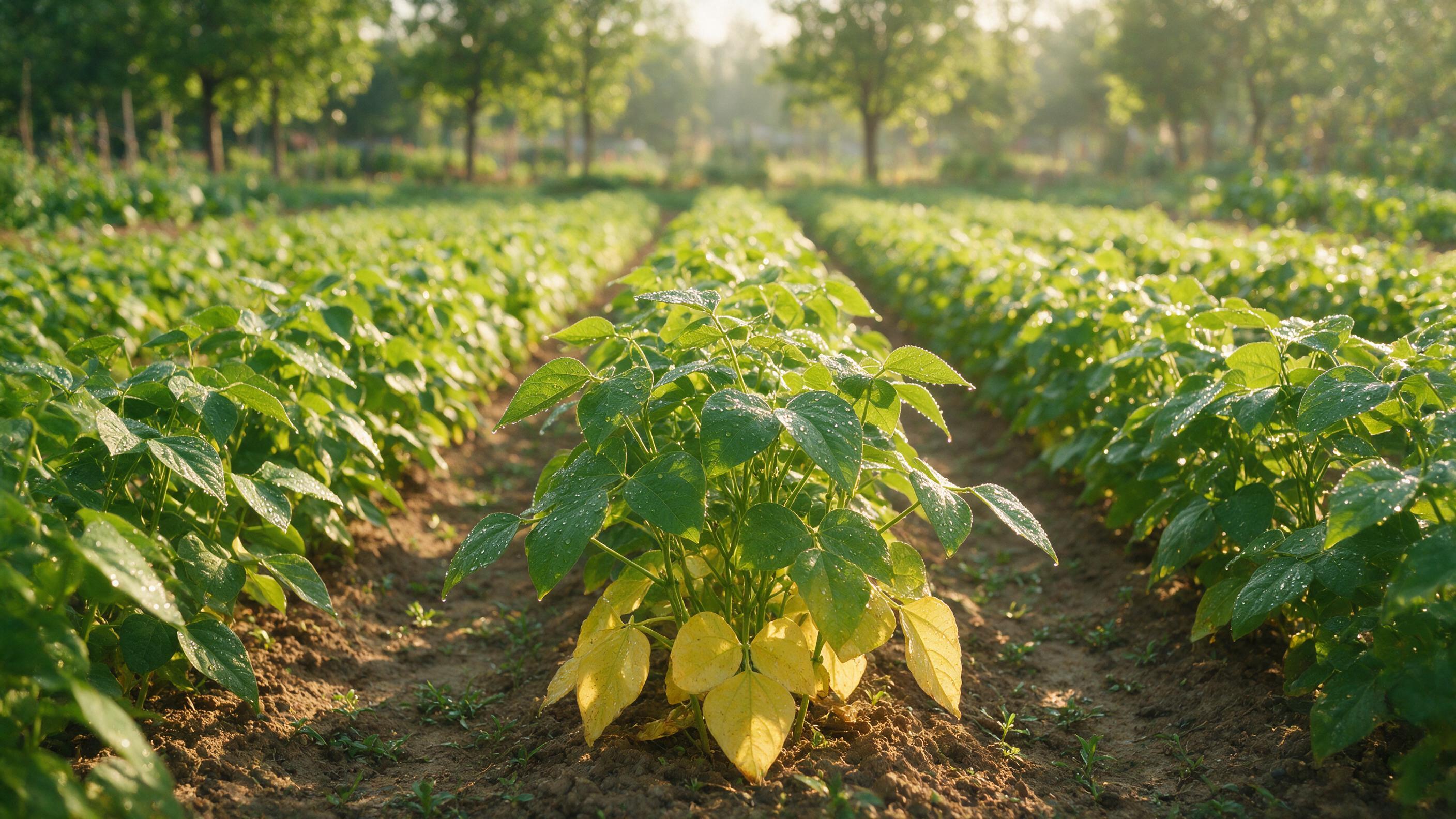
You head out to the garden expecting to see rows of healthy green foliage, and instead you find your bean plants looking pale, washed out, or downright yellow. It’s one of the most common frustrations for home gardeners across the United States, and the good news is that it’s almost always fixable once you know what’s causing it.
Bean plant leaves turn yellow primarily due to nitrogen deficiency, overwatering, or root rot — but the exact cause depends on pattern, timing, and environmental context. That means a little detective work goes a long way. This guide walks you through every major cause, how to diagnose the specific problem in your garden, and exactly what to do about it.
What Does It Mean When Your Bean Plants Are Turning Yellow?
Yellowing — technically called chlorosis — is never a disease itself. It’s a visible symptom of disrupted chlorophyll synthesis or accelerated breakdown. In other words, the yellow color is your plant’s way of telling you something in its environment isn’t right.
Beans are one of the easiest vegetables to grow, but it’s not uncommon to see leaves on bean plants turning yellow. It may be a natural progression of the growing season, or it may indicate a problem with the soil or plants. The key is learning to tell the difference.
Yellowing leaves on bean plants are usually a sign of stress. The cause may be simple, such as watering issues, or more complex, like plant diseases or nutrient deficiencies. When you see leaves on green beans turning yellow, the key is to look closely at the pattern of yellowing and respond early.
Whether you’re growing bush beans or pole beans in a backyard garden bed, raised planter, or container on a patio, the same set of causes applies. For a broader look at the different types of beans you might be growing and their individual quirks, that’s a helpful starting point before diving into diagnosis.
Is Yellowing in Bean Plants Always a Sign of a Problem?
Not always. Some yellowing is completely normal and nothing to worry about. If only older lower leaves yellow uniformly and gradually, it’s likely natural senescence or a mild nitrogen shortage. As bean plants mature and produce pods, they naturally redirect energy away from older foliage, causing those bottom leaves to fade and drop.
Yellowing leaves due to a lack of light is most common on foliage at the bottom of the plants. These leaves are older and often more shaded than the new growth at the tops of the plants. If the yellowing is limited to a few older leaves at the base and new growth at the top looks healthy and green, you can usually relax.
The situation calls for attention when yellowing is spreading upward, appearing on new growth, or accompanied by other symptoms like wilting, spots, or stunted pods. If yellowing appears suddenly, spreads upward, includes interveinal chlorosis (yellow between veins), or coincides with soggy soil and stunted growth, suspect waterlogged roots, iron or manganese deficiency, or fungal infection.
Pro Tip: Take a photo of your bean plants every few days when you first notice yellowing. Tracking whether the problem is spreading — and in which direction — is one of the fastest ways to narrow down the cause.
Watering Issues Causing Bean Plant Yellowing
More often than not, the cause for green beans yellowing is improper watering. Both under-watering and over-watering your plant can cause discoloration for a few different reasons. The tricky part is that both problems can look similar on the surface, which confuses a lot of gardeners.
Too much moisture in the soil can cause oxygen deficiency; root rot is caused by the roots suffocating in the waterlogged conditions. An overwatered bean plant will have yellow and limp leaves. Over-watering suffocates the plant, which also deprives it of nutrients.
On the flip side, a lack of water will leave plants thirsty and unable to absorb and transport nutrients around the plant. This can cause the plant to wilt and leaves to discolor, while in extreme cases the foliage will prematurely drop due to a lack of water.
When you under-water your plant, it’s unable to absorb nutrients. Water is the vehicle that transports nutrients to the farthest reaches of your plant. So even if your soil has plenty of nutrients, a dry plant simply can’t access them.
Bean plants want the soil to be consistently moist, but not waterlogged. Green beans need roughly two inches of water per week. A simple finger test — pushing your finger about an inch into the soil — tells you whether to water or hold off. If the plant has been overwatered, do not water again until the soil dries out and adjust the watering schedule going forward, potentially using a soil moisture meter to help guide you when to water.
Light Conditions Behind Bean Plant Yellowing
Yellowing leaves on bean plants can be the result of insufficient light. Beans grow best when planted in a site that receives 8 to 10 hours of direct light each day. They can take 4 to 6 hours of light, but won’t produce as well as they would in full sun.
The reason is that bean plants cannot produce sufficient chlorophyll without adequate light. A lack of sun may also prevent rainwater from drying on leaves, resulting in fungal infections. So poor light placement creates two problems at once.
Too much intense sun can also be an issue. Garden expert and botanist Kiersten Rankel explains that while not enough light can lead to “pale, leggy growth,” too much intense sunlight can also contribute to yellowing leaves. “While beans generally love bright conditions, too much intense sunlight can stress the plants, causing leaf discoloration,” says Kiersten.
Green beans do not yellow from “too much sun” alone — even in full-sun gardens. They thrive in 6 to 8 or more hours of direct light. Observed sunburn appears as bleached, papery brown patches, not uniform yellowing. Knowing this distinction helps you avoid shading healthy plants unnecessarily.
If you’re working with a shadier yard or growing beans indoors near a window, check out this guide on the best houseplants for low-light areas to understand how light requirements differ across plant types — it can help you better calibrate your outdoor bean placement too.
Soil, Nutrients, and Root Health Causing Bean Plant Yellowing
Leaves on bean plants turning yellow can be an indicator of a lack of nutrients. Regular soil tests can highlight any particular deficiencies in the ground that need to be addressed ahead of planting the crops. “A lack of essential nutrients, particularly nitrogen, can result in yellowing as the plant struggles to produce chlorophyll,” says Reese L. Robbins, creator of Just Pure Gardening.
Beans need a balanced supply of nutrients to grow well. A deficiency in nitrogen, potassium, or magnesium can lead to chlorosis, where leaves turn yellow while veins remain green. The pattern of yellowing often tells you which nutrient is missing:
- Uniform yellowing of older, lower leaves is a classic sign of mobile nutrient deficiency — especially nitrogen or magnesium. New growth remains green.
- Interveinal chlorosis (yellow between veins while veins stay green) is a strong indicator of iron, manganese, or zinc deficiency — most often linked to high soil pH above 7.2 or excessive phosphorus fertilizer.
- If your plant’s leaves show yellow edges with green centers — sometimes called “arrowheads” — it’s often a sign of magnesium deficiency. This deficiency often starts in the older leaves due to magnesium’s mobile nature.
Aim for a soil pH level between 6 and 7. Iron is essential for chlorophyll production, but unlike nitrogen, iron doesn’t move freely within the plant. When soil pH rises above 7.2 — common in limestone-rich or over-limed soils — iron converts to insoluble oxides. Plants can’t absorb it, even if soil tests show high iron levels.
Beans are legumes and can fix nitrogen through root nodules, but they still need healthy soil. Poor soil fertility or low organic matter can cause bean plants to turn yellow. Incorporating organic matter, such as compost or well-rotted manure, into the planting site can boost fertility, and adding slow-release balanced vegetable fertilizer when planting beans will provide much-needed nutrients as they develop.
Root health matters just as much as soil chemistry. If you have planted your green beans in a container, compacted roots may be the reason for yellowing leaves. When the plant has outgrown the container it is grown in, the roots become compacted and damaged, and thus, the leaves will yellow and fall off. This is because the roots will not be able to deliver the nutrients and water necessary to keep the plant healthy.
Pro Tip: Get a basic home soil test kit from your local garden center before planting season. Testing pH and nutrient levels once a year gives you a clear picture of what your soil needs — and prevents guesswork later in the season.
Environmental Stress Triggering Bean Plant Yellowing
Green beans flourish in warm weather, ideally between 70 and 80°F. Prolonged temperatures above 90°F or below 60°F can induce leaf yellowing due to heat or cold stress interference with nutrients. Gardeners in the Deep South, Southwest, and other regions with extreme summer heat are especially likely to see heat-stress yellowing during peak summer months.
Extreme heat can stress plants and cause green beans to turn yellow, especially during flowering. Consistent moisture and mulching help reduce stress. A 2- to 3-inch layer of straw or wood chip mulch around the base of your plants helps regulate soil temperature and retain moisture during heat waves.
Bush and pole bean plants need to be spaced at the right distance in order to access maximum light, water, and nutrients. If you overcrowd plants, they’ll be in competition, and that can produce stunted plants or yellowing leaves. Plant bush beans 2 inches apart with rows spaced 18 to 30 inches apart. Space pole bean seeds 3 inches apart at the base of a trellis.
It’s best to plant beans where they get plenty of sunlight so they can make the chlorophyll that keeps leaves green, but it’s also necessary to space them far enough apart so one plant is not shading another.
Choosing good companion plants can also reduce stress on your beans by improving airflow and deterring pests. Take a look at the best companion plants for beans to find pairings that support healthy growth throughout the season.
Pests and Disease Leading to Bean Plant Yellowing
Both pests and diseases can be reasons for bean plants turning yellow. It pays to know the signs of common issues that can impact bean plants and the best remedies when required.
Common Pests
If you see speckled yellowing and fine webbing, spider mites may be feeding on the undersides of green bean leaves. These tiny pests suck plant juices and cause stippling that turns leaves yellow. Rinse plants with water to reduce populations. If needed, apply insecticidal soap in the evening to avoid leaf burn.
Heavy aphid infestations can also cause bean leaves to turn yellow by draining plant sap. Encourage beneficial insects or use insecticidal soap as directed. Aphids are also responsible for spreading mosaic virus from plant to plant, making early control doubly important.
Mexican bean beetles skeletonize the leaves of bean plants, which can cause them to look yellow from a distance. Up close, you’ll see the lacy pattern of the damage.
Common Diseases
Bacterial blight and halo blight can cause discolored spots or lesions on the foliage that have a yellow halo around them. Choose blight-resistant types of beans and use crop rotation to avoid the disease moving around the kitchen garden.
Bean mosaic virus and yellow mosaic virus will produce yellow patterns on leaves. The disease is often spread by aphids and infected plants will need to be destroyed. Always sanitize any gardening tools before use and plant disease-resistant varieties of beans to manage viral diseases.
Fungal pathogens like Fusarium solani (root rot) or bacterial blight (Pseudomonas syringae) disrupt vascular flow, starving leaf tissue of water and nutrients. These soil-borne pathogens are why crop rotation is so strongly recommended for beans year after year.
If you’re also growing tomatoes nearby, keep in mind that some of the same pests and diseases affect both crops. The guide on different plants to grow with tomatoes covers compatible garden pairings that can help reduce disease pressure across your whole vegetable patch.
How to Diagnose Why Your Bean Plants Are Turning Yellow
Before adjusting care, spend 5 minutes observing three layers: leaf pattern, soil condition, and plant vigor. This triad eliminates guesswork. Here’s a simple framework to work through:
- Look at where the yellowing starts. Nitrogen deficiency often appears as uniform yellowing on older leaves first. If it’s the newest leaves turning yellow while older ones stay green, suspect an iron or pH issue.
- Check the pattern within the leaf. You can usually detect nutrient deficiency if the leaves are yellow but the veins are green. Solid uniform yellowing points more toward watering or root problems.
- Feel the soil. Push your finger an inch into the soil. Soggy, waterlogged soil with yellow drooping leaves points to overwatering or root rot. Bone-dry soil with wilted yellow leaves points to drought stress.
- Inspect the undersides of leaves. Yellow mottling or stippling with fine webbing underneath indicates a two-spotted spider mite infestation — common in hot, dry conditions with poor air circulation.
- Look for spots, halos, or patterns. Yellow halos around brown spots or lesions point to bacterial blight or anthracnose. Look for angular, water-soaked margins on leaves and black specks on pods.
- Check the roots if all else fails. Sudden, whole-leaf yellowing with drooping even in moist soil is a root rot signature. Gently lift one plant: healthy roots are creamy white and firm; infected ones are brown, slimy, and detach easily.
If you want a tech-assisted approach to plant ID and diagnosis, the best iPhone apps for identifying plants and best Android apps for identifying plants can help you photograph symptoms and get a second opinion fast.
How to Fix a Bean Plant That Is Turning Yellow
In most cases, once a leaf turns fully yellow, it will not return to dark green. However, correcting the underlying issue can protect new growth. Remove severely damaged leaves if disease is present. Otherwise, allow slightly yellow leaves to remain until the plant naturally sheds them.
Here’s how to address each major cause:
| Cause | Fix |
|---|---|
| Overwatering / root rot | Stop watering until soil dries out; improve drainage; remove and discard severely rotted plants |
| Underwatering | Water deeply and consistently; aim for about 1–2 inches per week; mulch to retain moisture |
| Nitrogen deficiency | Apply a balanced slow-release vegetable fertilizer; add compost or aged manure to the bed |
| High soil pH / iron lockout | Test soil pH; amend with elemental sulfur or acidic organic matter to bring pH to 6.0–7.0 |
| Magnesium deficiency | Dissolve Epsom salt in water and apply to soil; confirm with a soil test first |
| Insufficient light | Relocate plants or thin surrounding vegetation; plan for a sunnier spot next season |
| Spider mites / aphids | Spray with a strong jet of water; apply insecticidal soap in the evening |
| Bacterial or halo blight | Remove affected leaves; avoid overhead watering; apply copper-based fungicide if severe |
| Mosaic virus | Remove and destroy infected plants; control aphid populations; plant resistant varieties |
| Compacted roots (containers) | Repot into a larger container with fresh, well-draining potting mix |
Remove only leaves that are more than 75% yellow or necrotic. Never strip more than 20% of total foliage at once. Pruning stimulates new growth, but excessive removal stresses the plant further and exposes fruit to sunscald.
Most cases resolve within 3 to 7 days once corrected, but untreated root rot or chronic pH imbalance can kill plants in under two weeks. Act promptly once you’ve identified the cause.
Pro Tip: When dealing with bacterial or fungal disease, always sanitize your pruning tools with rubbing alcohol or a diluted bleach solution between cuts. This prevents spreading the pathogen to healthy plants as you work through the garden.
How to Prevent Bean Plant Yellowing Going Forward
The best way to prevent plant disease is to practice crop rotation, good garden sanitation, and space plants properly to allow for good air circulation. These three habits alone eliminate a large portion of the most common causes of yellowing.
Here are the most effective prevention habits to build into your routine:
- Rotate your crops annually. To ensure that soils are not transferring diseases to the beans, practice crop rotation annually. Avoid planting beans in the same spot more than once every two to three years.
- Test your soil before planting. It’s a good idea to do a soil test every couple of years to get a greater understanding of your soil and what it may lack.
- Amend with organic matter. Adding compost or aged manure to garden beds each spring builds healthy soil.
- Water at the base, not overhead. Avoid overhead watering, rotate crops, and plant resistant varieties to reduce plant diseases. Wet foliage encourages fungal and bacterial infections.
- Space plants correctly. Both bush beans and pole bean types can show yellowing, but growth habit affects airflow and disease risk. If you notice bush bean leaves turning yellow, check for crowded spacing and poor air circulation.
- Remove weeds regularly. Dense weed growth can crowd out bean plants and reduce airflow. A lack of air circulation can encourage plant diseases like white mold.
- Choose disease-resistant varieties. Disease-resistant varieties of green beans have been developed in recent years and are widely available. Look for varieties labeled resistant to mosaic virus or bacterial blight at your local seed supplier.
- Monitor plants frequently. Regular monitoring is the first line of defense in maintaining the health of bean plants. Vigilance can catch early signs of distress, such as yellow leaves, before they escalate.
Pairing beans with the right neighbors in the garden also plays a role in long-term plant health. Explore the best companion plants for beans to find options that naturally deter pests and improve growing conditions season after season. If you’re also growing mung beans and noticing similar issues, the dedicated mung beans growing guide covers variety-specific care tips.
FAQ
Why Are My Bean Plant Leaves Turning Yellow and Falling Off?
A lack of water will leave plants unable to absorb and transport nutrients. In extreme cases, the foliage will prematurely drop due to a lack of water. Leaf drop can also result from severe root rot, bacterial blight, or mosaic virus. Check the soil moisture and inspect leaves for spots or webbing to narrow down the cause.
Can Yellow Bean Leaves Turn Green Again?
In most cases, once a leaf turns fully yellow, it will not return to dark green. However, correcting the underlying issue can protect new growth. Focus on fixing the root cause rather than trying to revive individual leaves.
Why Are Only the Bottom Leaves on My Bean Plants Turning Yellow?
Yellowing leaves due to a lack of light is most common on foliage at the bottom of the plants. These leaves are older and often more shaded than the new growth at the tops of the plants. Some bottom-leaf yellowing as the plant matures is completely normal. If it’s spreading rapidly upward, check for nitrogen deficiency or overwatering.
Should I Remove Yellow Leaves from My Bean Plants?
Remove only leaves that are more than 75% yellow or necrotic, and never strip more than 20% of total foliage at once. If disease is present, remove affected leaves promptly and dispose of them away from the garden — do not compost them.
What Is the White Powder on My Bean Leaves Along with Yellowing?
White powdery coating combined with yellowing is a sign of powdery mildew, a fungal disease that thrives in humid conditions with poor airflow. Improve spacing between plants, avoid overhead watering, and apply a diluted neem oil or baking soda spray to affected foliage. Practicing good garden sanitation and spacing plants properly to allow for good air circulation is the best long-term prevention strategy.
Why Are My Bean Seedlings Turning Yellow Right After Germination?
Yellowing is common in container-grown beans after week 3 without supplemental feeding. Very young seedlings may also yellow due to cold soil temperatures, overwatering, or being started in nutrient-poor seed-starting mix. Once seedlings have their first true leaves, a diluted liquid fertilizer can help get them back on track. Make sure soil temperatures are consistently above 60°F before transplanting outdoors.