Can You Freeze Shredded Cabbage Without Blanching? (Yes — Here’s How)

October 25, 2026
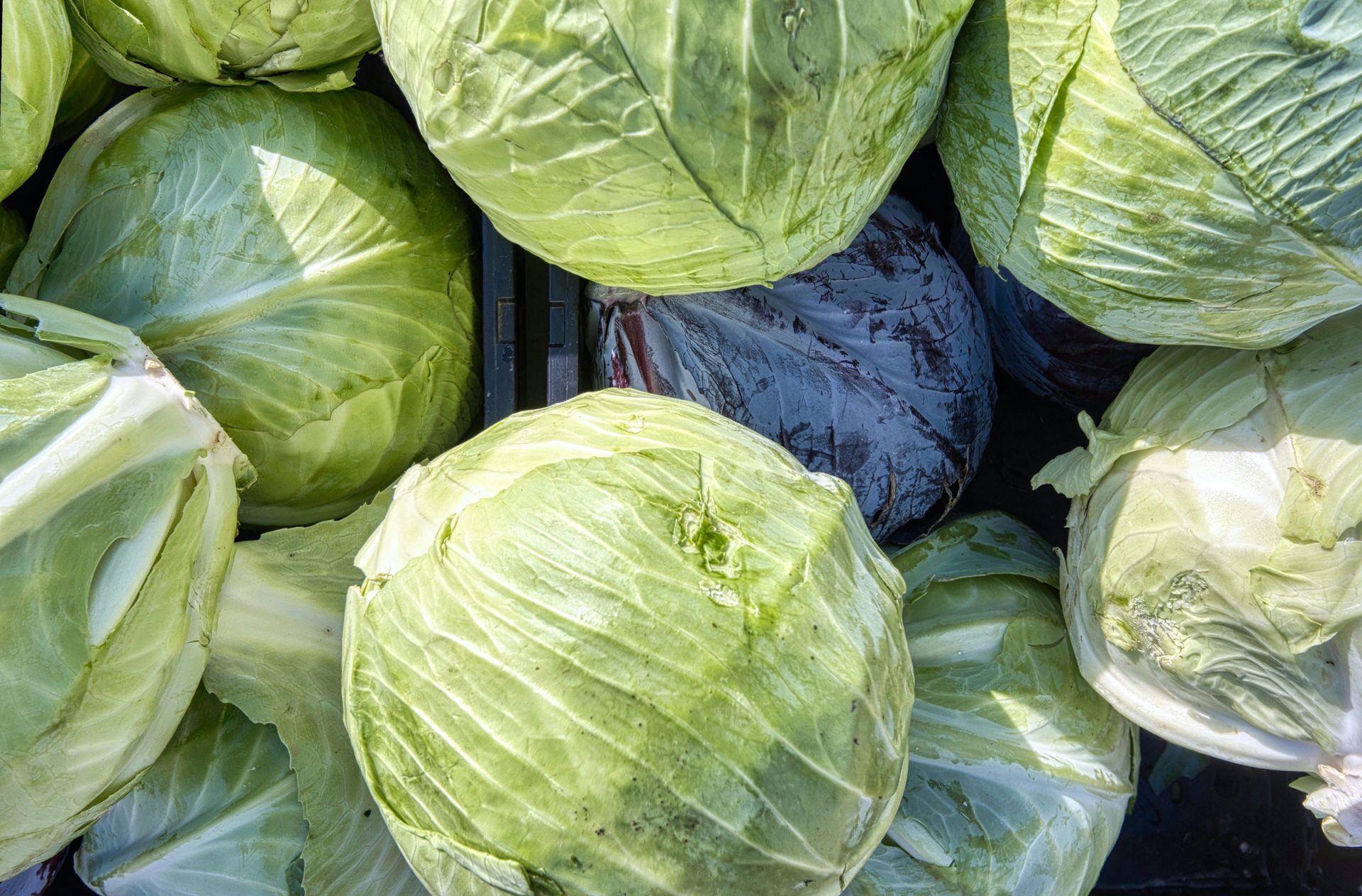
Cabbage is one of those vegetables that practically begs you to buy the whole head — and then leaves you staring at half of it in the fridge a week later. If you’ve ever wondered whether you can freeze shredded cabbage without blanching, the short answer is yes. But whether you should skip that step depends entirely on how you plan to use it later.
This guide walks you through both freezing methods, explains what happens to texture and taste, and gives you practical tips for getting the most out of your frozen shredded cabbage — whether it came from a fresh head or a store-bought bag of coleslaw mix.
Can You Freeze Shredded Cabbage?
Yes — you can easily preserve fresh cabbage without blanching or cooking. You can freeze it shredded, halved, quartered, or even whole. Shredded cabbage is actually one of the most freezer-friendly forms because the thin pieces freeze and thaw faster than large wedges, making them easier to portion and use.
When freezing cabbage, there is really one main choice to make: to blanch or not to blanch. The biggest factor here is what your intended use for the cabbage will be after you remove it from the freezer. Both methods work, but they produce noticeably different results.
You can freeze cabbage without blanching, but blanching is recommended as it helps maintain its color and flavor while freezing. If you’re short on time or planning to use the cabbage within a few weeks, skipping the blanching step is perfectly reasonable.
Pro Tip: If you bought a bag of pre-shredded coleslaw mix and want to save it before it goes bad, you can freeze the entire bag as-is — just place it inside a second freezer bag, seal tightly, and use within two to three months for best results.
Does Freezing Change the Texture or Taste of Shredded Cabbage?
When cabbage is frozen, the water inside it expands and breaks down the cell walls. This makes the cabbage mushy or limp when it thaws, especially if you freeze raw cabbage without blanching it first. This is a normal part of the freezing process and not a sign that something went wrong.
Freezing cabbage may cause some changes in its texture and taste. The texture of frozen cabbage will become somewhat softer when defrosted due to the breaking down of cell walls during the freezing process. However, this should not significantly affect the overall eating experience, especially if the cabbage is used in cooked dishes.
As for the taste, freezing cabbage has minimal impact on its flavor, and the nutritional value is mostly preserved during the freezing process. The difference between blanched and unblanched frozen cabbage is mostly about texture longevity and shelf life rather than flavor.
If you’re wondering whether you can freeze cabbage for coleslaw, the answer is no. You can try to thaw frozen cabbage in the fridge and then use it in raw preparations like slaws and salads. However, defrosted cabbage gets too soggy and doesn’t have the same crunchy texture that you want in a coleslaw. Save frozen shredded cabbage for cooked dishes only.
| Method | Texture After Thawing | Shelf Life | Best Uses |
|---|---|---|---|
| Frozen Without Blanching | Softer, slightly limp | 1–2 months | Soups, stir-fries, casseroles |
| Blanched Then Frozen | Firmer, better retained | Up to 12 months | Soups, stews, cabbage rolls, braised dishes |
| Cooked Then Frozen | Soft (already cooked) | 2–3 months | Reheated dishes, soups, stews |
How to Freeze Shredded Cabbage the Right Way
You have two solid options: freezing raw without blanching (fastest) or blanching first (best for long-term storage). Here’s how to do both correctly.
Method 1: Freeze Raw Without Blanching
This method works well if you plan to use the cabbage within a month or two and will be cooking it rather than eating it raw.
- Clean the cabbage. Wash the cabbage thoroughly under cool, running water and remove any damaged or wilted outer leaves.
- Shred it. Cut the cabbage into thin shreds using a sharp knife, mandoline, or box grater.
- Dry it well. Use a paper towel to pat the cabbage dry and remove any excess moisture. Excess moisture can lead to freezer burn and affect the quality of the frozen cabbage. A salad spinner also works well here.
- Portion it out. Divide the cabbage into portions you will likely use in one go. Use airtight freezer bags or containers and remove as much air as possible before sealing.
- Label and freeze. Label the bags or containers with the freezing date to help keep track of their freshness.
Method 2: Blanch Before Freezing (Recommended for Long-Term Storage)
Blanching is a step that stops enzyme activity, which can cause loss of color, flavor, and nutrients during freezing. It takes only a few extra minutes and significantly extends how long the cabbage stays good.
- Shred and clean the cabbage as described above.
- Blanch briefly. Use a large pot and bring it to a rolling boil before adding the cabbage. Prepare a bowl of ice water to immediately stop the cooking process. For shredded cabbage, blanch for 30 to 60 seconds.
- Transfer to ice water. Remove the cabbage from the boiling water with a slotted spoon. Plunge it into the bowl of ice water and let it cool for a few minutes. Drain the cabbage and pat dry.
- Flash freeze on a baking sheet. Transfer to a baking sheet lined with parchment paper. Spread it out in a single layer. Place the baking sheet in the freezer for 1 to 2 hours until the cabbage is frozen solid.
- Transfer to freezer bags. Transfer the frozen cabbage to freezer bags, remove as much air as possible, and seal.
Pro Tip: Flash freezing shredded cabbage in a single layer before bagging it prevents the shreds from clumping together into one solid mass. This way, you can scoop out exactly how much you need without thawing the whole bag.
How Long Can You Freeze Shredded Cabbage?
How long your frozen cabbage stays good depends on which method you used and how well it was packaged.
- Without blanching: Cabbage frozen without blanching should be used within two months. Once thawed, consume it within four days.
- With blanching: Blanching the cabbage before freezing increases its shelf life. You can keep it at its best quality for up to twelve months when stored in a freezer.
- Cooked cabbage: Cooked cabbage can maintain its quality for about two to three months when stored in the freezer.
When stored at 0°F or below, frozen cabbage can retain its quality for about eight to twelve months. For the best taste and texture, it’s recommended to use it within six to nine months. After this time, while it may still be safe to eat, the quality will decrease.
No matter which method you choose, always store shredded cabbage at a consistent 0°F or below and keep it in airtight packaging to prevent freezer burn. You can also check out our guide on freezing shredded lettuce for similar tips that apply to leafy vegetables.
How to Thaw Frozen Shredded Cabbage
Thawing is simple, but the method you choose matters for the final texture.
Refrigerator thawing (best method): It’s best to let the cabbage thaw naturally in the refrigerator. Move the bag from the freezer to the fridge the night before you need it. This slow thaw minimizes additional cell breakdown and keeps the cabbage from getting waterlogged.
Cook from frozen (easiest method): Frozen cabbage works best when used in cooked cabbage recipes. You can add it to soups, stir-fries, and casseroles directly from the freezer — no need to thaw. This is the most practical approach for weeknight cooking.
Avoid these methods: You can thaw ingredients by running them under cool running water, but this is not recommended with cabbage — especially blanched cabbage — as you run the risk of breaking the vegetable down further as it thaws. Microwave defrosting is possible in a pinch but tends to make the texture uneven.
Pro Tip: After thawing, you’ll notice some liquid has pooled at the bottom of the bag. Drain this off before adding the cabbage to your dish, or it will make soups and stir-fries watery.
Can You Refreeze Shredded Cabbage After Thawing?
Refreezing thawed cabbage is not recommended. Each freeze-thaw cycle causes more ice crystals to form and break down the cell structure further, leaving you with an even mushier result. Always freeze shredded cabbage in usable amounts to avoid refreezing.
The best approach is to portion the cabbage before freezing — think about how much you typically use in a single recipe (usually one to two cups) and bag it accordingly. That way, you only ever thaw what you need. If you enjoy preserving foods in smart portions, our article on freezing jam without pectin covers similar portioning strategies.
How to Use Frozen Shredded Cabbage (Best Uses After Freezing)
Depending on how you chose to freeze your cabbage, you can cook with it in a number of different ways, and sometimes you won’t even have to thaw it first. Shredded frozen cabbage is the easiest to cook with and, depending on the recipe, you can just throw it into the pan raw.
Here are the best ways to put frozen shredded cabbage to work in your kitchen:
- Soups and stews: Cabbage freezes well if you plan to use it later heated. It works great for soup, stew, and stir-fry. Add it directly from the freezer in the last 10 to 15 minutes of cooking.
- Stir-fries: Toss frozen shredded cabbage straight into a hot wok or skillet with oil, garlic, and soy sauce. It wilts quickly and absorbs flavors well.
- Casseroles: Frozen cabbage works well layered into baked dishes. The moisture it releases during cooking helps keep the casserole from drying out.
- Egg rolls and dumplings: Thaw the cabbage first, then squeeze out as much moisture as possible before mixing it into your filling.
- Braised dishes: This is a great way to use frozen cabbage for braised purposes like corned beef or cabbage soup.
Skip frozen cabbage for: Avoid using frozen cabbage raw in salads since it loses crispness after freezing. Instead, save fresh cabbage for salads and use frozen for cooked recipes. The same applies to fresh coleslaw — the texture simply won’t hold up.
Cabbage is packed with nutrients that make it worth preserving. If you’re interested in how food choices affect your health, our roundup of superfoods for a healthy heart and guide to nutrients and foods that fight cancer are worth a read.
Signs That Frozen Shredded Cabbage Has Gone Bad
Frozen cabbage that has been stored properly is generally safe to eat past its peak quality window, but there are clear signs it’s time to toss it.
- Freezer burn: White or grayish patches on the surface of the cabbage indicate freezer burn. The affected areas will taste dry and papery. You can cut off small burnt spots, but heavily burned cabbage is best discarded.
- Off smell: If you spot a yellow, grey, or brown cabbage with an off smell and texture, throw it away right away. A sour or sulfurous odor after thawing is a sign the cabbage has deteriorated.
- Slimy texture: Some softening after thawing is normal, but a slimy or mushy texture that doesn’t firm up during cooking indicates the cabbage has broken down too far to be usable.
- Discoloration: Discard if you spot discoloration of the leaves. Brown or dark spots that weren’t there before freezing suggest the cabbage has spoiled.
- Excessive ice crystals: A thick layer of ice crystals inside the bag — beyond normal frost — can mean the bag wasn’t sealed properly or the cabbage thawed and refroze. The quality will likely be poor.
When in doubt, trust your nose. Cabbage that smells off after thawing should not be used, regardless of how it looks. For more on whole-food storage and nutrition, see our guide on whole plant-based foods.
Frequently Asked Questions
Can You Freeze a Bag of Store-Bought Shredded Coleslaw Mix?
Yes. You can blanch the coleslaw before freezing, or you can also freeze it without blanching. Put the bag into another bag, seal tightly, and keep in the freezer. For best results, use it within 2 to 3 months if you don’t blanch it. Keep in mind it will only be suitable for cooked dishes after freezing.
Does Shredded Cabbage Need to Be Blanched Before Freezing?
Whether you choose to blanch the cabbage or freeze it without blanching, both methods offer advantages. Blanching helps maintain the cabbage’s color, flavor, and texture, while freezing without blanching provides a quicker process with some potential changes in the final result. Blanching is the better choice for anything you plan to keep longer than two months.
Can You Freeze Red or Purple Cabbage?
Freezing red cabbage follows the same blanching process as green cabbage and works well in cooked dishes. The same raw-freeze method applies as well. Expect some color bleeding when the red cabbage thaws, which is normal.
How Do You Keep Frozen Cabbage from Getting Mushy?
Blanching before freezing is the most effective way to reduce mushiness. Blanching slows down natural enzymatic processes that break down food. Blanched cabbage will keep its flavor and texture. Beyond blanching, drying the cabbage thoroughly before freezing and removing all air from the storage bag also help preserve the best possible texture.
Can You Use Frozen Shredded Cabbage in Egg Rolls?
Yes, with one important step: thaw the cabbage completely first, then squeeze out as much moisture as possible using a clean kitchen towel or paper towels. Excess water in the filling will make your egg rolls soggy and prevent them from crisping up properly. For other food storage tips, see our guide on freezing shredded lettuce or learn about foods that promote healthy skin to make the most of your vegetable-rich diet.