Why Are My Monstera Leaves Small? Causes, Fixes, and Prevention

September 1, 2026
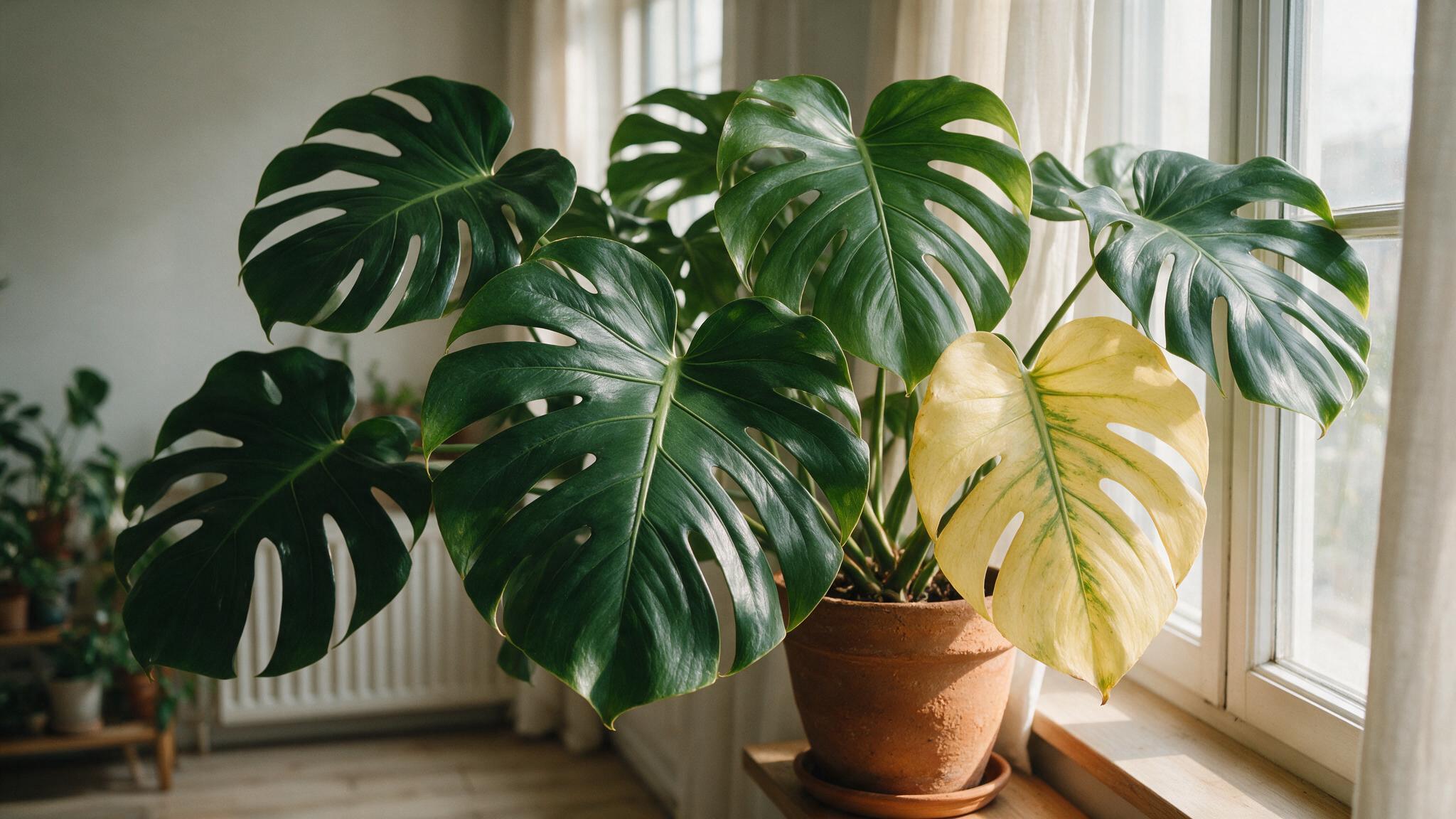
You brought home a gorgeous Monstera with dramatic, deeply split leaves, and now the new growth coming in looks nothing like what you expected — small, plain, and almost unrecognizable. It is one of the most common frustrations among houseplant owners in the United States, and the good news is that it almost always has a fixable cause.
The Swiss cheese plant, known botanically as Monstera deliciosa, is a tropical climber native to the rainforests of Central and South America. In the right conditions, it produces some of the most impressive foliage of any houseplant. When those conditions slip, the leaves tell you immediately. Understanding what the plant is communicating — and how to respond — is the difference between a struggling plant and one that keeps growing bigger and more fenestrated with every new leaf.
This guide walks you through every reason your Monstera leaves might be coming in small, how to diagnose the exact cause in your home, and what to do to get things back on track.
What Does It Mean When Your Monstera Leaves Are Small?
Smaller leaves indicate a lack of resources — either water, light, or nutrients. If new leaves are not growing large enough, one of those three things is likely lacking. That said, the situation is a little more nuanced than a simple checklist.
Fenestration — those iconic splits and holes — is the plant’s reward for good conditions. Small, plain, unfenestrated leaves mean the plant is surviving. Give it bright indirect light, a moss pole, and consistent care, and each new leaf will progressively become larger and more dramatically cut.
Think of leaf size as a real-time report card. A Monstera growing in ideal conditions invests energy into large, complex leaves because it can afford to. A Monstera under stress cuts its losses and produces smaller, simpler leaves to conserve resources. Your job is to figure out which resource is missing — and this guide will help you do exactly that.
Pro Tip: Pay attention to the trend, not just a single leaf. One smaller-than-usual leaf after a move or repotting is normal. A consistent pattern of shrinking new growth over several months signals a real care problem worth investigating.
Is Small Leaf Size in Monstera Always a Sign of a Problem?
Not always. There are a few completely normal reasons your Monstera might produce a smaller leaf, and recognizing them saves you from unnecessary intervention.
Young plants and new cuttings: Monstera will not produce fenestrated leaves until they are a couple of years old, and they will never produce them if they do not need them — and they will not need them if they do not have enough light. A cutting or juvenile plant producing small, solid leaves is simply being a young plant.
Seasonal slowdowns: There are things that can influence the light your plant receives, such as the time of year or the cleanliness of your windows. It is surprising how much less light can come through a dirty window in winter compared to a clean window in summer. A slightly smaller leaf in the depths of a northern US winter is not a crisis.
Post-move adjustment: Shock can cause the next leaf on a Monstera to be immature and a bit stunted. If the next leaf is fine, you can attribute it to shock, but if the following leaf is just as disappointing, your Monstera may be after something else.
If the pattern persists across three or more consecutive leaves, treat it as a genuine care signal and work through the causes below.
Watering Issues Causing Monstera Small Leaves
Both overwatering and underwatering can lead to stunted leaf growth, though they do so through different mechanisms. Getting your watering routine right is one of the fastest ways to see improvement.
Overwatering
When you overwater your plants, it can damage the roots of the plant and could attract insects like fungus gnats. This affects the growth of the plant as a whole, and the leaves will turn out smaller. Waterlogged soil starves roots of oxygen, which shuts down nutrient uptake even when nutrients are present in the soil.
Overwatering puts your plant under a lot of stress and can also cause root rot, which can eventually kill your plant. Avoid this by withholding water until the top 2 or 3 inches of soil in the pot are dry. In most US homes, that means watering roughly every 7 to 10 days in summer and less frequently in winter.
Underwatering
A consistently thirsty Monstera cannot sustain the cell expansion needed to grow large leaves. A thirsty Monstera usually perks up after watering. A Monstera with root rot often droops even though the soil is already wet, and the pot may stay soggy for too long. The most reliable way to tell the difference is to inspect the roots: healthy roots are firm, while rotting roots are dark, mushy, or stringy.
Pot and Drainage Problems
Using a pot that does not have drainage for water and air penetration can cause leaves to be stunted. Use a pot with drainage to prevent excess water retention and allow air penetration. If your Monstera is sitting in a decorative cachepot without holes, empty the saucer after every watering session.
Pro Tip: Use the finger test before every watering — push your finger 2 inches into the soil. If it still feels damp, wait another 2 to 3 days. A moisture meter is an even more reliable tool if you tend to second-guess yourself.
Light Conditions Behind Monstera Small Leaves
The most likely reason that your Monstera is putting out smaller leaves is that it is getting less light than it was when it produced the fenestrated leaves. Light is not just one factor among many — it is the primary driver of leaf size and fenestration.
Monstera deliciosa needs bright indirect light for 4 to 6 hours a day to produce those iconic fenestrated leaves. In practice, that means a spot within 5 to 8 feet of a bright window. East or west-facing windows are ideal — they deliver strong morning or afternoon light without the intensity that causes leaf burn. South-facing windows work well if the plant is set back a few feet or filtered with a sheer curtain.
The critical nuance most guides get wrong is this: Monstera tolerates low light, but it will not thrive in it. If you are seeing small leaves that do not have fenestrations or splits in them, it is a pretty good sign that your Monstera needs more consistent light.
Grow Lights as a Supplement
If you do not have bright enough light, you can try grow lights, but you will need professional ones to get mature leaves. Anything with just a USB connection likely will not be powerful enough. Look for full-spectrum LED grow lights rated at a minimum of 2,000 to 3,000 lumens positioned 12 to 18 inches above the plant for 12 to 14 hours per day.
Keep Leaves Clean
For those with a Monstera producing smaller leaves but with no change in light, make sure you are keeping the leaves clean. This will help the Monstera maximize photosynthesis and therefore grow faster. A damp cloth wiped across both sides of each leaf once a month makes a real difference, especially in dusty American homes with forced-air heating and cooling.
You can find more low-light houseplant strategies on our site if you are working with a challenging room, though for large Monstera leaves, bright indirect light is genuinely non-negotiable.
Soil, Nutrients, and Root Health Causing Monstera Small Leaves
Nutrient Deficiency
Without the proper nutrients, you might notice a lack of growth, small leaves, or even leaf discoloration like yellowing. Monstera are not heavy feeders by nature, but a plant that has been in the same pot for a year or more without fertilization will eventually exhaust the nutrients in its soil.
Feed with a balanced, water-soluble fertilizer — such as a 20-20-20 or similar ratio — once a month during the spring and summer growing season. Skip feeding in fall and winter. Over-fertilizing is also a problem: fertilizing too often or in its inactive seasons can affect the nitrogen levels in the soil, throwing plant growth into overdrive.
Poor Soil Mix
The right soil mixture is essential for the growth of any plant. Soil is the source of nutrients, water, and air which your plant needs to grow. If your soil is not suitable for your plant, growth will be stunted. A good Monstera mix combines one part standard potting soil, one part perlite, and one part orchid bark or coco coir. This gives you the drainage and aeration that tropical aroids need.
If it has been a few years since you repotted your Monstera — which is surprisingly common, especially if your plant is large — you might be due for a soil switch. While there is no specific timeline to follow for doing a total soil switch, it can be a good idea if your plant has been in the same substrate for a significant amount of time.
Root Bound Conditions
When your Monstera is happy, it will grow quickly and the roots will soon fill the pot. As it starts to outgrow its pot, growth will slow down. So if your Monstera was once healthy and fast-growing but suddenly seems to have stalled, take a look at the pot.
Plan to repot every 1 to 2 years, or sooner if roots are visibly escaping from drainage holes or the plant dries out unusually fast between waterings. Early spring is the ideal time of year to repot, as this is when a Monstera enters its most active growth phase and can handle the stress of being repotted.
The Moss Pole Advantage
If you want bigger leaves and more fenestrations, a moss pole is the highest-leverage change you can make. Monsteras in nature are climbers, and when given a vertical surface to ascend, they respond with measurably larger, more complex leaves with each successive growth cycle. A Monstera left to sprawl horizontally will gradually produce smaller leaves as the unsupported stems weaken.
Keep the moss moist with a spray bottle, and gently guide the plant’s aerial roots toward the pole surface. Within two or three growth cycles, the difference in leaf size is typically unmistakable.
Learn more about the different types of leaves and how plant leaf structure relates to growing conditions.
Environmental Stress Triggering Monstera Small Leaves
Temperature
Monstera plants require a temperature of about 75°F (24°C) during the day and about 65°F (18°C) at night. The drop in temperature at night gives the plant time to build new tissues. Monsteras thrive between 65 and 85°F (18 to 29°C). Keep them away from drafts and sudden temperature changes.
In the US, the biggest culprits are air conditioning vents blasting cold air directly onto the plant in summer, and heating vents drying out the air in winter. Both force the plant into a stress response that shows up in leaf size.
Humidity
Humidity-wise, 50 to 70% is ideal, but Monstera handles the typical home humidity range of 40 to 50% without complaint. Monstera are generally pretty tolerant of ambient humidity, so unless you have very dry air — lower than 40% — that should not cause too much of an issue.
Skip misting — it does not meaningfully raise ambient humidity around the plant and leaves wet leaf surfaces that can invite fungal issues overnight. For a genuine humidity boost, a small humidifier nearby or a pebble tray filled with water under the pot are both far more effective.
Frequent Moves and Shock
Being moved around a lot is pretty alien to a Monstera. Plants, by their very nature, do not move very much. Every time you relocate your plant to a new spot in your home, it needs time to recalibrate its light and humidity expectations. Pick the best spot you can and leave it there.
Key Insight: In dry climates like Arizona, Colorado, or the American Southwest, indoor humidity often drops well below 30% in winter. If you live in one of these regions, a humidifier is not optional — it is a meaningful part of keeping tropical houseplants healthy year-round.
Pests and Disease Leading to Monstera Small Leaves
Pests are often overlooked as a cause of small leaves because the damage they cause is gradual and easy to attribute to other factors. By the time leaf size has noticeably declined, an infestation may already be well established.
The Most Common Monstera Pests
The most common Monstera pests indoors are thrips, spider mites, mealybugs, scale insects, and fungus gnats. Thrips and spider mites usually cause the fastest visible leaf damage, while mealybugs and scale are slower but more stubborn. Fungus gnats often signal wet soil rather than being the main cause of decline.
Thrips: Thrips damage often shows up as silvery or gray scarring, dull patches, tiny black specks, and distorted new leaves. Because thrips like fresh growth, you may notice damage on unfurling leaves before you spot the insects themselves. Thrips are especially persistent because they reproduce quickly and feed on the sap in your Monstera’s leaves.
Spider mites: Spider mites are dangerous because they multiply quietly. By the time you see obvious webbing, you may already have a meaningful infestation. They also hit stressed plants harder, so a Monstera already weakened by low light or poor watering usually shows faster decline. New growth may emerge smaller, older leaves lose color, and the whole plant can look dull rather than sharply diseased.
Mealybugs: Mealybugs eat the sap of plants, stunting growth and causing yellowing. Look for white cottony clusters in the leaf axils and along stems.
Treatment
Start by isolating the plant and washing the foliage thoroughly, especially the undersides. Then use a contact treatment like insecticidal soap or horticultural oil, repeating based on label timing, because one spray rarely solves the life cycle. For thrips specifically, repeat the treatment process every 4 to 7 days until you no longer see any thrips and your plant’s condition stabilizes.
You can also use the Monstera pest and disease guide from Leafy Pixels for detailed identification photos and treatment protocols organized by pest type.
If you have cats that interact with your houseplants, check out our guide on how to keep cats out of houseplants, since stressed or damaged plants are more susceptible to pest problems.
How to Diagnose Why Your Monstera Leaves Are Small
Rather than guessing, work through a structured checklist. Most causes reveal themselves quickly when you know what to look for.
- Check the light first. Hold your hand about a foot above the plant on a sunny afternoon. If you cannot see a clear shadow, the light is insufficient. Move the plant closer to a window or add a grow light.
- Inspect the soil moisture. Push your finger 2 inches into the soil. Is it soggy? Bone dry? Either extreme is a problem. Aim for lightly moist throughout.
- Look at the roots. Tip the plant out of its pot. Healthy roots are firm, while rotting roots are dark, mushy, or stringy. Roots circling the bottom of the pot mean it is time to size up.
- Examine the leaves closely. When you water your Monstera, do a thorough inspection of the tops and bottoms of the leaves as well as the stems and surface of the soil. If you notice insects, webbing or cottony material, or clear sticky residue, you might have a pest problem.
- Assess the environment. Note the temperature range, distance from vents, and approximate humidity. Has anything changed in the past few months — a new season, a move, a renovation?
- Review your fertilizer history. If you have never fertilized or have not fertilized in over a year, nutrient depletion is likely a contributing factor.
A useful rule of thumb: if you can wipe, magnify, trap, or physically find the cause, it is often a pest problem. If the tissue looks infected and spreading without visible insects, think disease. If the entire plant’s growth has slowed, the pot stays wet too long, and leaves are declining from multiple positions, start with the roots before you reach for a spray bottle.
Using one of the best iPhone apps for identifying plants or the best Android plant identification apps can also help you cross-reference symptoms and get a second opinion on what might be affecting your plant.
How to Fix a Monstera That Is Producing Small Leaves
Once you have identified the likely cause, here is how to address it systematically. Do not make multiple large changes at once — if you repot, move, and fertilize simultaneously, you will not know what actually helped.
Fix 1: Improve the Light
Move the plant to within 5 to 8 feet of a bright south- or east-facing window. For those with a Monstera producing smaller leaves but with no change in light, make sure you are keeping the leaves clean. This will help the Monstera maximize photosynthesis and therefore grow faster. Clean windows and clean leaves both matter.
Fix 2: Correct Your Watering Routine
Stop watering on a fixed schedule. Water only when the top 2 inches of soil are dry. Avoid yo-yoing from sodden soil to desert dry, as this will also put strain on your plant. Consistency is what Monstera responds best to.
Fix 3: Repot Into Fresh Soil
If the plant is root-bound or the soil is more than two years old, repot into a slightly larger container — one pot size up — using a well-draining aroid mix. Choose a pot that is the next size up from your Monstera’s current home. Gently ease the plant out of its old pot and use fresh, good-quality soil.
Fix 4: Add a Moss Pole
You can encourage your Monstera to produce bigger leaves by growing it up something. Do not overthink the moss pole. There are advantages and disadvantages to different types, but the most important thing is to get it growing upward. Install the pole at repotting time so you avoid disturbing established roots later.
Fix 5: Start Fertilizing
Begin a monthly fertilizing routine during the growing season (roughly March through September in most US regions). A balanced liquid fertilizer diluted to half strength is a safe starting point. Fertilizing frequently can help plants grow faster, and with fast growth comes fenestrated leaves. The reason people say Monstera are light feeders is because if you do not fertilize often they do not really suffer — they just do not grow as big or as quickly.
Fix 6: Treat Any Pest Infestation
Isolate the plant, remove visible pests manually, then treat with insecticidal soap or neem oil. Use a contact treatment, repeating based on label timing, because one spray rarely solves the life cycle. Follow up with weekly inspections for at least a month to confirm the infestation is cleared.
Important Note: Do not prune healthy leaves in an attempt to force bigger new growth. Pruning reduces the plant’s photosynthetic capacity and can slow recovery. Only remove leaves that are heavily damaged, diseased, or pest-ridden.
Explore our full guide to types of plants to better understand how tropical species like Monstera differ from other houseplant families in their care requirements.
How to Prevent Monstera Small Leaves Going Forward
Prevention is far easier than correction. Once your Monstera is producing healthy, larger leaves again, these habits will keep it on track.
- Maintain consistent light year-round. As seasons change in the US, the sun angle shifts dramatically. What worked in July may not provide enough light in December. Reposition or supplement with a grow light in fall and winter.
- Stick to a soil-moisture-based watering schedule. Ditch the calendar. Check the soil before every watering and let the plant tell you when it is thirsty.
- Fertilize through the growing season. A monthly balanced fertilizer during spring and summer keeps nutrients available without the risk of salt buildup from over-application.
- Repot proactively. Plan to repot every 1 to 2 years, or sooner if roots are visibly escaping from drainage holes or the plant dries out unusually fast between waterings.
- Inspect for pests weekly. University of Minnesota Extension specifically notes that houseplants should be inspected weekly, because indoor conditions let insect populations build without much natural resistance.
- Quarantine new plants. Keep any new plant separate for at least a few weeks. This helps you spot any hitchhikers before they can spread to your existing collection.
- Keep the leaves clean. Wipe both sides of each leaf with a damp cloth monthly. This removes dust, improves photosynthesis, and lets you spot early pest activity before it becomes a full infestation.
- Use a moss pole. Growing plants upright can help convince them to grow bigger, fenestrated leaves, so consider staking your Monstera.
If you enjoy growing a variety of tropical and unusual plants alongside your Monstera, our guides on different types of rubber plants and different types of aloe vera plants are worth exploring for care comparisons.
| Cause | Key Symptom | Fix | Timeline to See Improvement |
|---|---|---|---|
| Insufficient light | Small, solid leaves with no splits; plant leans toward window | Move within 5–8 ft of a bright window or add grow light | 2–4 leaf cycles (months) |
| Overwatering | Soggy soil, yellowing leaves, possible root rot | Let soil dry 2 inches deep before watering; improve drainage | 4–8 weeks after correction |
| Underwatering | Dry, curling leaves; soil pulling away from pot edges | Water thoroughly when top 2 inches are dry | 1–2 weeks |
| Root bound | Roots out of drainage holes; dries out very fast | Repot one size up in fresh aroid mix | 1–3 leaf cycles after repotting |
| Nutrient deficiency | Slow growth, pale or yellowing leaves | Monthly balanced fertilizer during growing season | 4–8 weeks |
| Low humidity or temperature stress | Crispy leaf edges; slow growth near vents | Move away from vents; add humidifier if below 40% RH | 2–4 weeks |
| Pest infestation | Silvery scarring, webbing, distorted new leaves | Isolate, wash, treat with insecticidal soap or neem oil | 4–6 weeks with consistent treatment |
| No climbing support | Horizontal sprawl; progressively smaller leaves | Install a moss pole and tie the stem upward | 2–4 leaf cycles |
FAQ
Why Did My Monstera Suddenly Start Producing Smaller Leaves?
A sudden shift in leaf size usually points to a recent change in conditions — a seasonal light reduction, a move to a new spot, repotting stress, or the early stages of a pest infestation. The most likely reason a Monstera is putting out smaller leaves is that it is getting less light than it was when it produced the fenestrated leaves. Repotting or changing the soil will not help produce fenestrated leaves unless the light is bright enough. Start by evaluating your light situation before changing anything else.
Can I Cut Off Small Leaves to Encourage Bigger Growth?
You can cut the small leaves of your Monstera. Your plant would react to cutting off stems with small leaves by growing out new ones. If they are getting the resources they need, the new leaves would grow big. That said, only prune if the leaves are damaged or diseased. Removing healthy leaves — even small ones — reduces the plant’s ability to photosynthesize and can slow overall recovery.
How Long Does It Take for Monstera to Grow Bigger Leaves After Fixing the Problem?
Everyone wants bigger leaves right away, but even with good growing conditions, it will still take time. If you have had your plant for 1 to 2 years, continue with good care and you can expect larger leaves in another few years. Each new leaf reflects the conditions the plant experienced during the previous growth cycle, so improvements show up gradually — typically over two to four new leaves.
Why Does My Monstera Have Small Leaves Even Though It Gets Plenty of Light?
If light is genuinely adequate, the next most likely causes are a root-bound pot, depleted soil nutrients, or a hidden pest infestation. Small leaves can also result from low humidity and lack of nutrition. Monstera are generally pretty tolerant of ambient humidity, so unless you have very dry air below 40%, that should not cause too much of an issue. Try fertilizing your Monstera if you do not usually, or repot it in fresh potting mix, but increasing the amount of light it has will have the biggest impact.
Do Monstera Leaves Get Bigger as the Plant Ages?
If you have a Monstera with big, fenestrated leaves, it will revert back to producing smaller, solid leaves unless you are able to match the conditions in which it produced its mature leaves. Plants do not grow the way they do for aesthetic reasons — they grow fenestrated leaves to allow light to penetrate to the lower leaves and to be more stable in windy conditions. Age alone is not enough; the right conditions must accompany that age.
Should I Use a Humidifier for My Monstera?
In most standard US homes, a humidifier is helpful but not critical unless your indoor humidity drops below 40%. Almost all houseplants will benefit from a humidifier, so it is worth the investment. Use them throughout the winter months to keep your houseplant health optimal. If you live in a particularly dry climate or run forced-air heat heavily in winter, a small humidifier near your plant can make a noticeable difference in leaf quality.
Can Pests Cause My Monstera Leaves to Stay Small?
Yes. Spider mites hit stressed plants harder, so a Monstera already weakened by low light or poor watering usually shows faster decline. New growth may emerge smaller, older leaves lose color, and the whole plant can look dull rather than sharply diseased. Thrips are particularly insidious because they target new growth directly, damaging leaves before they even fully unfurl. Regular weekly inspections are the best defense.