Can You Freeze Cooked Mushrooms? (The Right Way to Store Them)

October 31, 2026
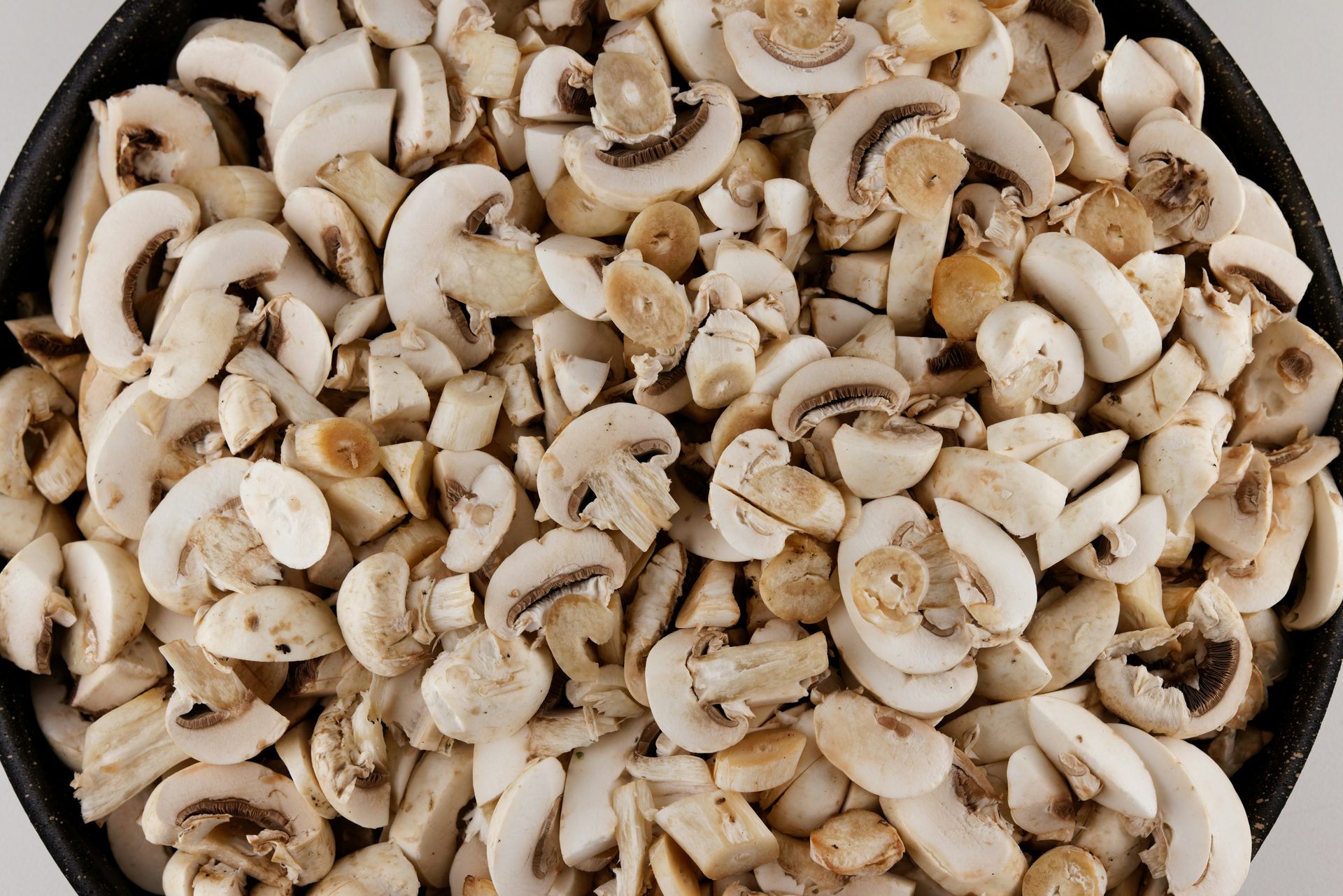
Cooked mushrooms are one of those ingredients that seem to disappear from the fridge faster than you’d like — or worse, sit there too long and go to waste. If you’ve ever finished a big batch of sautéed mushrooms and wondered whether you could stash the leftovers in the freezer, the answer is a clear yes.
Freezing cooked mushrooms is a practical way to cut food waste, save prep time, and always have a versatile ingredient on hand. Fresh mushrooms only last a few days in the refrigerator, so freezing them helps keep them good for later and preserves most of their nutrients. This guide walks you through everything you need to know — from how freezing changes texture and taste, to the best storage methods, thawing tips, and how to spot signs of spoilage.
Can You Freeze Cooked Mushrooms?
You can freeze mushrooms that are cooked, sliced, or sautéed, depending on your plans for them. In fact, cooking them before freezing is the recommended approach. Because mushrooms contain so much water, defrosted raw mushrooms will be mushy and can have an unpleasant texture. The best way to freeze mushrooms is to cook them first to preserve their flavor and texture.
Mushrooms can be stored in the freezer, but they should ideally be cooked first — by sautéing or blanching — to maintain texture and flavor. Whether you have leftover button mushrooms from a weeknight stir-fry or a batch of cremini you sautéed for meal prep, the freezer is a reliable option. You can learn more about the different types of mushrooms and how each one behaves in cooking and storage.
Pro Tip: Cook your mushrooms before freezing — either by sautéing or steaming. This drives out excess moisture and gives you a much better texture when you reheat them later.
Does Freezing Change the Texture or Taste of Cooked Mushrooms?
Expect some changes, but they are manageable when you prepare mushrooms correctly. Mushrooms have a lot of water in them, so freezing them breaks down the walls of their cells. When they thaw, they are softer because of this. Their high water content causes ice crystals to form, which break down their structure during freezing.
The umami flavor is still there, especially in cooked mushrooms like cremini, baby bella, and portobello mushrooms. Frozen mushrooms may darken slightly, but this is normal. The key takeaway: flavor holds up well, while texture softens somewhat. Cooked mushrooms tend to retain a firmer texture after freezing, especially varieties like shiitake or portobello, although slight softening still occurs.
On the nutrition side, freezing does lower some nutrients, but frozen mushrooms are still a healthy and low-calorie food. Most fiber, potassium, and minerals stay intact. Some water-soluble vitamins, such as B-complex, may slightly decrease during blanching, but most nutrients remain stable with proper cooking. Mushrooms are also a great addition to a heart-healthy diet and a solid choice for anyone focused on whole plant-based foods.
How to Freeze Cooked Mushrooms the Right Way
The process takes only a few minutes and makes a real difference in quality. Follow these steps for the best results.
- Clean your mushrooms properly. A quick rinse or damp wipe is fine, as long as you pat them dry immediately. Avoid long soaks, because the mushrooms will absorb water that you then have to cook off.
- Cook them first. You have two cooking options: sauté or steam. If you want to sauté mushrooms, cook them in a skillet with a tiny bit of olive oil for about 5 minutes. If you want to steam them, bring an inch of water to a boil in a pot, place a vegetable steamer basket in the pot, add the mushrooms, cover, and cook for 3 to 5 minutes.
- Cool completely. Spread mushrooms on a baking sheet to cool for a few hours before you transfer them. Never seal warm mushrooms in a bag — trapped steam creates excess moisture and degrades quality.
- Flash-freeze on a baking sheet. Whether you’ve sautéed or steamed, your next step is to flash-freeze. Place the pieces onto a parchment paper-lined baking sheet and put it in your freezer for about an hour, or until the pieces feel hard. Use a spatula to carefully remove and put them into freezer bags.
- Pack and seal. Keep in mind that mushrooms will expand slightly in the freezer, so give them about a 1/2-inch of breathing room in the bags. Store in a freezer bag or sealed container, and label with the date and portion size.
Pro Tip: Store mushrooms in single-meal portions — roughly one cup or one pint. This way you only thaw what you need and avoid having to refreeze the rest.
The National Center for Home Food Preservation recommends packing cooked mushrooms into containers and leaving 1/2-inch headspace, then sealing and freezing. This small detail prevents the container from cracking as the mushrooms expand.
How Long Can You Freeze Cooked Mushrooms?
Frozen cooked mushrooms will last up to nine months in the freezer. Some sources report an even longer window: cooked and properly frozen mushrooms stay at their best for around twelve months. They remain safe to eat for longer than that if the freezer has stayed at a steady minus eighteen degrees Celsius (0°F), but flavor and texture slowly drop off.
The type of cooking method also affects how long quality lasts. Steamed mushrooms tend to outlast sautéed mushrooms in storage, which is why steaming suits larger batches. Sautéed mushrooms are best used within six months while the flavor is still bright.
| Preparation Method | Recommended Freezer Life | Notes |
|---|---|---|
| Sautéed (cooked) | Up to 6 months (best quality) | Use within 6 months for peak flavor |
| Steamed / blanched | Up to 12 months | Holds quality longer than sautéed |
| Raw (flash-frozen) | 1–3 months | Texture degrades faster; best for soups or blended dishes |
According to the USDA Food Safety and Inspection Service, food kept at a steady 0°F (-18°C) stays safe to eat essentially indefinitely — freezing stops the growth of bacteria, yeasts, and molds. What changes over time is quality, not safety. Keep your freezer at or below 0°F and avoid frequent temperature swings, which speed up freezer burn.
How to Thaw Frozen Cooked Mushrooms
The best approach with frozen cooked mushrooms is often no thawing at all. Mushrooms aren’t like meat — you don’t necessarily need to take them out of the freezer to thaw before cooking with them. If you move your frozen mushrooms to the fridge for a few days or leave them out on the counter at room temperature for a few hours, they may not fare well. During the thawing process, mushrooms naturally release water, which translates to soggy mushrooms once they defrost.
When you do need to thaw — for instance, to dice them finely for a blended recipe — use one of these safe methods:
- Refrigerator thaw: Place your mushrooms in the fridge for up to 24 hours before making the meal. Any longer and you may compromise their texture, taste, or freshness.
- Microwave thaw: If you’re in a hurry, you can use the microwave to thaw your mushrooms. Use the defrost setting or a low power mode and thaw in short intervals, checking regularly to avoid overcooking.
- Cook from frozen: If you’re using mushrooms in a cooked dish, you can often add them directly to the pan from the freezer. Keep in mind that they may release more water than fresh mushrooms, so adjust your cooking time and liquid amounts accordingly.
Never thaw mushrooms on the counter at room temperature. Never thaw food at room temperature; always do it safely.
Can You Refreeze Cooked Mushrooms After Thawing?
It is best to avoid refreezing mushrooms once they have been thawed. Each freeze-thaw cycle softens them further, so a mushroom that was already tender after the first freeze will turn noticeably mushy after a second one. The flavor also dulls with repeated freezing.
Avoid refreezing thawed mushrooms. If you detect off-odors, sliminess beyond the expected softened texture, or freezer burn affecting taste, discard them. The safest way to prevent this situation is to freeze mushrooms in small, single-use portions from the start. That way you only pull out exactly what you need, and nothing goes back into the freezer.
Pro Tip: Use a muffin tin to pre-portion cooked mushrooms before flash-freezing. Once frozen solid, pop them out and transfer to a freezer bag — each puck is one ready-to-use serving.
How to Use Frozen Cooked Mushrooms (Best Uses After Freezing)
Frozen cooked mushrooms work best in hot, cooked dishes where a slight softening of texture is unnoticeable or even welcome. For best results, only use them in hot recipes. They won’t work well in raw ones.
Here are the best ways to put them to use:
- Soups and stews: If making soup, stick the frozen mushrooms right in the warm broth. They thaw and season the liquid at the same time.
- Pasta sauce: Add them right to the crushed tomato in your pot after cooking — they blend into the sauce seamlessly.
- Stir-fry, gravy, or stroganoff: Simply add the mushrooms after cooking the other recipe ingredients and heat gently to bring them up to temperature.
- Pizza topping: Mushrooms can be cooked straight from frozen — great for quick supper dishes such as omelets. Fry leftover, wrinkly mushrooms in butter or oil for use as a pizza topping or use in stews, sauces, and casseroles.
- Risotto and pasta bakes: Frozen mushrooms typically do not need to be thawed before being added to recipes. You can stir them right into a soup, risotto, casserole, or pasta dish. You will just need to increase the cooking time by a few minutes to make sure they cook fully.
- Blended burgers: Thaw diced mushrooms and mix them with ground beef for a juicy, nutrient-rich patty.
If you sautéed your mushrooms prior to freezing, they don’t need to be “recooked.” Simply warm them up by mixing them in as you approach your meal’s finish. If you recook your mushrooms, you risk compromising their nutritional value, flavor, and texture. Mushrooms pair especially well with dishes inspired by global cuisines — explore ideas from traditional Greek foods or German foods where mushrooms feature prominently in hearty recipes.
For more ideas on freezing other vegetables, see our guide on how to freeze fresh uncooked zucchini.
Signs That Frozen Cooked Mushrooms Have Gone Bad
Freezing slows spoilage dramatically, but it does not stop it forever. Freezing preserves quality — it can’t rescue mushrooms that are already on the way out. Here is what to watch for before you cook with frozen mushrooms:
- Sliminess: A wet, sticky, or tacky film is the most common sign of spoilage. Some softness after thawing is normal, but sliminess is not.
- Mold: If you notice any discoloration, dark spots, mold, or a slimy film, it’s a clear sign that the mushrooms have started to spoil. Mold is a particularly concerning indicator of spoilage. It can appear as fuzzy patches or powdery growth on the surface of the mushrooms. If you see mold, it’s best to discard the entire batch, as mold can produce toxins that are harmful to human health.
- Freezer burn: Freezer burn occurs when the mushrooms are exposed to air in the freezer, causing the moisture to evaporate and form ice crystals. This can result in a dry, discolored, and tough texture. While freezer-burned mushrooms are still safe to eat, they may have a less appealing taste and texture.
- Off odor: Odor is a critical sign — mushrooms should smell earthy, not sour or fishy. If the smell is noticeably off after thawing, discard them.
- Excessive water release: If the mushrooms are difficult to separate or have a sticky consistency, this could be a sign of spoilage. Additionally, if the mushrooms release a lot of water or have a watery texture after thawing, it may indicate that they have been stored for too long.
When in doubt, throw it out. Mushrooms are inexpensive enough that the risk of foodborne illness is never worth it. If you want to learn more about foods that support your overall health, check out our article on powerful nutrients and foods that fight cancer or foods that can help enhance your liver function.
Frequently Asked Questions
Can You Freeze Mushrooms That Were Cooked in a Sauce or Dish?
Yes. Mushrooms cooked as part of a sauce, soup, or casserole freeze well along with the rest of the dish. The mushrooms absorb the surrounding flavors and hold up fine during freezing. Just make sure the entire dish cools completely before sealing and freezing.
Do You Need to Blanch Mushrooms Before Freezing?
Blanching — a quick dip in boiling or steaming water — is a solid middle ground. It deactivates the enzymes that cause spoilage and discoloration during long freezer storage, according to the National Center for Home Food Preservation at the University of Georgia, so blanched mushrooms keep their color and quality longer than raw ones. That said, a full sauté also works well and adds flavor.
Can You Freeze Raw Mushrooms Instead of Cooked?
Raw freezing is possible, but the result is rarely worth it. Mushrooms hold a lot of water inside their fruiting bodies, and freezing that water expands the cells until they rupture. Thawed raw mushrooms go limp, release liquid into the pan, and never regain a firm bite. The one exception is if you plan to use them in a long, wet cook such as a slow-cooked ragù or a soup. In those dishes, texture is less critical and the lost liquid blends back into the sauce.
How Do You Know If Mushrooms Were Good Before Freezing?
Pick fresh mushrooms that are solid and don’t have any slimy spots before putting them in the freezer. The quick answer to knowing when mushrooms have gone bad is to look for specific signs: discoloration, sliminess, a foul odor, and a mushy texture. Fresh mushrooms should be firm, dry, and exhibit a pleasant earthy scent.
Can You Freeze Store-Bought Sliced Mushrooms?
Yes, the same rules apply. For best quality, give them a quick sauté or blanch before freezing. If you freeze them raw, use them within 1–3 months for the best texture.
What Happens If You Eat Mushrooms That Have Gone Bad?
Eating slimy mushrooms can potentially make you sick, as this sliminess often indicates spoilage and possible bacterial growth. While the slime itself isn’t inherently harmful, it’s a sign of deteriorating freshness and could harbor bacteria that cause foodborne illnesses. Symptoms may include nausea, stomach cramps, and vomiting. Always inspect mushrooms before cooking, whether fresh or thawed from frozen.
Are Frozen Mushrooms as Nutritious as Fresh?
If you freeze mushrooms the right way, you get similar nutritional benefits to fresh ones. While some B vitamins and antioxidants may be lost during cooking, proper preparation helps you maintain as much of the fungi’s original nutritional integrity as possible. Mushrooms are also one of the few non-animal sources of vitamin D, making them a smart addition to a healing foods plan or a diet focused on healthy skin.