Blueberry Leaves Turning Yellow: Causes, Fixes, and Prevention Tips

October 2, 2026
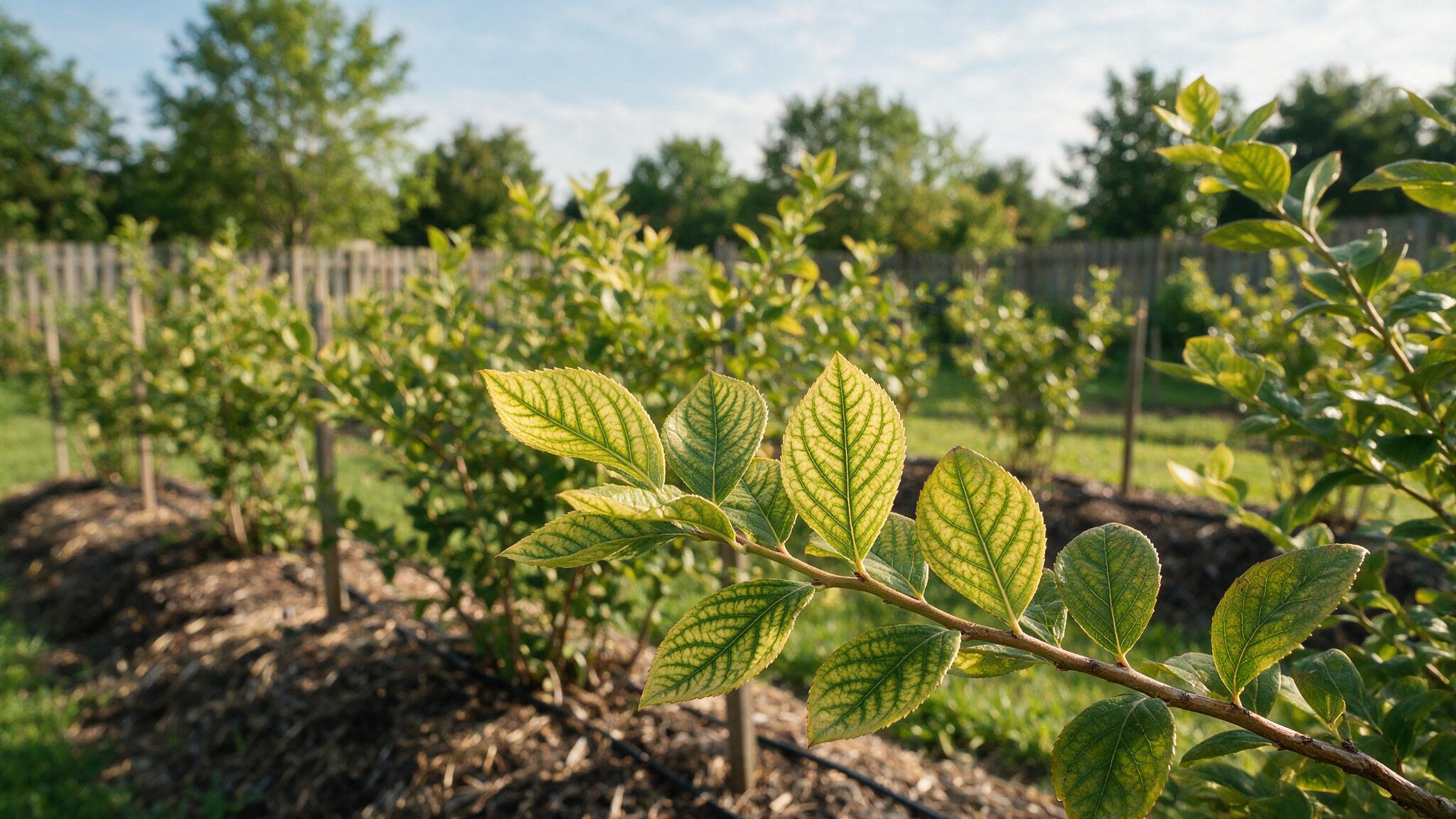
Few things are more frustrating than watching your blueberry bush go from lush and green to a patchwork of yellow almost overnight. Whether you’re growing a single container plant on a patio in Georgia or a row of bushes in a Pacific Northwest backyard, yellowing leaves are one of the most common distress signals your blueberries will send.
The good news is that most cases of yellow blueberry leaves trace back to a manageable, fixable cause. Soil chemistry, watering habits, light exposure, pests, and disease all play a role — and once you know what to look for, diagnosing the problem is much more straightforward than it might seem.
This guide walks you through every reason your blueberry leaves might be turning yellow, how to identify which one you’re dealing with, and exactly what to do about it. You’ll also find prevention strategies to keep your bushes healthy for the long haul.
What Does It Mean When Your Blueberry Leaves Are Turning Yellow?
Yellowing leaves on a blueberry bush are a sign that something in the plant’s environment is off. Leaves turning yellow is a phenomenon called chlorosis — at the most fundamental level, it means a lack of chlorophyll (the green part of the leaf), so you see the yellow pigment underneath. There are many reasons this happens, but it is a symptom of stress.
Blueberries (Vaccinium corymbosum and related species) are among the pickiest fruiting shrubs in the American home garden. One of the most common causes of chlorosis is improper soil pH, especially for acid-loving plants like blueberries. Even in nutrient-rich soils, if the pH is not right for the plant being grown, the ability of that plant to take up the nutrients it needs to grow and flourish can be severely limited.
When blueberry leaves turn yellow, it is often a sign of underlying issues with soil pH and nutrient availability. Healthy leaves are vital for photosynthesis, which fuels new growth and fruit development. In short, a yellow leaf is your bush telling you it cannot access what it needs — whether that’s iron, nitrogen, water, or sunlight.
Pro Tip: Pay close attention to which leaves are turning yellow. New growth yellowing at the top of the plant points to iron chlorosis, while older leaves at the base going yellow first suggests nitrogen stress or root trouble.
Is Yellowing in Blueberry Leaves Always a Sign of a Problem?
Not always — timing and pattern matter enormously. Blueberry leaves develop a maroon color in autumn as a normal response to lowering temperatures. A similar shift can happen with yellow and gold hues in fall, and this is perfectly healthy behavior for a deciduous shrub heading into dormancy.
Seasonal color change can spread quickly over a few weeks, but it looks very different from the soft, uniform red or gold color seen in natural fall color change. Seasonal color is even and gradual, while nutrient or pH problems give patchy yellowing, odd vein patterns, and stressed-looking foliage.
Red or purple hues are part of the normal autumn cycle for blueberries. Only out-of-season reds or yellows — appearing in spring or summer — signal trouble. If your bush is otherwise healthy, berries are forming well, and the color change is happening uniformly across the plant in late summer or fall, you can breathe easy. If the yellowing is patchy, appears during the growing season, or is concentrated on new growth, that’s when you need to investigate further.
Watering Issues Causing Blueberry Leaves to Turn Yellow
Both too much and too little water can cause yellow leaves on blueberry bushes, and the symptoms can look deceptively similar. Blueberries require irrigation that provides consistent moisture without waterlogging the roots. Excess water or an inconsistent watering schedule may lead to root oxygen deprivation or drought stress, both of which cause yellow leaves.
Overwatering and Waterlogged Soil
Yellow leaves often signal waterlogged roots. Check the soil — if it’s soggy, reduce watering and improve drainage. When roots sit in standing water, they can’t absorb oxygen, which shuts down their ability to take up nutrients. The result is leaves that yellow and droop even though the soil is wet — a confusing combination that leads many gardeners to water even more, making the problem worse.
If your blueberries are planted in heavy clay soil common in parts of the Southeast and Midwest, this is an especially common issue. Let the top one to two inches of soil dry out between waterings. Add perlite or sand to heavy clay soil, and consider planting in raised beds or containers with drainage holes.
Underwatering and Drought Stress
Blueberries need consistent moisture, especially during dry weather. Ensure the plants receive a consistent amount of water. Waterlogged soil, or soil that is too dry, can stress the plants and contribute to yellow leaves. During hot summers — particularly in states like Texas, Arizona, or the Southeast — drought stress can set in quickly, especially for container-grown plants.
The fix is to water deeply and consistently rather than in shallow, frequent bursts. Water at the base of the plant rather than overhead, and consider drip irrigation, which delivers regular moisture directly to the roots. A two- to three-inch layer of mulch over the root zone helps retain soil moisture between waterings.
Pro Tip: Before watering, push your finger two inches into the soil near the base of the plant. If it feels damp, hold off. If it feels dry at that depth, it’s time to water. A moisture meter takes the guesswork out entirely.
Light Conditions Behind Blueberry Leaf Yellowing
Light is a less-discussed but real contributor to yellow leaves on blueberry bushes. Plants make their food with help from the sun through photosynthesis. Not getting enough sunlight leaves out a crucial component of their nutrition, which can cause leaf discoloration and eventually death. Leaves on a struggling blueberry plant will often start yellowing in the portions that get the least amount of sunlight, eventually turning brown and falling off.
Blueberries generally need six to eight hours of direct sun per day. If your bushes are planted under a tree canopy or along a north-facing fence, inadequate light may be contributing to pale, yellowish foliage. You can check our guide to best houseplants for low-light areas to understand how dramatically light levels affect plant health.
Too much intense sun is also a problem, particularly for young plants or those growing in containers. Scorched, yellow leaves may mean sunburn or heat stress, especially in young plants. Move potted bushes to partial shade with four to six hours of morning sun, and use shade cloth during extreme heat. Morning sun with afternoon shade is often the ideal arrangement in hot-summer US climates.
Soil, Nutrients, and Root Health Causing Blueberry Leaf Yellowing
This is the most common category of causes for yellow blueberry leaves in the United States. Soil chemistry problems — especially pH — sit at the root of the majority of cases.
Iron Chlorosis and Soil pH
The leading cause of blueberry leaves turning yellow is iron deficiency or iron chlorosis. Plants with iron deficiencies show a unique yellow leaf pattern: the leaf’s veins stay dark green, while the rest of the leaf turns yellow, sometimes with red blotches.
Here’s the important nuance: most often, chlorosis in blueberry plants isn’t caused by a lack of iron in the soil, but because the iron isn’t available to the plant because the pH level is too high. In other words, the soil is too alkaline for healthy growth of blueberries. Alkaline soil is often present in areas where rainfall is low. This is why iron supplements alone rarely solve the problem without also correcting the pH.
Maintaining the proper soil pH of 4.5 to 5.5 is key to preventing blueberry bush leaves turning yellow. A high soil pH above 5.2 results in the inability of the blueberry plant to use iron, causing a lack of chlorophyll production. Iron deficiency symptoms develop first in young leaves. If your newest leaves are the most yellow, iron chlorosis from high pH is the most likely culprit.
You can learn more about how soil conditions affect different types of plants and their nutrient needs.
Nitrogen Deficiency
Nitrogen deficiencies are common in blueberries. The light green color (chlorosis) is uniform across the leaves with no particular pattern or mottling. Other symptoms of nitrogen deficiency include reduced shoot growth, fewer new canes, and reduced yield. Unlike iron chlorosis, nitrogen deficiency tends to show up on older leaves first rather than new growth.
When nitrogen is lacking, it fades the older leaves first. Nitrogen-deficient leaves may also develop early fall color and then drop off prematurely. Using an acid-forming nitrogen fertilizer such as ammonium sulfate — rather than a standard balanced fertilizer — is the appropriate fix for blueberries.
Magnesium Deficiency
Magnesium deficiency is common in acid soils. A lack of magnesium causes interveinal reddening because chlorophyll production is reduced. Symptoms begin as an interveinal yellowing and progress to a bright red. Leaves at the bases of young shoots are most likely to exhibit symptoms first.
Magnesium deficiency looks similar to iron chlorosis at first glance — both cause the area between leaf veins to discolor — but the pattern and location differ. Iron deficiency often targets the youngest leaves, turning them a sickly yellow while the veins stay green. Magnesium pulls a different trick, causing yellow patches between the veins on older leaves. Epsom salt (magnesium sulfate) dissolved in water and applied as a soil drench is a common remedy.
Root Health
Even when soil pH and nutrients are correct, compacted or diseased roots prevent nutrient uptake. Compacted roots happen when there isn’t enough space for a blueberry plant to grow — this is especially common in container plants. It can cause leaves to fall off and the plant may become more and more unhealthy.
Healthy roots are a pale, whitish-yellow color. Diseased roots are dark and may have a foul odor. If you suspect root trouble, carefully remove the plant from its container or gently excavate around in-ground roots to inspect them.
Key Insight: Using the wrong fertilizer is a common mistake. Use only acid-loving plant fertilizers. Regular ones can raise soil pH, making nutrient absorption harder and causing yellow leaves.
Environmental Stress Triggering Blueberry Leaf Yellowing
Beyond watering and soil, broader environmental conditions can push blueberry bushes into stress and trigger yellowing. These are particularly relevant across different US growing regions.
- Heat stress: Prolonged temperatures above 85°F — common in Southern states during summer — can cause leaf scorch and yellowing, especially on exposed outer leaves. Mulching the root zone with two to three inches of wood chips or pine needles helps keep soil temperatures cooler.
- Transplant shock: Plants that have recently been transplanted may struggle. Another reason your blueberry shrubs may not be doing well is simple acclimation. Yellowing in the first few weeks after planting is often temporary as the plant adjusts.
- Herbicide drift: If canes are not dying but leaves on particular portions of the plant are turning brown or yellow, herbicide injury from preemergent materials is a possible cause. It is usually accompanied by leaf yellowing or bleaching, followed by browning, and tends to be interveinal. This is worth considering if you’ve recently applied lawn herbicides nearby.
- Frost damage: Late spring frosts can damage young leaves and cause them to yellow and curl. Avoid late-season fertilizing that stimulates tender new growth, and cover plants with frost blankets or row covers when temperatures drop below 32°F during bloom.
Manure, mushroom compost, and many homemade composts can be too alkaline or too salty for blueberries. If you use compost at all, keep it modest and make sure it does not push your pH up. This is a commonly overlooked environmental stressor, especially for gardeners who amend their soil generously with compost each season.
Pests and Disease Leading to Blueberry Leaf Yellowing
When soil and watering checks come back normal, pests and disease move to the top of the suspect list. Not every yellow or red leaf is a feeding problem. Sometimes it is a tiny critter or an infection quietly stressing the plant.
Common Pests
Pests like spider mites or aphids sap nutrients from leaves, leading to yellowing. Inspect the undersides of leaves for tiny insects or webbing. Early treatment with neem oil can prevent further damage.
Here’s what to look for with each common pest:
- Spider mites: Stippled, dusty-looking leaves with fine webbing, most common in hot, dry weather.
- Aphids: Curled new growth, sticky honeydew residue, and clusters of soft-bodied insects on stems and leaf undersides.
- Blueberry tip borers and caterpillars: Feeding by newly hatched caterpillars can skeletonize the foliage, leaving only the large leaf veins. In significant infestations, plant defoliation can occur.
Use the best iPhone apps for identifying plants or best Android apps for identifying plants to help narrow down pest or disease identification when you’re unsure what you’re looking at.
Fungal Diseases
Powdery mildew affects blueberry bushes and is caused by the fungus Erysiphe vaccinii, causing a fluffy, white substance to appear on the leaves of the plant. With enough time, the leaves may yellow and form a red border before eventually falling off.
Diseases like leaf gall or root rot disrupt nutrient flow, causing yellowing. Check for spots, lesions, or unusual growths on leaves or stems. Fungal issues often thrive in overly wet conditions. Improving airflow by pruning crowded interior branches and avoiding overhead watering are two of the best preventive measures.
Root Rot (Phytophthora)
Phytophthora root rot attacks blueberry roots and causes above-ground symptoms including leaf yellowing and reddening. Reduced water uptake from decayed roots triggers these leaf color changes. You’ll typically see stunting, wilting, and dieback before the plant dies. This soilborne pathogen thrives in waterlogged conditions with poor drainage.
Root rot, often Phytophthora, causes general yellowing, wilting despite moisture, and poor growth, and is common in waterlogged beds. If you suspect this disease, inspect the roots directly — dark, mushy roots with a foul smell confirm the diagnosis. Severely infected plants may need to be removed entirely.
Viral Diseases
Blueberry mosaic associated ophiovirus causes leaf discoloration in mosaic patterns. Leaves may be crinkled. The discoloration can vary on a single branch, from bright green leaves with irregular scatterings of pale-yellow splotches, to bright pink and yellow splotches interspersed with pale green spots. Viral diseases have no chemical cure — infected plants should be removed and destroyed to prevent spread.
How to Diagnose Why Your Blueberry Leaves Are Turning Yellow
A systematic approach saves time and prevents you from applying the wrong fix. Work through these steps in order before reaching for any amendment or spray.
- Note which leaves are affected first. New yellow leaves point more strongly toward iron chlorosis, while older yellow leaves lean more toward nitrogen stress or general root trouble.
- Examine the pattern on the leaf itself. Chlorosis is recognized by a yellowing of the leaves, particularly between the leaf veins, making veins appear more green than the remainder of the leaf. Uniform yellowing with no vein pattern suggests nitrogen deficiency. Splotchy yellowing with pink or pale-green patches may indicate a virus.
- Check the soil moisture. Push your finger two inches into the soil. Soggy soil points to overwatering or drainage problems; bone-dry soil points to drought stress.
- Test your soil pH. If you suspect chlorosis, conduct a soil test through your local extension office, or use an at-home kit or pH meter. This single step resolves the majority of blueberry yellowing mysteries.
- Inspect for pests. Inspect the undersides of leaves with a flashlight for mites, aphids, or other insects. Look for webbing, sticky residue, or visible insects.
- Look for disease symptoms. Leaf spot diseases produce discrete spots that may be reddish-brown, sometimes with yellow halos. Powdery mildew shows as a white coating. Root rot requires digging to inspect roots directly.
- Consider recent changes. Did you apply a new fertilizer, herbicide, or compost? Did you repot or transplant recently? Environmental changes often trigger temporary yellowing that resolves on its own.
Important Note: When you have fertilized appropriately and symptoms persist, or if multiple nutrients seem off at once, a lab test from your local cooperative extension service is more reliable than adding more products. Many US states offer soil testing for a small fee through their land-grant university extension programs.
How to Fix a Blueberry Bush That Is Turning Yellow
Once you’ve identified the cause, here’s how to address it. Work on one issue at a time and give the plant two to four weeks to respond before making additional changes.
Correcting Soil pH
To lower the soil pH, use sulfur products like elemental sulfur or iron sulfate. These amendments help create an acidic environment suitable for blueberries, which can improve iron uptake and reduce chlorosis. Apply according to package directions, work the amendment into the top few inches of soil, and water thoroughly afterward.
Spread the recommended amount of sulfur products evenly around the base of the blueberry plant, then work them into the top few inches of soil. Ensure you water the plants well after applying the amendments to help them penetrate the soil. pH adjustment is gradual — retest in four to six weeks and repeat if needed.
Treating Iron Chlorosis Directly
Apply chelated iron to the soil or as a foliar spray. You should see improvement in two to three weeks. Chelated iron is more readily available to plants than standard iron sulfate because it remains soluble across a wider pH range, making it a good bridge treatment while you work on correcting the underlying pH problem.
Addressing Nutrient Deficiencies
For nitrogen deficiency, apply ammonium sulfate at the rate recommended on the label — this form of nitrogen is acidic and won’t push your pH up. For magnesium deficiency, dissolve one tablespoon of Epsom salt per gallon of water and apply as a soil drench. Mulch well with bark chips, pine needles, oak leaves, or other acidic materials, and fertilize regularly using a high-acid fertilizer.
Fixing Watering Problems
If overwatering is the issue, stop watering until the top two inches of soil dry out, then establish a consistent schedule. For drought stress, water deeply at the base of the plant and apply a thick layer of mulch. Mulching with pine needles helps retain moisture and maintain an acidic soil environment suitable for blueberries.
Dealing with Pests
Rinse pests off with a strong spray of water, especially for mites and aphids. For heavier infestations, apply neem oil or insecticidal soap to the entire plant, paying special attention to the undersides of leaves. Repeat every seven to ten days until the infestation clears. For fungal issues, use copper fungicide.
Pruning for Recovery
Only remove severely damaged leaves. Mild yellowing may recover with proper care, and pruning too much stresses the plant further. For disease-related yellowing, remove dead or diseased branches to promote new growth and improve air circulation. Always sterilize your pruning tools between cuts when dealing with disease.
For more guidance on growing healthy fruiting plants alongside your blueberries, see our article on different plants to grow with tomatoes — many of the companion planting principles apply to berry gardens as well.
How to Prevent Blueberry Leaf Yellowing Going Forward
Prevention is far easier than rescue. Closely monitoring foliage health and maintaining ideal soil conditions can prevent yellow leaves and help ensure your plants thrive. Build these habits into your regular blueberry care routine.
- Test soil pH at least once a year. Soil testing is a valuable part of blueberry nutrition programs. Soil pH needs to be monitored periodically because pH influences the availability of many nutrients to plants. Early spring, before new growth begins, is the best time to test and amend.
- Use only acid-forming fertilizers. Choose fertilizers labeled for acid-loving plants or blueberries specifically. Ammonium sulfate is a reliable, widely available option. Regular fertilizer products may contain forms of nitrogen or phosphorus not suitable for blueberries and may raise soil pH.
- Mulch every season. Mulching does wonders for maintaining soil moisture and temperature, which can prevent yellow leaves. Pine needles, wood chips, and pine bark are all excellent choices that also contribute to soil acidity as they break down.
- Water at the base, not overhead. Prune crowded branches for airflow, and avoid overhead watering to keep foliage dry — wet foliage invites fungal disease.
- Inspect plants regularly. If you notice blueberry plant leaves turning yellow, act quickly to correct nutrient imbalances. Early intervention is always easier than treating a fully stressed plant.
- Choose the right site. Plant in full to partial sun with a minimum of five to six hours of sun per day. Space bushes to allow for airflow and root expansion.
- Avoid alkaline soil amendments. Manure, mushroom compost, and many homemade composts can be too alkaline or too salty for blueberries. If you use compost at all, keep it modest and make sure it does not push your pH up.
Understanding the full range of types of leaves and their normal characteristics can also help you recognize when something is genuinely wrong versus a normal variation in leaf appearance.
Frequently Asked Questions
Why Are Only My New Blueberry Leaves Turning Yellow?
If new leaves are turning yellow, it could indicate a persistent pH imbalance or a nutrient deficiency. Verify that the pH is within the optimal range of 4.5 to 5.5. Iron issues hit new growth first because iron is not easily moved around inside the plant. If your newest leaves are the palest while older leaves look relatively healthy, iron chlorosis from high pH is the most likely explanation.
Can Yellow Blueberry Leaves Turn Green Again?
Yes, but recovery depends on the cause and how quickly you address it. Blueberries usually bounce back through better new growth rather than the yellowed leaves reverting to green. In practice, existing severely yellowed leaves rarely recover their full green color, but once you correct the underlying problem, new growth comes in healthy and green. After applying chelated iron, you should see improvement in two to three weeks.
Is Fall Yellowing on Blueberries Normal?
Yes. Blueberry bushes are deciduous and naturally drop their leaves in fall, often preceded by yellow, orange, or red coloration. Seasonal color is even and gradual, while nutrient or pH problems give patchy yellowing, odd vein patterns, and stressed-looking foliage. If the color change is uniform and the plant has been otherwise healthy through the growing season, fall yellowing is nothing to worry about.
How Often Should I Test My Blueberry Soil?
Test soil at least once per year or before planting new bushes. Regular testing helps maintain the optimal pH and nutrient status for healthy growth. If you’ve recently added amendments or noticed recurring yellowing, testing twice a year — in early spring and late summer — gives you a clearer picture of how your soil is changing over time.
Can I Use Coffee Grounds to Lower Soil pH for Blueberries?
Coffee grounds are mildly acidic and can contribute to soil acidity over time, but they work slowly and inconsistently. They work best as a mulch or compost addition rather than a primary pH amendment. For reliable pH correction, amend the soil with sulfur. Sulfur lowers soil pH, helping to unlock soil nutrients for plant uptake. Use coffee grounds as a supplement, not a substitute, for proper pH management.
Should I Remove Yellow Leaves from My Blueberry Bush?
Only remove severely damaged leaves. Mild yellowing may recover with proper care, and pruning too much stresses the plant. If the leaves are completely dead, brown, or showing signs of disease, removing them reduces the risk of spreading pathogens to healthy growth. Otherwise, focus your energy on correcting the root cause rather than stripping the plant of foliage it may still be using for photosynthesis.
For more plant care resources, explore our guides on drought-tolerant plants in Florida, best deer-tolerant plants, and best wind-tolerant plants to build a more resilient garden around your blueberry bushes.