
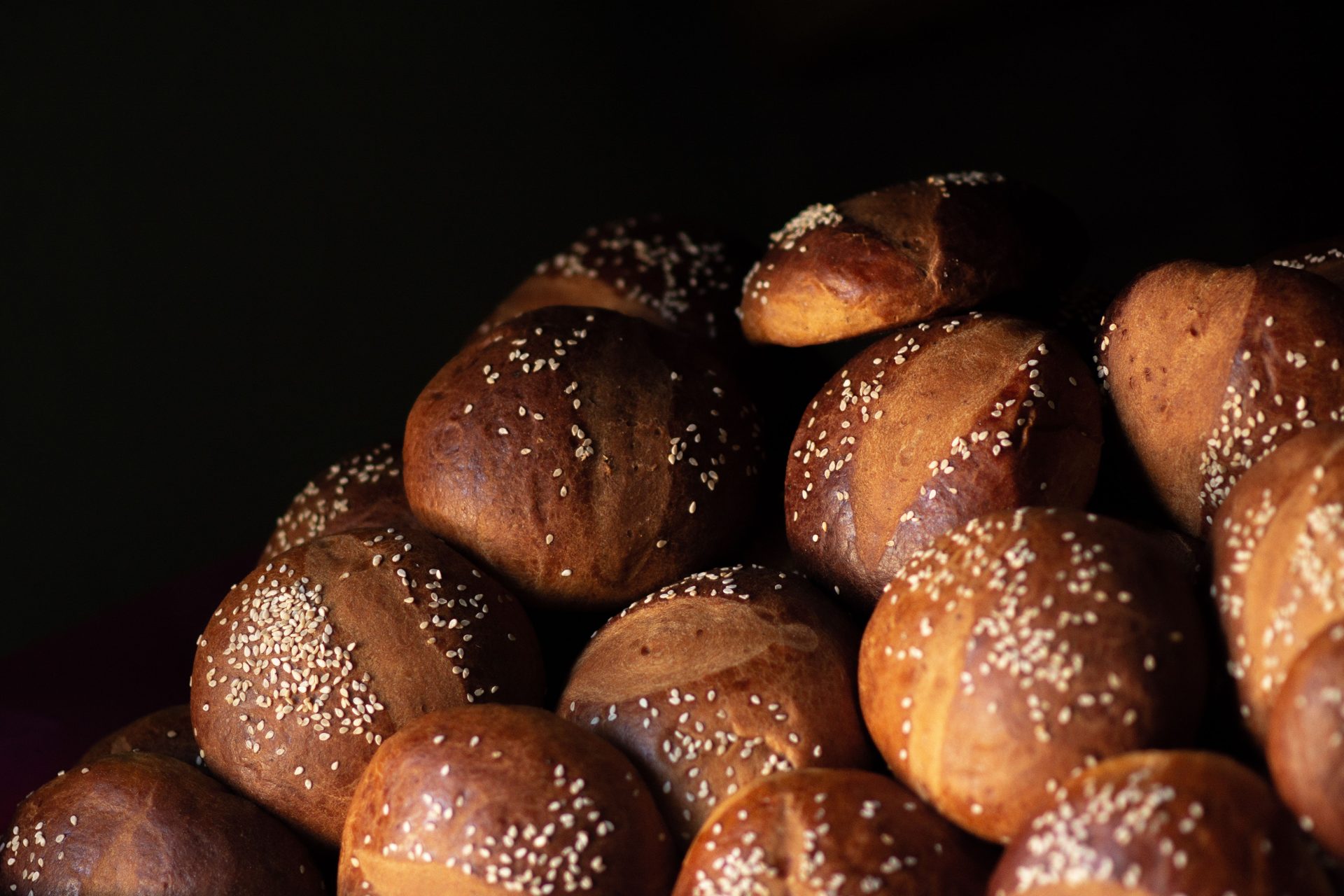
A traditional Oaxacan breakfast rarely looks like a quick bowl of cereal. It is closer to a small feast built from corn, chiles, chocolate, and meat that families and street vendors have been preparing the same way for generations. The morning table in Oaxaca City and the surrounding Central Valley pulls from Zapotec and Mixtec cooking methods that predate the Spanish arrival, layered with ingredients introduced centuries later.
Walk through any regional breakfast tradition around the world and you will find a similar pattern: a starchy base, a protein, and a sauce or spread that ties the plate together. Oaxaca’s version of that formula happens to be one of the most varied in Mexico, thanks to a landscape of mountains and valleys that produces distinct ingredients from one town to the next. Below are 13 dishes that show up again and again on breakfast tables, market stalls, and bakery counters across the state.
1. Tlayudas
A tlayuda is a large, thin corn tortilla that gets toasted on a comal until it turns crisp at the edges and pliable in the center. According to Wikipedia , it is a handmade dish in traditional Oaxacan cuisine, consisting of a large, thin, crunchy, partially fried or toasted tortilla covered with a spread of refried beans, asiento, lettuce or cabbage, avocado, meat, Oaxaca cheese, and salsa. It is regarded as iconic in the local cuisine, and can be found particularly around Oaxaca City.
The base is spread with asiento, an unrefined pork lard that adds the savory backbone before any toppings go on. New Worlder’s reporting on the dish’s history notes that the classic preparation includes thin, large corn tortillas grilled over hot coals until crispy, with a layer of pork fat and refried black beans slathered on as the base, then toppings of shredded cabbage, onions, avocado, cheese, cilantro, thin slices of beef, chicken, or pork, chiles, or chorizo.
In small towns like Tlalixtac in the Central Valley, families still wake before dawn to grind corn and pat out tortillas by hand. Vendors there typically sell a softer version called a blandita for everyday meals, saving the full-size tlayuda for weekends or special occasions. Order one at a market stall in the morning and it usually arrives folded over itself, warm from the grill, with the cheese just beginning to soften.
Pro Tip: Ask for your tlayuda “con todo” (with everything) if you want the full combination of beans, cheese, cabbage, and meat rather than a simplified version aimed at tourists.
2. Memelas
Memelas are smaller and thicker than a tlayuda, shaped more like a stubby canoe than a disc. Wikipedia describes the cooking process : when the tortilla-like base is cooked and charred where the dough hits the hot metal of the grill and becomes as chewy as a medium-well steak, it is topped with black beans, salsa, peppers, shredded cabbage, mole negro, guacamole, and cheese.
The name has indigenous roots. One culinary guide to Oaxaca explains that memelas are derived from the Nahuatl word “memel,” which means “to knead,” and are small, oval-shaped corn masa cakes. That kneading step matters: the masa for a memela is worked thicker than a regular tortilla so it can hold its toppings without collapsing.
Food writers covering Oaxacan street food point out that memelas are one of Oaxaca’s oldest and most beloved street foods, celebrating fresh masa as the star of the meal, with each thick corn cake hand-shaped, cooked on a traditional comal, and finished with classic toppings like asiento, refried beans, queso fresco, salsa, onions, avocado, herbs, and grilled meats. Unlike a tlayuda, a memela is meant to be eaten in a few bites rather than shared across a table, which makes it a common grab-and-go option at market breakfast stalls. Street food lovers who enjoy the thicker, chewier base over Mexico’s many regional street food traditions often name memelas as a favorite precisely because the masa carries so much of the flavor on its own.
3. Chilaquiles
Chilaquiles turn yesterday’s tortillas into today’s breakfast. Leftover corn tortillas are cut into triangles, fried until crisp, and then simmered briefly in a red or green salsa so they soften at the edges while keeping some bite in the center.
In Oaxaca, the dish often leans on the state’s preference for black beans alongside the eggs and salsa. The practice of folding beans directly into an egg-based breakfast runs deep in the region; it shows up again in dishes like huevos con frijoles, where scrambled eggs and black beans share the same plate rather than sitting as separate sides.
A plate of chilaquiles typically arrives topped with crema, queso fresco, sliced onion, and a fried or scrambled egg. Cooks who want extra richness will swap the usual salsa for mole, turning the dish into what some kitchens call chilaquiles de mole. The idea of repurposing yesterday’s staple into a new morning dish is not unique to Mexico. A traditional Japanese breakfast does something similar with leftover rice, proof that resourceful morning cooking is a global habit rather than a regional quirk.
4. Huevos Rancheros
Huevos rancheros is built around a fried egg set on top of a lightly fried corn tortilla, then covered in a cooked tomato-chile sauce. The sauce is what separates it from simpler egg dishes: it is simmered down before serving rather than poured on raw, giving it a deeper, slightly sweet edge from the cooked tomatoes.
Refried beans typically sit alongside the eggs, and a scattering of queso fresco or crumbled cotija finishes the plate. Avocado slices are common in Oaxaca’s version, adding a cooling contrast to the warm sauce. The dish has become something of a shorthand for Mexican breakfast internationally, in the same way an egg-topped flatbread represents morning meals across parts of North Africa, including traditional Egyptian food built around eggs and bread.
Pro Tip: If the sauce tastes flat, a squeeze of lime right before eating brightens huevos rancheros without masking the cooked tomato flavor.
5. Huevos De Rancho
Huevos de rancho is often confused with huevos rancheros, but the two are not identical. Where huevos rancheros relies on a cooked sauce poured over the tortilla and egg, huevos de rancho usually keeps the egg and sauce components looser, sometimes scrambling the egg directly into a simmering tomato and chile mixture rather than frying it separately.
Regional cooks vary the recipe depending on what is available that morning: some versions include strips of ham or chorizo folded in, while others stay vegetarian and lean on the chile base alone. The dish tends to show up on family tables more than restaurant menus, which makes it harder to find written down compared to its better-known cousin.
What stays constant is the rustic, home-style presentation; huevos de rancho is rarely plated with the same care as a restaurant dish. It is closer in spirit to the simple, cheese-forward egg plates found in traditional Greek foods, where eggs are treated as a vehicle for whatever dairy and vegetables are on hand rather than a dish with one fixed recipe.
6. Omelette De Huitlacoche
Huitlacoche, sometimes called corn smut in English, is a fungus that grows on ears of corn and turns the kernels dark and swollen. The organism responsible is Ustilago maydis, and rather than discarding infected corn, Oaxacan cooks treat it as a delicacy with an earthy, almost mushroom-like flavor.
For an omelette de huitlacoche, the fungus is sautéed with onion, garlic, and epazote before being folded into eggs. The filling turns the inside of the omelette a deep gray-black, which can look unusual to first-time diners but tastes smoky and savory rather than strange. Some cooks melt quesillo into the fold for added richness.
Huitlacoche season generally runs during the rainy months when corn is most vulnerable to the fungus, so the dish has a loose seasonal window rather than year-round availability. The technique of folding a savory filling into beaten eggs traces back to French cooking methods, a connection worth exploring through traditional French food if the omelette format itself is of interest.
7. Enmoladas
Enmoladas follow the same basic logic as enchiladas, except the tortillas are dipped in mole instead of a red or green salsa. Corn tortillas are warmed, dipped in a thinned mole sauce, and rolled or folded around a filling, most often shredded chicken or crumbled cheese.
The dish works well as a breakfast item because it reuses sauce made the night before, since a proper mole takes hours to prepare and is rarely made fresh each morning. A sprinkle of sesame seeds and a drizzle of crema on top finish the plate, along with a side of rice in some households.
Enmoladas sit at an interesting middle point between a quick breakfast and a more involved dish, since the heavy lifting happens with the mole rather than the assembly. Sauce-draped breakfast dishes are common well beyond Mexico, and readers curious about other slow-simmered morning sauces might compare notes with traditional Indian foods, where curries built a day ahead often reappear at the morning table too.
8. Tasajo
Tasajo is thin, salted beef that gets dried and then grilled quickly over hot coals, usually appearing as a topping on tlayudas or as its own plate alongside eggs. One guide to Oaxacan ingredients describes it directly: tlayudas are traditionally smeared with asiento and refried beans, then topped with Oaxacan cheese, slices of tomato, avocado, and strips of tasajo or chorizo.
The meat is cut into wide, thin sheets before salting, which lets it dry faster and cook through in under a minute per side on a hot grill. That quick cooking time keeps the beef from toughening, so a good piece of tasajo should still have some give to it rather than turning leathery.
Market stalls that specialize in grilled meats often sell tasajo by weight, letting customers choose how much to add to tacos, tlayudas, or a simple plate with beans and tortillas. The practice of salting and drying meat for preservation before grilling has parallels around the world, including the dried meats found in traditional South African food, where biltong follows a comparable drying logic.
9. Orejas
Orejas are a sweet, flaky pastry shaped roughly like an ear, which is where the name comes from. They belong to the pan dulce tradition found in bakeries across Mexico, made from laminated dough that puffs and caramelizes at the edges as it bakes.
In Oaxaca, orejas are typically sold alongside other pan dulce varieties at panaderías that open early, making them a common grab for anyone heading to work with just enough time for coffee and a pastry. The sugar coating on top caramelizes slightly in the oven, giving the pastry a light crunch that contrasts with its soft, buttery layers underneath.
Pairing a sweet, fried, or baked dough with morning coffee is far from unique to Oaxaca. Readers who enjoy comparing fried breakfast pastries across cultures might find the fried dough traditions discussed in traditional Pakistani food a useful point of comparison, since both rely on quick-cooked dough as a breakfast staple.
10. Mole Oaxaqueño
Oaxaca is often called “the land of the seven moles,” and while that count gets debated by cooks who insist there are more, the seven most commonly referenced varieties are negro, rojo, coloradito, amarillo, verde, chichilo, and manchamanteles. A detailed guide to the tradition notes that Oaxaca is known across Mexico and beyond as La Tierra de los Siete Moles, a southern Mexican state that has elevated mole-making into one of the most complex and revered cooking traditions in the world.
The word itself comes from an older language. The word “mole” derives from the Nahuatl word molli or mulli, meaning sauce or mixture, and long before the Spanish arrived in the sixteenth century, the Indigenous peoples of Mesoamerica were grinding chiles, tomatoes, seeds, and herbs on stone metates to create complex sauces. Chocolate entered the recipe only after colonization layered in almonds, cinnamon, and other imported ingredients.
| Mole | Typical Color | Flavor Note |
|---|---|---|
| Negro | Deep black-brown | Rich, bittersweet, most complex to prepare |
| Rojo | Brick red | Earthy and moderately spicy |
| Coloradito | Reddish-orange | Smoother and slightly sweet |
| Amarillo | Golden yellow | Bright, herbaceous, often used in tamales |
| Verde | Green | Fresh, made with tomatillo and herbs |
| Chichilo | Dark gray-black | Smoky, reserved for special occasions |
| Manchamanteles | Brick red | Fruit-forward, named for staining tablecloths |
A breakdown of the seven styles explains that the seven different types of moles found in Oaxaca are mole negro, mole rojo, mole coloradito, mole amarillo, mole verde, mole manchamanteles, and mole chiclo. For breakfast specifically, mole most often appears thinned and poured over eggs, folded into tamales, or used as the sauce base in enmoladas rather than served as a standalone dinner plate.
11. Tamales Oaxaqueños
Oaxacan tamales stand apart from tamales found elsewhere in Mexico mainly because of their wrapper and size. According to the Wikipedia entry on the region’s food, the most traditional Oaxacan tamales are large, wrapped in banana leaves with a mole filling. Banana leaves impart a subtle vegetal aroma to the masa that corn husks do not provide, and the larger format means one tamal can serve as a full breakfast on its own.
Common fillings include chicken in mole negro, pork in a red chile sauce, or a sweeter version made with mole amarillo. Street vendors sell them warm from large steamer baskets early in the morning, often alongside atole or hot chocolate for a complete breakfast combination.
The wrapped-and-steamed format for a hearty morning starch is far from unique to Oaxaca. Readers interested in comparing corn-wrapped dishes across the region might enjoy looking at traditional Venezuelan food, where hallacas follow a similar wrapping technique with different fillings and spices.
12. Pan De Yema
Pan de yema is an egg-yolk-enriched sweet bread with a tight, golden crumb and a slightly sweet, buttery taste. The extra yolks give it a deeper color than many other Mexican sweet breads, and the dough is often shaped into rounds or braided loaves before baking.
While pan de yema is strongly associated with Día de los Muertos altars in its more decorated form, a simpler everyday version shows up at breakfast tables and bakeries year-round, usually torn apart and dunked into coffee or hot chocolate. Families sometimes make a large batch on weekends specifically because it keeps well for a few days without drying out too much.
Enriched breads built around egg yolks and butter are a recurring theme in breakfast cultures worldwide, including the sweet breakfast spreads found in some celebratory breakfast menus built around rich, buttery baked goods.
Pro Tip: Pan de yema that is a day or two old works especially well for dunking, since the slightly firmer crumb holds together better in hot chocolate than a fresh-baked loaf.
13. Chocolate Oaxaqueño
Oaxacan hot chocolate is almost always drunk rather than eaten as a candy bar substitute, and the Wikipedia overview of the region’s cuisine lists it among the defining ingredients of the local table. Well-known features of Oaxacan cuisine include ingredients such as chocolate, often drunk in a hot preparation with spices and other flavorings, Oaxaca cheese, mezcal, and grasshoppers.
Cacao beans are toasted and ground together with cinnamon, almonds, and sometimes sugar at local chocolate mills, where customers bring their own beans to be processed into discs or tablets. Those tablets are then melted into hot water or milk and whisked with a wooden molinillo until the drink develops a thick foam on top.
Breakfast in Oaxaca very often pairs a cup of this chocolate with pan de yema or a tamal, making it less of a dessert drink and more of a functional part of the morning meal. The ritual of whisking spiced, warmed drinks before the day begins has close parallels in traditional Egyptian drinks and in the tea ceremonies covered under traditional Chinese drinks, both of which treat the first drink of the day as a deliberate, almost ceremonial step rather than an afterthought.
A traditional Oaxacan breakfast, taken as a whole, reflects a kitchen tradition built on corn, chile, and patience rather than shortcuts. From the charred edges of a tlayuda to the hours of grinding behind a proper mole, these 13 dishes show why the region’s morning table has earned a reputation that extends well beyond Mexico’s borders. Anyone planning a trip to Oaxaca City would do well to arrive hungry and curious, since even a single market stroll can turn into a multi-course introduction to the state’s cooking.