7 Traditional Colombian Breakfast Dishes That Define Morning in Colombia

November 21, 2026
A mug of hot chocolate with a cube of melted cheese dropped into it might sound unusual, but for many Colombian families, that’s simply what breakfast looks like on a chilly morning. A traditional Colombian breakfast changes dramatically depending on where in the country you wake up, shaped by altitude, climate, and generations of regional cooking. In Bogotá’s cool highlands, breakfast might mean a bowl of egg-and-milk soup; along the coast, it’s more likely to be a cheese-stuffed roll pulled warm from a street vendor’s basket.
Much like Albanian breakfast dishes built around byrek and fresh cheese, or the dairy-heavy spreads found across the Balkans, Colombia’s regional breakfast traditions say a lot about local geography and daily routines. This article walks through seven dishes — from humble soups to sweet, cheese-laced hot chocolate — that Colombians have relied on for generations to start the day. Each one tells a small story about the region it comes from and the ingredients that shape it.
1. Changua
Changua is a warm, milky soup built around poached eggs, scallions, and a handful of cilantro, and it’s the dish most associated with breakfast in Bogotá and the surrounding Andean highlands. The broth is simple — mostly milk and water — but the egg poaches directly in the liquid, giving the soup a silky texture suited to the region’s cool mornings.
Most versions include calado, pieces of stale bread soaked into the broth until soft, which adds body without needing extra ingredients. Some households stir in a pinch of salt and butter right before serving, while others top the bowl with crumbled cheese. It’s a dish built for function as much as flavor: quick to make, filling, and suited to Bogotá’s chilly, high-altitude mornings.
The soup shares a basic idea with other savory breakfast traditions around the world — that a warm broth, rather than something sweet, is the right way to open the day. Traditional Japanese breakfast spreads follow similar logic, building the morning meal around miso soup and rice rather than pastries or cereal.
2. Almojábanas
Almojábanas are small, dense rolls made from pre-cooked cornmeal and a soft, high-moisture cheese, and they’re especially common in Colombia’s central highlands. According to Sweet y Salado , almojábanas are a kind of cheese bread similar to pandebonos and pandequesos, popular especially in the region of Cundinamarca and Boyacá. Every household seems to have its own version, and the exact ratio of corn to cheese can shift from one kitchen to the next.
The easiest way to tell almojábanas apart from their cheese-bread cousins is the flour. Curious Cuisiniere points out that almojábanas are made with pre-cooked cornmeal, while the main ingredient in pandebono is cassava starch. That difference gives almojábanas a denser, slightly grainy bite compared to the chewier texture found in pandebono.
Pro Tip: If a recipe calls for cuajada and you can’t find it, a mix of queso fresco with a touch of extra salt gets close to the real texture and flavor.
Almojábanas are usually eaten warm, straight from the oven, alongside coffee or hot chocolate rather than as part of a full plate. In that sense they function a bit like savory cheese pastries found in other cuisines — simple dough and cheese, built to be eaten on the move.
3. Pan De Queso
Pan de queso, literally “cheese bread,” is a soft, chewy roll made from tapioca flour and grated cheese, and it’s one of the simplest breakfast breads in Colombian cooking. Per Wikipedia’s entry on the dish , it’s a traditional Latin American roll made with tapioca flour and grated cheese, served plain or filled with cream cheese or jam.
Unlike almojábanas or pandebono, pan de queso skips corn flour entirely, which gives it a glossier, more elastic crumb. The bread is especially common in Colombia’s Paisa region, where it’s eaten for breakfast or as parva — the local term for baked snacks. It pairs naturally with coffee or the kind of simple, carb-forward morning found in traditional French breakfast spreads built around bread and butter.
Because the dough contains no wheat gluten, pan de queso bakes up with a distinct chew rather than the airy crumb of a standard roll. Bakeries in Medellín and across Antioquia often sell it fresh each morning, still warm enough to pull apart by hand.
4. Pandebono
Pandebono is probably the best-known of Colombia’s cheese breads outside the country, recognizable by its golden, slightly cracked crust and chewy interior. Wikipedia traces the bread’s origin to a historical account in which a bread sold at Hacienda El Bono, on the road between Dagua and Cali, was known by muleteers simply as “el pan de El Bono” — a name that eventually merged into “pandebono.”
Oral tradition credits Genoveva, the hacienda’s cook, with adding cassava starch, then corn and cheese, to improve the nutritional value of the original bread. According to My Colombian Recipes , modern pandebono is made with masarepa, yuca flour, cheese, and egg, and it remains one of the most popular breads sold across the country.
Many Colombian families serve pandebono the same way neighboring households might serve Venezuelan cheese-filled breads — fresh, warm, and alongside a hot drink rather than a full plate of food. The table below breaks down how the three cheese breads covered so far actually differ.
| Bread | Main Starch | Typical Cheese | Texture |
|---|---|---|---|
| Almojábanas | Pre-cooked cornmeal | Cuajada or queso fresco | Dense, slightly grainy |
| Pan de queso | Tapioca flour | Grated fresh cheese | Chewy, glossy crumb |
| Pandebono | Cassava starch and cornmeal | Queso costeño or feta blend | Chewy with a cracked crust |
5. Chocolate Caliente
Hot chocolate in Colombia isn’t the sugary, marshmallow-topped drink familiar elsewhere — it’s made by melting a block of panela-sweetened chocolate directly into hot milk or water, sometimes with a cinnamon stick added while it simmers. The result is less sweet and more rustic than cocoa-powder versions, with a texture that stays slightly grainy rather than smooth.
What makes Colombian chocolate caliente distinct at breakfast is what goes into the mug. Amigo Foods notes that pairing a cup of hot chocolate with cheese bread like almojábanas is a common way to enjoy a cozy breakfast or afternoon snack. Some drinkers go further and drop a small cube of fresh cheese straight into the cup, letting it soften as the chocolate cools.
The custom isn’t unique to Colombia — hot beverage traditions in other cultures also treat a warm drink as the anchor of the morning meal rather than an afterthought. For a Colombian table, though, chocolate caliente with bread is less a treat and more a baseline expectation, which makes it an easy fit for cozy breakfast-in-bed ideas during colder months.
6. Caldo De Costilla
Caldo de costilla is a beef rib broth simmered with potatoes, carrots, onion, garlic, and cilantro until the meat falls away from the bone. It’s heavier than changua and often credited with curing a late night out, earning it a reputation as Colombia’s go-to breakfast hangover remedy.
Important Note: Recipes for caldo de costilla vary by household and region — some cooks add yuca or plantain, while others keep the broth simple with just ribs, root vegetables, and herbs. There’s no single correct version.
The broth is typically served with a side of arepa, white rice, or avocado, letting diners build a more substantial meal around the soup rather than eating it alone. It shares some logic with hearty one-pot stews from German cooking, where a single simmered pot carries the weight of an entire meal.
Street stalls and small restaurants across Bogotá and the interior highlands often sell caldo de costilla early in the morning, before the rest of the breakfast menu even opens. For many Colombians, the smell of the broth simmering is as much a part of the morning as the meal itself.
7. Caldo De Res
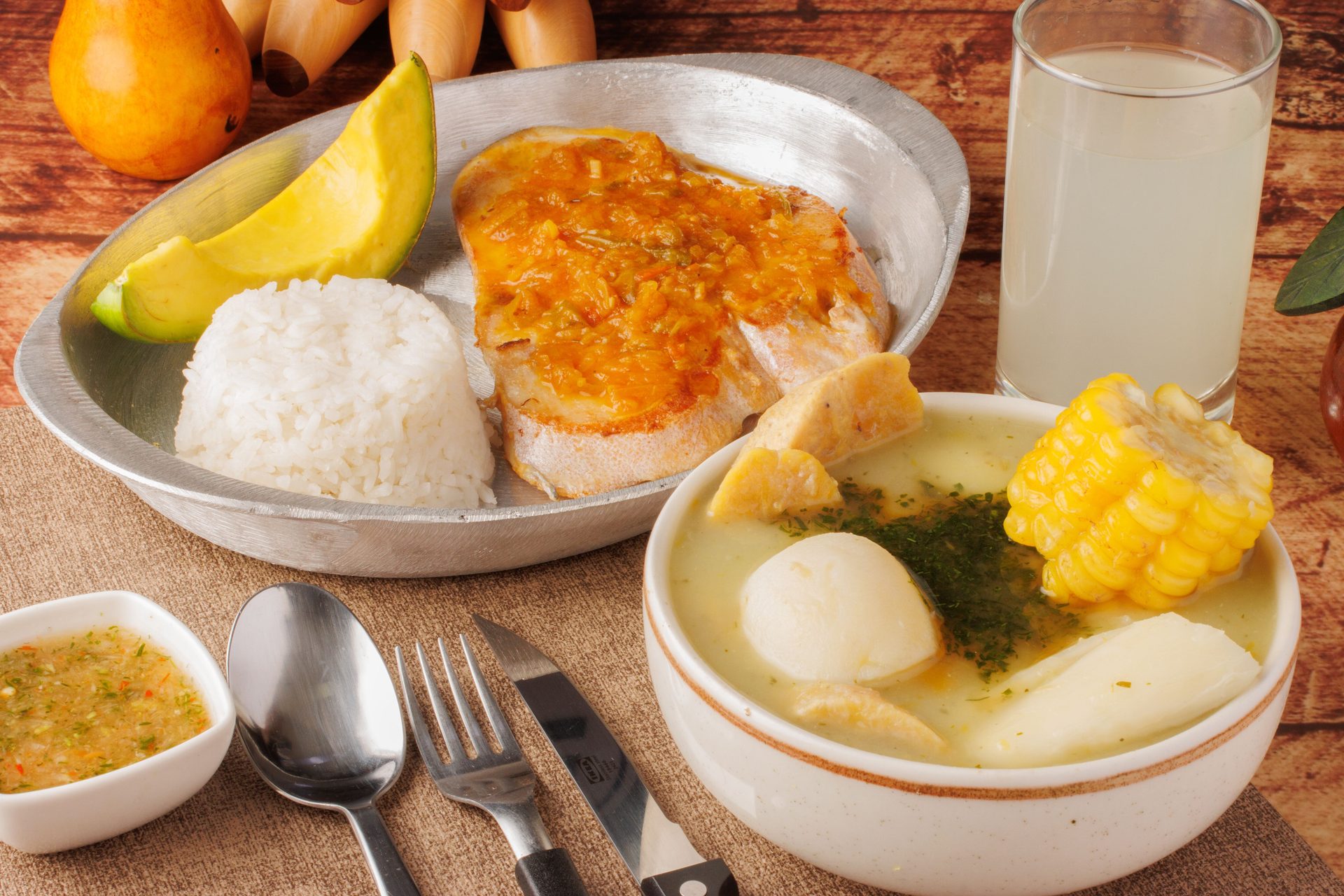
Caldo de res is a lighter beef and vegetable soup, usually made with less expensive cuts of beef, corn on the cob, yuca, plantain, and whatever root vegetables are on hand. Unlike the rib-heavy richness of caldo de costilla, caldo de res leans on vegetables for bulk, which makes it a soup that stretches further across a family table.
It’s common in rural households and smaller towns where breakfast and lunch sometimes blur together, especially on workdays that start before sunrise. The soup is often eaten with a piece of bread or rice on the side, turning what could be a light broth into a filling start to a long day of physical labor.
Soups built this way — vegetable-forward, stretched with starches, and seasoned simply — show up in traditional South African cooking too, where one-pot meals carry a similar role in daily life. In Colombia, caldo de res reflects the same instinct: use what’s on hand, cook it slowly, and make sure everyone at the table gets enough.
Taken together, these seven dishes show how differently Colombia defines “breakfast” depending on altitude, climate, and what’s growing nearby. A cup of chocolate caliente and a warm almojábana couldn’t be more different from a steaming bowl of caldo de costilla, yet both are completely normal ways to start a Colombian morning.
Travelers hoping to try these dishes firsthand will find most of them at local bakeries, markets, or small family-run restaurants rather than upscale spots — this is everyday food, not special-occasion fare. For readers curious how other breakfast traditions around the world compare, from Balkan spreads built on byrek and olives to the soup-forward mornings of East Asia, Colombia’s lineup is a reminder that “breakfast food” means something different in every corner of the globe.