18 Traditional Jamaican Breakfast Dishes You Need to Try

November 21, 2026
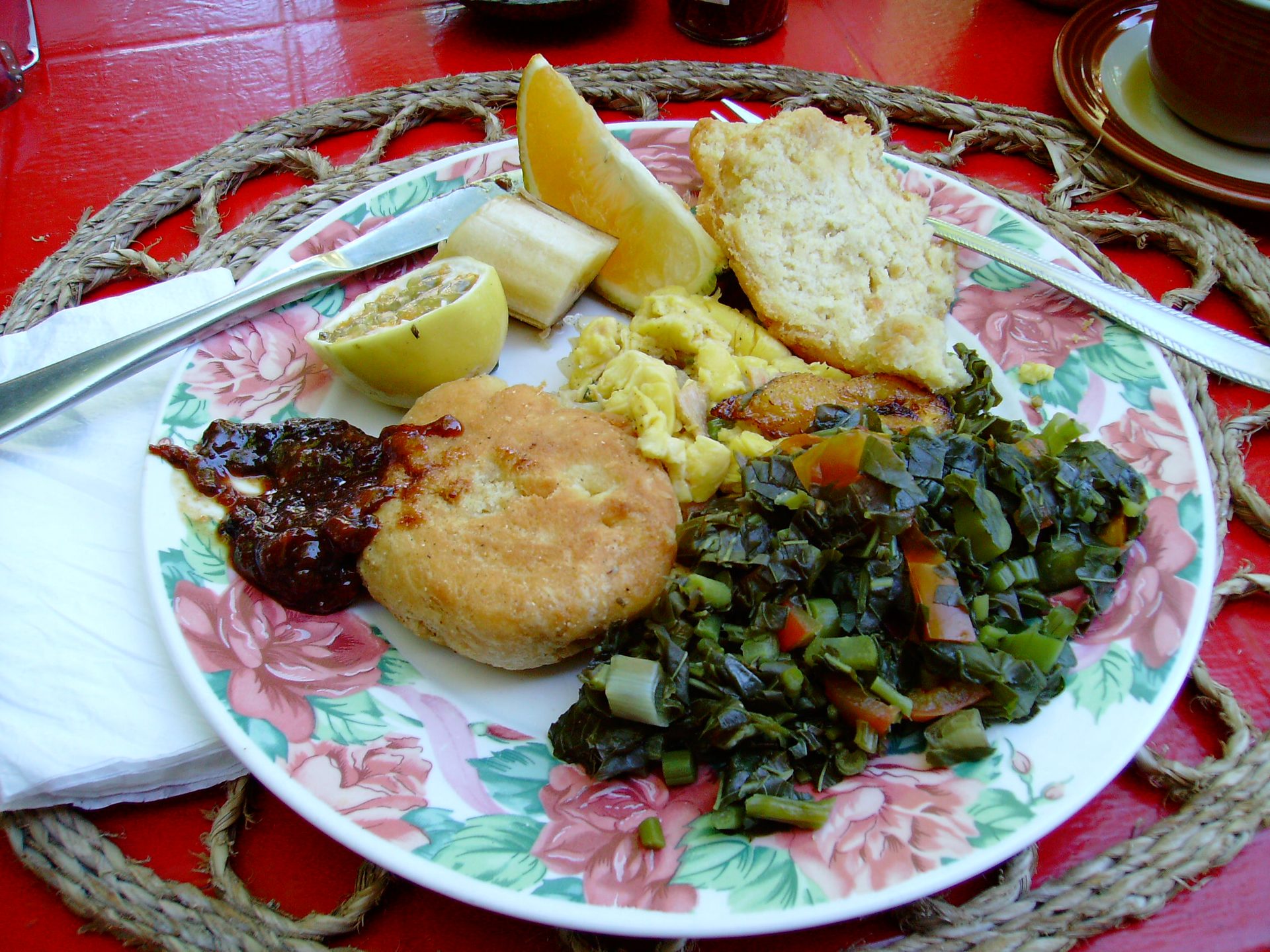
A traditional Jamaican breakfast rarely looks like cereal and toast. Instead, mornings on the island often start with a plate of stewed saltfish, a pot of spiced porridge, or a few pieces of fried dough pulled straight from hot oil. The meal reflects centuries of history, blending West African cooking methods, indigenous root vegetables, and ingredients introduced through colonial trade routes.
What lands on the table can also depend on where in Jamaica someone wakes up. Kingston mornings might lean toward hardo bread and coffee grabbed on the way to work, while rural parishes still simmer porridge over a fire and pull green bananas straight from the backyard. Much like breakfast traditions around the world, Jamaican morning food tells a story about land, labor, and family long before the first bite.
Below are 18 dishes that make up the backbone of a traditional Jamaican breakfast, along with the history and preparation details that explain why each one has stuck around for generations.
| Dish | Main Ingredient | Common Pairing |
|---|---|---|
| Ackee and Saltfish | Ackee fruit, salted cod | Fried dumplings, boiled green banana |
| Fried Dumplings | Flour dough | Ackee and saltfish, callaloo |
| Boiled Green Bananas | Unripe banana | Mackerel rundown, liver |
| Cornmeal Porridge | Cornmeal, milk | Hardo bread |
| Saltfish Fritters | Salted cod, batter | Hot sauce, chocolate tea |
| Johnnycake | Flour, coconut milk | Butter, cheese |
| Callaloo | Amaranth greens | Fried dumplings, johnnycake |
1. Ackee and Saltfish
Ackee and saltfish anchors nearly every discussion of Jamaican food, and for good reason. Ackee and saltfish is the Jamaican national dish prepared with sauteed ackee and salted codfish. The fruit itself, Blighia sapida, has a history as layered as the dish it helped create.
The ackee fruit is the national fruit of Jamaica, and it was brought to the Caribbean from Ghana before 1725. Saltfish arrived through a very different route tied to colonial trade. Ackee was brought to Jamaica from West Africa in the 1700s, while saltfish came from colonial trade with Europe, and enslaved Africans were given preserved cod and learned to cook it with local produce like ackee, thyme, and pepper.
The cooking method stays fairly consistent across kitchens: sautéed onion, garlic, tomato, and Scotch bonnet pepper form the base, with flaked saltfish folded in before the delicate ackee arabesques are added last so they hold their shape. It’s particularly delicious served with callaloo and dumplings. According to the Great British Chefs recipe archive, the dish comes together quickly once the saltfish has been soaked and desalted. It remains a salt cod sauté that’s often enjoyed at breakfast throughout Jamaica, according to Saveur .
Pro Tip: Canned ackee is pre-cooked and safe to use straight from the tin. Fresh ackee must only be used once the pod has opened naturally on the tree, since unripe ackee contains a toxin that is dangerous to eat.
2. Fried Dumplings
Fried dumplings, sometimes called “johnny” in casual conversation, are a dense, slightly chewy bread made from flour, baking powder, salt, and water, then shaped into rounds and fried until golden. They show up on almost every Jamaican breakfast table because they soak up sauces from ackee and saltfish, callaloo, or mackerel rundown without falling apart. Home cooks vary the dough slightly, with some adding a touch of sugar or cornmeal for texture.
The frying method matters as much as the dough itself. Dumplings go into moderately hot oil so the outside crisps while the inside stays soft, a balance similar to the fried breads found across traditional Indian breakfast cooking, where fried dough also plays a central morning role. Jamaican cooks typically serve them warm, straight from the pan.
3. Boiled Green Bananas
Boiled green bananas are a starchy, slightly tangy counterpart to the richer proteins on a Jamaican breakfast plate. Unripe bananas are boiled in their skins with a bit of salt, then peeled and served whole or sliced. The texture sits somewhere between a potato and a plantain, firm enough to hold its shape next to a saucy dish.
This humble side pairs most often with mackerel rundown, liver, or ackee and saltfish, acting as a neutral base that lets the main dish’s seasoning stand out. Green bananas also show up in starchy breakfast traditions elsewhere, including the plantain-forward dishes common in traditional Venezuelan cooking.
4. Cornmeal Porridge
Cornmeal porridge is a warm, comforting bowl that Jamaican households lean on during cooler mornings or when something gentler than fried food is needed. Cornmeal is whisked into milk or water, then simmered with cinnamon, nutmeg, and a vanilla pod until it thickens into a smooth, pourable porridge. Sweetened condensed milk is usually stirred in at the end for richness.
Porridge culture runs deep across many breakfast traditions, much like the maize-based porridges found in traditional South African food. In Jamaica, cornmeal porridge is often paired with a slice of hardo bread on the side, turning a simple bowl into a full meal.
5. Green Banana Porridge
Green banana porridge takes the same comforting format as cornmeal porridge but swaps the base ingredient for grated or blended green banana. Coconut milk replaces or supplements dairy milk, giving the porridge a slightly sweeter, more tropical flavor than its cornmeal counterpart. Nutmeg, cinnamon, and sometimes a pinch of salt round out the spice profile.
Because green bananas are starchy and filling on their own, this porridge tends to sit heavier than cornmeal versions, making it a popular choice before a long workday in the fields or on a farm. Many families treat it as a seasonal variation, made whenever green bananas are more plentiful than cornmeal in the pantry.
6. Saltfish Fritters
Saltfish fritters, often called “stamp and go” in Jamaican kitchens, turn leftover flaked saltfish into a crisp, savory snack suited for breakfast or an afternoon pick-me-up. Desalted, shredded codfish is folded into a seasoned flour batter with scallion, thyme, and Scotch bonnet pepper, then dropped by spoonfuls into hot oil until golden and crisp on the outside.
The name itself hints at how quickly these were traditionally made and eaten, grabbed on the go rather than lingered over. Fritters like these share a lineage with other quick, fried breakfast foods found in brunch-style spreads, including the kind featured in creative breakfast menu ideas built around shareable bites.
7. Johnnycake
Johnnycake, also called journey cake in older Jamaican speech, is a fried bread slightly sweeter and denser than a standard dumpling thanks to the addition of coconut milk or coconut oil in the dough. The dough is shaped into small rounds and fried until the outside turns a deep golden brown while the center stays soft and slightly chewy.
The name “journey cake” nods to its original purpose: a portable, filling bread that travelers and laborers could carry without it spoiling quickly. Today it is usually eaten with butter, cheese, or alongside ackee and saltfish, joining the ranks of fried breakfast breads found in traditional Pakistani food, where fried dough also anchors the morning meal.
8. Callaloo
Callaloo refers to the leafy green dish built from amaranth, a vegetable Jamaicans cook down with onion, garlic, tomato, and scallion until it softens into a dark green, slightly earthy side. Saltfish or ackee are sometimes added directly into the pot, turning callaloo from a side dish into a light main course on its own.
The vegetable’s preparation echoes the way leafy greens anchor breakfast and brunch tables across many cultures, including the greens-based dishes found in traditional Egyptian food. In Jamaica, callaloo rarely appears alone, usually sharing plate space with fried dumplings or boiled green bananas.
Important Note: Callaloo in Jamaica refers specifically to amaranth greens, which differs from the callaloo dish found in Trinidad and other Caribbean islands, where the term often describes a dish made with taro leaves.
9. Fried Bammy
Bammy is a flatbread made from grated cassava, pressed into rounds, then either baked or fried. For breakfast, fried bammy is the preferred version: the cassava round is soaked briefly in coconut milk or water, then fried in oil until the exterior turns crisp while the inside stays soft and slightly chewy.
Bammy traces back to the Taino people who inhabited Jamaica before European colonization, making it one of the oldest foods still eaten on the island today. It pairs especially well with fried fish, mirroring the cassava-forward breakfast staples found in traditional Malaysian cooking, where root-vegetable flatbreads also hold a steady place at the morning table.
10. Mackerel Rundown
Mackerel rundown gets its name from the cooking process itself: coconut milk is simmered, or “run down,” until it reduces into a thick, slightly oily sauce. Canned or fresh mackerel is then added along with onion, tomato, and Scotch bonnet pepper, letting the fish simmer directly in the reduced coconut sauce until it flakes apart easily.
The dish typically follows this order:
- Simmer coconut milk alone until it thickens and the oil begins to separate.
- Add chopped onion, tomato, garlic, and Scotch bonnet pepper, cooking until softened.
- Fold in the mackerel and let it simmer gently until fully cooked through.
- Serve hot over boiled green banana or alongside fried dumplings.
Mackerel rundown shares a cooking logic with coconut-based fish stews found across traditional French coastal cooking, where reduction techniques also concentrate flavor before the protein is added.
11. Liver and Green Banana
Liver and green banana pairs seasoned, sautéed liver, usually beef or pork, with the same boiled green bananas found elsewhere on the breakfast table. The liver is sliced thin, seasoned with onion, garlic, thyme, and black pepper, then quickly pan-fried so it stays tender rather than tough.
This dish tends to appear more often in households that raise their own livestock or buy fresh cuts from local butchers, making it a somewhat more traditional, countryside-leaning choice compared to the fritters and fried breads found in urban breakfast spreads. The pairing with green banana is intentional, since the banana’s mild starchiness balances the liver’s iron-rich flavor.
12. Hardo Bread
Hardo bread, short for “hard dough bread,” is a dense, slightly sweet white bread that holds together well even when sliced thick and toasted. Unlike lighter sandwich breads, hardo bread has a tighter crumb structure, which lets it stand up to butter, cheese, or a fried egg without falling apart.
It is sold fresh daily at bakeries across Jamaica and remains one of the most common breakfast breads on the island, often eaten alongside cornmeal porridge or simply on its own with a hot drink. The bread’s dense, chewy character sets it apart from the lighter loaves found in traditional Greek breakfast spreads, where airier breads are more typical.
13. Fried Sprat
Fried sprat features small, whole fish, usually no longer than a finger, seasoned simply with salt, pepper, and a touch of lime juice before being fried whole until crisp. Because the fish are so small, bones soften during frying, allowing the sprat to be eaten in full without the need to fillet or debone.
Street vendors and home cooks alike favor sprat for breakfast because the preparation is fast and the fish themselves are inexpensive and widely available along Jamaica’s coast. A squeeze of lime just before eating is standard practice, cutting through the oil and brightening the overall flavor.
14. Steamed Fish
Steamed fish takes a gentler approach than frying, cooking a whole fish, often red snapper, in a light broth with okra, carrot, onion, and sweet pepper until everything softens together. The broth itself becomes part of the meal, often ladled over the fish or mopped up with a piece of hardo bread or dumpling.
This lighter, broth-based method of starting the day parallels the fish-forward breakfasts found in traditional Japanese breakfast, where steamed or lightly cooked fish also plays a central role in the morning meal. Jamaican steamed fish, though, leans on Caribbean spice rather than miso or dashi for its base flavor.
15. Steamed Cabbage and Saltfish
Steamed cabbage and saltfish offers a lighter, vegetable-forward alternative to ackee and saltfish, built around shredded cabbage cooked down with carrot, onion, and scallion. Precooked, desalted saltfish is folded into the pot near the end, adding a savory, slightly briny note to the sweetness of the cabbage and carrot.
The dish holds its own as a full breakfast, usually needing nothing more than a side of boiled green banana or fried dumpling to round it out. Its combination of steamed vegetables and salt-cured fish echoes the kind of resourceful, protein-stretching cooking also found in traditional South African breakfast dishes, where preserved proteins are similarly paired with inexpensive vegetables.
16. Fried Ripe Plantain
Fried ripe plantain brings a sweet counterpoint to the otherwise savory dishes dominating a Jamaican breakfast table. Ripe, yellow-to-black plantains are sliced on a diagonal and fried in oil until the natural sugars caramelize, creating a soft interior with slightly crisp, browned edges.
Because the plantain is already sweet before it touches the pan, no added sugar is necessary, making this one of the simplest dishes on the list to prepare. It is often plated next to ackee and saltfish or liver and green banana, giving the meal a sweet-savory balance similar to the plantain dishes found throughout traditional Venezuelan breakfast cooking.
17. Blue Mountain Coffee
No discussion of a traditional Jamaican breakfast is complete without Blue Mountain coffee, grown in the mountain range east of Kingston and prized by coffee drinkers worldwide. Jamaica Blue Mountain coffee traces its origins to a decision by King Louis XV, who in 1723 sent three coffee plants to the French colony of Martinique; five years later, in 1728, Sir Nicholas Lawes, Governor of Jamaica, received a gift of one coffee plant from the Governor of Martinique. From that single surviving plant, an entire industry eventually grew.
What makes the beans distinct today comes down to geography. To be called Jamaica Blue Mountain coffee, it must be grown at altitudes of up to 1,800 metres in the Parishes of Portland, St Andrew, St. Mary and St Thomas. According to Stokes Coffee , a large majority of the Blue Mountain crop has historically been exported to Japan, where it’s cherished for its smooth, mild taste. That export demand is part of why genuine Blue Mountain coffee commands a premium price compared to coffee grown elsewhere on the island.
Jamaicans drinking it at home typically brew it simply, black or with a splash of condensed milk, letting the bean’s natural sweetness come through. The Sandals Resorts travel blog notes the region’s reputation has made it one of the most sought-after coffees in the world, a status that mirrors how regional breakfast traditions elsewhere, from Balkan coffeehouses to Caribbean kitchens, often build an entire morning ritual around a single, prized brew.
Key Insight: Authentic Jamaican Blue Mountain coffee is certified and labeled by the Coffee Industry Board, so buyers looking for the real product should check for that certification rather than relying on packaging alone.
18. Chocolate Tea
Chocolate tea, often called cocoa tea in Jamaican homes, is a hot drink made from local cocoa, grated or boiled directly from dried cocoa balls rather than processed cocoa powder. The cocoa is boiled with water or milk, then spiced with cinnamon, nutmeg, and sometimes a bay leaf, before being sweetened and strained.
The drink has a thicker, richer texture than typical hot chocolate, closer to a spiced cocoa porridge than a thin beverage. It rounds out a traditional Jamaican breakfast the same way hot, spiced drinks anchor traditional Chinese breakfast drinks, where tea and warm beverages are treated as essential rather than optional parts of the morning meal.
Together, these 18 dishes show how a traditional Jamaican breakfast draws on African, indigenous Taino, and colonial influences without losing its own distinct identity. Whether the morning starts with a quick fritter grabbed on the way out the door or a slow pot of mackerel rundown shared at the family table, the meal remains one of the clearest windows into Jamaica’s culinary history. Readers curious about the island’s culture beyond the breakfast table might also enjoy exploring Jamaican baby boy names and Jamaican baby names for girls, two more corners of Jamaican tradition carried from one generation to the next.