Can You Freeze Romaine Lettuce? What Actually Happens and How to Do It Right

October 31, 2026
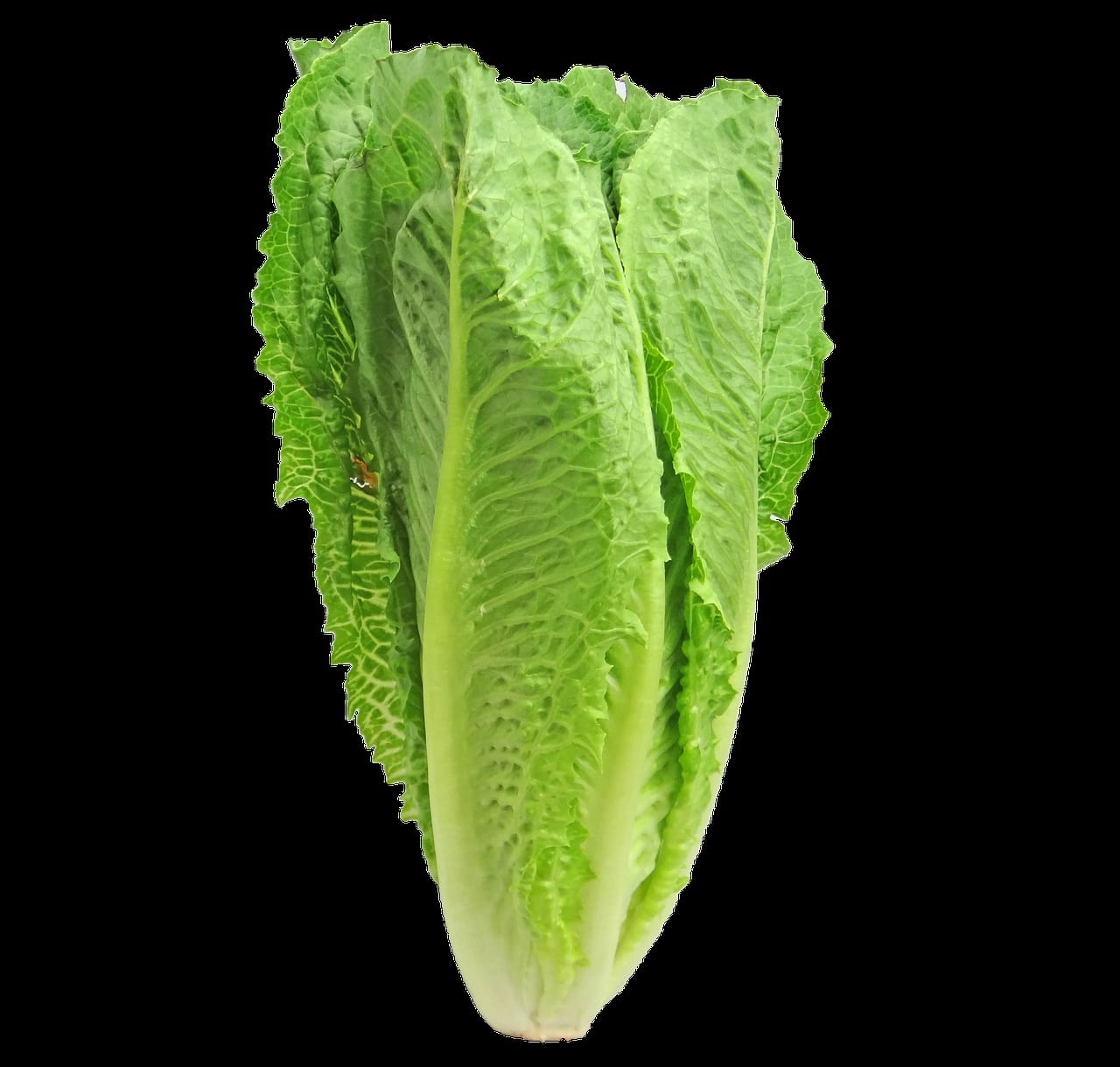
Romaine lettuce is one of the most popular salad greens in American kitchens, but it has a frustrating habit of going soft and brown before you can finish it. If you’ve ever stared at a half-used head of romaine and wondered whether the freezer could save it, you’re not alone.
The short answer is yes — you can freeze romaine lettuce. The longer answer is that freezing changes it in ways you need to understand before you try. This guide walks you through everything: what freezing does to romaine, how to freeze it properly, how long it keeps, and the best ways to put frozen romaine to work in your kitchen.
Can You Freeze Romaine Lettuce?
Romaine is one of the safest choices if you want to freeze lettuce and still have a usable leaf. Because it is thicker and stronger than iceberg or spring mix, the plant cells tend to stand up better to the freezing process. That said, “usable” comes with an important caveat.
Freezing romaine lettuce is not appropriate for fresh salads since the crispness changes due to excess moisture in the lettuce leaves. Frozen lettuce is perfect for adding to smoothies or cooked dishes like quiches. So if your goal is to save romaine for a Caesar salad down the road, the freezer won’t deliver that. But if you plan to blend it, cook it, or stir it into soups, freezing is a perfectly practical option.
The best lettuces to freeze are those you grow yourself or ones you purchase from local farmers or community supported agriculture. Locally raised or homegrown lettuces haven’t endured storage and shipping like their supermarket counterparts, so they tend to hold up better through the freezing process.
Pro Tip: Only freeze romaine that is still fresh and crisp. These steps are for lettuce that is still fresh at the time of freezing. Once lettuce has already gone bad, it should be tossed and cannot be frozen.
Does Freezing Change the Texture or Taste of Romaine Lettuce?
Yes — and the science behind it is straightforward. The reason you won’t be able to use the frozen lettuce to make salads is because the freezing process causes ice crystals to form in plant cells. When ice crystals form, they rupture cell walls.
Vegetables with a high starch content and little water can withstand some of the damage and retain their structure. Due to its high water content and delicate cell walls, lettuce cannot withstand freezing temperatures and will ultimately lose its crisp texture. Think of peas or corn — they freeze beautifully because starch acts as a buffer. Romaine has no such protection.
Frozen romaine will often appear darker and more translucent than its fresh counterpart. Upon thawing, it will become limp and release a significant amount of water. Expect a significant loss of volume and a change in structural integrity.
What about flavor? You may not be able to feel the lettuce crunchiness as well as before, but the taste and health benefits are still there. The mild, slightly bitter flavor of romaine largely survives the freeze, which is why it works well blended into smoothies or simmered in soups.
On the nutrition side, water-soluble vitamins like vitamin C and B vitamins can be lost during the freezing process, especially if the lettuce is not frozen properly. However, fat-soluble vitamins like vitamins A, D, E, and K are generally more stable and can withstand the freezing process. You’ll still get the fiber and vitamin K that make romaine worth eating in the first place.
How to Freeze Romaine Lettuce the Right Way
Proper prep makes a real difference in the quality of your frozen romaine. Rushing the process — especially the drying step — leads to mushy, icy clumps that are hard to work with later. Follow these steps for the best results.
Method 1: Whole Leaves
- Separate the leaves. Separating the leaves allows each leaf to freeze quickly, which helps lock in as much crispness as possible. Discard any wilted or damaged outer leaves.
- Wash thoroughly. Before freezing, lettuce should be thoroughly washed to remove pesticide residues, dirt, and any other potential debris.
- Dry completely. Your lettuce must be completely dry before packaging for freezing. If drying by hand, use a clean towel to blot each leaf until all the excess water has been removed. Try to get as little water remaining on the leaf as possible. Using a salad spinner is a great way to save time during this step, as the spinning process ensures your lettuce is super dry.
- Remove thick stalks. For lettuce varieties with thick stalks, like romaine, you’ll want to remove them. Thick stalks contain a lot of water. This reduces the chance of icy, waterlogged pieces after thawing.
- Bag and seal. Slip dried leaves into freezer bags and remove as much of the air as possible. Use a straw to suck out excess air around leaves. Seal the bag and place it in the freezer. Vacuum sealing systems work superbly with lettuce leaves.
Method 2: Pureed Ice Cubes
You can also freeze lettuce by pureeing it and freezing it in ice cube trays for liquid recipes like smoothies and soups. This method is especially convenient if you plan to add romaine to blended drinks regularly. Simply blend clean, dry romaine with a small amount of water, pour into an ice cube tray, freeze solid, then transfer the cubes to a labeled freezer bag.
Pro Tip: Write the date that you are freezing them on the outside of the Ziploc bag. This makes it easy to track how long your romaine has been in the freezer and use older batches first.
You can also freeze a whole romaine head if you need to. Wrap the head in a paper towel to soak up extra moisture, and then slide it into a freezer bag. Keep in mind you’ll want to use the entire head at once after thawing, since you can’t refreeze it.
If you’re wondering about bagged or shredded romaine, check out this guide on freezing a bag of shredded lettuce for specific tips on pre-cut greens.
How Long Can You Freeze Romaine Lettuce?
Use frozen lettuce within six months for best quality. Most sources agree on this window, though quality begins to slip before that point if the lettuce wasn’t dried thoroughly or wasn’t sealed airtight.
Compare that to refrigerator storage: whole romaine heads last 10 to 20 days in the fridge, while romaine hearts stay crisp for a week to 10 days. Freezing extends that shelf life dramatically — from a couple of weeks to several months.
| Storage Method | Estimated Shelf Life | Best Use After Storage |
|---|---|---|
| Refrigerator (whole head) | 10–20 days | Salads, wraps, sandwiches |
| Refrigerator (hearts) | 7–10 days | Salads, grilling |
| Freezer (whole leaves) | Up to 6 months | Soups, stews, smoothies, wraps |
| Freezer (pureed cubes) | Up to 6 months | Smoothies, soups, sauces |
Food stored constantly at 0°F will always be safe. Only the quality suffers with lengthy freezer storage. So even if your frozen romaine sits for longer than six months, it won’t make you sick — it will just taste flat and have a worse texture.
How to Thaw Frozen Romaine Lettuce
How you thaw romaine matters almost as much as how you froze it. The goal is a slow, controlled thaw that keeps bacterial growth in check and preserves as much texture as possible.
To thaw frozen lettuce safely, it’s best to thaw it in the refrigerator or in cold water. Thawing in the refrigerator is the safest method, as it allows the lettuce to thaw slowly and prevents bacterial growth. Simply place the frozen lettuce in a covered container or plastic bag and store it in the refrigerator overnight.
If you need it faster, you can also thaw it quickly under cold running water. Avoid thawing at room temperature as this can promote bacterial growth.
For smoothies and soups, you can skip thawing entirely. Don’t thaw it out. You can use the ice cubes frozen and they will blend easily. The leaves and shredded pieces are thin enough that they will thaw quickly in whatever recipe in which they are used.
Important Note: Place the lettuce in a container to catch any water that is released during thawing. Frozen romaine releases a lot of liquid as it thaws — having a bowl or plate underneath prevents a soggy mess on your counter or fridge shelf.
Once thawed, use your romaine promptly. If you’ve thawed lettuce and don’t plan to use it immediately, it’s best to use it within a day or two and store it in the refrigerator at a temperature of 40°F (4°C) or below.
Can You Refreeze Romaine Lettuce After Thawing?
No — refreezing thawed romaine is not a good idea. When lettuce is thawed, the cell walls are already damaged, and the texture and quality can be compromised. Refreezing can cause further damage and make the lettuce unpalatable. Additionally, refreezing can also increase the risk of contamination. When lettuce is thawed, bacteria can start to grow, and refreezing won’t kill these bacteria.
The USDA’s Food Safety and Inspection Service does note that once food is thawed in the refrigerator, it is safe to refreeze it without cooking, although there may be a loss of quality due to the moisture lost through thawing. However, lettuce is specifically called out by the USDA as one of the foods that simply don’t freeze well — examples are mayonnaise, cream sauce, and lettuce. The quality loss from a second freeze cycle makes the end result barely usable.
The practical solution is to pack the leaves in an airtight freezer bag in an appropriate amount that’s enough for one serving. That way you only thaw what you need and never face the temptation to refreeze the rest.
How to Use Frozen Romaine Lettuce (Best Uses After Freezing)
Once you accept that frozen romaine won’t crunch in a salad, a surprising number of uses open up. Frozen lettuce has its place in the kitchen. You can add it to soup or stock, quiche, casseroles, and stir fries. You can substitute frozen lettuce in any recipe that calls for spinach.
Here are the best ways to put frozen romaine to work:
- Smoothies: Arguably the most popular use for frozen romaine is in smoothies. The frozen state actually benefits this application, providing a cooling element and negating the need for ice. Pair it with fruits like bananas, berries, and mangoes to mask any residual bitterness. Romaine is an easy way to add greens and nutrients to your morning blend without altering the flavor much. For more ideas on nutrient-dense ingredients, see this overview of whole plant-based foods.
- Soups and stews: Frozen romaine makes an excellent addition to blended soups like cream of broccoli, potato leek, or even a green goddess soup. Simply thaw it (optional) and add it towards the end of the cooking process. Its slightly bitter flavor can add depth, and its nutrients will dissolve into the broth.
- Lettuce wraps: Whole frozen lettuce leaves work well as wraps; thaw them in the refrigerator overnight before using. Whole romaine leaves that have been frozen are also great to be used as wraps as a low-carb substitute for bread, such as in egg salad lettuce wraps.
- Quiche and egg dishes: Frozen romaine wilts into quiche and frittatas just like spinach would, adding color, fiber, and a mild green flavor.
- Braised greens: You can braise frozen lettuce leaves in chicken broth and butter, or use oyster sauce for an Asian flair.
- Stir-fries: Drop a few frozen leaves into a hot wok near the end of cooking. They wilt in seconds and blend naturally with other vegetables.
Romaine is a good source of vitamins A and K, which support several body systems. If you’re interested in how leafy greens fit into a health-focused diet, these articles on superfoods for a healthy heart and foods that promote healthy eyesight are worth a read.
Signs That Frozen Romaine Lettuce Has Gone Bad
Freezing slows spoilage but doesn’t stop it forever. Before you use frozen romaine, take a moment to check for these warning signs.
| Sign | What It Means | What to Do |
|---|---|---|
| Off or sour smell | Bacterial growth has occurred | Discard immediately |
| Slimy texture after thawing | Cell breakdown combined with spoilage | Discard |
| Visible mold | Mold present before or during freezing | Discard the entire bag |
| Greyish-brown spots (dry/leathery) | Freezer burn from air exposure | Cut off affected areas; rest is safe to use |
| Heavily discolored (dark brown/black) | Oxidation or prolonged storage past 6 months | Discard |
When thawing frozen lettuce, it’s essential to check the lettuce for any signs of spoilage, such as an off smell, slimy texture, or mold growth. If you notice any of these signs, it’s best to err on the side of caution and discard the lettuce.
Freezer burn is a separate issue. Freezer burn is dehydration on the surface of the food and appears as greyish-brown spots. While freezer-burned romaine is still safe to eat, the affected areas will be dry and leathery. You can cut off the freezer-burned portions before using the remaining lettuce. The best way to prevent freezer burn is to remove as much air as possible from the bag before sealing.
Freezing keeps food safe by slowing the movement of molecules, causing microbes to enter a dormant stage. Freezing preserves food for extended periods because it prevents the growth of microorganisms that cause both food spoilage and foodborne illness. Freezing to 0°F inactivates any microbes — bacteria, yeasts, and molds — present in food. Once thawed, however, these microbes can again become active, multiplying under the right conditions to levels that can lead to foodborne illness. This is why you should always thaw romaine in the refrigerator and use it quickly.
Romaine is also a source of nutrients that support overall wellness. For more on how food choices affect your health, explore these resources on powerful nutrients and foods that fight cancer and foods that help enhance liver function.
Frequently Asked Questions
Can You Freeze Romaine Lettuce Without Washing It First?
No. Before freezing, lettuce should be thoroughly washed to remove pesticide residues, dirt, and any other potential debris. Washing also gives you a chance to spot any damaged leaves before they go into the freezer.
Can You Freeze Bagged Romaine from the Grocery Store?
Yes, you can freeze pre-packaged lettuce. It is advisable first to rinse and dry the lettuce, remove wilting leaves, and package it in a good quality freezer bag as opposed to flimsy store packaging. The thinner the original bag, the more important it is to transfer to a proper freezer bag to prevent freezer burn.
Does Frozen Romaine Make You Sick?
No, frozen lettuce does not make you sick. If your lettuce was in good condition before freezing, it will be fine to use in dishes after freezing. Even though the texture will be different, the taste will remain the same. The key is starting with fresh lettuce and following safe thawing practices.
Can You Freeze Romaine Hearts Specifically?
Yes. Romaine hearts have the same thick, sturdy leaves as full heads of romaine, so they freeze just as well. Separate the individual leaves, dry them thoroughly, and follow the same bagging process. Because hearts are already trimmed, they’re actually a bit easier to prep for the freezer.
What Is the Best Way to Use Frozen Romaine in Smoothies?
The pureed ice cube method works best for smoothies. Blend clean romaine with a splash of water, freeze in an ice cube tray, then transfer cubes to a freezer bag. The frozen state actually benefits this application, providing a cooling element and negating the need for ice. Pair it with fruits like bananas, berries, and mangoes to mask any residual bitterness. You can also add frozen romaine leaves directly to a high-powered blender — just add them straight from the freezer. For more ideas on nutritious eating, see this guide on fibroid healing foods and how greens play a role in a balanced diet.
How Is Frozen Romaine Different from Fresh Spinach in Recipes?
Frozen romaine tastes remarkably similar to spinach and can be used interchangeably in recipes. The main difference is that romaine has a slightly more bitter edge and a higher water content, so you may want to squeeze out excess moisture before adding it to dishes like quiche or casseroles. You can also use it in the same quantities as frozen spinach in most recipes. If you enjoy exploring how different greens and ingredients work together in global cooking, check out this look at traditional Greek foods, where braised greens are a staple.