16 Traditional Hong Kong Breakfast Dishes That Define Cantonese Morning Food

November 21, 2026
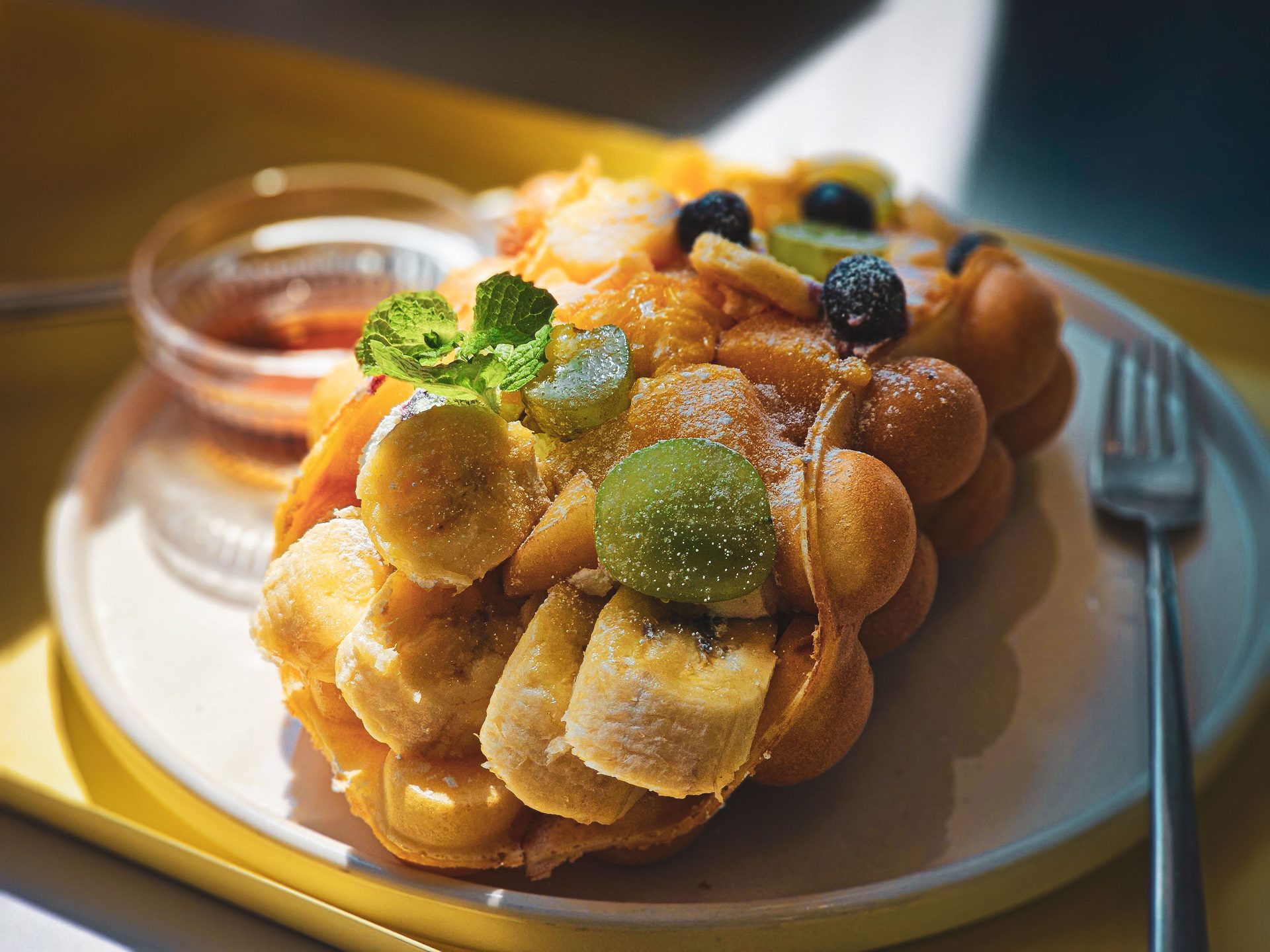
A traditional Hong Kong breakfast rarely looks like breakfast anywhere else. Locals might start the day with a bowl of century-egg congee, a plate of shrimp dumplings, or a glass of tea so strong it was once strained through a cotton sock. The morning menu pulls from Cantonese dim sum kitchens, postwar diners, and British colonial tea habits all at once, and the result is one of the most distinctive breakfast cultures in Asia.
Most of this food comes from two very different settings: the dim sum hall and the cha chaan teng, a diner-style cafe that Wikipedia notes fuses Cantonese cooking with British-influenced dishes like toast, eggs, and milk tea. Readers who want a wider sense of what Hong Kong eats throughout the day can also check this roundup of breakfast traditions from around the world. The sixteen dishes below cover both sides of that morning table.
1. Jook
Jook is Cantonese rice congee, simmered low and slow until the grains break down into a thick, savory porridge. Plain versions get topped with scallions and a drizzle of sesame oil, while more elaborate bowls carry preserved egg, shredded chicken, or century egg and pork.
Street-side jook stalls have long served as a quick, inexpensive breakfast stop for workers heading to factories or offices, and the dish remains a fixture of Hong Kong’s wider street food scene. Many people pair a bowl of jook with a deep-fried dough stick for dipping, which leads directly to the next dish on the list.
Pro Tip: Ask for “jook” rather than “congee” at a local stall — it signals familiarity with the dish and often gets a more generous topping.
2. Yau Ja Gwai
Yau Ja Gwai is a long, airy stick of deep-fried dough, golden and faintly salty, with a crisp shell and a hollow, pillowy center. It is the Cantonese cousin of the youtiao found across mainland China, though Hong Kong versions tend to run slightly less sweet.
The classic way to eat it is torn into pieces and dunked into hot jook or milk tea until it softens just enough to bite through. Some cha chaan tengs also wrap it inside a rice noodle roll, turning a simple fried snack into a heartier breakfast item.
3. Foh Tui Tung Fan
Foh Tui Tung Fan refers to the ham and macaroni soup that anchors countless Hong Kong breakfast sets. Elbow macaroni sits in a light, savory broth with slices of ham, and the dish often arrives alongside toast and a fried or scrambled egg.
Writer Clarissa Wei, reporting for Taste Cooking , found that cha chaan tengs and home cooks alike have served riffs on macaroni soup, with the broth itself ranging from a thin, tomato-based liquid to a thick, borscht-like stew. The dish traces back to the postwar diners that first mixed Chinese staples with Western ingredients at prices factory workers could afford.
Key Insight: Macaroni soup is considered a true cha chaan teng invention rather than a Western import — no restaurant outside Hong Kong served this exact combination before the 1950s diner boom.
4. Bo Lo Yau
Bo Lo Yau, or pineapple bun with butter, is a sweet, crosshatched bun named for its resemblance to a pineapple rather than any pineapple flavor inside it. The top layer bakes into a sugary, slightly crumbly crust, while the bread underneath stays soft.
Served warm with a thick slab of cold butter tucked into the center, it is one of the dishes the Cha Chaan Teng Wikipedia entry lists among items added to Hong Kong’s intangible cultural heritage inventory. Bakeries such as Kam Fung in Wan Chai have built their reputation almost entirely on this one bun and a cup of milk tea on the side.
5. Sai Do Si
Sai Do Si is Hong Kong’s take on French toast: two slices of white bread sandwiched around peanut butter or kaya jam, dipped in egg, deep-fried until golden, then topped with butter and a generous pour of golden syrup or condensed milk.
It sits firmly in the sweet-snack category that Taste Cooking notes expanded alongside noodle and sandwich dishes as cha chaan teng menus grew. Readers curious how this compares with other countries’ versions of the dish can see a very different approach in this overview of traditional French food.
6. Cheong Fun
Cheong fun are soft, slippery rice noodle rolls, steamed until translucent and finished with a splash of sweet soy sauce. Plain versions are common at breakfast, while shrimp-filled or char siu-filled rolls lean more toward a dim sum brunch.
The texture is the whole point: a good cheong fun should fold and slide rather than tear, with just enough chew to hold its shape under the sauce. Unlike heavier rice-based breakfasts in other parts of Asia, such as those covered in this guide to traditional Malaysian food, cheong fun stays light enough to eat first thing in the morning.
7. Sa Tei Ngau Yuk Meen
Sa Tei Ngau Yuk Meen, or satay beef noodles, pairs thin egg noodles or rice noodles with tender beef slices in a peanut-based satay sauce that carries a mild curry warmth. It is heavier than most breakfast dishes on this list, which is part of its appeal for anyone heading into a long workday.
The dish reflects the same instinct behind much of Hong Kong’s morning menu: borrow a flavor from a neighboring food culture, in this case Southeast Asian satay, and rebuild it around noodles instead of skewered meat. Broth versions and dry, stir-fried versions both appear regularly on cha chaan teng menus.
8. Dan Zhi
Dan Zhi is the Hong Kong egg sandwich: soft white bread around a thick layer of fluffy scrambled egg, cut diagonally and served cold or lightly toasted. It looks plain, but the texture of the egg filling is what separates a good version from a forgettable one.
Atlas Obscura’s reporting on Hong Kong’s diner culture points out that eggs are not unusual in Cantonese cuisine, but their Western preparations at cha chaan tengs, scrambled or fried and served as a centerpiece dish or in sandwich form, were a novelty to Hong Kongers. Dan zhi is that novelty in its simplest, most portable form.
9. Pei Dan Sau Yuk Juk
Pei Dan Sau Yuk Juk takes the basic jook formula and loads it with century egg and lean pork, simmered until the pork turns shreddable and the century egg’s custardy yolk melts into the porridge. The ammonia-like edge that worries first-time tasters fades once it’s folded into the hot rice base.
This version tends to be richer and more filling than plain congee, which is why it often shows up as a standalone breakfast rather than a side dish. A scattering of fried peanuts or crushed yau ja gwai on top adds the crunch the porridge otherwise lacks.
Important Note: Century egg is fully cooked and safe to eat; its dark color and strong aroma come from a traditional curing process using lime, ash, and salt rather than spoilage.
10. Daan Tat
Daan tat, the Hong Kong egg tart, has a flaky or crumbly pastry shell filled with a smooth, lightly sweet egg custard baked just until set. It sits somewhere between a British custard tart and a Portuguese pastel de nata, reflecting the city’s layered colonial food history.
The dish has enough cultural weight that it appears, alongside milk tea and the pineapple bun, on the list of items enlisted in Hong Kong’s intangible cultural heritage inventory. Honolulu Coffee Shop in Wan Chai, open since the 1940s, is still known for turning out trays of these tarts fresh each morning, as noted by The Honeycombers .
11. Lo Bak Gou
Lo Bak Gou, or turnip cake, is made from grated daikon radish mixed with rice flour, then studded with dried shrimp, Chinese sausage, and mushroom before steaming. Cooled and sliced, it gets pan-fried until the outside turns crisp while the inside stays soft and slightly chewy.
The flavor is more savory than the name suggests, with the daikon mellowing into a subtle sweetness once cooked. A light soy or chili dip on the side rounds out a slice that works well as a shareable breakfast plate.
12. Char Siu Bao
Char Siu Bao is a bun filled with char siu, Cantonese barbecued pork marinated in a honey-soy glaze. Steamed versions have a soft, pillowy white exterior, while baked versions develop a glossy, slightly sweet crust more like a Western roll.
Either way, the filling should be glossy and a little sticky, with visible flecks of red-tinged pork rather than a smooth paste. It’s dense enough to count as a full breakfast item on its own, which is why dim sum carts rarely run out of it before mid-morning.
13. Har Gow
Har Gow is the shrimp dumpling that dim sum chefs are judged by. Whole or chopped shrimp sit inside a near-translucent wheat starch wrapper, pleated into tight folds and steamed just long enough to firm up without turning rubbery.
A properly made har gow wrapper should be thin enough to see the pink shrimp through it, yet strong enough to hold together when lifted with chopsticks. It is traditionally served four to a basket, straight from the steamer, as part of a dim sum breakfast spread.
14. Siu Mai
Siu Mai is an open-topped dumpling filled with ground pork and shrimp, bound together with a touch of egg white and finished with a single orange dot of crab roe or carrot on top. The filling should be bouncy rather than dense, a texture dim sum cooks call “QQ.”
Together, har gow and siu mai form the backbone of almost every dim sum breakfast order in Hong Kong, usually followed by cheong fun and char siu bao. The table below lays out how these four staples compare side by side.
| Dish | Main Filling | Texture | Typical Serving |
|---|---|---|---|
| Cheong Fun | Plain, shrimp, or char siu | Soft, slippery | 3–4 rolls, sweet soy sauce |
| Har Gow | Whole shrimp | Firm, slightly springy | 4 pieces per basket |
| Siu Mai | Pork and shrimp | Bouncy, dense | 4 pieces per basket |
| Char Siu Bao | Barbecued pork | Soft or glossy-crisp | 1–2 buns per order |
15. Yuen Yeung
Yuen yeung mixes brewed coffee with Hong Kong-style milk tea, named after the mandarin duck pair that Wikipedia describes as a symbol of two distinct things joined together. The Hong Kong Leisure and Cultural Services Department describes the standard ratio as three parts coffee to seven parts Hong Kong-style milk tea, though individual cha chaan tengs often adjust that balance.
The dai pai dong restaurant Lan Fong Yuen claims the drink’s origin, and according to Food Republic , the restaurant claims to have invented the drink in 1952, growing popular among drivers and laborers who needed a caffeine boost to stay awake through long shifts. The result tastes closer to a third, distinct drink than either coffee or tea on its own.
16. Hong Kong-Style Milk Tea
Hong Kong-style milk tea, sometimes called silk-stocking milk tea, blends strong Ceylon black tea with evaporated or condensed milk rather than fresh milk. According to Wikipedia , the drink originated in the mid-20th century during British rule and traditionally brews using a cotton bag resembling a stocking, which gave the drink its nickname.
The brewing technique itself carries official recognition: Hong Kong’s government lists it as part of the city’s intangible cultural heritage, recognizing the unique preparation method. No breakfast set, whether served with jook, a pineapple bun, or a full dim sum spread, feels complete without a cup of it on the side, and it pairs just as naturally with the city’s other traditional Chinese drinks.
Hong Kong’s breakfast table works the way the city itself works: dense, layered, and built from decades of different communities eating side by side. Dim sum carts and cha chaan teng counters both solved the same problem in their own way, feeding a fast-moving population something warm before the day’s pace took over, not unlike the compact, efficient rhythm behind housing in Hong Kong itself. Readers who want to see how another East Asian breakfast culture compares can look at this breakdown of traditional Japanese breakfast dishes for a very different morning rhythm built on rice, fish, and miso rather than congee and milk tea.