Can You Freeze Spaghetti With Sauce on It? (Yes — Here’s How)

November 7, 2026
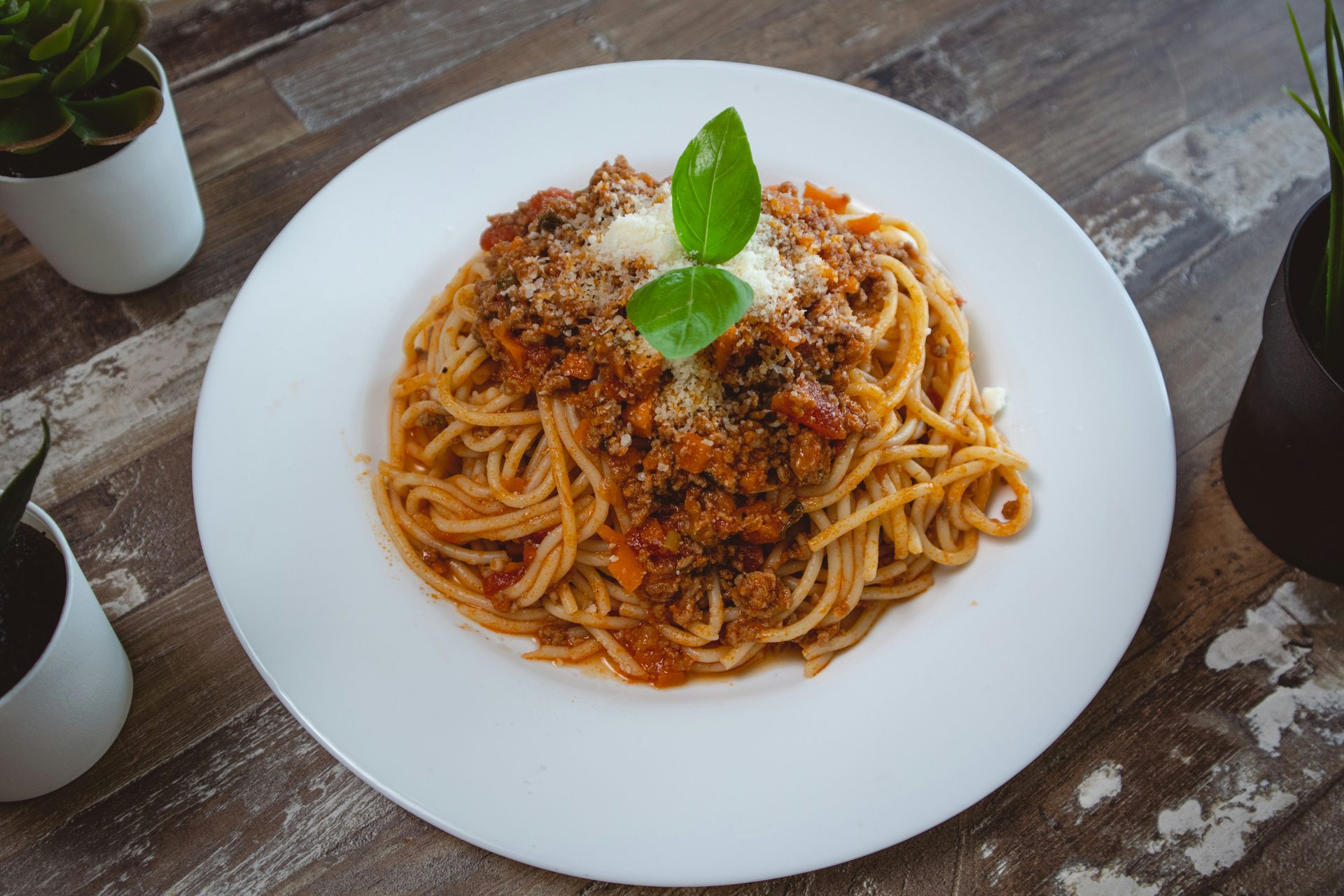
Leftover spaghetti night is one of the best things about cooking a big batch — until you realize you have more than your fridge can handle in the next few days. The good news is that freezing spaghetti with sauce on it is completely doable, and when you follow a few simple steps, it reheats into a satisfying meal rather than a soggy mess.
Whether you have a pot of homemade meat sauce mixed with noodles or a half-finished bowl of marinara spaghetti, this guide walks you through everything you need to know: what happens to the texture, the best way to freeze it, how long it lasts, and how to reheat it so it tastes as close to fresh as possible.
Can You Freeze Spaghetti With Sauce?
Yes, you can freeze cooked spaghetti noodles and sauce together — just leave the noodles quite al dente before freezing. The key is understanding that not all sauces behave the same way in the freezer, and the type of sauce on your spaghetti makes a real difference in the final result.
Tomato sauces are the most popular way to top spaghetti, and red sauce tends to freeze better than cream or oil-based sauces. If your spaghetti is dressed in a marinara, meat sauce, or Bolognese, you are in great shape. Cream-based pasta sauces don’t hold up to freezing, though you can still make a creamy pasta sauce ahead of time and store it in the refrigerator for a day or so.
You can also freeze spaghetti meat sauce — it doesn’t matter if it is ground beef, turkey, or lamb, it all freezes well. Even if you made meatballs with your sauce, just freeze with the sauce and it will turn out perfectly.
Pro Tip: If you have the option to plan ahead, freeze the sauce separately and cook fresh noodles the day you serve it. Your pasta will have a better texture and be easier to reheat if you freeze just the sauce and then cook the noodles on the day of serving. That said, freezing them together absolutely works when you have already mixed everything.
Does Freezing Change the Texture or Taste of Spaghetti?
Freezing does affect spaghetti, and it helps to know what to expect before you open that container. The flavor of a well-made tomato or meat sauce actually holds up quite well in the freezer. The bigger challenge is the pasta itself.
Overcooking the pasta before freezing can result in a mushy texture after thawing. Freezing noodles with sauce will oversaturate the pasta and make it gummy when reheated if you are not careful about how you package and reheat it. This is why cooking to al dente — or even slightly under — before freezing is so important.
If you have a cream-based sauce, it will most likely separate and become grainy upon thawing and reheating. To improve the texture, you can gently reheat the pasta and sauce on the stovetop over low heat while stirring continuously until the sauce comes together.
For tomato and meat sauces mixed with spaghetti, expect a slightly softer noodle compared to freshly cooked pasta. The sauce itself typically tastes just as good, and adding a tablespoon of tomato paste, broth, or reserved pasta cooking water can revive consistency, while fresh herbs, a squeeze of lemon, or grated Parmesan added at the end freshens the sauce.
How to Freeze Spaghetti the Right Way
Getting the freeze right comes down to a few non-negotiable steps: proper cooling, portioning, and airtight packaging. Skipping any of these leads to freezer burn, mushy noodles, or wasted food.
- Cook the pasta al dente. Cook pasta al dente, which is slightly undercooked. If the box says to cook for 9–11 minutes, set the timer for 8 minutes. This gives the noodles room to soften further when you reheat them.
- Cool the spaghetti completely. Let the sauce cool completely before freezing. Don’t leave it out for more than two hours, because that’s when bacteria can start to form.
- Portion by serving size. The best way to divide the sauce is by serving size so you can take out only what you need. Single-meal portions thaw faster and reduce waste.
- Use airtight containers or heavy-duty freezer bags. Glass, plastic, and even freezer-safe bags all work perfectly — just make sure the bags are heavy duty. No matter what container you choose, pick something that’s airtight.
- Leave room for expansion. When filling the containers, leave room for the sauce to expand once it’s in the freezer.
- Label with the date. Label your containers with dates so you can keep track of how long each container of sauce will last.
If you are freezing spaghetti noodles separately (the preferred method for best texture), let the noodles cool and toss them in olive oil to keep them from drying out, then twirl them with a fork into little individual domes. Freeze each one flat on a baking pan or oiled plate, then transfer the bundles into plastic bags or an airtight container once fully frozen.
Pro Tip: If you freeze the pasta and pasta sauce together, using glass containers that are oven safe lets you go from freezer to fridge to oven without dirtying additional dishes.
How Long Can You Freeze Spaghetti?
Frozen spaghetti does not last forever, and quality drops noticeably the longer it sits. Here is a quick breakdown of what to expect based on what you have frozen:
| What You Froze | Recommended Freezer Life | Notes |
|---|---|---|
| Spaghetti with tomato/meat sauce | Up to 3 months | Best quality within 2 months |
| Spaghetti sauce only (tomato-based) | Up to 3 months | Freezes exceptionally well |
| Plain cooked spaghetti noodles | 2–3 months | Toss with olive oil before freezing |
| Cream-based sauce (Alfredo, etc.) | 1–2 months | Texture may separate; reheat slowly |
Once in the freezer, frozen spaghetti sauce has a shelf life of about three months. Beyond that, freezer burn can set in, which makes your sauce less flavorful. Frozen noodles on their own generally stay fresh for two months, though they will last up to three months if needed.
If you need to ship frozen food to someone or transport it, check out this guide on how to ship frozen food with ease to keep everything at a safe temperature in transit.
How to Thaw Frozen Spaghetti
Thawing spaghetti the right way prevents the noodles from turning to mush and keeps the sauce from breaking. You have three main options depending on how much time you have.
- Refrigerator (best method): Thaw frozen spaghetti sauce in your fridge and then reheat it on the stovetop over low heat for about 15 minutes, stirring occasionally. Move it from freezer to fridge the night before you plan to eat it.
- Cold water bath (faster): Put the container of sauce into a bowl of cold water to speed up thawing without using heat. Change the water every 30 minutes.
- Microwave (quickest): If you are in a rush, pop it into the microwave. Depending on the amount of sauce in your container and the power of your microwave, this can take anywhere from 4 to 7 minutes. Stir between intervals to heat evenly.
When reheating spaghetti with sauce on the stovetop, use a non-stick pot with a lid and add a little bit of water to the pot before adding the spaghetti. Cover with a lid and heat on medium-low until hot. Avoid high heat or you will scorch the sauce and overcook the pasta.
Bring your refrigerated spaghetti and sauce to room temperature before reheating to minimize microwave time. Microwaving will turn cooked pasta into mush pretty fast, so start with one minute of cook time and stir to help distribute the heat.
Pro Tip: Eat your spaghetti the same day you defrost it and don’t save any leftovers. Once thawed, it should not go back into the freezer unless it was reheated to a full simmer first.
Can You Refreeze Spaghetti After Thawing?
Refreezing spaghetti after it has been fully thawed is generally not recommended, and for good reason. Each freeze-thaw cycle breaks down the pasta’s structure further, making the noodles mushier and the sauce more watery with each round.
Don’t refreeze sauce that’s been fully thawed unless it was reheated to boiling first. If the spaghetti was thawed in the refrigerator and never reached room temperature, you have a slightly wider window — but even then, the texture will suffer noticeably.
The better approach is to freeze in individual portions from the start. That way, you only thaw what you need and never find yourself with a large batch that has to go back in the freezer. Freezing cooked pasta in individual servings makes it easier to reheat later.
How to Use Frozen Spaghetti (Best Uses After Freezing)
Frozen spaghetti is more versatile than most people think. Beyond a straight reheat-and-serve, there are several ways to use it that actually benefit from the slightly softer texture that freezing creates.
- Classic reheat: Thaw overnight in the fridge, then warm in a non-stick pan with a splash of water or extra sauce. Serve with garlic bread and a side salad for an easy weeknight dinner.
- Baked pasta: Transfer thawed spaghetti to a baking dish, top with shredded mozzarella and extra marinara, and bake at 375°F until bubbly. The oven heat gives the noodles a second life with a slightly firmer bite.
- Pasta frittata: Using leftover spaghetti in a breakfast frittata is an option that may seem unconventional but is solidly steeped in Italian tradition. You can use pasta that’s been pre-mixed with sauce, whether that’s marinara, pesto, or meat sauce.
- Stir-fry noodles: You can stir-fry your leftover pasta — sauteing the noodles in hot oil gives them a nice, crisp texture, and they can be mixed with anything you would normally use in a stir fry. When using spaghetti, the results are surprisingly similar to Chinese lo mein.
- Soup add-in: You can also add the pasta to a brothy soup or a slow-cooker dish when it’s nearly done cooking. Drop it in during the last few minutes so it does not overcook.
If you enjoy pairing your spaghetti with a specific sauce, you might also find inspiration in this article about what to serve with vodka sauce for new sauce ideas to try with your next batch.
Signs That Frozen Spaghetti Has Gone Bad
Frozen spaghetti does not last indefinitely, and knowing when to toss it protects you from a bad meal or a foodborne illness. Here are the warning signs to watch for before you reheat anything.
- Freezer burn: White or grayish dry patches on the noodles or sauce surface indicate freezer burn. The food is still technically safe to eat, but the flavor and texture will be noticeably off.
- Off smell: Before consuming leftover pasta, give it a sniff and a visual inspection. If it has an off smell or the texture has significantly changed, it’s best to discard it.
- Slimy texture: Slippery or sticky spaghetti noodles indicate spoilage. This is especially common when the pasta was not stored in an airtight container.
- Discoloration or mold: Any green, black, or white fuzz means the food should be discarded. Do not attempt to scrape off mold and eat the rest — discard the entire container.
- Unusual color in the sauce: Tomato sauce should look red-orange after thawing. A dull brownish-gray color combined with any of the other signs above is a reason to throw it out.
Discard frozen spaghetti if it is visibly off, has an odd smell, or shows freezer burn affecting flavor. When in doubt, trust your senses — if it looks, smells, or feels off, do not eat it.
Keep in mind that storage guidelines are general recommendations. Factors such as the temperature of your freezer, the cleanliness of the utensils used, and the initial quality of the pasta can affect its storage life. Always prioritize food safety and trust your senses when determining whether leftover pasta is still good to eat.
Frequently Asked Questions
Can You Freeze Spaghetti With Meat Sauce?
Yes, you can freeze spaghetti meat sauce. It doesn’t matter if it is ground beef, turkey, or lamb — it all freezes well. Just make sure the meat was fully cooked before freezing and that you reheat the sauce to a full simmer before eating.
Is It Better to Freeze Spaghetti Sauce Separately From the Noodles?
Yes, when possible. Freezing pasta separate from pasta sauces helps maintain the texture of both the noodles and the sauce. However, if the pasta is already mixed with sauce, it still freezes fine — just cook the noodles al dente first and use an airtight container.
How Do You Keep Frozen Spaghetti From Getting Mushy?
Cook the pasta al dente, which means it should still have a slight bite to it. Overcooking the pasta before freezing can result in a mushy texture after thawing. Reheating gently on the stovetop over medium-low heat rather than blasting it in the microwave also helps preserve texture.
Can You Freeze Spaghetti With Alfredo Sauce?
You can, but it is best to freeze the sauce and pasta separately for best texture. The sauce will most likely separate and become grainy upon thawing and reheating. If you do freeze Alfredo spaghetti, reheat it very slowly on the stovetop and stir continuously to bring the sauce back together.
How Long Does Frozen Spaghetti Last in the Freezer?
Once in the freezer, frozen spaghetti sauce has a shelf life of about three months. Plain cooked noodles are best used within two months for optimal texture, though they remain safe beyond that point with some quality loss.
Can You Freeze Leftover Spaghetti From a Restaurant?
Yes, as long as it has been refrigerated promptly after your meal and has not been sitting out for more than two hours. Follow the same steps: cool it down, portion it into airtight containers, and freeze. The noodles may be softer than ideal since restaurant pasta is often cooked past al dente, but the flavor will still be there.