What the Portuguese Actually Eat for Breakfast: 19 Dishes and Drinks

November 23, 2026
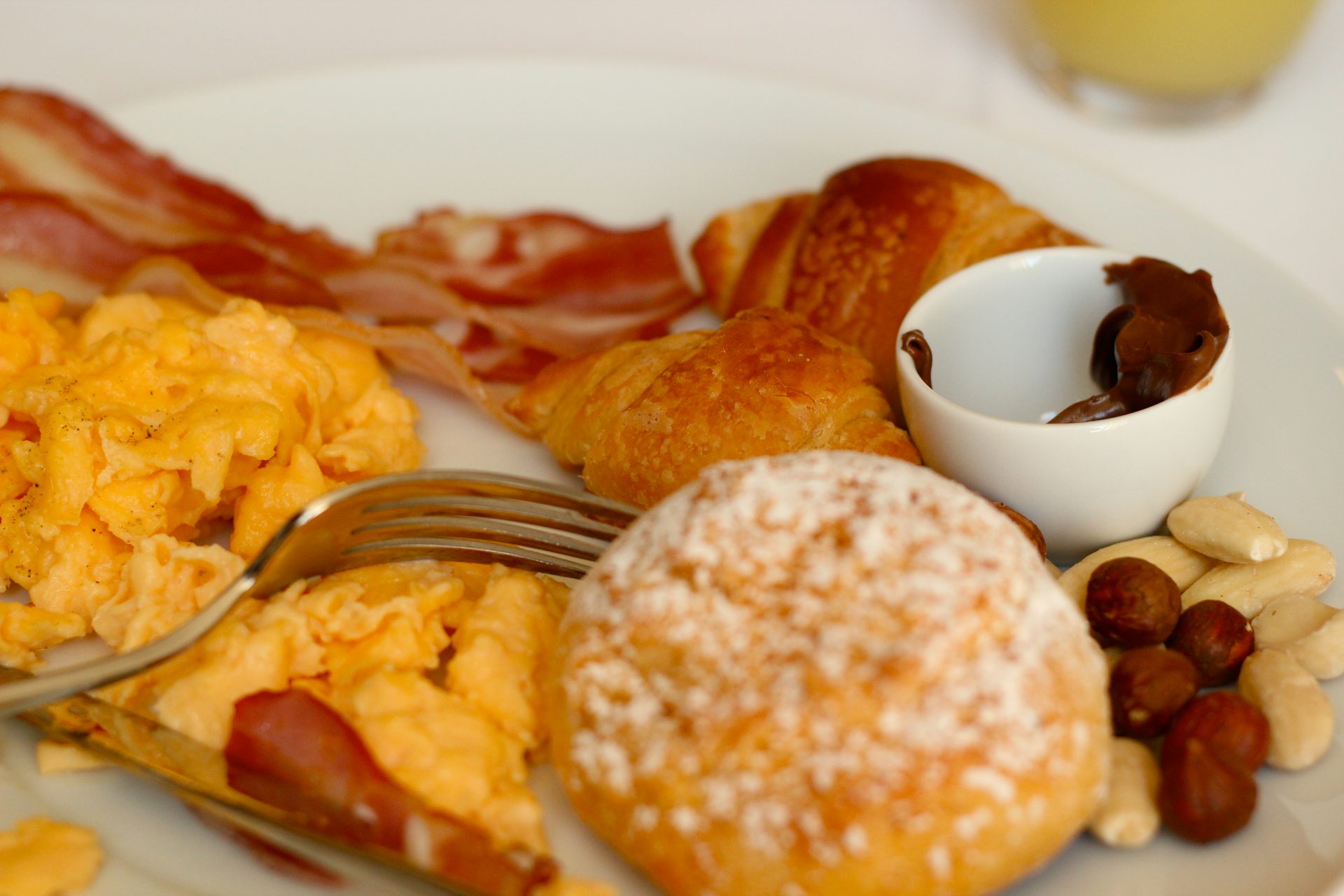
Ask someone to picture a traditional Portuguese breakfast and they might imagine a plate of eggs, bacon, and grilled tomatoes. Walk into any neighborhood café in Lisbon or Porto at eight in the morning and you’ll see something much simpler: a small coffee, a slice of buttered toast, and maybe a sweet roll, often eaten standing up in under ten minutes.
That simplicity is the point. A traditional Portuguese breakfast is built around a handful of staples repeated daily, from specific coffee orders to a short list of breads, cheeses, and cold cuts. This guide walks through nineteen of those staples in the order you’d actually encounter them, from the first slice of toast to the last sip of coffee.
1. Torrada
A traditional Portuguese breakfast often starts with nothing more than toast. A generously buttered slice of toast, ordered as “uma torrada,” is a combination seen in most cafés, and it’s always the cheapest option. In many local cafés, people snack on a plate of warm buttered toast while sipping a coffee.
Bread is essential to the meal, whether served as torrada or as a quick sandes, and one local habit involves saving the soft middle strip of toast, cut into three pieces, to eat last. At home, the same toast often gets jam or marmalade instead of plain butter, a pairing covered further down in this guide.
2. Pão
Bread is one of the key components of a traditional Portuguese breakfast. Varieties such as pão de trigo (wheat bread) or pão de milho (cornbread) are served during breakfast, usually enjoyed with butter, cheese, or jam alongside coffee. In the south, pão Alentejano, a large, dense, and slightly sour loaf from the Alentejo region, is known for its unique shape and long-lasting freshness, and a slice with local cheese makes a more rustic version of the meal.
Bread habits like this aren’t unique to Portugal. Other European and Mediterranean countries build their mornings around a loaf and a spread too, as this roundup of breakfast traditions shows.
3. Café
The traditional morning meal in Portugal often centers on a variety of simple ingredients, sometimes eaten right in a coffee shop, or café. That single word, café, covers a whole vocabulary of drinks explained later in this guide, but at its most basic it just means a short, strong espresso taken quickly at the counter.
Coffee rituals of this kind aren’t exclusive to Portugal. Strong, ritualized coffee and tea service shows up across the Mediterranean and North Africa too, including in Egyptian coffee traditions.
Pro Tip: Ordering at the counter (balcão) instead of sitting at a table is standard practice in Portuguese cafés and is usually a little cheaper than table service.
4. Leite Com Chocolate
Not every Portuguese breakfast drink involves coffee. Leite com chocolate, warm milk mixed with chocolate powder or syrup, is the standard alternative for children and anyone skipping caffeine. It’s served hot in a mug alongside the same toast, rolls, or pastries that accompany coffee, making it an easy stand-in rather than a separate meal.
Sweet morning drinks like this pair naturally with the kind of pastries covered in roundups of sweet breakfast ideas built around treats rather than savory plates.
5. Ovos Cozidos
Boiled eggs show up at breakfast more at home than in a café, usually alongside bread and fruit rather than as a standalone dish. They’re a practical, no-fuss source of protein that needs no cooking equipment beyond a pot of water, which is part of why they remain a quiet staple on Portuguese kitchen tables.
Eggs play a similarly flexible role across many morning meals; some of the egg-based dishes found in Indian cooking serve the same quick-protein purpose.
6. Ovo Estrelado
Ovo estrelado, a fried egg with the yolk left soft, appears more often at a weekend home breakfast or a late-morning brunch than at the standing-counter café routine. It’s typically served simply, fried in olive oil and plated next to bread rather than built into an elaborate dish.
Fried eggs serve a similar straightforward role in other cuisines, including several of the egg dishes common in Pakistani cooking.
7. Ovos Mexidos
Scrambled eggs, ovos mexidos, are a home-breakfast dish rather than a café order, often cooked softly and finished with a little butter. They tend to appear on weekends or on days when breakfast stretches into a proper sit-down meal rather than a quick coffee and pastry.
Scrambled eggs hold a similarly casual, home-cooking status in other food cultures, including in some traditional South African dishes.
8. Omelete
An omelete filled with ham, cheese, or both is a heartier option than boiled or fried eggs, and it’s more likely to appear at a hotel breakfast buffet than at a neighborhood café counter. It’s generally treated as a fuller, weekend-style dish rather than the quick bite most Portuguese breakfasts actually are.
Omelets fill a similar heartier-breakfast role elsewhere too, including in several Malaysian breakfast dishes.
9. Queijo Com Marmelada
Cheese with marmelada, Portugal’s firm quince paste, is a classic sweet-and-savory pairing eaten on bread or straight off the plate. At home, toast is often enjoyed with sweets, jams, or marmalade featuring flavors like tomato, pumpkin and walnut, or fig and port wine, rather than plain butter.
Pairing cheese with something sweet at breakfast isn’t unusual in Mediterranean food culture broadly; it shows up in various forms across traditional Greek foods as well.
10. Queijo Flamengo
Queijo flamengo is the everyday sliced cheese found in most Portuguese kitchens and sandwich shops, a mild, semi-cured cow’s milk cheese modeled on Dutch Edam and Gouda styles. It’s the cheese most often layered into a simple sandwich rather than the artisanal varieties reserved for a slower breakfast.
Those slower mornings are when Portuguese households turn to something more distinctive, like soft Serra da Estrela sheep’s milk cheese, strong Azorean cheese, or the prized Queijo de Azeitão .
11. Chouriço
Chouriço is a smoked, paprika-spiced pork sausage that turns up in breakfast sandwiches, grilled slices, or alongside eggs on heartier mornings. It’s closer in spirit to Spanish chorizo than to any British-style breakfast sausage, with a firmer texture and a deep smoky flavor from traditional curing.
Cured, smoked pork shows up across European home cooking in different forms, including in hearty dishes like the pork-and-sausage versions of German eintopf stew.
12. Paio
Paio is a leaner, milder cousin of chouriço, made from cured pork loin rather than a mix of fattier cuts. It’s often sliced thin for a sandwich or fried briefly to serve alongside eggs, offering a gentler flavor for anyone who finds chouriço too intense first thing in the morning.
- Chouriço: smokier, spicier, made from mixed cuts with visible fat
- Paio: leaner, milder, made from whole cured pork loin
Cured pork cuts like these play a comparable role in other regional diets, including several cured meats found in traditional Venezuelan cooking.
13. Sandes Mista
A sandes mista is simply a ham-and-cheese sandwich, most commonly built on a papo-seco roll, though a croissant works too. To English speakers, it’s essentially a cheese and ham toastie, served toasted with butter on the outside. It’s one of the most dependable orders in any Portuguese café, cheap, filling, and available everywhere.
For more on how the mixed sandwich fits into the wider meal, this breakdown of Portuguese breakfast staples covers the full range of sandwich styles. Breakfast sandwiches play a similarly central role elsewhere too, including the tamago sando featured in a traditional Japanese breakfast.
14. Galão
Galão is the milky coffee most associated with Portuguese mornings. Milky coffees are typical in the morning in Portugal, with plenty of people ordering a meia de leite or a galão at breakfast, or again in the late afternoon with a cake. Served in a tall glass, a galão is built from roughly three parts hot foamed milk to one part espresso, filling a 200 to 250 milliliter glass, and it’s usually consumed at breakfast or mid-morning.
Milky coffees like this are typically paired with toast or a pastry rather than drunk alone.
15. Meia De Leite
A meia de leite is similar to a galão but with equal ratios of milk to coffee, since a galão has significantly more milk, and it’s usually served in a round coffee cup instead of a tall glass. It means “half milk”: equal parts coffee and hot milk served in a ceramic cup, similar to a French café au lait, weaker than a bica but milkier than a garoto.
Half-milk, half-coffee drinks appear under different names worldwide; it’s worth comparing to the milk-forward drinks found in traditional Chinese drinks.
Key Insight: The difference between a galão and a meia de leite comes down to vessel and ratio: galão means more milk in a tall glass, meia de leite means equal parts coffee and milk in a cup.
16. Bica
A standard bica is a full, strong shot of espresso, closer to an Italian espresso than a watered-down coffee. It sits at the heart of Portuguese coffee culture, Portugal’s answer to the espresso, made from an earthier blend of Arabica and Robusta beans roasted for an intense, bold flavor.
The ordering ritual is fairly consistent nationwide: walk into the café, stand at the counter, order “uma bica, se faz favor,” and the coffee arrives on a saucer with a packet of sugar to stir in before a few quick sips and paying at the counter on the way out. This quick, standing routine is detailed further in this guide to the Portuguese espresso ritual .
A straight, strong shot like this has counterparts in other coffee-forward cultures, including the strong brews found in traditional Russian drinks.
17. Abatanado
An abatanado, sometimes called an americano, is a slightly longer black coffee, though not as large as an American filter coffee. It’s an espresso served in a large cup with more water added, in essence similar to an Americano but with less water overall.
The distinction from an americano is really about method: in an abatanado, the coffee drips until the cup fills, while in an americano, hot water is added to a double espresso. This comparison of Portuguese and specialty coffee terms breaks the differences down in more detail.
| Drink | Coffee-to-Milk Ratio | Served In | Closest Equivalent |
|---|---|---|---|
| Bica | All coffee, no milk | Small espresso cup | Espresso |
| Galão | About 1 part coffee to 3 parts milk | Tall glass | Milky latte |
| Meia de Leite | Equal parts coffee and milk | Ceramic cup | Café au lait |
| Abatanado | All coffee, more water, no milk | Large cup | Americano |
18. Pão De Deus
Pão de Deus means “Bread of God” in Portuguese: a sweet breakfast roll with a soft, fluffy inside and a golden coconut topping made from eggs and sugar that caramelizes during baking into a rich, sweet coating. The rolls also have connections to All Saints Day traditions in Portugal.
Translating literally to “Bread of God,” this soft, fluffy sweet bread is typically sprinkled with coconut flakes on top and enjoyed with a cup of coffee or tea. This roundup of Portuguese breakfast dishes places it alongside the custard tart as one of the country’s two most iconic sweet breakfast items.
For more sweet morning options in a similar vein, see this list of sweet breakfast pastry ideas.
19. Croissant Misto
A croissant misto takes the Portuguese take on a croissant, a denser, brioche-style roll rather than the flaky French original, and fills it with ham and cheese. Portuguese croissants differ from their French cousins by being softer and more brioche-like, often glazed with a sugar syrup, and available plain, with ham and cheese as the misto version, or filled with sweet egg cream.
It’s shaped like a croissant but yellow and noticeably denser, something like a hybrid between a croissant and a pain au lait, and it’s often eaten with ham and cheese and can be ordered pressed, as a “croissant misto prensado,” just like a tosta mista. This Portuguese breakfast must-haves list covers how it compares to the plain sweet croissant and the tosta mista.
Pro Tip: Ask for it “prensado” if you want your croissant misto pressed and toasted rather than served cold.
The croissant’s journey from French pastry to Portuguese breakfast staple says a lot about how food travels and adapts; the original version is covered in this overview of traditional French food.
Taken together, these nineteen items show why a traditional Portuguese breakfast rarely looks like a full English or American spread: it’s built on repetition, speed, and a short, well-defined menu rather than variety. That pattern isn’t unique to Portugal either. Regional breakfast traditions across Europe and the Balkans follow a similar logic of a few staple items eaten the same way every morning, whether that’s byrek and olives in Albanian food culture or bread, cheese, and strong coffee in Portugal. Anyone curious about how other countries build their own version of this routine can find more examples in this collection of breakfast traditions from around the world.