Why Are My Rose Leaves Turning Yellow? Causes, Diagnosis, and Fixes

September 9, 2026
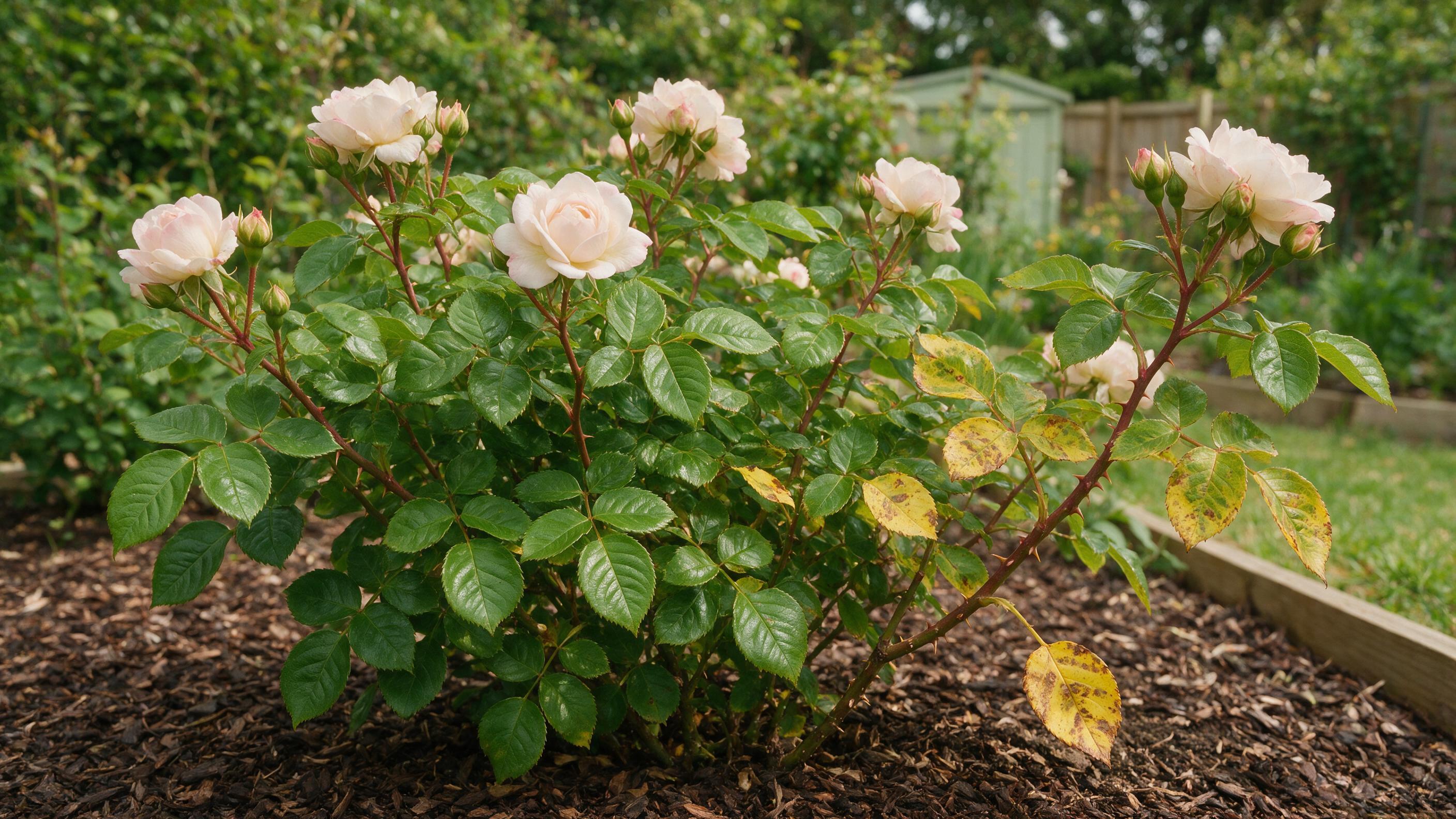
Few things are more frustrating than watching a rose bush that was covered in lush green foliage start dropping yellow leaves one by one. You did everything right — or so you thought — and now your plant looks stressed, sparse, and far from the showstopper it was a few weeks ago.
The good news is that improper watering, insects, and diseases are often the cause of yellow rose leaves, but proper rose care is easy to learn. Whether you grow roses in garden beds across the Southeast, in containers on a patio in the Southwest, or along a fence line in the Pacific Northwest, this guide walks you through every likely cause and gives you clear, actionable steps to get your roses back on track.
What Does It Mean When Your Rose Leaves Are Turning Yellow?
Yellow leaves on a rose bush are the plant’s way of telling you something is off. The technical term for this discoloration is chlorosis — a breakdown in chlorophyll, the green pigment that powers photosynthesis. Roses require a careful balance of environmental factors and proper care to thrive, and the onset of yellow leaves alerts you to potential problems ranging from nutrient deficiencies to water stress or disease infestations.
The key to solving the problem quickly is reading the pattern of the yellowing rather than reaching for the nearest product on the shelf. The fastest way to fix yellow rose leaves is to look at which leaves are yellowing and what the yellowing looks like — these two observations will narrow several possible causes to one or two before you touch a spray bottle or a fertilizer bag.
Your roses belong to the genus Rosa, a group of flowering shrubs in the family Rosaceae that has been cultivated in American gardens for centuries. Most rose species are considered highly resistant to disease and easy to grow, which means yellow leaves are usually a correctable problem rather than a death sentence for the plant.
Pro Tip: Before doing anything else, note where the yellowing is happening — bottom leaves, top leaves, or all over — and whether the whole leaf is yellow or only the tissue between the veins. That single observation narrows down the cause dramatically.
Is Yellowing in Roses Always a Sign of a Problem?
Not always. Some yellowing is a completely normal part of a rose’s life cycle, and recognizing it will save you a lot of unnecessary worry. If leaves on the top portion of the bush are shading leaves lower down, the lower ones may turn yellow and shed from lack of light — and this is not harmful to the plant.
Roses also shed older foliage naturally as they push new growth in spring and again as they wind down in autumn. A handful of yellow leaves at the base of an otherwise healthy, actively blooming bush is rarely cause for alarm. In an otherwise healthy rose bush, leaves turning yellow may not be an immediate cause for concern.
The situations that do warrant attention are widespread yellowing across multiple parts of the plant, yellowing paired with spots or lesions, or yellow leaves that are dropping in large numbers during the active growing season. To further diagnose your roses, be especially mindful of any additional symptoms displayed by the plants — make note of other changes in the appearance of leaves, like wilting or the development of spots or lesions.
Watering Issues Causing Rose Leaves to Turn Yellow
Watering is the most frequent culprit behind yellow rose leaves, creating two very different symptoms with a similar result. Both too much and too little water can produce yellowing, which is why checking the soil before adjusting your routine matters so much.
Overwatering
Overwatering can cause rose leaves to turn yellow — it can be due to maintenance errors, excessive rainfall, or compacted soil. The symptoms of overwatering are similar to those of underwatering, which can be confusing. Affected foliage wilts, turns yellow, and eventually falls off, and soggy roots also lead to root rot.
Roses need to be watered regularly, but if you are constantly keeping them wet, they can develop root rot or fungal infection in their roots, which will cause leaves to turn yellow and fall off. To fix the problem, allow the top two inches of soil to dry out between waterings and make sure your planting area drains freely. To improve drainage, you can add organic matter such as compost or manure to your soil.
Underwatering
The most common cause for yellow rose leaves is a lack of water — this can happen when you have been feeding your roses too much and not watering them enough. Unusual watering in hot weather can cause roses to turn a striking shade of yellow, with the edges turning brown first. Symptoms include wilting, stunted buds, and yellowing with brown tips.
Roses need an average of an inch or two of water twice a week. The frequency of watering will likely need to be adjusted if the weather is hot, dry, or windy, as these conditions can make soil moisture evaporate much faster. A simple soil check — push your finger two to three inches into the ground — tells you whether moisture is actually reaching the root zone.
Pro Tip: Water at the base of the plant in the morning. Morning watering is preferred — it allows foliage to dry before evening, reducing black spot risk from wet leaves.
Light Conditions Behind Rose Leaves Turning Yellow
Another common reason for yellow leaves on roses is simply because the plant is not getting enough sunlight. Roses need at least six hours of sunlight per day in order to thrive. If your rose bush is not getting enough sunlight, you will notice that the leaves start to turn yellow due to stress.
Roses need plenty of sunlight to thrive — ensure your potted roses are receiving at least 6 to 8 hours of direct sunlight per day. If they are in a shaded area, consider moving them to a sunnier spot. For in-ground roses that are shaded by a growing tree or neighboring shrub, selective pruning of the offending branches is often enough to restore adequate light without transplanting.
Excess heat can also stress roses and trigger yellowing. Roses can become stressed with too much heat, and mulching around them may help. In hot US climates — think Texas, Arizona, or the Deep South — afternoon shade from a structure or taller plant can actually protect roses from heat stress while still allowing the six-plus hours of morning sun they need. You can explore drought-tolerant plants in Florida for companion planting ideas that provide natural shade buffers in warm-climate gardens.
Soil, Nutrients, and Root Health Causing Rose Leaves to Turn Yellow
Roses are “heavy feeders,” meaning they require a consistent supply of key nutrients. When these are missing, the plant extracts them from older leaves to support new growth, causing distinct yellow patterns. The pattern of the yellowing is your best diagnostic clue here.
Reading the Yellowing Pattern
Different nutrient deficiencies show up in different parts of the plant:
- Whole leaf yellowing beginning with older leaves is a sign of nitrogen deficiency, lack of fertilizer, or overwatering/poor drainage.
- Interveinal yellowing on new leaves with green veins is a sign of an iron deficiency due to high soil pH.
- Interveinal yellowing on older leaves points to a possible magnesium deficiency.
Nitrogen Deficiency
Nitrogen deficiency is the most common nutrient problem, and it will cause the leaves to turn yellow. Look for yellow, shriveled leaves; weak and spindly stems; and tiny blossoms as further indicators that your roses are lacking in nitrogen. A balanced rose fertilizer applied in spring and again when summer blooming begins addresses this directly.
Iron Deficiency and Soil pH
Roses thrive best in slightly acidic soil with an ideal pH range of 6.0 to 6.5. When the pH of the soil is too high, making it too alkaline, it can prevent the roses from absorbing iron and other essential micronutrients, leading to deficiencies. A common symptom of high soil pH is iron chlorosis, where rose leaves turn yellow while the veins remain green.
Iron is crucial for chlorophyll production, the green pigment in plants that enables photosynthesis. To supply your roses with enough iron, adding iron supplements to the soil can help, especially forms of iron that are readily absorbable by plants, such as iron chelate. To lower soil pH, you can add sulfur or aluminum sulfate, applied according to the package instructions and considering the existing soil pH.
Over-Fertilization
Too much fertilizer can cause leaves to turn yellow — that can mean you are applying fertilizer too often, or applying too much of it at a time. The foliage turns yellow because excess fertilizer raises the level of salt in the soil. If you have already added too much fertilizer, flush the soil with water — over the next few days, add as much water as your shrub can stand to the soil.
Root Compaction
Compacted soil can also lead to poor oxygen availability for roots. This is often a consequence of high foot traffic near the plant or poor initial soil preparation. Similar to overwatering, root compaction causes yellowing leaves, but may also stunt growth as roots are unable to expand and function effectively.
To remedy a compact root system, you can periodically aerate the soil around your roses. Use a garden fork to gently loosen the soil, being careful not to damage deep roots. Understanding how different leaf types respond to stress can also help you spot early signs of root trouble before the yellowing spreads.
| Deficiency | Where Yellowing Appears | Key Visual Clue | Fix |
|---|---|---|---|
| Nitrogen | Older (lower) leaves first | Overall pale yellow, no green veins | Balanced rose fertilizer with nitrogen |
| Iron | Newest (upper) leaves first | Yellow tissue, green veins remain | Chelated iron; lower soil pH to 6.0–6.5 |
| Magnesium | Older leaves | Yellow margins, green center arrowhead | Epsom salt foliar spray (magnesium sulfate) |
| Over-fertilization | All over the plant | Brown leaf tips, salt crust on soil | Deep flush watering to leach excess salts |
Environmental Stress Triggering Rose Leaves to Turn Yellow
Even when watering and feeding are dialed in, environmental conditions can push a rose into stress. Temperature swings, transplant shock, and seasonal transitions all show up as yellowing foliage.
During heat waves above 90°F, roses may need additional water beyond the weekly baseline. In regions like the Southwest or the Southeast, this is a common summer problem. Applying a two-to-three inch layer of organic mulch over the root zone conserves moisture and keeps soil temperatures from spiking.
Transplant shock is another trigger. When you move a rose — even carefully — the root disturbance temporarily limits its ability to take up water and nutrients, and the leaves respond with yellowing. Transplanting should be a last resort after having tried other solutions, as digging up any plant and disrupting its root system is always going to be risky and have some adverse effects.
Poor aeration, overwatering, root-knot nematodes, high levels of soluble salts, and excessively high or low soil temperatures may cause trace elements to be unavailable to the plant, compounding stress-related yellowing even when the underlying nutrient levels in the soil are adequate. If you grow a variety of plants alongside your roses, check out this guide to companion planting strategies for ideas on how plant neighbors can buffer environmental stress.
Pests and Disease Leading to Rose Leaves Turning Yellow
Yellow spots on rose leaves can often indicate disease. Yellowing of leaves is a common symptom of problems like black spot, rose mosaic disease, rust, and other fungal issues. Pest damage produces a different visual signature. Unexpected yellowing may also be caused by troubles with insects — sucking pests like aphids, spider mites, and thrips are most problematic, feeding on tender leaves and delicate flower buds.
Black Spot
Black spot is the most common cause of yellow rose leaves in humid climates, and it produces a yellowing pattern that looks different from every other cause. The fungus Diplocarpon rosae infects the leaf surface and causes a rapidly expanding purple or black patch on the upper side. The surrounding tissue turns yellow as the plant walls off the infection, and the entire leaf drops — even when much of it is still yellow-green and apparently healthy.
Once a leaf is infected and yellowing has begun, no treatment reverses it. The American Rose Society is direct about this: a spotted leaf will not turn green again. Removal is the fix, not a spray. This fungus spreads by water splashing onto the leaves, so always water at the base of the plant. Remove and discard all infected leaves and debris immediately to prevent spore spread, and treat with a targeted rose fungicide as needed.
Spider Mites
Aphids, spider mites, and thrips are attracted to roses and can cause significant damage. Among them, spider mites are a major culprit of rose leaves turning yellow. A telltale sign of their presence is the appearance of white webbing on the underside of leaves. Once the roses are affected, they often display yellow spots and blotches, which can lead to the complete fading of the foliage over time.
To control spider mites, a strong spray from a garden hose can dislodge them from your roses. Be sure to spray the undersides of the leaves and do this early in the day so the foliage dries before nightfall. For severe infestations, treat with repeated applications of horticultural oil. You can also use neem oil as a natural alternative that is effective against both mites and aphids.
Rose Mosaic Virus
Rose mosaic disease causes the foliage to become stippled or splotched yellow and green. Leaves might turn greener as the season progresses. There are numerous viruses that cause this disease, including Rose Necrotic Ringspot Virus and Apple Mosaic Virus. Besides making plants decidedly unique looking, the disease can also cause stunted growth.
There is no cure for rose mosaic virus and the infected plant should be destroyed. On the bright side, it does not spread easily to other roses, but infected plants should be avoided if you plan to do your own grafting. Using a plant identification app can help you confirm whether the mottled pattern you are seeing matches mosaic virus or another cause — explore the best iPhone apps for identifying plants or the best Android apps for identifying plants for quick field diagnosis tools.
Key Insight: Black spot spores overwinter on fallen leaves and in dormant stem lesions. Collect and remove all fallen rose leaves in autumn, and prune out any stem lesions in late winter before new growth begins. This single habit dramatically reduces black spot pressure the following season.
How to Diagnose Why Your Rose Leaves Are Turning Yellow
A systematic look at your plant takes less than five minutes and will point you toward the right fix without wasted effort. Work through these steps before buying any product or making any soil amendments.
- Check which leaves are affected. Iron deficiency produces interveinal chlorosis that appears first on the newest, uppermost leaves — the opposite of nitrogen deficiency, which starts at the base.
- Look at the yellowing pattern. Whole-leaf yellowing points to watering or nitrogen issues. Yellow tissue with green veins points to iron or magnesium problems.
- Inspect the underside of leaves. Mottled yellow and stippling on the upper leaf surface with fine webbing on the underside is an indication of spider mites — which can worsen with drought or extreme heat.
- Check for black or dark spots. Irregular black or dark purple spots surrounded by a distinct yellow halo, with the leaf eventually turning fully yellow and dropping prematurely, is a clear sign of black spot disease.
- Test the soil moisture. Push a finger or a wooden dowel two to three inches into the soil near the root zone. If it comes out bone dry, underwatering is likely. If it comes out muddy and cold, overwatering or poor drainage is the issue.
- Test soil pH if deficiency symptoms are present. Aim for a soil pH of 6.0 to 6.5 for roses. A basic home soil test kit available at any US garden center gives you this reading in minutes.
- Record your findings. Symptom tracking is key to proper diagnosis and treatment — record your findings so you have an accurate picture, especially if the problem recurs across growing seasons.
For a broader look at how plant stress manifests across different species, the types of plants guide provides useful context on how different plant families respond to similar stressors.
How to Fix a Rose That Is Turning Yellow
Once you have identified the cause, the fix is usually straightforward. Here are the targeted solutions for each scenario:
Fixing Watering Problems
For overwatering, stop irrigating and let the soil dry out to a depth of two inches before watering again. Improve drainage by working compost into heavy clay soil. For underwatering, water deeply and consistently — check soil moisture at a three-to-four inch depth before watering, and if it is dry at that depth, water deeply. Apply a two-to-three inch organic mulch layer over the root zone to retain moisture and reduce soil temperature.
Fixing Nutrient Deficiencies
For nitrogen deficiency, apply a balanced rose fertilizer with a higher nitrogen ratio in early spring. For iron chlorosis, you can use chelated iron products and work to bring soil pH into the 6.0–6.5 range. For magnesium deficiency, an Epsom salt foliar spray (one tablespoon per gallon of water) applied to the leaves is a fast-acting remedy widely used by American rose growers.
Fixing Pest Infestations
Treat spider mites by washing the underside of the leaves with a strong jet of water. For severe cases, use horticultural oil or neem oil, ensuring full coverage on the bottom of the leaves. For aphids, the same jet-of-water method works well, and you can also introduce beneficial insects to your garden — these are insects that will prey on the pests that are causing problems for your plants.
Fixing Disease
Yellowing leaves caused by disease require more attention. In most instances, diagnosing the problem starts with removing all infected leaves and stems from the shrub. Remove any plant debris from the growing space to help control the spread of disease. In severe cases, consult with your area’s extension service agent or visit your local garden center with a sample of the leaves to help you decide on a treatment.
If you grow other plants near your roses, it is worth knowing which ones might attract or deter the pests that plague roses. Check out this list of plants that repel unwanted garden visitors and companion planting guides to build a more resilient garden ecosystem.
How to Prevent Rose Leaves from Turning Yellow Going Forward
Prevention is far easier than treatment, and a few consistent habits will keep your roses green and healthy through the growing season. Yellowing leaves can often be prevented. At planting time, be certain that roses are situated where they will receive ample sun. Adequate spacing between each plant helps to increase airflow and further reduce the likelihood of disease.
Here is a simple seasonal prevention checklist:
- Spring: Test soil pH and amend if needed. Apply a balanced fertilizer with nitrogen to support new growth. Prune out any stem lesions from winter before new growth begins.
- Summer: Monitor your roses frequently so that you can catch any problems early on and take care of them before they become a bigger issue. Adjust watering frequency during heat waves and top up mulch as it breaks down.
- Fall: Remove and dispose of infected leaves as soon as spots appear — do not compost them. Collect and remove all fallen rose leaves in autumn.
- Year-round: Switch from overhead watering to drip irrigation or soaker hoses at the base. Improve airflow by pruning crossing branches.
For gardeners dealing with recurring black spot, for plants with severe annual infections, the most durable solution is replanting with a black-spot-resistant cultivar — disease resistance in roses varies widely between varieties, and modern disease-resistant hybrids are widely available at US nurseries. Keeping your broader garden healthy matters too — explore the full range of plant types to find companions that support a disease-resistant growing environment, or browse deer-tolerant plants if wildlife pressure is also a factor in your garden.
Important Note: When experimenting with new fertilizers and nutrient additions, give the rose plant at least a couple of weeks to adjust before making your diagnosis, and carefully monitor any new effects. Changing too many variables at once makes it impossible to know what worked.
FAQ
Why are the lower leaves on my rose turning yellow but the top looks fine?
Lower leaves yellowing while the top of the plant looks healthy is most often a sign of nitrogen deficiency or natural leaf shedding as the plant redirects energy to new growth. Nitrogen deficiency causes leaves to show an overall yellow-green color, with older leaves turning yellow and dropping off. A spring fertilizer application usually resolves this quickly.
Why do my rose leaves turn yellow after heavy rain?
Heavy rain can trigger yellowing in two ways. First, waterlogged soil deprives roots of oxygen, mimicking overwatering symptoms. Second, spores spread in water — rain splash and overhead irrigation carry them from leaf to leaf and from fallen debris to healthy foliage, accelerating black spot infection. Improving drainage and clearing leaf debris after storms helps on both fronts.
Can yellow rose leaves turn green again?
It depends on the cause. Leaves yellowed by watering imbalances or nutrient deficiencies can recover as the underlying issue is corrected. However, once a leaf is infected by black spot and yellowing has begun, no treatment reverses it — the American Rose Society confirms that a spotted leaf will not turn green again. Remove those leaves and focus on protecting the healthy foliage.
How often should I water roses to prevent yellow leaves?
Roses need an average of an inch or two of water twice a week. That said, the right frequency depends on your climate, soil type, and the season. Sandy soils in hot US climates may need watering every other day in summer, while clay-heavy soils in cooler regions may only need water once a week. Always check soil moisture before watering rather than following a fixed calendar schedule.
Are yellow rose leaves a sign of root rot?
They can be. If the soil is too wet, it could be root rot. If the soil is too dry, it could be dehydrated. It could even be pH or nutritional imbalance, so check the soil condition first. Root rot typically also produces a musty smell from the soil and soft, dark-colored roots. If you suspect root rot, reduce watering immediately and improve drainage before the damage becomes irreversible.
What is the white webbing on the underside of my rose leaves?
Spider mites are tiny insects that cause rose leaves to turn yellow by feeding on the sap and nutrients of leaves and stems. They are hard to spot, and their presence is often indicated by white webbing on the undersides of leaves. As they feed, the foliage develops yellow spots and blotches, eventually fading completely. Treat with a strong water spray or horticultural oil applied to the leaf undersides.