Rice, Soup, and Banchan: 15 Traditional Korean Breakfast Dishes Explained

November 23, 2026
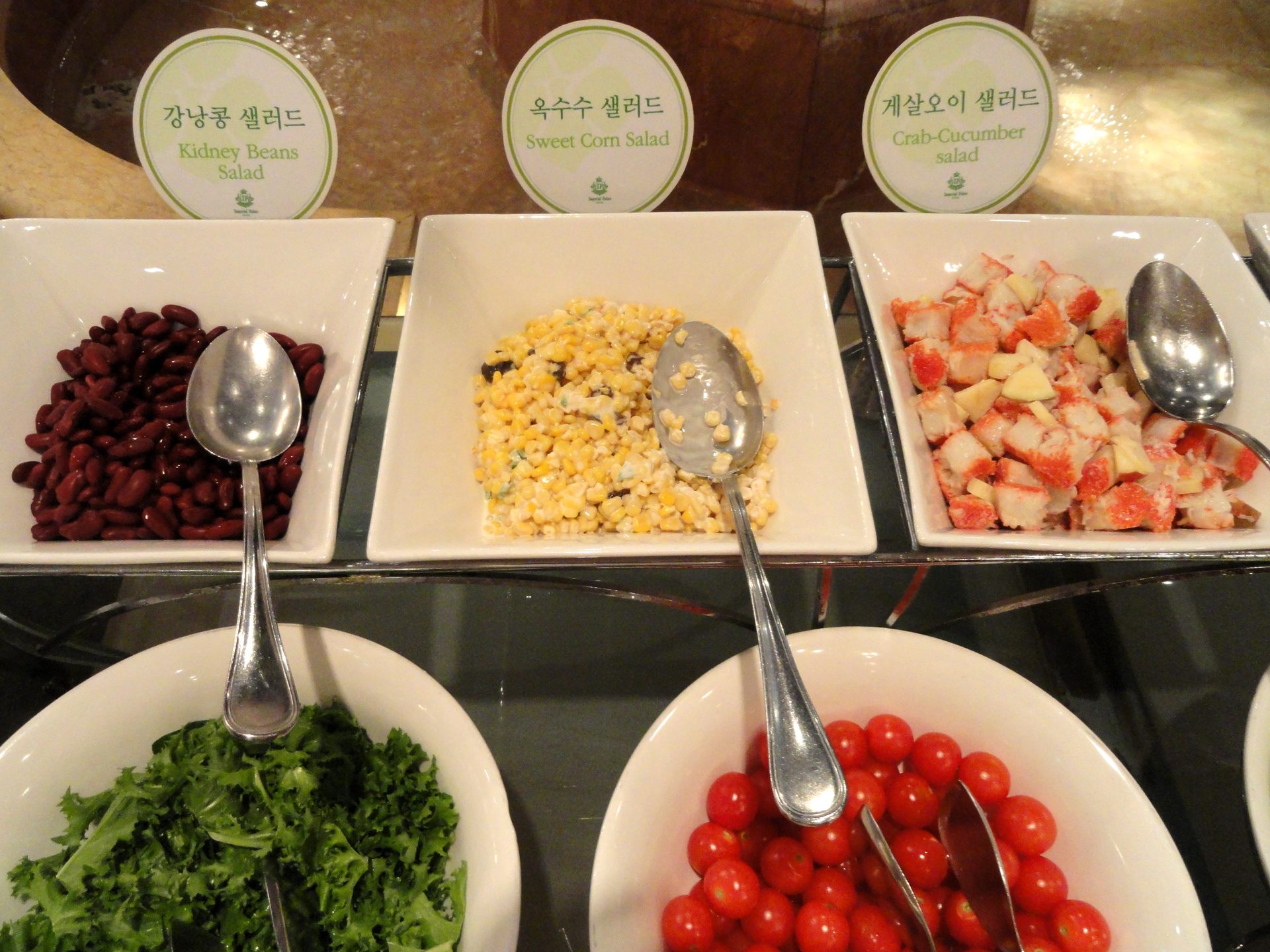
Most countries treat breakfast as its own category of food, separate from lunch and dinner. Korea does not work that way. A traditional Korean breakfast looks almost exactly like a Korean lunch or dinner: steamed rice, a hot soup or stew, and a small army of side dishes crowding the edges of the table.
That structure is not an accident. It comes from centuries of agrarian life, where a farmer needed a filling, savory meal before heading into the fields, not a pastry and a coffee. This guide walks through 15 dishes that show up again and again on Korean breakfast tables, from hangover-curing fish soups to the everyday jar of fermented cabbage that touches almost every meal.
| Pillar | Role at the Table | Typical Examples |
|---|---|---|
| Rice | The base of the meal, eaten with every bite | Steamed white rice, egg rice (gyeran bap) |
| Soup or Stew | Provides warmth and balances salty side dishes | Miyeokguk, doenjang jjigae, tteokguk |
| Banchan | Small shared side dishes for variety and nutrition | Kimchi, seasoned vegetables, braised items |
Readers who want to see how a neighboring food culture handles the morning meal might also enjoy this breakdown of traditional Japanese breakfast staples, which share some ingredients with Korea but land very differently on the plate. For more context on how this meal fits into daily life, the Korean food tag and breakfast tag collect related dishes and traditions worth exploring.
1. Bugeo-Guk
Bugeo-guk is a clear, light soup made from shredded dried pollock, simmered with radish, soybean sprouts, and sometimes a beaten egg stirred in near the end. The fish used is Alaska pollock, Gadus chalcogrammus, which is air-dried over weeks until it becomes chewy and intensely savory when rehydrated in broth.
Dried pollock soup is a well known light hangover soup served as a breakfast in Korea. Beyond its reputation as a morning-after remedy, dried pollock shows up across Korean cooking in other forms, too. Dried Alaska pollock head, called bugeo-daegari, is a common broth ingredient in Korean cuisine, and other dishes made from bugeo include skewered, pickled, pan-fried, and simmered preparations.
Pro Tip: If the broth tastes flat, add the radish earlier in the cooking process. Radish needs more time than the pollock to release its natural sweetness into the stock.
2. Doenjang Jjigae
Doenjang jjigae is the stew most Korean households eat on a weekly, if not daily, basis. It is a hearty stew made with Korean fermented soybean paste, tofu, and assorted vegetables like potatoes, mushrooms, Korean radish, squash, and onions. The paste itself, doenjang, is made from fermented soybeans, Glycine max, and brine left to age for months.
This stew has history behind it. Records show that doenjang and other varieties of jang were served at the wedding ceremony of King Sinmun of Silla in 683 CE. That makes it one of the older continuously eaten dishes in Korean cuisine, long predating the chili-heavy stews many people associate with Korean food today. Anyone curious about how other cultures build a one-pot, vegetable-heavy meal around a single fermented or savory base might enjoy comparing it to Germany’s eintopf tradition, which follows a similar everyday-stew logic.
3. Gyeran Bap
Gyeran bap is the simplest dish on this list: warm rice topped with a fried or soft-cooked egg, a few drops of sesame oil, and soy sauce stirred together at the table. It is the dish busy parents make when there is no time to cook a full spread but a warm, protein-rich breakfast still matters.
Some households add seaweed flakes, chopped kimchi, or a spoonful of leftover banchan to round it out. The dish has a close cousin in Japan’s tamagokake gohan, and readers interested in that parallel can see how a similarly minimal egg-and-rice breakfast plays out in the traditional Japanese breakfast guide.
4. Miyeokguk
Miyeokguk is a mild seaweed soup made with miyeok, the Korean name for the brown seaweed Undaria pinnatifida, simmered with sesame oil, garlic, and usually a little beef or anchovy stock. It has a soft, slightly slippery texture and a clean, oceanic flavor that is gentler than it sounds.
In Korean households, miyeokguk is tied to two specific occasions: it is the traditional dish served to new mothers after childbirth, and it is eaten on birthdays as a way of honoring that same postpartum meal every year after. That cultural weight is part of why it appears on breakfast tables well beyond just those two moments, since many families simply enjoy the soup on its own merits.
5. Hobakjuk
Hobakjuk is a thick, naturally sweet porridge made from steamed and mashed sweet pumpkin, a type of Cucurbita moschata, cooked down with rice flour or glutinous rice until it thickens into something closer to a dessert than a soup. Red beans or chestnuts sometimes get folded in for texture.
It is often served to people recovering from illness or stomach trouble because it is easy to digest and gentle on the system, which is part of why it also works well as a light breakfast. Porridge-as-breakfast is not unique to Korea; a similar logic shows up in several traditional Indian foods, where grain and lentil porridges serve the same gentle, warming role in the morning.
6. Mandu-Guk
Mandu-guk is a clear or lightly seasoned broth filled with Korean dumplings, mandu, stuffed with a mix of ground meat, tofu, glass noodles, and vegetables. The dumplings themselves can be boiled directly in the soup or dropped in frozen, which makes this one of the faster dishes on this list to pull together on a weekday morning.
Many families make large batches of mandu around the Lunar New Year and freeze the extras, which means mandu-guk often becomes a go-to breakfast for weeks afterward simply because the dumplings are already sitting in the freezer waiting to be used.
7. Sogogi Muguk
Sogogi muguk pairs thin slices of beef with Korean radish in a light, slightly sweet broth seasoned simply with garlic, soy sauce, and sesame oil. The radish softens as it cooks and takes on the beef flavor, while the broth itself stays clear rather than cloudy.
It sits on the gentler end of Korean beef soups, without the deep richness of something like galbitang, which makes it a practical breakfast choice since it will not weigh anyone down before a full day of work. Beef-and-root-vegetable soups show up as a comfort-food category in plenty of other cuisines, including several hearty stews found in traditional South African food.
8. Kimchi Jjigae
Kimchi jjigae takes older, well-fermented kimchi and simmers it with pork belly or canned tuna, tofu, and a splash of the kimchi’s own sour-spicy brine. The longer the kimchi has fermented, the deeper and more complex the stew tastes, which is why many households save their oldest batches specifically for this dish.
It is spicier and more assertive than doenjang jjigae, so it tends to show up on breakfast tables for people who want a wake-up jolt rather than a gentle start. That same instinct toward a bold, chili-forward morning stew appears in other food cultures too, including several dishes found across traditional Pakistani food.
9. Kimchi Kongnamul-Guk
Kimchi kongnamul-guk combines crunchy soybean sprouts, kongnamul, with kimchi in a brothy, lightly spicy soup. The sprouts stay crisp even after cooking, which gives the soup a textural contrast that plainer soups on this list do not have.
This one straddles two categories: it is comforting enough for an everyday breakfast but also shows up as a hangover remedy, since the combination of sprouts and fermented cabbage is widely believed in Korea to help settle the stomach after drinking.
10. Tteokguk
Tteokguk is a soup built around thin, oval slices of rice cake, tteok, simmered in a beef or anchovy broth until the rice cake turns soft and slightly chewy. It is typically topped with thin egg ribbons, scallions, and seaweed flakes.
Tteokguk is the dish Koreans eat on the morning of Seollal, the Lunar New Year, and tradition holds that finishing a bowl marks turning a year older. Outside of that holiday, it remains a common, year-round breakfast soup simply because rice cake is filling and easy to prepare in bulk.
11. Haejangguk
Haejangguk is not one specific recipe but a whole category of soups built to help with recovery after drinking, and it covers a wide range depending on the region and the household. Inland homes lean on bugeo-guk, dried pollock torn into soft threads in a milky, gentle broth, the kind a grandmother makes for a stomach that cannot face anything red, and these are every bit as much haejangguk as the scarlet Seoul bowl.
Important Note: “Haejangguk” is often used interchangeably with specific dishes like seonjiguk (ox blood soup) or kongnamul-guk, but it technically refers to the entire category of recovery soups rather than a single recipe.
Whichever version lands on the table, the goal stays the same: a hot, savory soup that rehydrates and soothes without overwhelming a sensitive stomach, which is exactly why haejangguk has become shorthand for a certain kind of restorative Korean breakfast.
12. Gimbap
Gimbap is a roll of seasoned rice wrapped in dried seaweed, gim, filled with a mix of pickled radish, spinach, carrot, egg, and often a strip of meat or fish cake. It is sliced into rounds and eaten cold or at room temperature, which makes it one of the few genuinely portable items on this list.
Because it travels well, gimbap doubles as a grab-and-go breakfast for students and commuters, sold fresh every morning at neighborhood gimbap shops across Korea. That portability puts it in the same practical category as other rolled or wrapped breakfast foods found in traditional Malaysian food, where rice and banana-leaf parcels serve a similar grab-and-eat purpose.
13. Gilgeori Toast
Gilgeori toast, literally “street toast,” is a griddled sandwich built from buttered white bread, a thin omelet packed with shredded cabbage and carrot, a slice of ham or bacon, and a squeeze of ketchup or mayonnaise. It is cooked fast on a flat griddle, usually at a street cart or small stall near schools and office buildings.
- Cabbage-and-carrot omelet layer for crunch and color
- Ham, bacon, or a fried egg patty for protein
- A slice of processed cheese, melted against the warm omelet
- Ketchup, sometimes a dusting of sugar, for the classic sweet-savory finish
Gilgeori toast is a newer addition to the breakfast lineup compared to rice-and-soup dishes, but it has become a genuine modern staple for people who need something fast on the way to work. It fits the same quick-breakfast niche as the ideas rounded up in this breakfast inspiration guide, just with a distinctly Korean street-food twist.
14. Banchan
Banchan is the general term for the small side dishes that surround rice and soup at nearly every Korean meal, breakfast included. A simple weekday table might have three or four; a more generous spread can stretch to a dozen or more.
Key Insight: The number and variety of banchan at breakfast is usually smaller and simpler than at dinner, often limited to kimchi, a seasoned vegetable, and maybe a braised item, rather than the full spread saved for bigger meals.
- Rice and soup go in the center or front of the tray
- Kimchi is placed within easy reach, since it is eaten with nearly every bite
- One or two seasoned vegetable banchan (namul) round out the greens
- A protein-based banchan, like a braised egg or seasoned fish, finishes the tray
Typical breakfast banchan include seasoned spinach, braised lotus root, pan-fried fish cake, and soy-braised potatoes, usually made in batches that last several days in the refrigerator. This shared, many-small-dishes approach to a meal has echoes in other cuisines too, including the mezze-style spreads found in traditional Greek foods.
15. Kimchi
Kimchi is the fermented vegetable dish that shows up at almost every Korean meal, breakfast included, and it is usually made from napa cabbage, Brassica rapa subsp. pekinensis, salted and packed with garlic, ginger, scallion, and gochugaru chili flakes before fermenting for days or weeks.
Common Mistake: Using iodized table salt instead of coarse sea salt when brining cabbage can slow fermentation and leave kimchi tasting flat or overly bitter.
Beyond the familiar cabbage version, kimchi also comes in radish, cucumber, and green onion varieties, each fermented with a similar garlic-and-chili base but with its own texture and fermentation time. It anchors nearly every one of the dishes above, which is part of why Korean breakfast tables feel cohesive even when the soup or main dish changes from day to day. Readers exploring how fermented and pickled staples shape a region’s regional breakfast traditions might also find it useful to look at the pickled sides common in traditional Egyptian food, which plays a comparable role at the morning table.
A traditional Korean breakfast is less about a single iconic dish and more about this whole system working together: rice for substance, a hot soup for warmth and balance, and a rotating cast of banchan for variety. Whether the morning calls for a gentle bowl of miyeokguk, a spicy wake-up call from kimchi jjigae, or a five-minute plate of gyeran bap, the same underlying structure holds the meal together. For more ideas on how other food cultures approach the first meal of the day, the breakfast collection has further reading worth a look.