Inside a Traditional Venezuelan Breakfast: Arepa, Empanada, and Pastelitos

November 21, 2026
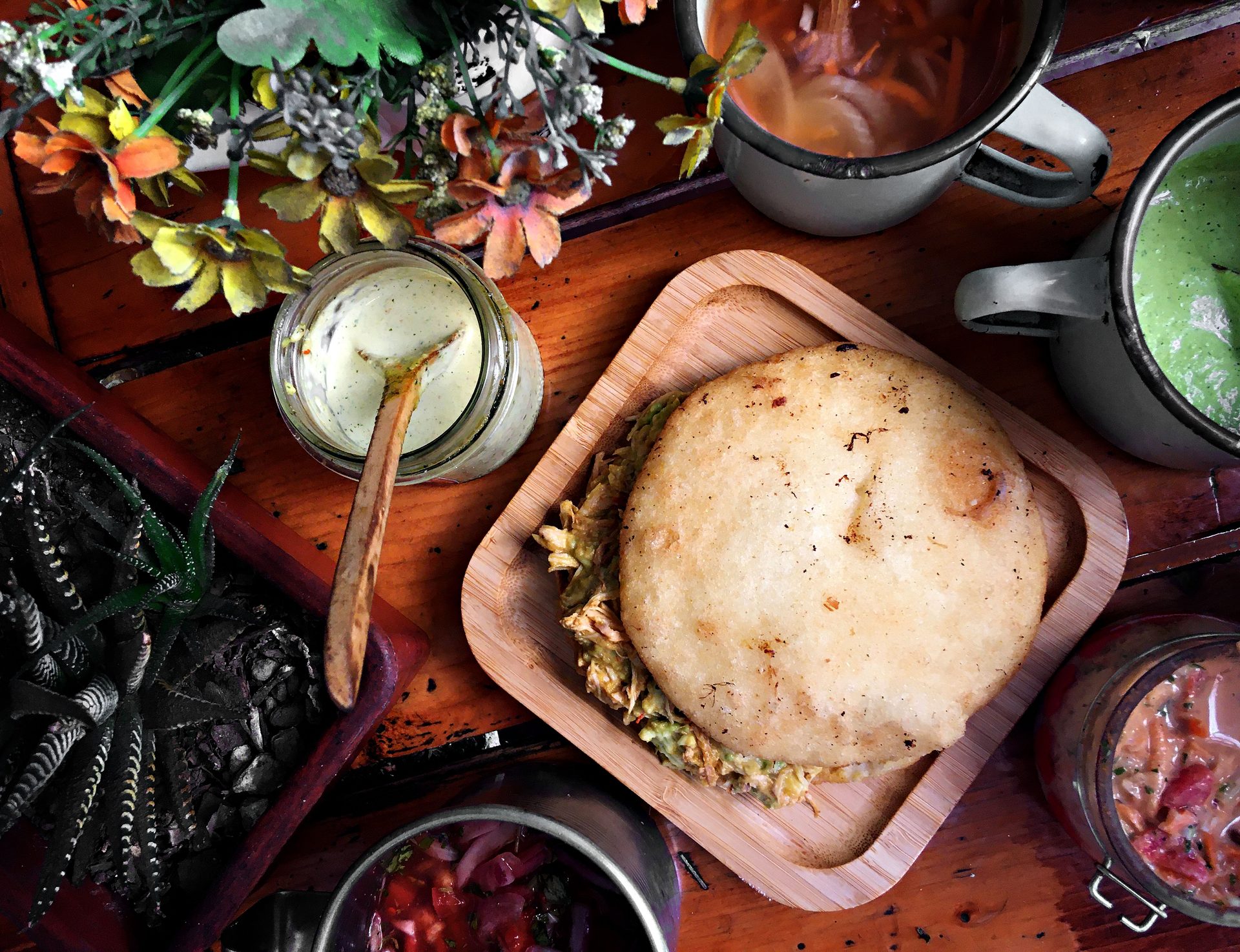
A traditional Venezuelan breakfast rarely looks like a single dish. It looks like a table set with golden corn cakes, fried pockets of dough, and flaky pastries, each one tied to a different region and a different story. Arepa, empanada, and pastelitos form the backbone of that morning spread, and understanding how they differ says a lot about Venezuelan food culture as a whole.
This piece breaks down each of these three staples: what they’re made of, how they’re cooked, and why Venezuelans reach for them before the day even starts. For a broader look at the country’s culinary identity, the traditional Venezuelan food overview covers dishes well beyond the breakfast table.
1. Arepa
The arepa predates Venezuela itself. Its name comes from erepa, a word used by the Cumanagoto people of northeastern Venezuela to mean corn. The name arepa derives from the voice erepa, which the Cumanagoto people, native Americans from northeastern Venezuela who spoke the Cariban language, used for corn. Indigenous communities across the region were shaping corn dough into flat cakes long before European contact reached South America.
Arepas have pre-Columbian origins, as indigenous people from what is now Venezuela, Colombia, and Panamá benefited from abundant corn harvests they considered a gift from the gods. They soaked and ground the corn kernels, added water to make a dough, and cooked that dough in round, flat patties, which is how the arepa was born. For most of the 20th century, making that dough stayed a half-day chore involving soaking, pounding, and grinding by hand.
That changed with a single invention. The revolution came in 1960, when Venezuelan engineer Luis Caballero Mejías patented a pre-cooked corn flour that eliminated hours of manual labor. Precooked arepa flour was invented in the 1950s by Dr. Luis Caballero Mejías, a Venezuelan engineer who used the profits from his patent to finance a Technical Schools system. That product became Harina P.A.N., and it remains the standard arepa flour in most Venezuelan kitchens today.
Making the dough itself stays simple once you have the right flour. An arepa is a griddled corn cake made from just precooked corn flour, warm water, and salt, with no leavening and no gluten, and Venezuelans shape it thick so it can be split and stuffed with fillings. The cakes cook on a flat griddle called a budare until the outside turns crisp and the inside stays soft, almost like a pocket of warm bread.
Pro Tip: Look for Harina P.A.N. or the Colombian equivalent, Areparina, when shopping for arepa flour. Regular cornmeal or masa harina used for tortillas will not produce the right texture.
Once the arepa is split open, the fillings do the real work. Traditional fillings for arepas include reina pepiada (chicken with avocado), carne mechada (shredded beef) and dominó (black beans with queso blanco). A simple scrambled-egg filling called perico, made with tomatoes, onions, and peppers, is another common morning choice. Readers curious about how other cultures build their morning plates can compare notes with the traditional Japanese breakfast, which leans on rice and fish instead of corn.
- Reina pepiada: shredded chicken, avocado, mayonnaise
- Carne mechada: slow-cooked, shredded beef
- Dominó: black beans paired with white cheese
- Perico: scrambled eggs with tomato, onion, and sweet pepper
Arepas aren’t limited to breakfast, but they show up there more than at any other meal. Arepas are a staple in Venezuelan cuisine and a beloved breakfast choice, made from ground corn dough and cooked on a griddle until they develop a crispy exterior and soft interior. That versatility is part of why the dish travels well beyond Venezuela’s borders into broader Latin American and international food culture.
2. Empanada
Where the arepa is split and stuffed, the empanada is sealed and fried. Venezuelan empanadas share a cornmeal base with arepas but take a different shape and cooking method entirely. The dough for empanadas is made with corn flour, similar to arepas, and the fillings are typically cheese, stewed black beans, and shredded beef, among others.
The shape and texture set it apart from arepas immediately. Venezuelan empanadas are small, half-moon shaped cornbreads, classically stuffed with shredded spiced beef, cheese or even cazón, a small shark found in the Caribbean Sea around Venezuela’s coast. Unlike baked empanada versions found elsewhere in Latin America, the Venezuelan version almost always hits hot oil first.
Empanadas are another iconic Venezuelan breakfast item, and unlike the baked empanadas found in other Latin American countries, Venezuelan empanadas are typically fried, giving them a golden, crispy shell made from a cornmeal dough similar to arepas. That fried finish gives them a crunch that holds up well against a hot cup of coffee, which is why street vendors sell them from early morning onward.
| Feature | Arepa | Empanada |
|---|---|---|
| Dough base | Precooked corn flour | Corn flour (similar dough to arepa) |
| Cooking method | Griddled on a budare | Deep-fried |
| Shape | Round disc, split open | Half-moon, sealed edges |
| Common fillings | Chicken, beef, black beans, cheese | Shredded beef, cheese, black beans |
Street vendors treat the empanada as portable, grab-and-go food, which fits the pace of a weekday morning. Empanadas are served as snacks by street vendors, and can also be eaten as a full meal. Many stalls pair them with guasacaca, a green avocado-based sauce that cuts through the fried shell’s richness. Empanadas are among the most popular breakfast items in the country, often made with roasted corn dough or pre-cooked cornmeal and filled with shredded meat, beans, or white cheese, then fried or baked, and served with a dipping sauce like cilantro sauce for a more flavorful meal.
Key Insight: The corn-versus-wheat dough split between empanadas and pastelitos is the clearest way to tell the two apart at a glance, even though both are fried, folded pastries with savory fillings.
Empanadas also travel well outside Venezuela. In cities with large Venezuelan communities, bakeries sell empanadas alongside cachitos and arepas as part of an expanded breakfast menu. Empanadas are another iconic Venezuelan breakfast item, with fillings that vary widely but often include shredded beef, cheese, chicken, or black beans. That flexibility keeps the dish relevant for vegetarians and meat-eaters alike, since a cheese-only version satisfies the same craving without the meat.
3. Pastelitos
Pastelitos look like empanadas at first glance, but the dough gives them away. Pastelitos are made with wheat flour dough and filled with, for example, cheese and chicken, and are usually eaten at breakfast. That single ingredient swap, wheat instead of corn, changes the texture into something flakier and closer to a pastry than a cornbread.
The dish has a strong regional identity inside Venezuela. Pastelitos are the same as empanada but made from wheat, and they’re common in the Venezuelan Andes region. Locals there often call the dish pastelitos andinos, a direct nod to Los Andes, the mountainous region where the recipe is most closely associated.
Pastelitos andinos are essentially the Venezuelan version of a meat empanada, named for the region in Venezuela called Los Andes. Traditionally these empanadas are filled with a mix of ground meat and white rice. The rice adds bulk and a slightly different bite than the all-meat fillings found in standard empanadas.
The dough recipe itself uses enriched ingredients that corn-based versions skip entirely. A typical pastelito dough blends flour with eggs, melted butter, a touch of sugar, and milk, which produces a softer, richer wrapper than the plain corn-and-water mix used for arepas and empanadas. That enrichment is part of why pastelitos feel closer to a pastry at breakfast than a savory snack.
- Mix eggs, melted butter, sugar, and milk into the flour base.
- Knead until the dough turns smooth and elastic.
- Fill with seasoned ground meat and rice, or a cheese alternative.
- Seal the edges and fry until golden.
Preparation ahead of time is common, since the dough and filling both hold up well in the fridge. The dough can be stored in the fridge up to 48 hours covered with wrapping foil, and the filling up to 5 days, which means a cook can make as many pastelitos as needed and save the rest for the next day. That make-ahead quality makes pastelitos a practical choice for busy households preparing breakfast for several people at once.
Pro Tip: Serve pastelitos with a simple tartar or garlic-mayo dipping sauce. The acidity balances the richness of the egg-and-butter dough.
Pastelitos round out the trio by showing how much variation exists within what looks, on the surface, like one category of fried dough. Readers interested in how other cultures use enriched dough for breakfast pastries might also enjoy comparing notes with the traditional French food tradition, where butter-laminated pastries play a similar morning role.
Together, arepa, empanada, and pastelitos cover nearly every texture a breakfast table can offer: griddled, fried-corn, and fried-wheat. Anyone building a breakfast menu around global traditions will find that Venezuela’s approach rewards variety over routine, pairing coffee or hot chocolate with whichever of the three fits the morning’s mood. For a side-by-side look at how other countries build their own morning staples, the traditional Greek foods and traditional South African food guides offer useful points of comparison, and the best Valentine’s Day breakfast roundup shows how these same ideas translate into a celebratory spread.