19 Traditional Latin American Breakfast Dishes, from Medialunas to Atol

November 23, 2026
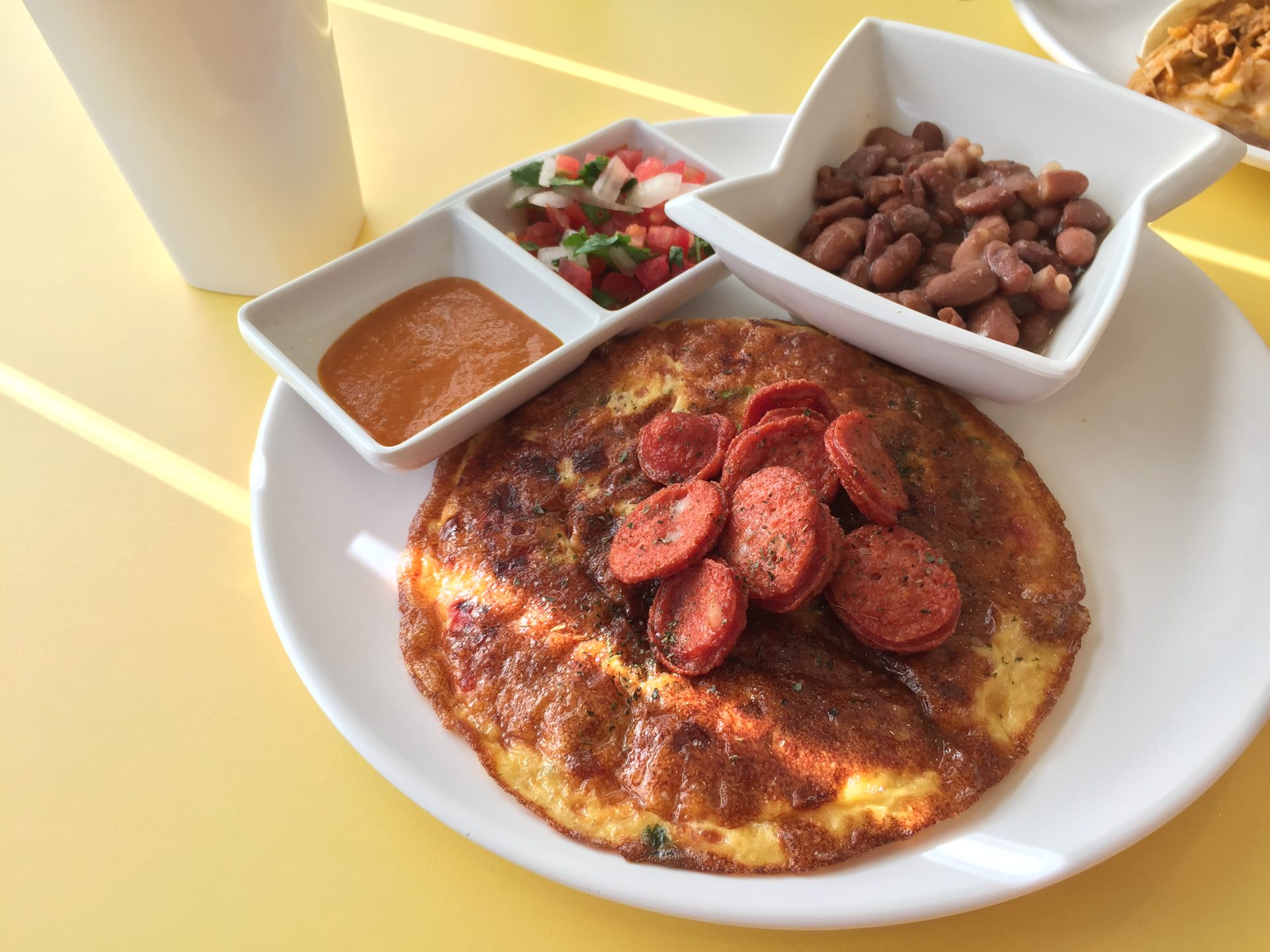
Ask someone in Buenos Aires what they ate for breakfast, then ask the same question in Bogotá or Belize City, and the answers will barely overlap. A traditional Latin American breakfast is not one meal but dozens of regional habits shaped by corn, wheat, coffee, and whatever was left over from last night’s dinner. Some mornings start with a flaky pastry dunked in coffee; others start with a bowl of soup.
This guide walks through 19 dishes that define the first meal of the day across the region, from Argentina’s bakery counters to Guatemala’s street-corner atol carts. Each one reflects a different climate, crop, and colonial history, yet all of them share the same job: fueling a long morning before lunch arrives late.
| Dish | Country or Region | Core Ingredients |
|---|---|---|
| Medialunas | Argentina, Uruguay | Butter, flour, sugar syrup |
| Fry Jacks | Belize | Flour, baking powder, oil |
| Salteñas | Bolivia | Beef or chicken, potato, olive, egg |
| Tostada con Manjar | Chile | Bread, dulce de leche (manjar) |
| Changua | Colombia (Andean region) | Milk, water, egg, scallion |
| Gallo Pinto | Costa Rica, Nicaragua | Rice, black or red beans |
| Tigrillo | Ecuador (Amazon/Loja region) | Green plantain, cheese, egg |
| Desayuno Chapín | Guatemala | Eggs, beans, plantain, cheese |
| Huevos Rancheros | Mexico | Fried egg, corn tortilla, salsa |
| Tortilla con Bistec | Dominican Republic | Thin steak, egg omelet |
| Bizcochos | Multiple countries | Flour, butter, sugar |
| Pan Dulce | Mexico, Central America | Sweet enriched bread |
| Chilaquiles | Mexico | Fried tortilla chips, salsa, cheese |
| Arepas | Venezuela, Colombia | Cornmeal, cheese, butter |
| Huevos Pericos | Colombia | Scrambled egg, tomato, onion |
| Pandebono | Colombia (Valle del Cauca) | Cassava starch, cheese |
| Calentado | Colombia | Leftover rice, beans, meat |
| Café de Olla | Mexico | Coffee, cinnamon, piloncillo |
| Atol | Guatemala, El Salvador | Corn or rice, water, sugar |
1. Medialunas
In Argentina and parts of Uruguay, the morning bakery run almost always ends with medialunas. They are a smaller, sweeter cousin of the French croissant, and Argentum Empanadas notes they are smaller and sweeter than French croissants, glazed with sugar syrup. The dough is laminated with butter or, in the savory version called “de grasa,” with lard, then brushed with a simple sugar syrup right out of the oven.
Travel Food Atlas describes them as a staple pastry dish and a very popular breakfast in Argentina, so much so that it is challenging to find a panadería that is not selling it, and the pastries are typically paired with café con leche. North of the border, readers curious how other cultures handle their morning pastry case can compare notes with this traditional French food overview, since the croissant lineage runs straight through both traditions.
Pro Tip: Order medialunas “de manteca” (butter) for the classic glazed version, or “de grasa” if a saltier, less sweet pastry sounds more appealing with strong coffee.
2. Fry Jacks
Belize starts the day with fried dough. According to Wikipedia , fry jacks are a traditional dish in Belizean cuisine, deep-fried dough pieces served for breakfast that can be shaped as circles or triangles. The same source points out that the concept travels under different names elsewhere, since fry jacks are not unique to Belize, with other names used in various countries including beignets in New Orleans and sopaipillas in Mexico and other Latin American countries.
What makes the Belizean version distinct is the pairing. The Belize Tourism Board explains that fry jacks can be enjoyed with various accompaniments, like refried beans, stewed chicken, cheese, scrambled eggs, or bacon. A sweeter breakfast version simply swaps those fillings for honey, jam, or a dusting of powdered sugar.
3. Salteñas
Bolivia’s answer to the empanada is really a soupy stew sealed inside a slightly sweet, saffron-tinted dough. Salteñas are filled with diced beef or chicken, potato, peas, a whole olive, and a wedge of hard-boiled egg, all suspended in a gelatin-thickened broth that turns liquid again once the pastry is baked and bitten into.
The trick to eating one without staining a shirt is starting from the top corner and tipping the pastry slightly upward as the filling is eaten. Bolivians typically buy salteñas from street vendors mid-morning rather than making them at home, since the dough takes real skill to seal properly. The comparison that clicks fastest for newcomers is the stuffed savory pastry found in traditional Indian foods like the samosa, another handheld pocket built to carry a full meal’s worth of filling.
4. Tostada Con Manjar
Chile keeps breakfast simple: toasted bread spread thick with manjar, the Chilean name for dulce de leche. The toast is usually marraqueta or hallulla, two common Chilean bread styles, and it’s eaten alongside tea or coffee rather than as a dessert.
Manjar itself is slow-cooked milk and sugar, caramelized until it turns a deep amber and thickens into a spreadable paste. It shows up constantly in Chilean baking, but at breakfast it stays unapologetically plain: just toast, manjar, and whatever hot drink is on hand. Other cultures lean on a similarly thick, sweet spread to start the day, including the honey-and-yogurt combinations found in traditional Greek foods.
5. Changua
Up in the cold mornings of Bogotá and the Colombian highlands, changua trades bread-and-spread simplicity for a warm bowl of soup. It’s made from milk and water simmered together, seasoned with scallion and cilantro, and finished with a poached egg dropped straight into the broth.
Stale bread, called “calado,” gets torn into the bowl to soak up the broth, turning what sounds like a thin soup into something far more filling. Changua is less common outside the Andean region of Colombia, where the cool climate makes a hot bowl of soup a genuinely practical way to start the day, not unlike the one-pot morning stews found in German eintopf traditions.
Key Insight: Changua is one of the few Latin American breakfasts built around a soup rather than bread, eggs, or rice, a direct result of the Andes’ cool mornings compared to the coastal lowlands.
6. Gallo Pinto
Costa Rica and Nicaragua both claim gallo pinto as a point of national pride, and both countries fry the previous night’s rice and beans together with onion, pepper, and cilantro until the grains pick up a speckled, “painted rooster” look. The dish is usually plated with eggs, a slab of fried plantain, and natilla or sour cream.
The two countries differ mainly in seasoning. Costa Rican cooks lean on Salsa Lizano, a tangy, slightly sweet condiment sold nationwide, while Nicaraguan versions skip it in favor of simpler onion-and-pepper flavoring.
| Feature | Costa Rica | Nicaragua |
|---|---|---|
| Bean color | Black beans | Red beans |
| Signature sauce | Salsa Lizano | None, relies on onion/pepper |
| Common side | Natilla, fried plantain | Fried cheese, tortilla |
7. Tigrillo
In Ecuador’s Amazon-adjacent Loja province, tigrillo turns green plantain into a hearty mash rather than a side dish. The plantain is boiled, mashed with butter or oil, and mixed with scrambled egg and crumbled cheese until it takes on a mottled, tiger-striped look, which is where the dish gets its name.
Chicharrón (fried pork) is a common add-in for a heartier version, and the whole plate is usually served with coffee. Tigrillo stays a regional specialty rather than a nationwide staple, tied closely to southern Ecuador’s plantain-growing climate.
8. Desayuno Chapín
“Chapín” is a nickname for Guatemalans, and desayuno chapín is the full plate that shows up at nearly every breakfast spot in the country. The components stay fairly consistent:
- Scrambled or fried eggs
- Black beans, whole or refried
- Fried plantain slices
- Crumbly white cheese
- Crema (Guatemalan sour cream)
- Corn tortillas, warmed to order
Mashed avocado and a side of fruit round out the plate at many restaurants. It’s a filling, balanced meal designed to carry someone through a full workday, closer in spirit to the protein-heavy spreads found in traditional Pakistani food than to a light continental breakfast.
9. Huevos Rancheros
Mexico’s huevos rancheros starts with a fried or sunny-side-up egg set on a lightly fried corn tortilla, then smothered in a cooked tomato-and-chile salsa. Refried beans usually sit on the side, and crumbled queso fresco or a drizzle of crema finishes the plate.
The name translates to “rancher’s eggs,” a nod to its origins as a hearty breakfast for farm and ranch workers who needed real fuel before a long day of physical work. Versions vary by region, with some cooks using a milder red sauce and others building a spicier green salsa base, much like Egyptian households vary their own egg-and-bread breakfasts found in traditional Egyptian food.
10. Tortilla Con Bistec
In the Dominican Republic, “tortilla” doesn’t mean a flatbread the way it does in Mexico, it means a fluffy egg omelet. Paired with bistec, a thin, pan-fried steak marinated in garlic, lime, and oregano, it becomes a filling, protein-forward breakfast often served alongside mangú, the island’s mashed-plantain staple.
This combination reflects a broader Caribbean Spanish pattern where eggs, fried cheese, salami, and plantain all rotate through the same plate depending on the day and the cook. The steak is usually sliced thin enough to cook through in just a few minutes, keeping the whole meal quick despite how substantial it looks on the plate.
11. Bizcochos
The word “bizcocho” shifts meaning depending on which country is using it. In parts of the Caribbean and Central America, it refers to a soft, slightly sweet roll or biscuit, enriched with butter and sometimes a touch of anise, served warm with coffee at breakfast.
Bakeries across the region sell bizcochos fresh each morning, and they’re meant to be eaten quickly rather than saved, since the texture firms up within a few hours. Like pan dulce, bizcochos are less a single recipe than a category, with each country and even each bakery keeping its own version.
12. Pan Dulce
Mexican panaderías fill their shelves each morning with pan dulce, a catch-all term for sweet, enriched breads shaped and decorated dozens of different ways. Conchas, named for their shell-like sugar topping, are the most recognizable, but cuernos, orejas, and polvorones all show up in the same display case.
Breakfast in Mexico often means picking a few pieces straight from the bakery and pairing them with café con leche or Mexican hot chocolate. Because the selection changes bakery to bakery, pan dulce works as well for an everyday breakfast as it does for something more celebratory, the same role a special-occasion breakfast spread plays elsewhere in the world.
13. Chilaquiles
Chilaquiles start with yesterday’s tortillas, cut into triangles and fried until crisp, then simmered briefly in red or green salsa until they soften just enough to eat with a fork. The dish is a classic use-it-up breakfast, built to keep stale tortillas from going to waste.
Toppings typically include crumbled queso fresco, sliced onion, a dollop of crema, and sometimes a fried or scrambled egg on top for extra protein. Shredded chicken turns the dish into a more substantial meal, and some cooks serve chilaquiles alongside refried beans for an even heartier plate.
Common Mistake: Letting chilaquiles sit in the salsa too long turns the tortilla chips mushy. They should soften slightly while still holding some bite.
14. Arepas
Arepas are the cornerstone of breakfast in both Venezuela and Colombia, though the two countries shape and fill them differently. The dough is made from precooked cornmeal (masarepa) mixed with water and salt, then grilled, baked, or fried into a round cake that gets split open and stuffed.
Venezuelan arepas tend toward thicker, heavily stuffed versions like reina pepiada, filled with chicken and avocado salad, while Colombian arepas are often thinner and topped simply with butter and cheese. Readers interested in the Venezuelan side of this tradition can find more detail in this traditional Venezuelan food guide, which covers how arepas fit into the country’s broader cuisine.
15. Huevos Pericos
Colombia’s everyday scrambled eggs get a simple but distinctive upgrade with huevos pericos: diced tomato and scallion folded into the eggs as they cook, giving the dish color and a mild acidity that plain scrambled eggs lack. The name comes from “perico,” a parakeet, a nod to the dish’s speckled green-and-red appearance.
Huevos pericos almost always appear alongside arepas and a cup of tinto, Colombia’s term for black coffee. It’s a fast dish, rarely taking more than ten minutes, which makes it a practical weekday staple rather than a weekend specialty.
16. Pandebono
Pandebono comes from Colombia’s Valle del Cauca region and solves a problem many bread recipes don’t: how to make a roll that stays chewy rather than going stale by midmorning. The answer is cassava starch, mixed with cornmeal, cheese, and egg, which gives pandebono its dense, slightly springy bite.
Shaped into rings or small rolls and baked until lightly golden, pandebono is sold hot from bakeries each morning and eaten plain or split open with a little butter. Its closest relatives are other Latin American cheese breads made with cassava starch, a family of recipes that trace back to the same Indigenous use of yuca across the region.
17. Calentado
Calentado means “reheated,” and that’s exactly what it is: last night’s rice, beans, and meat, fried together the next morning into a single, frugal breakfast. Antioquia’s version, often called “calentado paisa,” adds a fried egg, arepa, and a slice of fried plantain to round things out.
The dish exists because wasting food isn’t practical in most Colombian households, and leftovers reheated with a little oil and seasoning often taste better than they did the night before. Calentado varies from kitchen to kitchen depending on what’s left in the fridge, which makes it one of the most genuinely home-cooked dishes on this list rather than a restaurant staple.
18. Café De Olla
Mexican café de olla gets its name from the clay pot it’s traditionally brewed in. Ground coffee is simmered with water, a cinnamon stick, and piloncillo, Mexico’s unrefined cane sugar, sometimes with a clove or star anise added for extra depth.
The clay pot itself matters here, since many cooks believe it mellows the coffee’s bitterness in a way metal pots can’t replicate. The result is a naturally sweetened, warmly spiced coffee that needs no milk or added sugar at the table, not unlike the spiced, sweetened teas found in traditional Egyptian drinks.
- Combine water, a cinnamon stick, and piloncillo in a pot and bring to a simmer.
- Stir until the piloncillo dissolves completely into the water.
- Add ground coffee, simmer briefly, then strain before serving hot.
19. Atol
Atol is less a single dish than a category of warm, thick drinks found across Guatemala and El Salvador, usually made from corn or rice simmered with water and sugar until it thickens into something between a drink and a thin porridge. Atol de elote, made with fresh sweet corn, is the most common breakfast version.
A fermented, savory variation called atol shuco swaps sweetness for a tangy, slightly sour flavor and is traditionally sold alongside grilled meats rather than as a standalone breakfast. Both versions are often paired with tamales, giving Guatemalan mornings a warm, filling combination not far removed from the spiced, warm beverages found in traditional Chinese drinks.
Nineteen dishes barely scratch the surface of what a traditional Latin American breakfast can look like, since nearly every country, and often every region within it, has its own version of “the first meal.” What ties them together isn’t a shared ingredient list but a shared logic: use what’s on hand, make it filling, and pair it with something hot to drink. For readers curious how other parts of the world solve the same problem, a look at traditional Japanese breakfast makes for a useful contrast, trading corn and coffee for rice and miso but following the same basic idea of starting the day with real food.