15 Traditional Hispanic Breakfast Dishes From Mexico, Colombia, and Central America

November 23, 2026
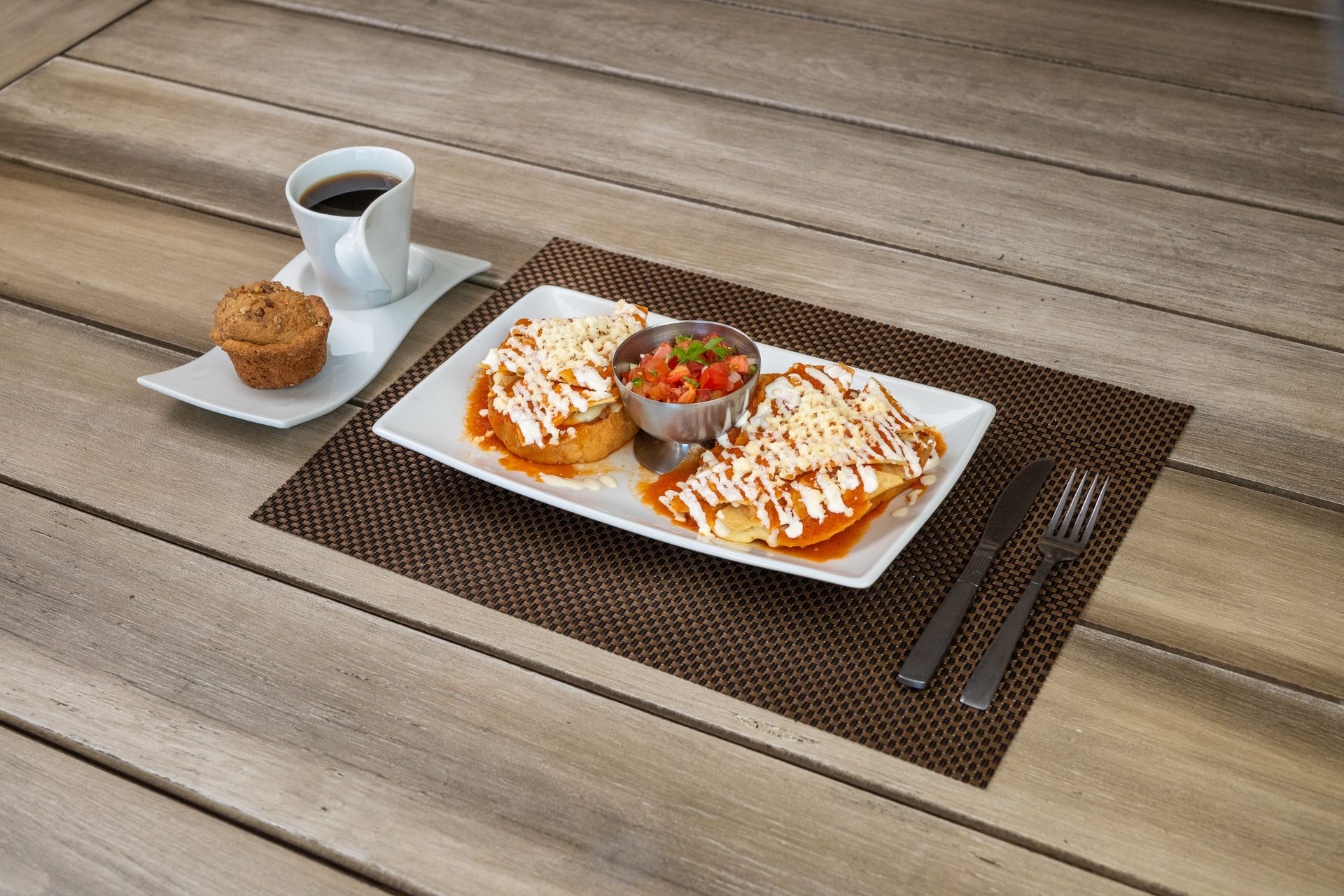
In much of Latin America, breakfast looks more like a bowl of soup or a stack of fried tortillas than a box of cereal, and that is exactly what makes a traditional Hispanic breakfast so interesting to anyone encountering it for the first time. Walk into a kitchen in Bogotá and you might find eggs poaching gently in warm milk; walk into one in Mexico City and you are more likely to smell chiles and corn tortillas sizzling in a skillet. The morning meal across Spanish-speaking countries shifts dramatically by altitude, region, and even by what was left over from the night before.
This lineup moves through fifteen dishes that define the traditional Hispanic breakfast table, pulling from Mexican, Colombian, and Central American kitchens. Some are built around corn, some around eggs, and a few are simply the drinks that hold the whole meal together. For a sense of how these dishes stack up against each other, the quick reference below is a useful starting point before digging into each one.
| Dish | Region | Core Ingredients |
|---|---|---|
| Arepas | Colombia, Venezuela | Ground corn, water, salt |
| Arepa de huevo | Colombian Caribbean coast | Corn dough, fried egg |
| Changua | Andean Colombia (Bogotá) | Milk, water, eggs, scallions |
| Calentado | Andean Colombia | Leftover rice, beans, egg, arepa |
| Huevos pericos | Colombia | Scrambled eggs, tomato, onion |
| Pandebono | Colombia (Valle del Cauca) | Cassava starch, cheese, egg |
| Chilaquiles | Mexico | Fried tortilla, salsa, cheese |
| Huevos rancheros | Mexico | Fried eggs, tortilla, ranchero sauce |
| Pan dulce | Mexico | Sweet yeasted bread |
| Chocolate caliente | Mexico, broader Latin America | Cacao, milk or water, cinnamon |
| Café de olla | Mexico | Coffee, cinnamon, piloncillo |
| Atol | Guatemala, El Salvador | Corn or rice, milk, cinnamon |
| Tinto | Colombia | Black coffee |
| Empanadas | Pan-Latin American | Dough, savory or sweet filling |
| Licuado | Mexico, Central America | Fruit, milk or water |
1. Arepas
Arepas are the flat, round corn cakes that anchor breakfast tables across Colombia and Venezuela, usually griddled until the outside is lightly crisp while the inside stays soft. They are made from pre-cooked corn flour mixed with water and a pinch of salt, then shaped by hand before cooking on a hot comal or griddle. The plain version is often split open and filled with butter, cheese, or scrambled eggs, which makes it closer to toast than to a tortilla in how it is used.
Because the recipe calls for almost nothing beyond corn and water, arepas vary enormously by region, from thin and crisp to thick and doughy. Readers curious about how this corn cake fits into a broader national cuisine can compare it with the staples covered in this overview of traditional Venezuelan food, where arepas appear alongside other everyday dishes.
2. Arepa De Huevo
Arepa de huevo takes the basic corn cake and turns it into something closer to a handheld meal. Cooks from Colombia’s Caribbean coast form a small corn dough disc, fry it briefly, then slit it open and pour in a raw egg before sealing the edges and frying it again until the egg sets inside. The result is a golden, slightly crisp shell with a soft egg center, usually sold hot from street carts in cities like Cartagena and Barranquilla.
Unlike the plain arepa, which can be eaten any time of day, arepa de huevo is firmly a breakfast and street-food item, often paired with a cold drink or a cup of coffee. Its two-step frying method sets it apart from most other egg-and-corn combinations found elsewhere in Hispanic cooking.
3. Changua
Changua is the milky egg soup associated with the cool mornings of Bogotá and the surrounding Andean highlands. The base is simple: equal parts water and milk brought to a simmer, into which whole eggs are gently poached without stirring. Saveur describes it as a belly-warming breakfast with an interesting amalgamation of textures and flavors, built on jammy eggs, bread, and pungent alliums.
The soup’s roots reach back further than most visitors expect. According to Curious Cuisiniere , the origin of changua is said to trace to the ancient Chibcha tribes, indigenous communities that inhabited the central Colombian highlands. Scallions, cilantro, and sometimes a handful of melted cheese finish the bowl, and stale bread is often dropped in to soak up the broth rather than served plainly on the side.
Changua shares a cooking logic with other cultures that build breakfast around a single warming pot, a pattern also visible in the slow-simmered German one-pot tradition of eintopf, even though the ingredients and climate could not be more different.
Pro Tip: If changua tastes flat on the first try, add the eggs only once the milk is simmering gently rather than at a full boil. A hard boil scrambles the eggs into shreds instead of leaving them softly poached, which changes the texture of the whole bowl.
4. Calentado
Calentado, sometimes spelled calentao, is built entirely from the previous night’s dinner. Its name literally means “heated,” and the dish takes leftover rice and beans, warms them together, and tops the plate with a fried egg, a slice of arepa, and often chorizo or grilled beef. Wikipedia notes that it is generally eaten for breakfast and is often accompanied by aguapanela, arepa, coffee, juice or hot chocolate.
The dish emerged as a practical solution to avoid wasting food, and it remains one of the most ordered breakfast plates in Colombian restaurants today. My Colombian Recipes explains that calentao, as many paisas call it, is popular in the Andean region and was created long ago to use leftover beans and rice from the night before and avoid wasting food.
Because calentado leans on whatever protein and starch is on hand, it has loose parallels with other hearty, resourceful breakfast plates built from the previous day’s cooking, a pattern that also shows up in the heartier side of traditional South African food.
5. Huevos Pericos
Huevos pericos are Colombia’s answer to scrambled eggs, cooked soft and loose with chopped tomato and scallion folded in while the eggs are still cooking. The name translates roughly to “parakeet eggs,” a nod to the speckled, colorful look the vegetables give the dish once it hits the pan. It is typically served alongside arepa, a cup of hot chocolate or tinto, and sometimes a side of white cheese.
The dish is simple enough to make on a weekday but is considered a genuine breakfast staple rather than a quick fallback meal. A roundup of Colombian morning dishes from My Colombian Recipes lists huevos pericos among the dishes that most immediately come to mind when Colombians are asked what a traditional breakfast looks like. Compared with the plain fried or boiled eggs common in traditional Egyptian food, huevos pericos lean on fresh vegetables for both color and flavor rather than spice blends or legumes.
6. Pandebono
Pandebono is a cheese bread from Colombia’s Valle del Cauca region, made with cassava starch, cornmeal, fresh cheese, and egg, then baked or fried into small rolls with a slightly chewy, springy interior. The cheese is mixed directly into the dough rather than added as a filling, which gives pandebono its salty, slightly tangy flavor even before it is split open and buttered.
It is often sold alongside almojábana, a similar cheese bread, and both are common at Colombian bakeries that open early for the breakfast rush. Pandebono’s chewy, cheese-forward texture puts it in the same general family as other cheese-and-starch morning breads found in traditional Indian breakfast cooking, even though the starches and dairy involved are entirely different.
7. Chilaquiles
Chilaquiles turn day-old corn tortillas into a hot, saucy breakfast by frying them into crisp triangles, then simmering them briefly in red or green salsa until they soften at the edges while keeping some bite in the center. The dish is finished with crema, crumbled cheese, sliced onion, and sometimes a fried egg or shredded chicken on top.
The combination of fried tortilla and chile sauce makes chilaquiles one of the most recognizable dishes on any Mexican breakfast menu, and the balance between crisp and softened tortilla is what separates a well-made plate from an average one. Fans of spice-driven morning meals will find a similar logic in some traditional Pakistani food, where chile and tomato bases also do the heavy lifting for breakfast dishes built around bread or grain.
Key Insight: The difference between chilaquiles and migas comes down to the tortilla cut and cooking order. Chilaquiles use larger fried triangles simmered briefly in sauce, while migas scramble smaller torn tortilla pieces directly into the eggs.
8. Huevos Rancheros
Huevos rancheros starts with lightly fried corn tortillas, each topped with a fried egg and a spoonful of warm ranchero sauce made from tomatoes, chiles, and onion. Refried beans and a scattering of crumbled queso fresco usually round out the plate, making it heartier than a simple fried egg breakfast.
The dish originated as a filling meal for farm and ranch workers who needed something substantial before a long day of labor, which explains both its name and its generous portions. It remains a brunch menu staple far beyond Mexico, and its popularity has made it one of the easiest Hispanic breakfast dishes to find outside Latin America, a crossover appeal shared by other globally adapted morning dishes featured in this breakfast-in-bed roundup.
9. Pan Dulce
Pan dulce is the umbrella term for Mexico’s sweet breakfast breads, a category that includes dozens of shapes and flavors sold fresh each morning at neighborhood panaderías. The best-known variety, concha, gets its name and signature look from a sugary topping scored to resemble a seashell before baking.
Other common shapes include ears, horns, and braided loaves, each with its own name and slightly different dough or filling. Pan dulce is almost always eaten with coffee or hot chocolate rather than on its own, turning breakfast into a quick dunk-and-bite routine. The tradition of a daily fresh-baked breakfast bread also shows up in traditional French food, where the morning bakery run plays a similarly central role.
10. Chocolate Caliente
Mexican hot chocolate is made by melting tablets of chocolate blended with cinnamon and sometimes almonds or chiles into hot milk or water, then whipping the mixture with a wooden molinillo until it turns frothy. That froth is considered part of the drink’s identity, not just a garnish, and the whisking motion is traditionally done by rolling the molinillo’s handle between both palms.
Chocolate caliente is often paired with pan dulce for dunking, making the two a classic breakfast combination across Mexican households. Other cultures built similarly ritualized hot beverage traditions around breakfast, a parallel visible in traditional Chinese drinks, where preparation method matters as much as the ingredients themselves.
11. Café De Olla
Café de olla gets its name from the clay pot it is traditionally brewed in, where coarsely ground coffee simmers with cinnamon sticks and piloncillo, an unrefined cane sugar sold in cone or block form. The clay pot is thought to round out the coffee’s flavor, though the cinnamon and sugar do most of the work in giving the drink its warm, slightly spiced character.
It is served in small clay or ceramic cups rather than mugs, which keeps the coffee hot longer and adds to the ritual feel of drinking it. The use of warming spices in a daily coffee ritual echoes similarly spiced hot drink traditions found in traditional Russian drinks, even though the base beverage and spice combinations differ.
12. Atol
Atol, known as atole in Mexico, is a warm, thick drink made by cooking corn masa, rice, or oats with milk or water until it thickens into something closer to a thin porridge than a beverage. Cinnamon, vanilla, or piloncillo are common flavorings, and in Guatemala and El Salvador atol is often sold from street stalls alongside tamales for a combined breakfast.
Because it is thick enough to eat with a spoon in some households, atol blurs the line between drink and porridge more than most other items on this list. That same blur between warm drink and warm grain dish appears in other morning traditions, including the rice-based warmth found in some traditional Japanese breakfast spreads built around miso soup and rice.
13. Tinto
In Colombia, tinto refers specifically to a small cup of black coffee, brewed strong and usually served slightly sweetened. The word itself simply means “tinted” or “dyed,” a reference to the coffee’s dark color rather than any connection to wine, which the same word describes in Spain.
Street vendors known as tinteros carry thermoses through plazas and offices selling tinto by the cup throughout the morning, making it one of the most casual and widely consumed parts of a Colombian breakfast routine. The daily ritual of a small, strong coffee cup shares some cultural weight with the tea and coffee customs documented in traditional Egyptian drinks, where a specific brewing style carries similar social importance.
14. Empanadas
Empanadas appear on breakfast tables across nearly every Spanish-speaking country, though the dough, filling, and cooking method shift from region to region. Colombian empanadas typically use a cornmeal dough fried until crisp around a potato and meat filling, while other countries favor baked wheat-dough versions filled with cheese, chicken, or sweet fillings like guava paste.
Their portability makes empanadas a natural grab-and-go breakfast, often sold hot from street carts alongside a cup of coffee. The savory hand-pie format isn’t unique to Latin America either; a similar approach to folded, portable pastry turns up in traditional Greek foods like spanakopita, where dough wraps around a savory filling for easy morning eating.
15. Licuado
A licuado is a blended drink made from fresh fruit, milk or water, and sometimes a sweetener, run through a blender until smooth. Common combinations include banana, papaya, or strawberry blended with milk, though some versions swap in oats or raw eggs for extra protein and staying power through the morning.
Licuados are especially popular as a lighter breakfast option or as a companion to something heavier like chilaquiles or pan dulce, giving the meal a fresh, fruity counterbalance. The blended fruit-and-dairy format has rough equivalents in other warm-climate breakfast cultures, including the fruit-forward drinks found in some traditional Malaysian food traditions, where fresh produce plays a similar role in rounding out the morning meal.
Taken together, these fifteen dishes show just how much range exists within a single regional label. A traditional Hispanic breakfast can be a bowl of milky soup in Bogotá, a plate of fried tortillas drenched in salsa in Mexico City, or a thick corn drink sold from a cart in Guatemala City, and all of them are equally authentic. For anyone building out a wider exploration of global morning meals, this collection pairs naturally with the broader breakfast coverage already on the site, offering a starting point for comparing how different cultures treat the first meal of the day.