Can You Freeze Sour Cream? What Actually Happens and How to Do It Right

November 9, 2026
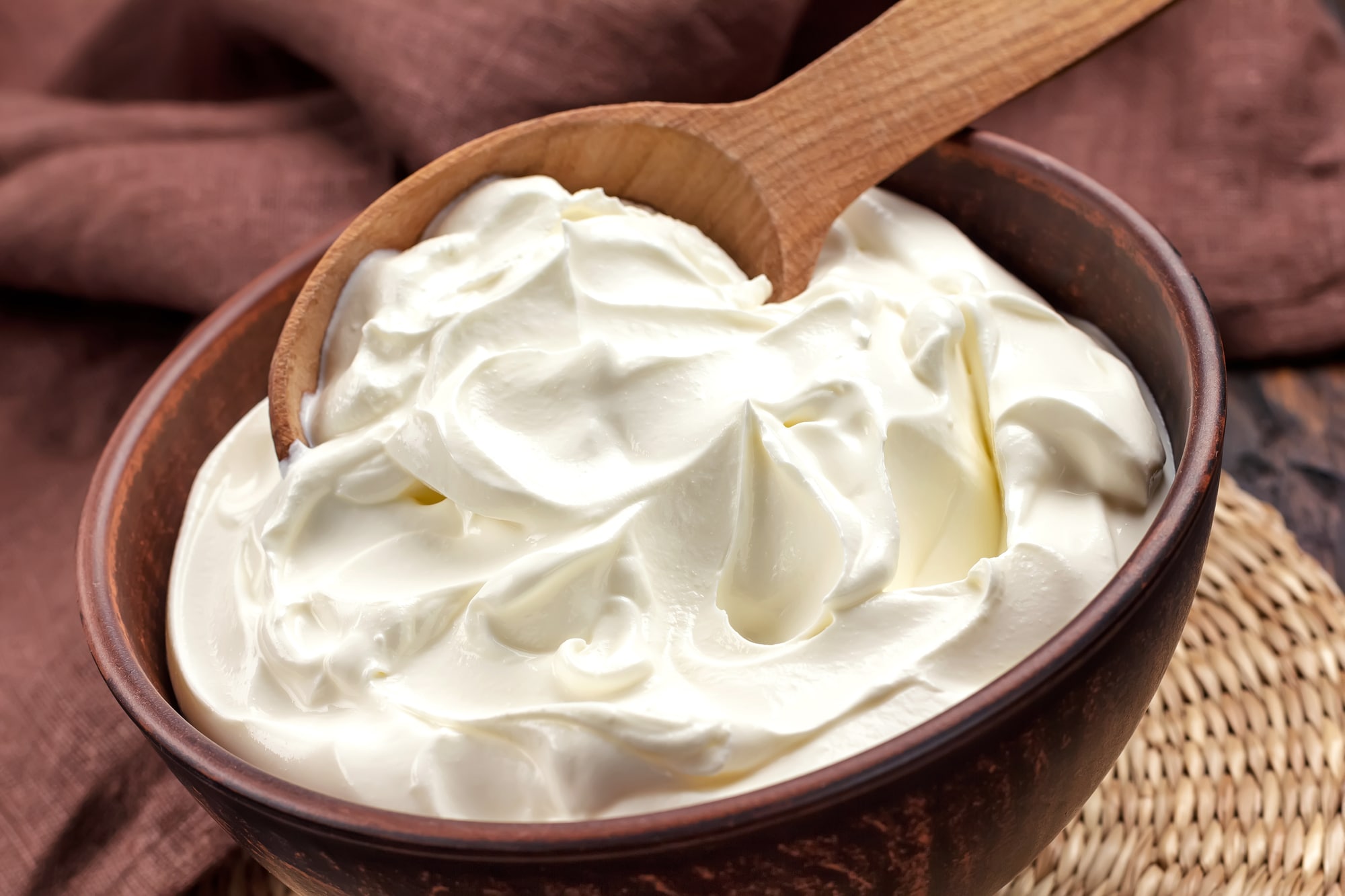
You bought a big tub of sour cream for taco night, used a few spoonfuls, and now you’re staring at the rest wondering if it will survive the week. Sound familiar? Freezing is a tempting solution — and the good news is, it works.
You can freeze sour cream, and it’s a great way to extend its shelf life and save money on groceries. The catch is that you need to go in with the right expectations. Once thawed, frozen sour cream behaves differently than fresh — and knowing that upfront will save you from disappointment at the stove.
This guide walks you through everything: what freezing does to sour cream, the right way to freeze and thaw it, how long it keeps, and which recipes actually benefit from it. If you’ve ever tossed a half-used container, keep reading.
Can You Freeze Sour Cream?
Yes — freezing sour cream is safe, and it stays safe to eat as long as you keep it at 0°F (-18°C) or below, where food stays frozen and microbial growth is paused. That applies to both opened and unopened containers.
Sour cream manufacturers themselves warn against freezing this product due to negative effects on its texture. Brands like Daisy advise against it for that reason. But “not ideal for fresh use” is very different from “unsafe” — and once you understand the trade-off, freezing becomes a practical tool for cutting food waste.
The trade-off is texture, not edibility. The real question isn’t “can I freeze it” — it’s “what will I use it for after.” If the answer is “stir it into something hot or bake it into something,” freezing is a great way to cut waste. If the answer is “dollop it cold on top of food,” you’ll be disappointed.
Pro Tip: Only freeze sour cream that is still fresh and safe to eat. Freezing pauses spoilage — it does not reverse it. If your sour cream is already past its prime, the freezer won’t save it.
Does Freezing Change the Texture or Taste of Sour Cream?
Yes, and it’s worth understanding exactly why so you know what to expect when you open that container later.
Sour cream is roughly 18–20% milkfat suspended in water, held together as a smooth emulsion by milk proteins. When you freeze it, the water portion forms ice crystals. Those crystals push the fat and protein apart, and when everything thaws, the mixture doesn’t always snap back into a uniform cream.
After defrosting, frozen sour cream will have a lumpy or grainy texture, unlike the smooth texture of fresh sour cream. This is because the sour cream separates during the freezing and thawing process — the fat separates from the liquid part of the cream. You may also notice a watery layer pooling on top, which is whey.
On flavor, the news is mixed. Sour cream’s flavor gets affected after freezing by losing some of its tanginess, so you may have to adjust how you use it in dishes. Because freezing dulls the flavor of dairy products, they may not taste as wonderful as fresh sour cream. That said, the flavor shift is subtle enough that it disappears entirely once the sour cream is stirred into a warm dish or baked into a batter.
| Quality Factor | Fresh Sour Cream | Frozen and Thawed |
|---|---|---|
| Texture | Smooth, thick, creamy | Grainy, separated, thinner |
| Flavor | Full tangy flavor | Slightly muted tang |
| Best for toppings | Yes | No |
| Best for cooking/baking | Yes | Yes |
| Safe to eat | Yes | Yes |
How to Freeze Sour Cream the Right Way
The method you use before freezing makes a real difference in what you get when you thaw it. A few minutes of prep now saves you from a grainy, watery mess later.
Step 1: Stir it first. Stir the sour cream to make sure any liquid is incorporated evenly throughout. This gives you a more uniform texture after thawing and reduces separation.
Step 2: Portion it out. The larger the amount, the longer it will take to thaw, so freezing it in smaller quantities can be convenient. Scoop into small airtight containers, or spoon tablespoon-sized dollops onto a parchment-lined tray, freeze until solid, then transfer the frozen blobs to a freezer bag. This way you thaw only what a recipe calls for.
Step 3: Use the right container. Use a rigid airtight container with a little headspace — the contents expand as they freeze — or a freezer bag with the air pressed out. Airtight packaging is what prevents freezer burn — the dry, off-flavored patches that form when frozen food is exposed to air.
Step 4: Label and date the container. Write the date on the container. Sour cream looks like a dozen other white things in the freezer, and you’ll want to track that roughly six-month window.
Pro Tip: If you bought sour cream specifically to bake with later, freeze it the day you bring it home, while it’s at peak quality. This locks in the best possible flavor and texture for cooking.
If you prefer the ice cube tray method, freeze it in an ice cube tray, then transfer the cubes to a resealable freezer bag — several cubes will thaw in a matter of hours. Each cube equals roughly two tablespoons, which is handy for portioning into soups and sauces. You can also freeze other dairy products this way — see our guide on how to freeze coffee creamer for a similar approach.
How Long Can You Freeze Sour Cream?
Stored properly, sour cream keeps well in the freezer for around 6 months, according to the USDA FoodKeeper (2019). Label and date the cream, place it in the freezer, and use it within 3 months for best quality. Food Network recommends the three-month mark as the sweet spot for quality, while the USDA FoodKeeper data supports up to six months for safety.
Sour cream stays safe longer if kept continuously frozen, but the texture and flavor decline and freezer burn becomes more likely over time. In short: it won’t hurt you after six months, but it won’t taste great either.
Freezer temperatures should be kept at 0°F to ensure the safety of frozen items. If your freezer runs warmer than that — common in older models or overfull units — quality will decline faster. An inexpensive freezer thermometer is worth keeping in there.
For reference on how sour cream compares before it ever reaches the freezer: once opened, refrigerated sour cream should be kept between 32°F and 38°F and can be consumed for up to three weeks. Freezing extends that window dramatically, which is exactly why it’s worth the effort when you have a large container left over.
How to Thaw Frozen Sour Cream
Thawing sour cream correctly is just as important as freezing it correctly. Rushing the process — or doing it at the wrong temperature — affects both safety and texture.
The right method: refrigerator thawing. Sour cream should always be thawed in the refrigerator for best texture and to prevent bacterial growth. Transfer the sour cream to the fridge and thaw for several hours or up to a day, depending on the size of the container.
Never thaw on the counter. Keeping perishable dairy out of the 40–140°F (4–60°C) “danger zone” during thawing is the safe practice — thaw in the fridge, not on the counter. Countertop thawing puts dairy into a temperature range where bacteria multiply rapidly.
After thawing, whisk it. The sour cream may look watery, grainy, or separated — whisk or beat it to help reincorporate and thicken it slightly. Pour off any excess liquid if a watery layer has pooled and you want a thicker result. Whisk vigorously by hand or with a fork to re-emulsify the fat and protein. This recovers most of the smoothness.
If it still looks a little thin after whisking, you may stir in one to two tablespoons of cornstarch, which will thicken it closer to its original texture. This trick works especially well when you’re adding it to a dip or sauce.
Thawed sour cream that hasn’t been used within three days should be discarded. Once it comes out of the freezer, treat it like fresh refrigerated sour cream and use it promptly.
Can You Refreeze Sour Cream After Thawing?
This is a common question, and the answer is a firm no.
Refreezing is not recommended. Each freeze-thaw cycle further breaks the texture, leaving it grainier and more watery. Thaw only the portion you plan to use, which is why pre-portioning before freezing helps so much.
Thawing and refreezing may result in bacterial contamination, making the sour cream unsafe to consume. Beyond the safety concern, the texture after a second freeze-thaw cycle is genuinely unpleasant — even for cooking. The emulsion breaks down further each time, and no amount of whisking will bring it back.
The solution is simple: portion before freezing, so you thaw only what a recipe needs instead of refreezing the rest. Individual tablespoon-sized portions or ice cube portions make this easy. If you need substitutes for sour cream in a pinch rather than dealing with thawing logistics, that’s always an option too.
How to Use Frozen Sour Cream (Best Uses After Freezing)
Once you accept that thawed sour cream is a cooking and baking ingredient — not a topping — a whole range of recipes open up. The texture change that looks unappealing in the container essentially disappears the moment heat or mixing is involved.
In any recipe where it gets mixed in, heated, or baked, the texture change disappears completely. Here’s where it shines:
- Soups and stews: Thawed sour cream, even with an altered texture, works well in casseroles, soups, and stews for a richer, creamier texture. Stir it in at the end of cooking and it blends right in.
- Baked goods: Sour cream that has been frozen and thawed works best in baking — use it in a variety of pastries or muffins. It keeps baked goods moist and adds a gentle tang.
- Casseroles: Products made with sour cream, such as baked goods and soups, can typically be frozen without negatively affecting their texture or taste. Chicken casseroles, enchiladas, and pasta bakes are all great candidates.
- Sauces and dips: When thawed sour cream is blended with other ingredients and gently warmed, the graininess disappears. Think stroganoff, creamy taco sauce, or a warm spinach dip.
- Pancake and waffle batter: A tablespoon or two of thawed sour cream stirred into batter adds richness and helps with a tender crumb.
Where to avoid it: Don’t use frozen sour cream in recipes that call for a fresh dollop to be added on top, such as chili or baked potatoes. Avoid using it in cheesecakes, because it will not provide a velvety texture. For those applications, always reach for fresh. If you’re out of fresh sour cream entirely, check out the best substitutes for sour cream in baking for reliable swaps.
Key Insight: Think of thawed sour cream the way you’d think of a pantry staple — something you cook with, not something you serve cold. That single mindset shift makes freezing sour cream genuinely useful.
Signs That Frozen Sour Cream Has Gone Bad
Not everything you see after thawing is a sign of spoilage — some changes are completely normal. Knowing the difference saves you from throwing out perfectly usable sour cream, and keeps you from eating something that’s actually gone bad.
Normal after thawing (not spoilage):
- A watery or whey layer on top — this is the water-based portion of the dairy that naturally separates from the cream over time, the same thing that happens with yogurt, and is a completely normal part of how fermented dairy behaves. Stir it back in.
- Grainy or lumpy texture — this is the emulsion breaking from ice crystals, not spoilage. Whisk it and use it for cooking.
- Slightly thinner consistency — normal after freezing. It still works in cooked dishes.
Actual spoilage signs — discard immediately:
- Mold: Any visible mold growth — whether fuzzy white, green, blue, or black spots on the surface or around the lid — means discard the entire container immediately. Do not scoop around it. Mold on soft dairy products can spread throughout the container even when not visible on the surface.
- Off smell: Look for visible signs of spoilage such as mold, slime, or an off smell. Sour cream has a naturally tangy scent, but anything that smells rotten, rancid, or sharply unpleasant is a red flag.
- Slimy texture: Sour cream can go bad if it is not stored properly or if it is contaminated with bacteria or mold — signs of spoilage include an off-flavor, slimy texture, or mold growth.
- Liquid that won’t stir back in: If the liquid will not stir back in, if the texture has become permanently curdled or lumpy, or if the separation is accompanied by an off smell or mold, those are spoilage signs.
- Freezer burn patches: Airtight packaging prevents freezer burn — the dry, off-flavored patches that form when frozen food is exposed to air. Heavily freezer-burned sour cream is safe but will taste unpleasant. Discard it.
When in doubt, throw it out. It is essential to discard sour cream that has gone bad or shows signs of spoilage, as it can pose a serious health risk. The cost of a new container is always less than the risk of foodborne illness.
Frequently Asked Questions
Can you freeze sour cream in the original container?
If you do not plan to use store-bought sour cream anytime soon, you may freeze it without opening the container — simply place the pack in the freezer and leave it there until you are ready to use it. If the container is already open, stir the sour cream first, press plastic wrap directly against the surface to limit air exposure, and seal tightly before freezing.
How long does thawed sour cream last in the fridge?
Thawed sour cream that hasn’t been used within three days should be discarded. Treat it like fresh opened sour cream and keep it refrigerated at all times.
Does low-fat or fat-free sour cream freeze the same way?
Low-fat or nonfat frozen sour cream should not be used in the same way as full-fat varieties. Reduced-fat versions have less fat to hold the emulsion together, so they tend to separate even more dramatically after freezing. If you need to freeze sour cream for cooking, full-fat is the better choice.
Can you add frozen sour cream directly to a recipe without thawing?
You can add frozen sour cream directly to recipes like soups and stews. Drop a frozen cube or portion straight into a hot pot and let it melt in as you stir. This works especially well when you’ve pre-portioned it into small cubes before freezing.
Is the watery layer on thawed sour cream safe?
Yes. That liquid is whey — a normal byproduct of dairy separation. Pour off excess liquid if a watery layer has pooled and you want a thicker result, then whisk vigorously to re-emulsify the fat and protein. It’s not a sign of spoilage on its own.
What’s the best use for sour cream that’s close to its expiration date?
Freeze it before it goes bad — not after. It’s important to only freeze fresh sour cream that’s still safe to eat. If it’s within a day or two of the sell-by date and still smells and looks fine, freeze it immediately in small portions for future baking and cooking. For more ideas on how to work dairy and nutrient-rich foods into your meals, explore our food sources hub and guides on calcium-rich foods and vitamin D food sources.