Esmorzaret: Inside the Traditional Valencian Breakfast Ritual

November 22, 2026
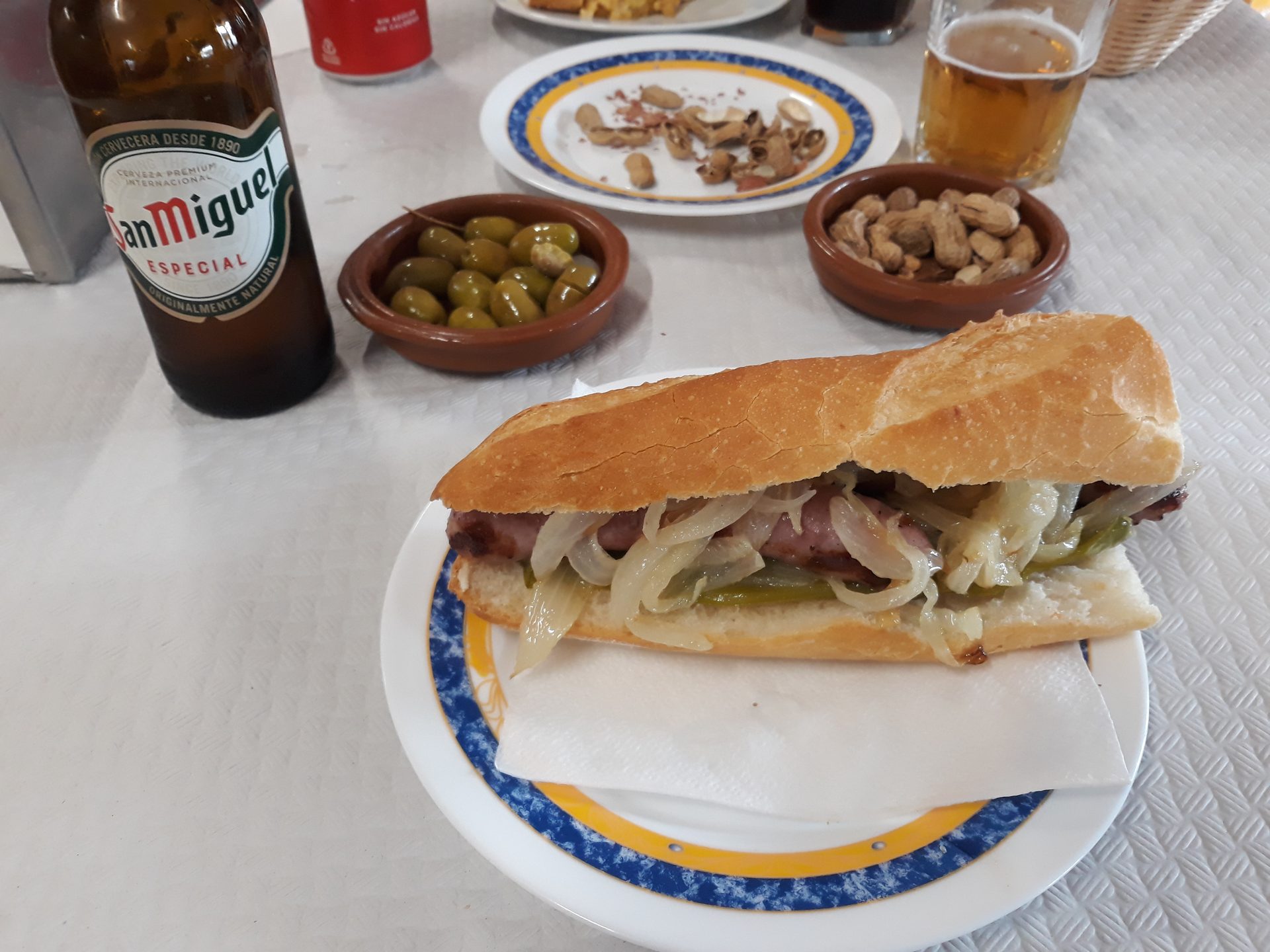
Ask someone from Valencia what they ate for breakfast, and the honest answer is often “almost nothing.” The real meal, the one built around crusty sandwiches, roasted peanuts, and a rum-laced coffee, is the traditional Valencian breakfast known as esmorzaret, eaten mid-morning rather than at dawn. It is less a meal than a ritual, and understanding it means working through fourteen distinct dishes and drinks that locals treat as sacred.
This guide walks through each piece of that ritual in order: the sandwiches that anchor the table, the snacks that open the appetite, and the drinks that close it out. For readers curious how this compares to other morning meal traditions around the world, Valencia offers one of Europe’s most distinctive takes on what breakfast can look like.
1. Esmorzaret
Esmorzaret is the Valencian word for a mid-morning meal that sits somewhere between breakfast and lunch, and it carries far more weight than either term suggests. According to Visit Valencia , el esmorzaret is a gastronomic tradition that defines València and its people: a village proud of its culinary localisms in the face of the tyranny of brunch. The timing follows its own clock rather than a conventional breakfast hour. Here, breakfast is eaten without passion while waiting for mid-morning snack time, between 9:00 and 12:00, with a liturgical veneration. That phrasing is not an exaggeration. Workers, retirees, and office staff alike pause their mornings for this ritual at a bar counter rather than a desk.
The meal follows a fairly consistent three-part structure, even though the specific dishes change from one bar to the next:
- The picaeta (or gasto): small shared snacks like peanuts, lupin beans, and pickles that open the appetite.
- The bocadillo: a substantial sandwich that serves as the centerpiece of the meal.
- The drink and closer: typically a cold beer, wine with lemon soda, and a cremaet coffee to finish.
Pro Tip: Most esmorzaret bars serve between 9:00 and 12:00 only. Arrive after noon and the picaeta bowls are usually already cleared away.
2. Bocadillo
The bocadillo is the undisputed centerpiece of the traditional Valencian breakfast, and its scale often surprises first-time visitors. Per Pont de Valencia , the star, naturally, is the bocadillo: the sandwich. These are not delicate finger sandwiches; they are built on crusty baguette-style bread and packed with fillings drawn from the produce of the surrounding Huerta farmland.
Unlike the thin, crustless sandwich traditions found in parts of French bread culture, the Valencian bocadillo favors volume and heartiness over refinement. Each variety has its own name, its own loyal following, and often its own town of origin, which is exactly why sections two through five of this guide cover four of the best-known versions individually.
3. Chivito
The chivito ranks among the most popular bocadillos ordered during esmorzaret, and it earns that popularity through sheer completeness. According to El Diario , the chivito is one of the best known, with pork loin or chicken breast, fried egg, bacon, mayonnaise, lettuce, tomato and cheese. That stack of ingredients makes it filling enough to carry a worker through to lunch.
Despite the name overlap with the Uruguayan chivito, the Valencian version has its own identity rooted entirely in the esmorzaret tradition. It is often the sandwich recommended to newcomers precisely because it layers so many familiar flavors into one bite.
4. Brascada
Brascada takes its name from the grill, or brasa, where its beef is cooked, and it leans savory rather than creamy. Pont de Valencia describes it simply: beef and jamón ibérico with caramelized onion. For people who mean business. Some versions add fresh grated tomato for extra juiciness, depending on the bar.
The combination of grilled meat, cured ham, and sweet caramelized onion gives brascada a profile not unlike the slow-cooked, meat-forward comfort of hearty one-pot stews from other European traditions, even though the Valencian version comes wrapped in bread rather than served in a bowl. It is frequently cited alongside chivito as one of the two sandwiches every esmorzaret newcomer should try first.
5. Almussafes
Almussafes is named after the town of the same name, located south of the Albufera wetlands, and it has become one of the defining bocadillos of the whole region. The combination is deceptively simple: sobrasada, melted cheese, and caramelized onion, baked together until the flavors merge into something richer than any single ingredient alone. El Diario notes the almussafes, with sobrasada, cheese and caramelized onion as one of the staples ordered at almost any esmorzaret counter.
The sobrasada itself, a soft, spreadable cured sausage, is what sets this sandwich apart from the meatier chivito or brascada. Serving it hot is not optional; the cheese needs to stay melted for the flavors to work as intended.
6. Blanc I Negre
Blanc i negre translates to “white and black,” a direct reference to its two contrasting sausages. Consum describes it as longaniza salami, black pudding and beans, with varieties such as white meat with beans. The pairing of a pale, garlicky longaniza with a darker, blood-based morcilla gives the sandwich its name and its distinctive look when sliced open.
Beans are the traditional accompaniment, adding texture and a slightly earthy note that balances the richness of the two sausages. It is a less internationally known bocadillo than chivito or almussafes, but among locals it remains a firm favorite.
7. Pepito
Pepito stands apart from the other sandwiches on this list because of what goes inside it: not cured meat, but a cooked vegetable and fish filling. Consum explains that a pepito is a small bread roll stuffed with titaina, that is fried after being boiled in milk and beaten egg, which makes it one of the few esmorzaret sandwiches that is breaded and fried rather than simply assembled. That frying step gives pepito a crisp exterior that contrasts with the soft, savory titaina filling described later in this guide. Its portable size also makes it an ideal take away option for workers in a hurry, unlike the larger bocadillos meant to be eaten seated at the bar.
8. Tramussos
Tramussos are lupin beans, salted and served cold as one of the small shared snacks that make up the picaeta at the start of an esmorzaret. They are not unique to Valencia, but they hold a specific place in this tradition that few outsiders recognize. Publico traces the esmorzaret’s roots to the farmworkers of La Huerta, noting that the meal was built from the ingredients offered by the crops they worked: lupin beans, olives, pickles, and cacau del collaret.
Their slightly bitter, chickpea-adjacent flavor pairs naturally with cold beer, which is why they so often appear on the table before the sandwich arrives. Lupin beans show up in legume-forward snacking traditions elsewhere too, not unlike the simple boiled-bean dishes found in parts of Mediterranean cooking further east.
9. Encurtits
Encurtits, or pickles, round out the picaeta alongside tramussos and peanuts, adding acidity to balance the richness of the bread and cured meats that follow. These typically include pickled gherkins, onions, or carrots, served simply in a small bowl at the center of the table.
The role pickled vegetables play here, cutting through fat and refreshing the palate between bites, mirrors how pickled condiments function in South Asian meal traditions, where a small dish of tangy pickle accompanies far richer main dishes. In both cases, the pickle is small in portion but essential to the overall balance of the meal.
10. Titaina
Titaina is a thick, sofrito-based preparation closely associated with Valencia’s Cabanyal-Cañamelar neighborhood, and it functions as both a standalone tapa and the filling for pepito. Directo al Paladar describes titaina as a close relative of another Valencian classic, noting that in this case, pine nuts and salted tuna belly are added to the sofrito of tomato, roasted red pepper, garlic, and virgin olive oil.
That combination of sweet roasted pepper, rich tomato, and salty cured tuna gives titaina a depth that belies its humble, home-kitchen origins. The dish shares a lineage with other Mediterranean tomato-and-fish preparations, including the slow-simmered stews found in coastal cooking traditions in the Americas that similarly build flavor from a long-cooked sofrito base.
11. Cacau Del Collaret
Cacau del collaret is a native peanut variety grown specifically along the coastal comarcas of the Valencian Community, and it is the signature snack of the picaeta. Botanically, it is a regional strain of Arachis hipogaea, according to a Spanish Ministry of Agriculture variety record, which also notes that the plate of roasted peanuts, especially the collaret variety, is typical at Valencian almuerzos.
Locals typically eat it torrado, roasted whole in its shell, which concentrates a sweeter, nuttier flavor than export-grade peanuts. The variety carries enough regional pride that an annual award exists for it: Visit Valencia notes that to experience the crème de la crème, you must follow the trail of the Cacau d’Or Awards, which recognize the bars doing right by this small but beloved snack.
Key Insight: The Cacau d’Or Awards judge esmorzaret bars on bread quality, service, and respect for the ritual, not just the peanuts themselves, making them a useful shortlist for travelers hunting an authentic experience.
Roasted peanuts show up as a breakfast-adjacent snack in other cuisines too, often alongside sweeter accompaniments like those found in Southeast Asian morning food stalls, though the Valencian version stays resolutely savory and unadorned.
12. Cremaet
Cremaet is the coffee cocktail that traditionally closes out an esmorzaret, and it is far from a simple espresso. Publico describes it as a carajillo made in Valencia that combines rum and coffee, aromatized with coffee beans, served alongside sugar, cinnamon, and a twist of lemon zest. The name itself comes from “cremat,” meaning burnt, a reference to how the rum is set alight before the coffee is added, caramelizing the sugar along the rim of the glass. It functions almost like a dessert course, layering sweetness and citrus over the bitterness of the espresso to bring the whole meal to a satisfying close.
13. Vi Amb Llimona
Vi amb llimona, literally “wine with lemon,” is a light, fizzy mix of red wine and lemon-flavored soda that often replaces beer as the drink of choice during esmorzaret. It is typically served in a shared pitcher called a poal, meant to be poured and passed among friends at the same table rather than ordered as an individual glass.
The low-alcohol, high-refreshment profile makes it a practical choice for a mid-morning meal that still leaves the rest of the workday ahead. Mixed wine-and-soda drinks appear in other regional drinking cultures as well, including some of the lighter mixed pours found in Eastern European drink traditions, though the Valencian combination stays distinctly citrus-forward.
14. Horchata De Chufa
Horchata de chufa is a cold, milky-white drink made from chufa, or tiger nuts, a small tuber grown in the fields around Alboraya just outside Valencia. Despite its name, the tiger nut is not a nut at all but an edible root, which surprises many people trying the drink for the first time.
Important Note: Chufa is a tuber, not a tree nut, so horchata de chufa is naturally free of common tree-nut allergens that affect other nut-based drinks.
The drink is sweet, lightly spiced with cinnamon, and served well chilled, often alongside fartons, the long sugar-glazed pastries made specifically for dunking. While horchata de chufa is enjoyed throughout the day, it fits naturally into the lighter, drink-focused close of a traditional Valencian breakfast, much like the role cold, plant-based drinks play in other warm-climate refreshment traditions built around grains, seeds, or tubers rather than dairy.
Bocadillo Comparison
| Bocadillo | Key Ingredients | Flavor Profile |
|---|---|---|
| Chivito | Pork loin, bacon, egg, cheese, lettuce, tomato, mayonnaise | Rich and complete |
| Brascada | Grilled beef, jamón ibérico, caramelized onion | Savory and smoky |
| Almussafes | Sobrasada, melted cheese, caramelized onion | Intense and spreadable |
| Blanc i negre | Longaniza, morcilla, beans | Earthy and contrasting |
Working through these fourteen elements in order, from the first bowl of tramussos to the last sip of horchata de chufa, gives a clear picture of why esmorzaret resists easy comparison to breakfast anywhere else. It is a slower, more communal meal, built around bread, grilled meat, and a shared table rather than speed. Travelers curious about how other cultures structure their own morning meals might enjoy comparing this ritual to the quieter, rice-and-fish rhythm of a traditional Japanese breakfast on the opposite end of the spectrum.
Whatever bocadillo a visitor eventually orders, the real lesson of esmorzaret is timing: arrive between nine and noon, order without rushing, and let the cremaet close things out properly.