Can You Freeze Tomato Sauce? Everything You Need to Know

November 12, 2026
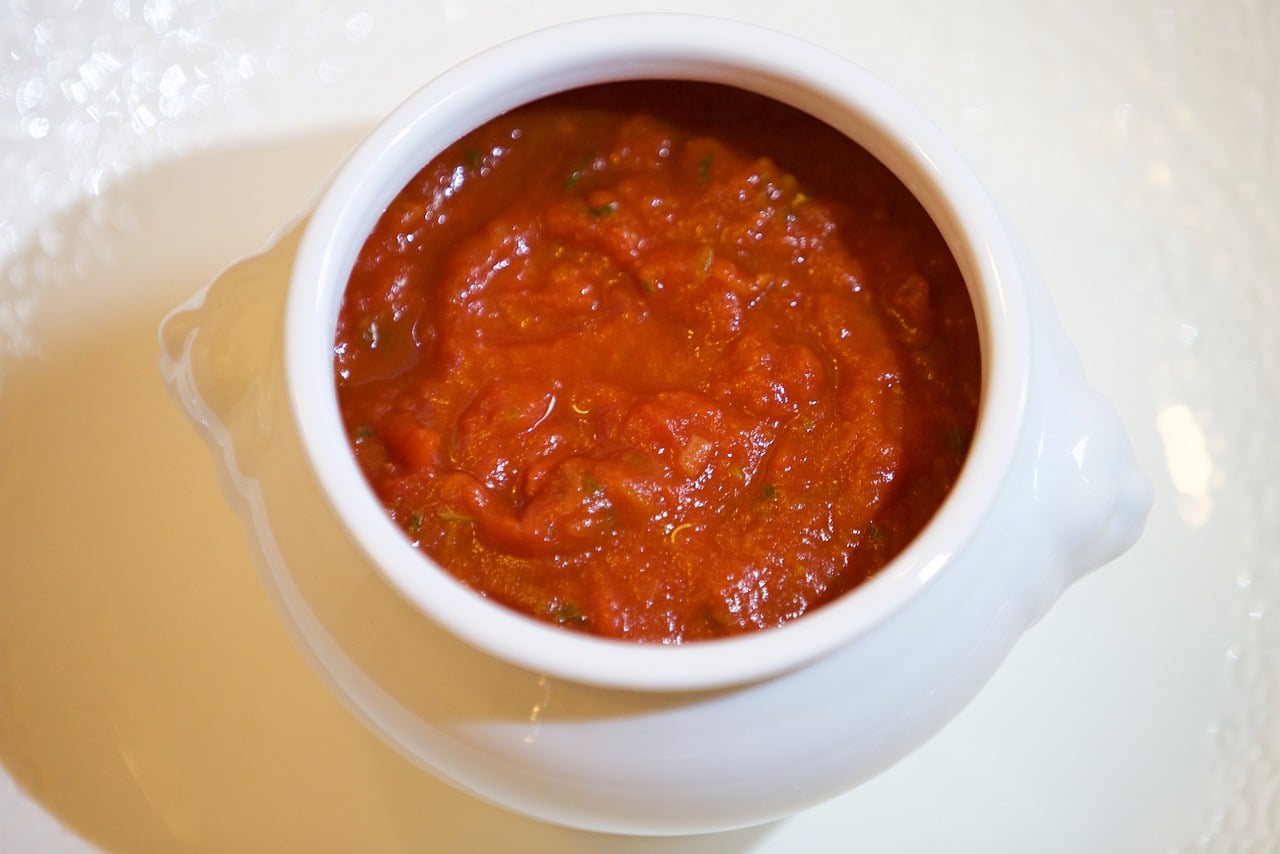
Tomato sauce is one of those kitchen staples that seems to multiply faster than you can use it. You make a big batch on Sunday, open a jar for Tuesday’s pasta, and suddenly you have more sauce than meals planned for the week. The good news: freezing tomato sauce is not only possible — it’s one of the smartest moves you can make for easier weeknight cooking.
Whether you’re working with a homemade marinara, leftover store-bought pasta sauce, or a garden haul of fresh tomatoes, the freezer can keep your sauce tasting great for months. This guide walks you through everything — how to freeze it properly, how long it lasts, how to thaw it, and what to watch for when it goes bad.
Can You Freeze Tomato Sauce?
Yes, you can freeze tomato sauce. Freezing is one of the best methods to extend the shelf life of any type of food, and tomato sauce handles the process particularly well. Because tomato sauce is mostly water and naturally acidic, freezing it is a great way to keep it fresh without adding any extra preservatives.
Not all tomato sauces freeze equally, though. Plain marinara, roasted tomato sauce, fresh tomato sauce, and homemade tomato sauce with fresh or dried herbs freeze easily. Creamy sauces like vodka sauce or sauces with heavy cheese melt inconsistently after thawing. Spaghetti sauce with ground beef or dairy needs to be stirred occasionally while reheating. Any tomato-based sauce without dairy — including slow cooker sauce, diced tomatoes cooked into sauce, or sauce from garden tomatoes — is a good freeze candidate.
Pro Tip: If you regularly make sauce from scratch, consider freezing a plain, unseasoned base. Freezing the sauce without seasonings creates endless possibilities for using it — you can add garlic, oregano, basil, or other seasonings when you use the sauce to create soups, stews, pasta sauces, or other dishes.
Does Freezing Change the Texture or Taste of Tomato Sauce?
Freezing does affect tomato sauce to some degree, but the changes are manageable. One of the most noticeable changes is texture. Tomato sauce contains a high level of water, and when frozen, the water forms ice crystals that can disrupt the structure of the sauce — resulting in a slightly watery or separated texture after thawing.
The sauce may also lose some of its smooth consistency, becoming a bit grainier or chunkier than before freezing. This happens because the freezing process breaks down some of the tomato pulp and other ingredients, leading to separation of liquid and solids. While this doesn’t make the sauce unsafe to eat, it can affect the overall mouthfeel.
On the flavor side, the news is better. Frozen tomato sauce still holds the acidity and richness of fresh tomatoes or canned tomatoes. A slight alteration in taste and texture compared to fresh sauce is typical, although the distinction can often be negligible with careful technique. The fix for most texture issues is simple: stir the sauce well while reheating over medium heat, and it will come back together.
Key Insight: Many people assume that separation equals spoilage. In reality, oil and liquid separation is normal in natural sauces — stirring restores consistency.
How to Freeze Tomato Sauce the Right Way
The steps below apply to both homemade and store-bought sauce. Following them closely makes a real difference in the quality you get back after thawing.
- Cool completely first. Before freezing, always allow your tomato sauce to cool down completely. Hot sauce placed directly into the freezer can cause condensation, leading to freezer burn and affecting the texture — it may also raise the freezer temperature, compromising the safety of other frozen foods.
- Portion it out. Consider portioning sauce into smaller containers. That way, you can thaw only what you need for a particular meal, reducing waste and maintaining the quality of the remaining sauce. Quart-size bags work well for family meals; smaller portions or ice cube trays are great for single servings or recipe add-ins.
- Choose the right container. Fill quart-size freezer bags with sauce, squeeze out air, and lay flat on a tray before stacking. Choose BPA-free plastic containers with tight lids to freeze pasta or leftover sauce in portions. If using glass jars, use straight-sided jars, since jars with “shoulders” can crack more easily when liquid expands during freezing — wide-mouth straight-sided jars are best.
- Leave headspace. In airtight containers, leave 1/2-inch headspace to allow for expansion.
- Remove excess air. Squeeze out as much air as possible before sealing to reduce oxidation and preserve more flavor.
- Label clearly. Use a permanent marker or freezer labels to mark contents and date. Include the sauce type — marinara, meat sauce, pizza sauce — so you’re not guessing later.
- Freeze the same day. Freeze tomato sauce as soon as possible after cooking — ideally the same day you make the sauce — for the best quality.
If you want to save space, once frozen solid, stack the bags upright or flat in your freezer for better organization. You can also freeze sauce in ice cube trays, then transfer the frozen cubes to a labeled bag — each cube is roughly 2 tablespoons, which is handy for adding small amounts to soups or braised dishes. You might also find helpful tips in our guide to freezing applesauce, which covers similar portioning strategies for liquid-based foods.
How Long Can You Freeze Tomato Sauce?
Tomato sauce keeps well in the freezer, but the timeline depends on what’s in it and how it was stored.
| Sauce Type | Best Quality Window | Maximum Safe Duration |
|---|---|---|
| Homemade tomato sauce | Up to 6 months | Up to 12 months |
| Store-bought (opened jar) | 3–4 months | Up to 6 months |
| Sauce with meat or dairy | 2–3 months | Up to 4 months |
Homemade tomato sauce is best used within 6 months for ideal texture and flavor, but is safe up to 12 months if stored well in freezer-safe containers. Store-bought pasta sauce from an opened jar can be frozen and kept for up to 3–4 months.
Tomato sauce can be frozen for up to 4 to 6 months while maintaining the best flavor and quality. It remains safe beyond that but may lose taste or develop ice crystals. For best results, rotate your frozen stock regularly and label containers clearly.
Important Note: Vacuum sealing helps preserve sauce taste and prevents air exposure, which can meaningfully extend quality beyond standard freezer bag storage — worth considering if you freeze sauce in large quantities.
How to Thaw Frozen Tomato Sauce
How you thaw your sauce matters almost as much as how you froze it. There are three reliable methods, depending on how much time you have.
- Refrigerator overnight (best method): Place the container or bag of frozen tomato sauce in the refrigerator overnight. This method is safe, even, and preserves the texture and flavor. Always place a dish underneath to catch any condensation or leaks.
- Cold water bath (faster): Submerge the sealed container or freezer bag in a bowl of cold water. Change the water every 30 minutes to speed up the process. Never use warm water to thaw, as it can promote bacterial growth.
- Directly from frozen (quickest): Tomato sauce can be added directly to hot pans or boiling soups without thawing. Break the frozen block into smaller chunks if needed and stir occasionally to ensure even heating.
Once thawed, use the sauce within 3–5 days. Do not leave thawed sauce at room temperature for more than two hours, as bacteria multiply quickly above 40°F. For more food storage strategies in a similar vein, see our guide on freezing store-bought applesauce.
Can You Refreeze Tomato Sauce After Thawing?
This is where you need to be careful. Refreezing thawed tomato sauce is not recommended, as it can lead to a decrease in quality and potentially create food safety issues.
Each time you freeze and thaw tomato sauce, the texture may change. The sauce can become watery or grainy due to the breakdown of ingredients during the freezing process. If you’re concerned about maintaining quality, it’s best to limit the number of times you freeze and thaw the sauce.
If you’ve thawed tomato sauce in the refrigerator, it can technically be refrozen within a few days — but the quality will take a noticeable hit each time. The smarter approach: freeze in single-use portions from the start so you never need to refreeze. Putting around 1–2 cups of tomato sauce per bag works well, because once the tomato sauce has thawed you’ll need to use the whole bag.
How to Use Frozen Tomato Sauce (Best Uses After Freezing)
Thawed tomato sauce performs best in cooked applications where any minor texture changes get absorbed into the dish. Here are the most practical ways to put it to work in everyday American cooking:
- Pasta nights: The most obvious use. Reheat the sauce in a saucepan over medium heat, stirring occasionally, and toss with your pasta of choice. The heat smooths out any separation that happened during freezing.
- Pizza sauce: Frozen tomato sauce is great for use in pizza nights and pasta dinners. Spread it straight from thawed onto dough — the baking process handles any remaining texture differences.
- Soups and stews: Drop frozen cubes directly into a pot of vegetable soup, minestrone, or chili for a rich tomato base without any prep. Add garlic, oregano, basil, or other seasonings when you use the sauce to create soups, stews, pasta sauces, or other dishes.
- Shakshuka: A popular American brunch dish where eggs are poached directly in tomato sauce — thawed sauce works perfectly here since it all simmers together.
- Braised proteins: Use thawed sauce as a braising liquid for chicken thighs, meatballs, or Italian sausage. The long cook time eliminates any texture concerns entirely.
- Casseroles and baked pasta: Lasagna, baked ziti, and eggplant parmesan all benefit from a saucy base — frozen and thawed sauce is ideal since it bakes into the dish.
If you’re ever short on tomato sauce mid-recipe, it helps to know your options. Our article on substitutes for tomato sauce covers practical swaps that work well in a pinch. For those interested in growing their own tomatoes to make sauce from scratch, check out our guide on plants to grow with tomatoes for companion planting ideas.
Pro Tip: If thawed sauce seems thinner than you’d like, simmer it uncovered for 5–10 minutes over medium heat. The extra liquid cooks off quickly and the sauce returns to a thicker, richer consistency.
Signs That Frozen Tomato Sauce Has Gone Bad
Frozen sauce that’s been stored properly is generally safe, but it can still go bad — especially if the seal was compromised, it was stored too long, or it went through temperature fluctuations. Here’s what to look for before you use it.
The FDA identifies these critical warning signs: visual changes including mold growth (white, green, or black spots), unusual cloudiness, or separation that doesn’t resolve with stirring; odor changes such as sour, fermented, or “off” smells beyond the normal tangy tomato aroma; texture changes like a slimy consistency or bubbling indicating fermentation; and container issues like bulging lids, leaking seals, or spurting liquid when opened.
- Mold: The primary indicator of spoilage is the presence of mold or yeast growth on the surface. This can appear as white, green, or black patches, and it may be accompanied by a slimy or fuzzy texture. Do not scrape off mold and use the rest — discard the entire container.
- Off smell: If your sauce emits a sour or off odor, it’s a strong indication that it has gone bad. Fresh tomato sauce has a bright, acidic, herby smell. Anything that smells fermented, vinegary, or rancid is a red flag.
- Unusual color: The sauce may develop an off-color, such as a grayish or brownish hue, which can be a sign of oxidation or bacterial growth.
- Slimy texture: Another telltale sign of spoilage is a change in texture. If the sauce has become overly watery or has developed an unexpected graininess, it may be best to discard it.
- Freezer burn: Heavy white or gray patches on the surface of the frozen sauce, or a dried-out, leathery appearance, indicate freezer burn. The sauce is still technically safe but will taste flat and papery. It’s better used in heavily seasoned dishes where the flavor loss won’t be as noticeable.
Do not taste sauce to confirm spoilage, as even small amounts of certain pathogens can cause illness. When in doubt, throw it out — the cost of a new batch of sauce is far less than a bout of food poisoning.
Frequently Asked Questions
Can you freeze tomato sauce in glass jars?
Yes, but with caution. If you use glass jars, leave a healthy headspace for expansion. It’s preferable to use freezer jars with straight sides. Avoid jars with shoulders or curves, as they’re more likely to crack as the sauce expands during freezing.
Can you freeze store-bought tomato sauce straight from the jar?
Yes. Store-bought pasta sauce from an opened jar can be frozen and kept for up to 3–4 months. Transfer it to a freezer-safe bag or container first — never freeze sauce in the original glass jar, as it wasn’t designed for freezer temperatures.
Does homemade tomato sauce freeze better than store-bought?
Homemade sauce freezes better than store-bought due to fewer stabilizers. Commercial sauces sometimes contain additives that can affect texture after freezing and thawing. That said, both freeze well when handled correctly.
How do you freeze tomato sauce in ice cube trays?
Pour sauce into ice cube trays, then transfer the frozen cubes to labeled freezer bags for single-serving portions. Each standard cube holds about 2 tablespoons, which is perfect for enriching soups, sautéed vegetables, or braising liquids without committing to a full portion.
Can you freeze tomato sauce with meat in it?
Yes. Meat-based tomato sauces like Bolognese or spaghetti sauce with ground beef freeze well. Spaghetti sauce with ground beef or dairy needs to be stirred occasionally while reheating to regain a smoother sauce texture. Aim to use meat-based sauces within 2–3 months for the best results.
What’s the best container for freezing tomato sauce?
Choosing the right storage for your sauce will keep it from freezer burn, protect its texture, and make thawing and reheating easier. Quart-size freezer bags laid flat are the most space-efficient option. BPA-free rigid containers work well for larger batches. Glass jars are fine if they’re straight-sided and have adequate headspace.
Tomato sauce is one of the most freezer-friendly foods in your kitchen. With the right containers, proper portioning, and a label on every bag, you can pull a homemade or store-bought sauce out of the freezer any night of the week and have dinner on the table in minutes. The small effort upfront pays off every time you skip the store run and reach straight for the freezer instead. For more food and nutrition insights, explore our articles on superfoods for a healthy heart and whole plant-based foods to round out your kitchen knowledge.