Traditional Kenyan Breakfast Dishes: From Mandazi to Maize Porridge

November 23, 2026
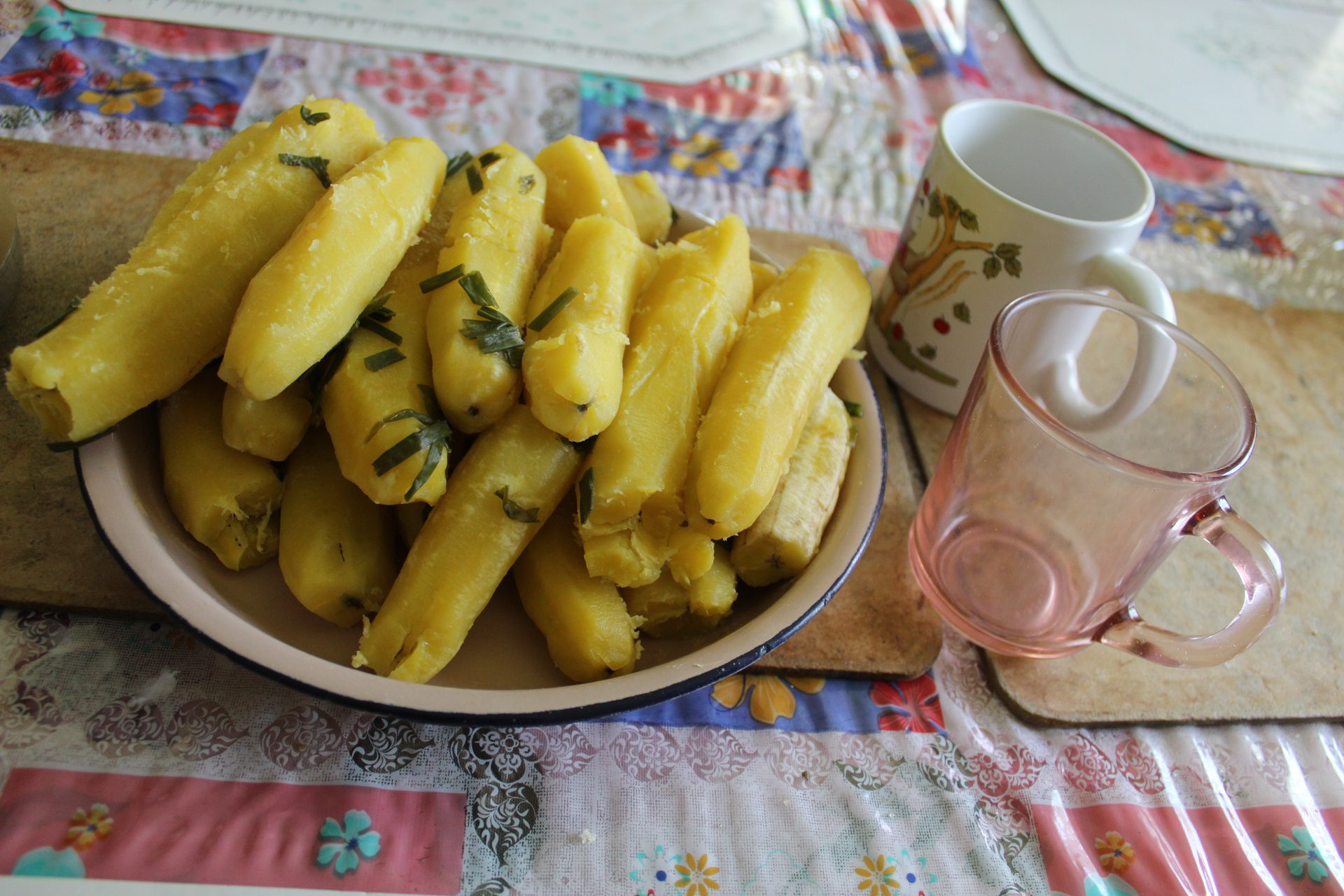
A traditional Kenyan breakfast rarely looks the same from one kitchen to the next, yet it almost always smells of spiced tea and fried dough drifting through a doorway before sunrise. Across Nairobi apartments, Swahili coast courtyards, and farming homesteads further inland, the first meal of the day still leans on recipes carried by Arab traders, British colonists, and generations of home cooks who adapted both to local grain and coconut.
Mandazi, chapati, and chai dominate most family tables, coastal households add mahamri to the mix, and communities that grow their own grain turn to sorghum, finger millet, and maize porridge for something heartier. This piece works through all six, alongside the other traditional breakfast dishes that share similar roots, and explains where each one came from and how it still gets served today. Readers curious about other African breakfast traditions will spot a few shared ingredients, though Kenya’s morning table is distinctly its own.
1. Mandazi
Mandazi is the dish most people picture first when they think of a traditional Kenyan breakfast. Mandazi is a form of fried bread that originated on the Swahili coast of East Africa. It is one of the principal dishes in the cuisine of the Swahili people who inhabit the coastal region of Kenya and Tanzania.
Its roots trace back centuries of maritime trade. Arab, Persian, Indian, and later Portuguese merchants passed through ports like Mombasa, Zanzibar, and Kilwa, and Arab traders brought a tradition of fried spiced doughs that Swahili cooks adopted and reshaped with local ingredients, according to Devine Dishes . Coconut palms were abundant along the coast, and cardamom was already a staple spice from Indian trade routes.
Most home recipes still lean on those same flavors. The dough is typically made from flour, coconut milk, and sugar, with cardamom the most common spice, and cardamom-laced mandazi is often paired with a mug of milky spiced chai, a pairing that became a staple East African dish as Indian traders settled in Kenya, Uganda, and Tanzania under British colonial rule, notes Sanjana Feasts . The finished bread is typically less sweet than a Western-style doughnut and is most often shaped into triangles, though circles and ovals are common too.
Pro Tip: Fry only a few mandazi at a time. Overcrowding the pan drops the oil temperature fast and leaves the dough greasy instead of golden.
Many cooks pair mandazi with a side of beans or a cup of tea rather than eating it alone, a habit that echoes the same spice-trade influence visible in South Asian breakfast cooking that shaped the dish in the first place.
2. Chapati
Chapati on a Kenyan plate looks closer to a laminated flatbread than the thin roti it borrowed its name from. Cooks roll the dough with ghee or oil folded between layers before cooking it on a flat pan, which produces a flaky bread that pulls apart in sheets rather than tearing like a plain tortilla. The style arrived with South Asian traders and laborers who settled along the coast and later the railway corridor inland, and it eventually became a dish Kenyan families consider their own rather than a loan from elsewhere.
In Nairobi and other towns, chapati paired with scrambled eggs, known locally as mayai, is a common weekday breakfast that fits into a half-hour before work or school starts. In rural homes it tends to show up more on weekends, served with sweet tea or a bowl of beans, since the rolling and resting takes longer than most weekday mornings allow. The layered texture means leftover chapati reheats well in a dry pan the next day, which keeps it practical for larger households.
Chapati’s spread beyond the coast mirrors the same South Asian influence found in other ghee-laminated flatbread traditions, where folded dough plays the same role on the breakfast table that it does in Kenya.
3. Chai
No traditional Kenyan breakfast feels complete without a cup of chai, and in most households it appears more than once a day. Tea was introduced to Kenya by British colonists in the early twentieth century, but Kenyans made it entirely their own. The British brought the first plants to the region during colonial rule in the early 1900s, with Kenya’s earliest tea grown around Limuru near 1903.
Rather than steeping tea bags in water the British way, Kenyan chai is boiled directly in a mixture of milk and water with aromatic spices, a technique influenced by Indian chai traditions, explains The Culinary Codex . The result is a richer, more flavorful brew that has become the national beverage, consumed multiple times daily across all social classes.
Kenyan chai is typically strong, milky, and sweet, with chai ya tangawizi — brewed with fresh ginger — among the most popular versions, while cloves, cardamom, cinnamon, and black pepper appear depending on the region or occasion. The ginger-forward version simmers strong black tea leaves with crushed fresh ginger, cinnamon, cardamom, cloves, and sugar before milk goes in, according to Tara’s Multicultural Table .
| Region | Typical Ingredients | Character |
|---|---|---|
| Kenya, general | Black tea, milk, sugar, ginger, cardamom, cloves | Strong, milky, lightly spiced |
| Kenyan coast (Swahili) | Black tea, cardamom, cinnamon, ginger, coconut milk | Creamy with tropical notes |
| Tanzania and Zanzibar | Black tea, cloves, cinnamon, cardamom, ginger | Intensely spiced |
The general Kenyan style favors strong, milky tea, the coast leans on coconut milk and cinnamon, and the Tanzanian side pushes cloves and cardamom further.
Tea growing became more than a breakfast ingredient. Kenya has long ranked among the world’s largest tea exporters — All Things Kenyan notes the country ships more tea abroad than Sri Lanka, India, and China — which is part of why the drink carries as much national pride as comfort. The same milk-and-spice approach sits in the same family as other milk-forward tea traditions in Asia and offers a spicier counterpoint to simpler infusions found in other African beverage customs.
Pro Tip: Add sugar while the water is still simmering rather than at the end. It dissolves fully and balances the ginger’s bite better than stirring it in last.
4. Mahamri
Mahamri is mandazi’s coastal cousin, and in some households the two names get used almost interchangeably. The dish is also known as mahamri or mamri specifically when it is made with coconut milk, which gives it a softer crumb and a faint sweetness that plain mandazi usually lacks.
Coconut is not incidental to the recipe. Coconut palms grew in abundance along the Swahili coast, and cardamom arrived early through Indian trade routes, so coastal cooks had both ingredients close at hand long before mahamri became a dish with its own name. The dough also rests longer than standard mandazi dough, often overnight, which lets the coconut milk work through the flour and produces a puffier, almost bread-like texture.
On the coast, mahamri rarely appears alone at breakfast. It is usually paired with a bean or black-eyed pea stew cooked in coconut sauce, a combination that turns simple fried bread into a filling meal before a long day of fishing or farmwork.
5. Sorghum, Finger Millet and Maize Porridge
Away from the coast, many Kenyan breakfasts lean on porridge rather than fried dough. Sorghum (Sorghum bicolor) and finger millet (Eleusine coracana) are drought-tolerant cereals that fed communities across the Rift Valley and western Kenya long before maize (Zea mays) became widespread, and many families still blend all three grains into a single breakfast porridge commonly called uji.
The grains are dried, milled into flour, and often left to ferment overnight before cooking, which gives the porridge a faintly sour note that balances its natural starchiness. Fermentation also makes the grain’s nutrients easier to absorb, part of why uji remains a favorite for children, older family members, and anyone recovering from illness. In many rural homes it is still served warm in a halved calabash gourd rather than a modern bowl.
| Grain | Growing Conditions | Flavor in Porridge |
|---|---|---|
| Sorghum | Highly drought-tolerant; common in drier regions | Earthy, slightly nutty |
| Finger millet | Thrives in poor soils; high-altitude areas | Mild, slightly sweet |
| Maize | Widely cultivated across most regions | Smooth, mild, neutral base |
Families who grow their own grain or keep livestock often favor this blended porridge over a single-grain version because it uses whatever surplus flour is on hand that season. It fills a similar role to other one-pot staples built around stored grain, just suited to morning rather than dinner.
Key Insight: The fermentation step is what separates traditional uji from a quick modern porridge. It takes longer to prepare but gives the finished dish a tangy depth that fresh-cooked flour alone cannot reproduce.
6. Maize Flour Porridge
When a household has only maize flour on hand, breakfast porridge becomes a simpler, single-grain dish. Unlike the fermented three-grain uji, maize flour porridge is usually cooked fresh each morning by stirring the flour into boiling water or milk until it thickens into a smooth, pourable consistency, closer to a thin pudding than a solid meal.
Preparation varies by household and by what is affordable that week. Some families cook it in water and finish with a splash of milk once it is off the heat; others use milk throughout for a richer result. Common additions include:
- Sugar or honey, stirred in just before serving
- A squeeze of lemon juice for a lighter, tangier flavor
- A spoonful of peanut butter for extra protein
- Ground cinnamon or ginger on cooler mornings
Because it cooks quickly and needs only one ingredient beyond water, maize flour porridge is often the breakfast made on busy school mornings when there is no time for mandazi dough to rise or chapati to rest. It plays a similar role to the quick grain porridges served for breakfast across parts of Southeast Asia, where a simple starch base gets dressed up differently depending on the household.
Important Note: Recipes for maize flour porridge vary widely by region and household, so exact ratios of flour to water are best treated as a starting point rather than a fixed rule.
Put mandazi, chapati, chai, mahamri, and the two porridges on the same table and a pattern appears: a traditional Kenyan breakfast is really a record of trade routes, colonial history, and whichever grain grew well in a given region. Coastal households lean on coconut and cardamom left behind by Arab and Indian traders, tea culture carries a British colonial footprint that Kenyans reshaped into something distinctly their own, and inland communities still turn to the sorghum, millet, and maize that sustained them long before any outside influence arrived.
Trying more than one of these dishes in a single sitting, as many Kenyan families already do, is the simplest way to taste that history directly. Readers curious how other countries build their first meal around similarly local ingredients may also enjoy a look at Japan’s traditional breakfast, which leans on an entirely different pantry but tells a comparable story of place and history.