10 Traditional Texas Breakfast Dishes Every Local Swears By

October 19, 2026
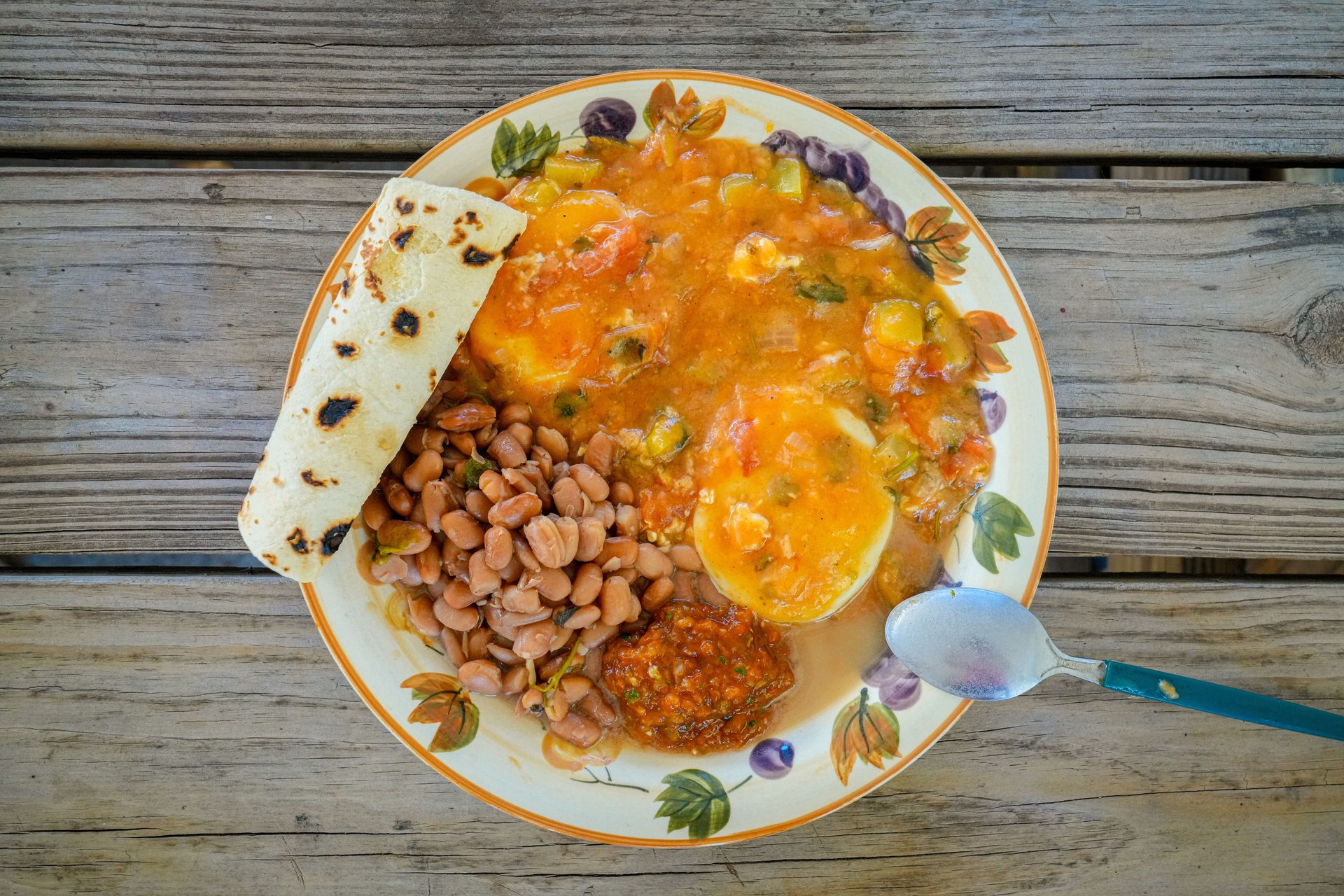
A traditional Texas breakfast rarely starts with plain eggs and toast. It is just as likely to begin with a flour tortilla wrapped around brisket, a fried pastry with roots in a Moravian farm kitchen, or a skillet of cornmeal mush that traveled north from a Louisiana bayou. Few American states pack so many distinct immigrant food traditions into a single morning meal.
That mix is no accident. Czech farmers, German butchers, Mexican ranch cooks, and Cajun families all settled different corners of Texas, and each group left its fingerprints on the breakfast table. The result is a morning spread that changes character depending on which part of the state — or which grandmother’s kitchen — a visitor happens to land in.
The ten dishes below are the backbone of that spread. Some trace back more than a century; others are newer fusions built from older traditions. Together, they explain why Texans tend to get defensive when someone suggests breakfast is just bacon and eggs.
| Dish | Cultural Origin | Signature Ingredient |
|---|---|---|
| Biscuits and Gravy | Southern farmhouse cooking | Sausage-flecked white gravy |
| Chicken Fried Steak | German and Southern ranch cooking | Tenderized, breaded cube steak |
| Breakfast Tacos | Tejano and Mexican-American | Flour or corn tortilla |
| Kolaches | Czech immigrant communities | Yeasted dough with fruit or sausage filling |
| Migas | Tex-Mex home cooking | Fried tortilla strips and eggs |
| Sausage and Grits | German-Texan and Southern | Coarse-ground corn grits |
| Pecan Pancakes | Southern baking with a Texas pecan twist | Toasted pecans |
| Huevos Rancheros | Ranch-style Mexican cooking | Fried eggs over salsa-topped tortillas |
| Pecan Praline Rolls | Gulf Coast confectionery | Brown sugar and pecan glaze |
| Cajun Coush-Coush | Acadian and Cajun Louisiana | Fried cornmeal |
Each entry below covers where the dish came from, what sets it apart from its cousins in other regions, and why it earned a permanent spot on Texas breakfast menus. This is Texas food at its most honest: practical, regional, and built to feed people who have a full day of work ahead of them, a theme that runs through a lot of breakfast traditions worldwide.
1. Biscuits and Gravy
Biscuits and gravy is the dish most visitors expect when they hear “traditional Texas breakfast,” and it earns the reputation. The base is simple: a soft, flaky biscuit split open and smothered in a white pepper gravy built from pork sausage drippings, flour, and milk. The dish traveled to Texas with settlers from the broader American South, where cheap, filling breakfasts were a practical necessity on working farms.
What varies from kitchen to kitchen is the sausage. Some East Texas diners lean on a peppery, coarse-ground country sausage, while German-settled communities in the Hill Country sometimes swap in a smokier regional link. The gravy itself ranges from thin and milky to thick enough to stand a biscuit upright in it.
Biscuits and gravy also shows up as a side dish rather than the main event, often plated next to eggs and bacon for a heartier spread similar to the kind of filling morning menu found in many hearty breakfast spreads built for celebration mornings. Either way, the dish stays unapologetically rich.
Pro Tip: For gravy that doesn’t turn gluey, whisk the flour into the hot drippings before adding any liquid, and add the milk gradually while stirring constantly.
2. Chicken Fried Steak
Chicken fried steak takes a tougher, less expensive cut of beef, tenderizes it until it is thin and pliable, then batters and fries it the way a cook might fry chicken — hence the name. It gets topped with the same style of peppery white gravy used on biscuits, and it frequently shows up on breakfast plates alongside eggs and hash browns rather than as a standalone lunch or dinner item.
The dish owes its existence to German and Czech immigrant butchers who settled in Central Texas in the 19th century and brought schnitzel-style breading techniques with them. Those techniques merged with Southern frying traditions and cheap ranch beef to create something distinctly Texan. It became so associated with the state that the Texas Legislature designated it the official state dish in 2011.
Modern diners and chain restaurants built entire reputations on the dish, and it remains one of the few breakfast items a visitor can order confidently at a Texas Roadhouse-style steakhouse and still get a version close to the original. Home cooks usually pound the steak with a meat mallet or the edge of a plate until it is roughly a quarter-inch thick before dredging it in seasoned flour.
3. Breakfast Tacos
Breakfast tacos take whatever a Texas kitchen has on hand — eggs, potatoes, bacon, chorizo, cheese, beans — and wrap it in a warm flour or corn tortilla. The dish grew out of Tejano and Mexican-American home cooking in South and Central Texas, where tortillas already stood in for bread at nearly every meal.
Austin and San Antonio both claim credit for popularizing the breakfast taco as a commercial menu item, and the rivalry between the two cities over bragging rights has become its own piece of local folklore. Regardless of which city gets the credit, the format spread statewide by the late 20th century and now anchors breakfast menus from gas station counters to sit-down restaurants.
Fillings tend to follow a few reliable patterns:
- Egg and potato, often called “papas con huevos”
- Bacon, egg, and cheese
- Chorizo and egg, usually with a sharper, spiced bite
- Migas-style tortilla strips folded into the taco itself
Many Texas towns build entire weekend events around the dish, a tradition that lines up with the broader calendar of Texas food festivals that celebrate regional specialties.
4. Kolaches
Kolaches are proof that a 19th-century immigration wave can still shape what a modern Texan eats on a Tuesday morning. Atlas Obscura notes that non-Texans may be surprised to learn that the Lone Star State has the largest population of Czech-Americans in the United States, and that population growth tracked closely with the pastry’s rise. Czech families began settling Central Texas farming communities in the 1800s, and they carried their baking traditions with them.
In their original Czech form, kolaches were fruit-filled pastries closer to a large thumbprint cookie. According to Fox News , in the early 19th century the first Czechs made their way to Texas, and by the Civil War there were 700 Czechs living in the state, with Czech immigration rapidly increasing around 1910, when there were 15,074 foreign-born Czechs in Texas. That population built the churches, bakeries, and festival circuits that kept the pastry alive.
Texas kitchens eventually stuffed the dough with sausage, cheese, and jalapeño rather than only fruit, creating a savory variation that is technically a different pastry called a klobásník, even though most Texans still just call it a kolache. The Dallas Morning News traces much of that commercial growth to the town of West, Texas, which still bills itself as the Czech Heritage Capital of Texas.
Key Insight: A true fruit or cheese kolache and a sausage-stuffed klobásník are technically different pastries, but in everyday Texas conversation, both just get called a kolache.
5. Migas
Migas solves a problem cooks everywhere eventually face: what to do with tortillas that have gone stale. Day-old corn tortillas get cut into strips and fried crisp, then scrambled together with eggs, onions, tomatoes, jalapeños, and melted cheese. The result is a texture-driven dish where crunchy tortilla pieces sit against soft, custardy egg.
The word “migas” translates roughly to “crumbs” in Spanish, a nod to the dish’s origin as a way to use up leftover bread or tortillas rather than waste them. This pattern of stretching humble pantry staples into a satisfying breakfast is not unique to Texas; it shows up in regional breakfast traditions worldwide, including the layered pastry dishes found across Greek and wider Mediterranean cooking, where stale bread and cheese scraps often become the base of a morning meal.
Austin-area Tex-Mex restaurants are usually credited with popularizing migas as a standalone restaurant item rather than a home-kitchen fix, and the dish now appears with regional variations — some versions fold in refried beans, others serve it open-faced over a tortilla instead of scrambled together.
6. Sausage and Grits
Sausage and grits pairs coarse-ground corn grits, simmered slow in water or milk until creamy, with a side of pan-fried breakfast sausage. The combination traces back to Southern farm cooking, where corn was cheap, plentiful, and easy to store through winter, making grits a practical daily staple long before they became a diner menu fixture.
Texas adds its own twist through the German and Czech sausage-making traditions that took root in the Hill Country during the 19th century. Immigrant butchers brought smoking and curing techniques that produced denser, more heavily spiced links than the typical Southern breakfast sausage, and those links eventually worked their way onto grits plates across Central Texas.
That European sausage-making influence is not isolated to breakfast tables, either. It echoes the kind of hearty, one-pot cooking found in traditional German stew recipes that German-Texan families also carried into their new home. Grits themselves stay fairly neutral in flavor, which is exactly why cooks load them with butter, cheese, or sausage drippings rather than serving them plain.
7. Pecan Pancakes
Pecan pancakes take a standard buttermilk pancake batter and fold in toasted pecans, giving the stack a nutty crunch and a slightly caramelized edge where the nuts meet the hot griddle. The pecan tree is Texas’s official state tree, and pecan orchards across the central and eastern parts of the state have supplied bakeries and home kitchens for generations.
Pancakes themselves are not unique to Texas — griddle-cooked batter cakes show up in dozens of culinary traditions, including the thin, crepe-style versions rooted in traditional French cooking that German settlers in Fredericksburg and New Braunfels adapted into their own regional pancake style. What makes the Texas version distinct is the deliberate use of a homegrown nut to anchor the dish to the local landscape.
Restaurants in Central Texas often serve pecan pancakes with a warm butter-pecan syrup instead of plain maple, intensifying the nutty flavor rather than masking it. Some versions toast the pecans separately before folding them in, which keeps the nuts crisp instead of letting them steam soft inside the batter.
Pro Tip: Toast pecans in a dry skillet for two to three minutes before adding them to pancake batter — it deepens the flavor and keeps the nuts from turning soggy once the batter hits the griddle.
8. Huevos Rancheros
Huevos rancheros, literally “ranch eggs,” started as a working breakfast for Mexican ranch hands who needed a filling meal before a full day of fieldwork. Fried eggs sit on top of lightly fried corn tortillas, covered in a warm tomato-and-chile salsa, and often garnished with crumbled cheese, avocado, or refried beans on the side.
The dish crossed into Texas alongside decades of cross-border ranching and migration, and it became a staple of Tex-Mex diners well before “Tex-Mex” was a widely recognized culinary category. Houston’s long-running H&H restaurant built part of its reputation on a traditional version of the plate, served alongside potatoes in the style locals have favored for decades.
The balance between the runny yolk, the acidic salsa, and the crisp-edged tortilla is the dish’s defining trait. This layering of spiced sauce over a starch base shows up in egg dishes well beyond Texas, including the chile- and spice-forward egg preparations found in parts of traditional Indian cooking, where bold spicing plays a similarly central role in the morning meal.
9. Pecan Praline Rolls
Pecan praline rolls combine two distinct Gulf Coast traditions: the yeasted cinnamon roll and the pecan praline, a brown-sugar-and-cream candy with French-Creole roots in Louisiana that spread west into East Texas. Instead of a plain icing, the rolls get topped with a warm praline glaze made from butter, brown sugar, cream, and chopped pecans.
The result is sweeter and stickier than a standard cinnamon roll, closer to a dessert than a typical breakfast pastry, which is exactly why it tends to show up on weekend brunch menus rather than everyday morning spreads. Bakeries across Texas often serve the rolls warm enough that the praline topping stays slightly molten.
The use of local pecans to build a signature confection is not an isolated culinary habit — plenty of regional food cultures turn a native nut or grain into a defining sweet, a pattern echoed in some of the honey- and nut-based desserts found in South African cooking traditions built around locally grown ingredients.
10. Cajun Coush-Coush
Cajun coush-coush is cornmeal’s answer to grits, fried in a cast-iron skillet with bacon drippings until a light crust forms on the bottom, then stirred so the crisp bits scatter through the softer cornmeal underneath. It gets served as a breakfast cereal, usually with milk, cane syrup, or both poured over the top.
The dish arrived in East Texas through Louisiana families who migrated west for oil rig work in the early 1900s. Garden & Gun reports that oil rig jobs in the 1900s drew Louisiana families to the southeastern corner of Texas known as the “Golden Triangle,” and they brought their foodways with them, including this cornmeal cousin to grits, made savory with bacon grease and sweet with cane syrup.
The name itself has a layered history. According to Real Cajun Recipes , coush-coush is believed to have African and Native American influences, adapted by the Acadians when they settled in Louisiana, originally as a peasant breakfast dish made from simple pantry staples. The word traces back to the North African dish couscous, carried into the Cajun kitchen through a long chain of cultural exchange.
Important Note: Coush-coush, cush-cush, and couche-couche all refer to the same dish. The spelling varies by region and household, not by recipe.
Despite the Louisiana roots, the dish earned a permanent place on breakfast tables in the Golden Triangle counties of East Texas, where it’s still served the same simple way it has been for generations — fried, broken up, and eaten warm with whatever sweetener happens to be on hand.
Texas breakfast, like regional breakfast traditions everywhere, carries the fingerprints of the people who settled the land — Czech bakers, German butchers, Cajun farmers, and Tejano cooks. The same cultural layering shows up far from the Gulf Coast: Albanian food culture builds its morning table around dishes like byrek and olives, while a traditional Balkan breakfast might center on a warm trahana soup instead of biscuits. Looking at authentic Albanian recipes or browsing Albanian breakfast dishes side by side with a Texas spread turns up the same lesson, echoed in dishes documented in traditional Japanese breakfast and traditional Egyptian food traditions as well: breakfast is where a region’s history ends up on a plate.
That is the real throughline connecting all ten dishes above. None of them were invented in a test kitchen or dreamed up by a marketing team. Each one solved a practical problem for a specific group of people — stretching a stale tortilla, using up cheap cuts of beef, turning a native nut into a signature treat — and the solutions stuck around because they worked. Anyone building a weekend menu around traditional Texas breakfast food has ten proven, century-tested places to start.