Can You Freeze Nacho Chips? What Actually Happens and How to Do It Right

May 4, 2026
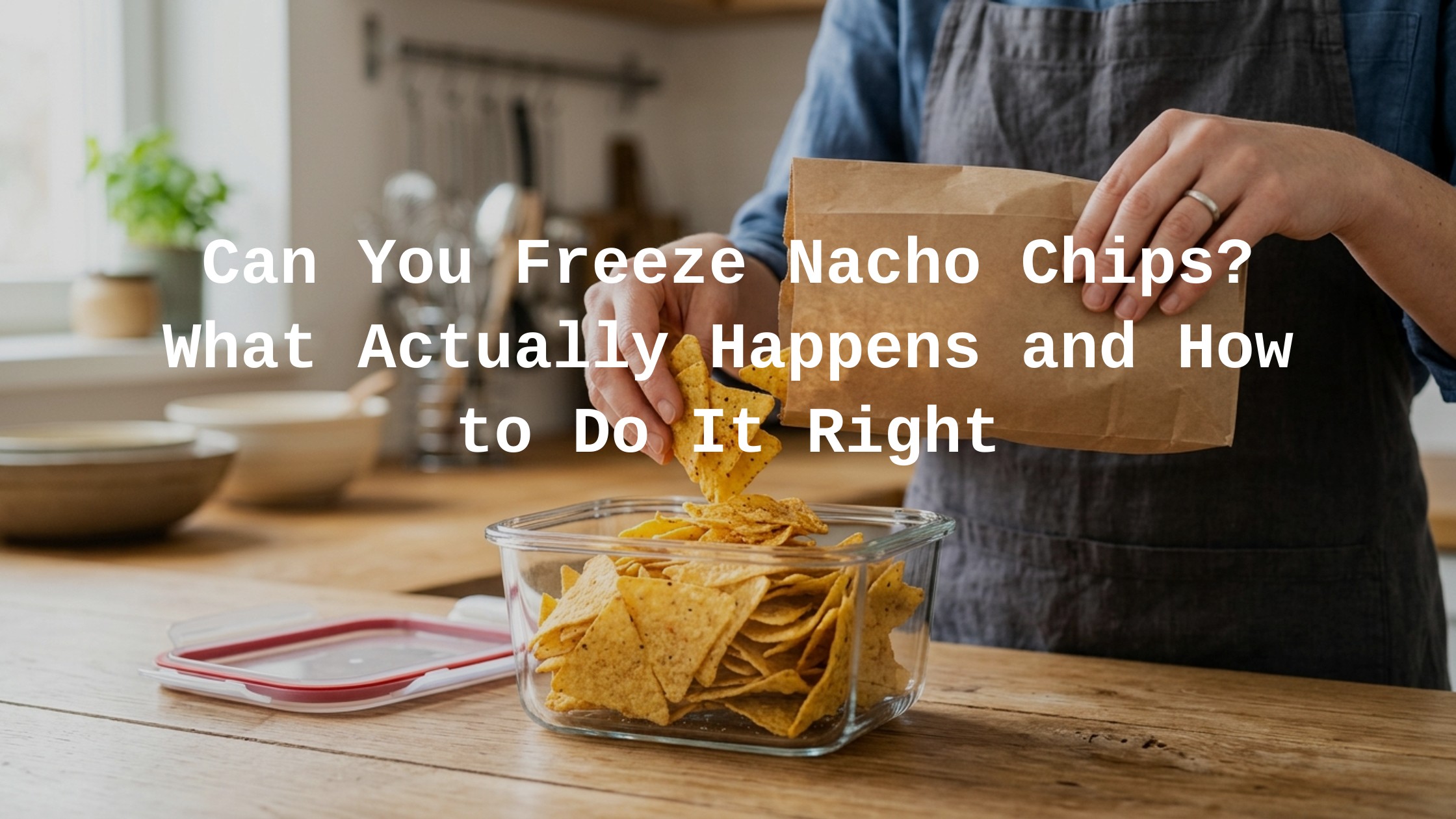
You’ve got a half-eaten bag of nacho chips, a big party-size bag you bought in bulk, or a pile of leftover tortilla chips from last night’s movie snack spread — and now you’re wondering whether the freezer can save them. It’s a surprisingly common question, and the answer is more nuanced than a simple yes or no.
Freezing nacho chips is possible, but there are real trade-offs you need to understand before you toss that bag in the freezer. This guide walks you through everything: what freezing does to the texture and taste, how to freeze chips the right way, how long they last, and the best ways to bring them back to life after thawing.
You Can Freeze Nacho Chips — Here’s What to Know First
The short version: yes, you can freeze nacho chips — but with some important caveats. Tortilla chips can be frozen, although there is a risk that it will change their texture. The best way to mitigate these changes is to follow the preservation guidelines for freezing tortilla chips.
Here’s the key distinction that most people miss: there’s a big difference between freezing plain, untopped nacho chips and freezing fully assembled nachos loaded with cheese, salsa, and sour cream.
- Plain nacho chips (tortilla chips): These freeze reasonably well when stored correctly in an airtight bag with as little air as possible.
- Fully assembled nachos: You cannot freeze leftover nachos. The toppings and chips will become soggy and lose their texture once frozen.
- Nacho components separately: You can’t freeze leftover nachos successfully, but you can freeze the tortilla chips, shredded cheese, and cooked meats or beans separately, so they’re ready to throw together when you fancy some nachos.
Pro Tip: Think of freezing as a tool for individual components, not finished nachos. Freeze your chips separately, your cooked toppings separately, and assemble fresh when you’re ready to eat.
If you’re dealing with a big bag of store-bought tortilla chips you want to preserve, or homemade chips you made in a large batch, freezing is a legitimate option. Just go in knowing that some texture change is part of the deal — and that you can largely recover it with the right reheating method. You can also learn more about types of food preservatives and how they affect shelf life in packaged snacks.
Can You Freeze Nacho Chips? The Short Answer
Freezing tortilla chips is a great way to keep them fresh. That said, the results depend heavily on how you package them and how long you keep them frozen.
For long-term preservation, freezing tortilla chips is an effective method. You should place the chips in a freezer-safe bag or container, ensuring as much air as possible is removed. Chips can typically last for 2–3 months in the freezer while maintaining quality.
One reassuring fact: the tortilla chips will be ready to eat as soon as you take them out of the freezer. Because they don’t contain any moisture, the chips won’t actually freeze solid. They just get really cold. This means there’s no lengthy thawing process required — a major convenience compared to freezing other foods.
Key Insight: Nacho chips don’t freeze solid the way water-based foods do. Their low moisture content means they stay pliable in the freezer, which is why they come out usable almost immediately after removal.
The bottom line: freezing nacho chips works, and it’s far better than letting them go stale in an open bag on the counter. The catch is that you need to be prepared for a slight softening in texture — something that’s easily fixed with a quick trip to the oven or air fryer.
Does Freezing Change the Texture or Taste of Nacho Chips?
Honestly, yes — but not dramatically if you freeze them correctly. Freezing tortilla chips can affect their texture. They become softer, and they also lose some of their crispness.
The good news is that this softening is largely reversible. Some people freeze tortilla chips to extend their life. While freezing keeps them safe for months, chips may lose crispness once thawed unless reheated in an oven.
Taste-wise, the flavor of the chips tends to hold up better than the texture. The main flavor risks come from two sources:
- Freezer burn: If chips aren’t sealed properly, air exposure causes the oils to oxidize, leading to a stale or rancid flavor.
- Absorbed odors: Chips stored in a loosely sealed bag can pick up smells from other freezer items.
While freezing tortilla chips can help maintain their quality, it’s important to note that freezing may change the texture slightly. The chips may become slightly softer upon thawing but should still be enjoyable for snacking or dipping.
Common Mistake: Freezing chips in their original bag without removing excess air. The original packaging isn’t designed for freezer storage, and trapped air accelerates freezer burn and staleness.
If you’re freezing chips specifically to use as a topping for soups, chilis, or casseroles rather than straight snacking, texture matters even less. Putting corn tortilla chips in an airtight bag in the freezer and sampling one a few days later — still crunchy and fresh! Since many people love using tortilla chips as garnishes for soups and chilis, this tip is great for always having some around.
How to Freeze Nacho Chips the Right Way
The difference between chips that come out of the freezer still enjoyable and chips that turn into a soggy, stale mess comes down almost entirely to how you package them. Follow these steps for the best results.
- Choose the right bag. Freezing tortilla chips is a great way to keep them fresh. Put the tortilla chips in a Ziploc bag and remove as much air from the bag as possible (without crushing the chips). A thick freezer bag works better than a standard zip-lock because it’s less likely to develop pinholes from the chip edges.
- Remove as much air as possible. Try to leave as little air inside the bag as possible so your tortilla chips will freeze with a crispy texture instead of becoming soggy and limp. You can use a straw to suck out the remaining air before sealing, or invest in a vacuum sealer for even better results.
- Don’t overfill the bag. Overpacking leads to crushed chips and uneven freezing. Fill each bag to about two-thirds capacity so the chips have a little room.
- Label and date the bag. Don’t forget to label the bags to avoid confusion as to what is frozen inside them. Label the bag with its name and the date that you froze it, so you know how long they have been in your freezer.
- Find a safe spot in the freezer. Put the properly packaged tortilla chips in the freezer as soon as possible. Find a suitable spot where the chips won’t be crushed or damaged by other items in the freezer.
Pro Tip: If you buy chips in bulk (like a large Costco bag), divide them into two or three smaller freezer bags as soon as you open the big bag. Use one portion right away and freeze the rest. This way, each portion stays fresh and you’re not repeatedly opening and exposing the same bag to air.
For homemade nacho chips, make sure they’re completely cool before bagging them. Warm chips release steam inside the bag, which creates moisture that destroys their crunch. Understanding different types of food and their moisture content can help you make smarter storage decisions across the board.
How Long Can You Freeze Nacho Chips?
The consensus among food storage experts is that nacho chips maintain their best quality in the freezer for about two to three months. They will last about two to three months in the freezer, although their texture starts to suffer after a few weeks.
If you follow all the proper tips, you may freeze the tortilla chips for 2 or 3 months. However, it is recommended to consume before two months because, after this time, their consistency will change no matter how well stored they are.
Here’s a quick reference for nacho chip storage timelines:
| Storage Method | Estimated Freshness Window | Notes |
|---|---|---|
| Unopened bag at room temperature | 2–3 months past printed date | Nitrogen-flushed bags may last up to 6 months |
| Opened bag at room temperature | 1–2 weeks (resealed) | Best within the first week |
| Freezer (airtight bag) | 2–3 months | Consume within 2 months for best texture |
| Refrigerator | Not recommended | Cold moisture softens chips quickly |
Note that best-by dates on tortilla chip packages indicate peak quality, not safety. Chips often remain edible beyond this date if properly stored. The same principle applies to frozen chips — they may be technically safe past the three-month mark, but the quality won’t be worth it.
For more context on how food preservation timelines work across different types of packaged foods, check out this guide to convenience food and how commercial processing affects shelf life.
How to Thaw Frozen Nacho Chips
Thawing frozen nacho chips is one of the easiest parts of this whole process, thanks to their low moisture content. You have two main options:
Option 1: Room temperature thawing (fastest for plain snacking)
To defrost, take out the bag with frozen chips and leave them on the countertop at room temperature for an hour or two. This is the quickest method and works well if you plan to eat the chips as-is or use them as a topping.
Option 2: Refrigerator thawing (gentler, better for larger batches)
You can also transfer them to the fridge. Although thawing would take 12 hours or more, that’s why you should leave it there overnight.
When you’re ready to enjoy the tortilla chips, remove them from the freezer and thaw them at room temperature. Avoid using heat or high temperatures for thawing, as this may cause the chips to become soggy.
Important Note: Don’t thaw chips inside a sealed bag if they’re going into the oven next. Open the bag before re-crisping so moisture can escape. Trapping steam is what makes chips soft and chewy rather than crunchy.
To use frozen chips, thaw them at room temperature before consumption to restore their original texture and prevent any sogginess. Once thawed, if the chips feel a little softer than you’d like, a few minutes in the oven or air fryer will bring back most of the crunch — see the next section for details on the best uses after freezing.
Can You Refreeze Nacho Chips After Thawing?
This is where you want to be careful. Refreezing nacho chips after they’ve been thawed is technically possible but not recommended, and here’s why.
Each freeze-thaw cycle introduces more moisture into the chips and accelerates the breakdown of their crispy structure. Just be sure you aren’t planning on freezing these tortillas again after they have been defrosted.
The practical solution is to freeze chips in smaller, portion-sized bags from the start. That way, you only pull out what you need and never have to worry about refreezing the rest. Think of it the same way you’d handle frozen food shipping — portion control and proper sealing are everything.
Common Mistake: Thawing the entire bag, eating half, and putting the rest back in the freezer. Instead, divide chips into single-serving portions before freezing so you always pull out exactly what you need.
If you’ve thawed chips at room temperature and they’ve been sitting out for more than two hours, don’t refreeze them — just use them up or discard them. Once thawed, it’s best to consume the tortilla chips within a reasonable time frame to enjoy their optimal flavor and texture.
How to Use Frozen Nacho Chips (Best Uses After Freezing)
Once your chips come out of the freezer, you have more options than just eating them straight. In fact, some uses actually benefit from the slightly softer post-freeze texture.
Re-crisping for snacking or nachos
If you want chips that feel close to fresh, the oven or air fryer is your best friend. Spread chips evenly on a baking sheet. Toast in a preheated oven at 400°F (200°C) for 3 to 5 minutes. For the air fryer: place tortilla chips in an air fryer basket in a single layer. Heat at 300°F (150°C) for about 1.5 minutes. The hot circulating air removes excess moisture and quickly brings back the crunch.
Both methods are effective for reviving small batches of tortilla chips that have gone soft. For best results, only reheat what you plan to eat immediately, since chips may stale again if left exposed after re-crisping.
Building fresh nachos from frozen components
This is actually the smartest way to use frozen nacho chips. To make your nachos, all you need to do is defrost the toppings (in the fridge overnight or in the microwave). Assemble the dish and heat it! The chips go straight from the freezer onto the baking sheet, and you build your nachos fresh — no sogginess, no compromised toppings.
Soup and chili garnishes
Frozen chips work exceptionally well as garnishes for soups, chilis, and stews. The slight softening from freezing is a non-issue here because the chips are going to absorb some broth anyway. This is one of the best low-waste uses for frozen chips.
Crushed as a coating or topping
Thawed chips that have lost some crunch are perfect for crushing into a breadcrumb-style coating for baked chicken or fish, or as a crunchy topping for casseroles. Their corn flavor adds a nice dimension to savory dishes. You can explore more ideas in this guide to foods and their nutritional profiles when planning balanced meals around your snack ingredients.
Pro Tip: If you’re reheating assembled nachos (chips + cheese) from frozen, use the oven at 300°F (150°C). Line a baking tray with parchment paper and spread the nachos out on the tray. Add any extra ingredients you want at this point, such as more cheese. Place the tray of nachos in the oven and heat them until crisp (around 10–15 minutes, or 5 minutes in a toaster oven).
Signs That Frozen Nacho Chips Have Gone Bad
Knowing when to toss your frozen chips is just as important as knowing how to store them. Here are the key warning signs to watch for:
Smell
A sour, rancid, or musty odor signals that the oils in the chips have oxidized. This is the most reliable indicator that the chips are no longer good. Fresh tortilla chips should smell neutral and corn-like, not sharp or off-putting.
Appearance
Discoloration, unusual spots, or visible mold indicate spoilage. Also watch for signs of freezer burn — grayish-brown leathery spots indicate freezer burn. While freezer burn doesn’t make food unsafe, it can significantly affect quality.
Texture
It is possible that the chips may have begun to get limp and soft due to freezing them for too long. If the package has lost its crispness, then it is time to use those tortilla chips up or throw them away. Some softness after thawing is normal and fixable with heat — but chips that are excessively limp, chewy, or have an unusual mouthfeel even after re-crisping should be discarded.
Taste
Off flavors, such as bitterness or staleness, mean the chips are no longer enjoyable. If you bite into a chip and it tastes rancid or stale even after re-crisping, trust your palate and toss the rest of the batch.
| Sign | What It Means | Action |
|---|---|---|
| Rancid or musty smell | Oils have oxidized | Discard |
| Visible mold | Moisture contamination | Discard immediately |
| Grayish freezer burn spots | Air exposure, quality loss | Safe to eat, but quality is poor |
| Soft/chewy texture (after re-crisping) | Stored too long or improperly | Discard if re-crisping doesn’t help |
| Bitter or stale taste | Flavor degradation | Discard |
| Slightly soft (before re-crisping) | Normal post-freeze texture | Re-crisp in oven or air fryer |
Staleness is a quality issue, not a safety one. That’s an important reassurance — chips that are a little soft or stale aren’t dangerous, they’re just not enjoyable. The real red flags are mold, a strong rancid smell, or any signs of moisture contamination. Keeping an eye on your overall food storage habits — including understanding whole food storage principles — can help you minimize waste across your kitchen.
Frequently Asked Questions
Can you freeze store-bought nacho chips in the original bag?
You can, but it’s not ideal. The original packaging isn’t designed for freezer storage and won’t protect against freezer burn as effectively as a dedicated freezer bag. Transfer the chips to a thick zip-lock freezer bag, remove as much air as possible, and then freeze for best results.
Do homemade nacho chips freeze differently than store-bought?
Homemade tortilla chips have a shorter shelf life compared to commercially packaged ones. Fresh tortilla chips made from scratch generally last 2–3 days when stored in an airtight container at room temperature. In the freezer, homemade chips also tend to be more vulnerable to texture changes because they lack the preservatives and controlled production environment of commercial chips. Freeze them as soon as they’re fully cooled for the best outcome.
Can you freeze nacho chips with cheese already on them?
If you’re dealing with a chip-and-cheese base (no wet toppings), you can attempt to freeze it. If you must freeze them, place the chip/cheese base on a baking sheet in a single layer and flash-freeze for an hour. Then, transfer them to a freezer-safe bag. They can be stored for up to 2 months. Expect a texture change, and reheat directly from frozen in the oven.
Is it better to freeze or refrigerate nacho chips?
While it might seem logical to store tortilla chips in the fridge to maintain their freshness, it is not recommended. The cold temperature and moisture in the fridge can cause the chips to become damp and lose their crispness. If you need short-term storage (a few days), keep chips in an airtight container at room temperature. For longer storage, the freezer is a better option than the fridge.
How do you re-crisp nacho chips after freezing?
The oven and air fryer are your best options. For the oven, spread chips in a single layer on a baking sheet and toast at 400°F (200°C) for 3–5 minutes. For the air fryer, heat at 300°F (150°C) for about 1.5 minutes in a single layer. For best results, only reheat what you plan to eat immediately, since chips may stale again if left exposed after re-crisping.
Can you freeze nacho chips that have already gone a little stale?
You can, but freezing won’t reverse staleness — it will only pause further degradation. Stale tortilla chips can be rejuvenated to regain their original crunchiness using either an oven or a microwave. To refresh stale tortilla chips in the oven, preheat the oven to 375°F (190°C). Then, spread the chips in a single layer on a baking sheet, being careful not to overlap. Re-crisp them first, let them cool completely, then freeze for the best possible outcome.
What’s the best way to store nacho chips long-term without freezing?
Unopened tortilla chips generally maintain their best quality for 2 to 3 months past the printed date when stored in a cool, dry pantry. Once opened, tortilla chips lose freshness much more quickly. At room temperature, they typically stay crisp for 1 to 2 weeks if resealed tightly after each use. For long-term storage beyond that window, the freezer is your best bet. You can also explore how smart food storage choices connect to overall healthy eating habits.