Can You Eat Scallops While Pregnant? Here’s What You Need to Know

April 27, 2026
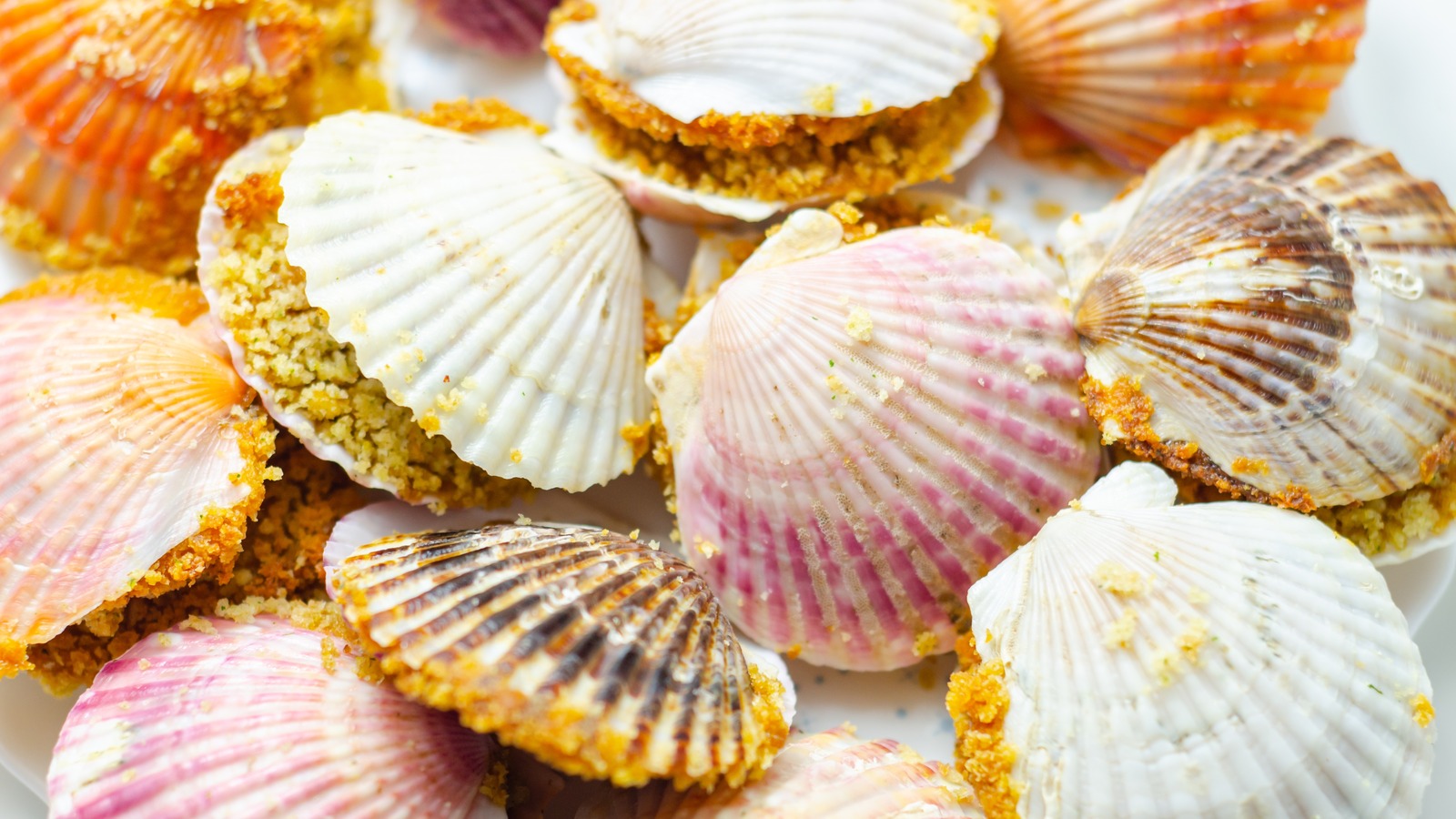
Scallops are one of those pregnancy food questions that seems like it should have a simple answer — and it does. You can absolutely eat scallops while pregnant, and they’re actually one of the better seafood choices you can make for both you and your baby.
The catch? How you eat them matters a lot. One version is completely safe and genuinely nutritious. The other version — raw or undercooked — is a hard no during pregnancy. This guide cuts through the confusion so you can enjoy scallops with zero second-guessing.
Important Note: This article is for informational purposes only and is not intended as medical advice. Always consult your OB-GYN or midwife before making changes to your pregnancy diet.
The Short Answer
Yes — fully cooked scallops are safe to eat during pregnancy. Scallops are a low-mercury source of protein that can be enjoyed freely during pregnancy as long as they are thoroughly cooked. That applies across all three trimesters.
The only version you need to avoid is raw or undercooked scallops. Don’t eat raw fish and shellfish. Examples of raw or undercooked foods to avoid include sushi, sashimi, ceviche, and raw oysters, scallops, or clams. Everything else — baked, grilled, broiled, or pan-seared until fully cooked through — is fair game.
The short version: cook them properly, stick to recommended serving amounts, and you’re in good shape. The rest of this guide gives you the details to do that confidently.
Why Scallops Are Safe During Pregnancy
The two biggest concerns with seafood during pregnancy are mercury levels and foodborne bacteria. Scallops score well on both counts — as long as they’re cooked.
Mercury is low. One of the primary concerns regarding seafood consumption during pregnancy is mercury exposure. High levels of mercury can be detrimental to the developing nervous system of the baby. Fortunately, scallops are considered low in mercury compared to larger, predatory fish such as shark, swordfish, and king mackerel. This makes scallops a safer seafood option for pregnant women when consumed in moderation.
They’re packed with pregnancy-friendly nutrients. According to the U.S. Food and Drug Administration, scallops are an ideal source of vitamins C and A, potassium, sodium, calcium, magnesium, and phosphorus. On top of that, a 3-ounce serving of scallops contains approximately 20 grams of protein. In addition to protein, scallops are rich in vital nutrients such as B vitamins, particularly vitamin B12, which is essential for the formation of red blood cells and proper neurological function.
Omega-3s support your baby’s development. Scallops contain omega-3 fatty acids, which are crucial for the development of your baby’s brain and nervous system. You can also check out the pros and cons of eating seafood for a broader look at how shellfish fits into a healthy diet.
Magnesium helps with common pregnancy symptoms. Scallops are a good source of magnesium. Magnesium in pregnancy can help with morning sickness, promote good sleep, improved bone health, and hydration levels.
Key Insight: Scallops are also a great source of iodine during pregnancy. Iodine is vital — severely low levels can lead to significant pregnancy complications, such as hypothyroidism. While the average adult needs 150 micrograms of iodine daily, that bumps to 220 for those who are pregnant. Good thing pregnancy-safe scallops are brimming with iodine.
What the Research Actually Says
Major health authorities are consistent on this topic: low-mercury shellfish like scallops are not just permitted during pregnancy — they’re encouraged as part of a balanced diet.
The Food and Drug Administration (FDA), the Environmental Protection Agency (EPA), and the Dietary Guidelines for Americans recommend that, in a week, pregnant people eat at least 8 ounces (224 grams) and up to 12 ounces (340 grams) of a variety of seafood lower in mercury. Scallops fall squarely in the “lower mercury” category.
Seafood, which includes fish and shellfish, can be a great source of protein, iron, and zinc — important nutrients for your baby’s growth and development. The omega-3 fatty acids in many fish, including docosahexaenoic acid (DHA), also can help with your baby’s brain development.
The research also dispels a common myth. A common myth is that all seafood is harmful during pregnancy. While some fish are high in mercury, scallops are low in mercury and safe when cooked. The concern is specifically with large, predatory fish — not shellfish like scallops.
Mercury can harm a developing baby’s brain. But eating average amounts of seafood containing low levels of mercury during pregnancy hasn’t been shown to cause problems. And the omega-3 fatty acids in many types of fish can promote a baby’s healthy brain development. As long as you avoid fish known to be high in mercury or contaminated with pollutants, seafood can be a regular part of your healthy-eating plan during pregnancy.
Registered dietitians agree. Beth Ferguson, MS, RDN, IBCLC, a registered dietitian and board-certified lactation consultant, recommends cooked shellfish such as shrimp, oysters, clams, mussels, and scallops, since cooking lowers the risk of foodborne illness. For more on foods and beverages to avoid during pregnancy, it’s worth reviewing what the guidelines actually say versus the myths that get passed around.
How to Eat Scallops Safely During Pregnancy
The rules are simple, and once you know them, you can enjoy scallops throughout your whole pregnancy with confidence. Here’s exactly what to do.
Cook Them All the Way Through
This is the non-negotiable. It is safe to eat scallops during pregnancy if they are well cooked — cooking them to 145 degrees Fahrenheit should make them safe to eat. Visually, you’re looking for scallops that are fully opaque and firm. Cook shrimp, lobster, and scallops until they’re milky white.
The tricky part? Classic pan-seared scallops are often intentionally left raw in the center for flavor. When you cook pan-seared scallops, they are only cooked at a high temperature for around 90 seconds. Though this gives them a nice brown on the outside, they are still creamy and essentially raw on the inside. In fact, most restaurants will leave the center of scallops totally raw to improve the flavor. During pregnancy, that’s not safe.
If you are at a restaurant, request that your scallops be fully cooked. If you are pan searing your scallops at home, leave them in the frying pan for four minutes, two for each side.
Buy Fresh and Eat the Same Day
Scallops are sold either dry or wet-packed in the United States. However, dry-packed scallops are healthier to eat and are not as chemical-filled as wet-packed scallops. When you’re in the store buying scallops, make sure they aren’t shredded or excessively dry looking. Ideally, the scallop flesh should look firm with a solid white color.
Make sure you buy your scallops fresh and eat them on the day of purchase. Prior to cooking scallops, it is always a good idea to run them under a cold tap to ensure they are clean and then to dry them off using paper towel.
Stick to Recommended Serving Sizes
During pregnancy, registered dietitian Teresa Maiorano, RD, suggests eating 8 to 12 ounces (224 to 340 grams) of low-mercury seafood each week, spread out over two or three meals. “This works out to around 4 to 6 ounces per serving, which you can enjoy two to three times each week.”
Each serving is about 3.5 to 4 ounces (approximately 100 to 115 grams). This amount can be incorporated into your diet at any stage of pregnancy. Scallops provide essential nutrients, making them a healthy choice. They should be cooked thoroughly to ensure safety.
Pro Tip: Count scallops toward your total weekly seafood intake of 8–12 oz. If you’re eating other low-mercury seafood that week — like salmon or shrimp — adjust your scallop portions accordingly. Learn more about superfoods for a healthy heart that pair well with a pregnancy diet.
Trimester-by-Trimester Guide
| Trimester | Is It Safe? | Key Notes |
|---|---|---|
| First Trimester | ✅ Yes | It is generally safe to eat scallops during the first trimester as long as they are cooked thoroughly. Avoid raw or undercooked scallops to reduce the risk of foodborne illness. |
| Second Trimester | ✅ Yes | Same rules apply. Fully cooked scallops are safe and provide important protein and iron as your baby grows rapidly. |
| Third Trimester | ✅ Yes | Consuming scallops in the third trimester is safe, provided they’re fully cooked. Scallops offer important nutrients like iron, supporting increased blood volume and helping prevent anemia, a common concern in the final months of pregnancy. |
Safe Cooking Methods
- Baked: A reliable option — easy to control the internal temperature and cook all the way through.
- Broiled: High heat cooks quickly and evenly; check for opaque, firm texture throughout.
- Grilled: Safe when cooked fully on both sides until no translucent center remains.
- Pan-seared (fully cooked): Safe only when cooked 2 minutes per side at minimum — not the classic “creamy center” style.
- Stir-fried: Scallops are favored by millions, whether they are baked, stir-fried, or even grilled. All safe when cooked through.
- Added to soups or pasta: Simmering in broth or sauce is an easy way to ensure full, even cooking.
For a broader look at how nutrient-rich foods support your body during pregnancy, explore these powerful nutrients and foods worth knowing about, as well as foods that boost brain health — many of which overlap with pregnancy nutrition goals.
When to Avoid Scallops Completely
While scallops are generally safe during pregnancy, there are specific situations where you should skip them entirely.
If They’re Raw or Undercooked
This is the clearest line. Consuming raw or undercooked scallops can expose you to harmful bacteria and parasites, such as Vibrio, which can lead to foodborne illnesses. Pregnant women are at a higher risk for such infections, which can result in serious complications for both the mother and the baby.
Some bacterial infections — Listeria, Salmonella, and Vibrio — can be linked to eating raw or undercooked seafood. These infections might lead to serious complications, including dehydration, and in rare cases, more severe outcomes like miscarriage or preterm delivery. “Listeria is especially concerning because it can cross the placenta and enter the baby’s bloodstream.”
If You Have a Shellfish Allergy
Another factor to consider is the potential for food allergies. If you have a history of seafood allergies, it’s essential to avoid scallops and consult your healthcare provider for personalized advice. Additionally, if you have not consumed scallops before pregnancy, it may be wise to introduce them cautiously to monitor for any adverse reactions.
Scallops may cause allergic reactions, including itching, swelling, or breathing difficulties in sensitive individuals. If you’ve never eaten scallops before, pregnancy is not the time to experiment for the first time. Try a small amount before pregnancy, or skip them and opt for something you already know you tolerate well.
If You’re Concerned About Sodium
Scallops can be high in sodium, which might contribute to high blood pressure during pregnancy if eaten excessively. If you’re managing gestational hypertension or have been advised to limit sodium, check with your provider about how scallops fit into your specific plan. You can also explore fibroid-healing foods and other anti-inflammatory options that support circulatory health.
If They’re Smoked and Refrigerated
It’s best to be cautious with smoked seafood, especially cold-smoked varieties, since they aren’t fully cooked and may be contaminated with Listeria. Stick to fresh scallops that you cook yourself, or order them from restaurants where you can verify they’re fully cooked. You can find a helpful overview at foods and beverages to avoid during pregnancy for a complete picture of what to watch out for.
Common Mistake: Ordering scallops at a restaurant without specifying “fully cooked.” Many restaurants serve scallops seared on the outside but raw in the middle by default. Always ask your server to make sure they’re cooked all the way through.
Quick Reference Chart
| Scallop Type / Situation | Safe During Pregnancy? | Why |
|---|---|---|
| Fully cooked scallops (baked, broiled, grilled) | ✅ Safe | Low mercury; bacteria eliminated by heat |
| Pan-seared scallops (fully cooked through) | ✅ Safe | Safe when cooked 2 min per side until opaque and firm |
| Scallops in soups, pasta, or stir-fry | ✅ Safe | Simmering/cooking ensures thorough heat penetration |
| Raw scallops (sushi, ceviche, crudo) | ❌ Unsafe | Risk of Vibrio, Listeria, Salmonella — serious pregnancy complications |
| Classic pan-seared (creamy/raw center) | ❌ Unsafe | Interior is essentially raw; bacteria not eliminated |
| Cold-smoked or refrigerated smoked scallops | ❌ Unsafe | Not fully cooked; Listeria risk |
| Scallops if you have a shellfish allergy | ❌ Avoid | Allergic reactions can be severe; consult your provider |
| Sea scallops (fully cooked) | ✅ Safe | All types of scallops, including sea and bay scallops, are safe during pregnancy if cooked thoroughly. |
| Bay scallops (fully cooked) | ✅ Safe | Same low-mercury profile as sea scallops |
| More than 12 oz seafood/week total | ⚠️ With Caution | Stay within the FDA’s 8–12 oz/week guideline for low-mercury seafood |
For a deeper dive into foods that support your baby’s development — including eye health and skin — see foods that promote healthy eyesight and foods for healthy skin, many of which are rich in the same nutrients found in scallops.
Frequently Asked Questions
Can I eat scallops in the first trimester?
Yes, you can eat scallops in the first trimester. Ensure they’re cooked thoroughly to kill any bacteria. Cooking to an internal temperature of 145°F is safe. The first trimester is actually a good time to lean into nutrient-dense foods like scallops because your baby’s neural tube and organs are developing rapidly.
What happens if I accidentally ate raw scallops while pregnant?
Don’t panic — one accidental exposure doesn’t guarantee illness. During pregnancy, you’re at a higher risk of food poisoning from bacteria. How your body reacts to food poisoning when you’re pregnant might be worse than if you weren’t pregnant. Although it’s rare, food poisoning may affect the baby, too. Monitor yourself for symptoms like nausea, vomiting, fever, or diarrhea, and contact your healthcare provider right away if any appear.
Are scallops high in mercury?
Fortunately, scallops have very low mercury content, which means they’re safe for consumption at your own discretion. They fall into the same low-mercury category as shrimp, salmon, and catfish — all of which are recommended as pregnancy-safe choices by the FDA. The high-mercury fish to avoid are large predators like shark, swordfish, king mackerel, and bigeye tuna.
How many servings of scallops can I eat per week while pregnant?
You can enjoy scallops 2–3 times per week as part of your total weekly seafood allowance. The Centre for Disease Control and Prevention (CDC) also recommends sticking to 2 to 3 servings of shellfish/fish per week, which totals around 200–300 grams a week. Just make sure scallops are counted alongside any other seafood you eat that week.
Can I eat scallops at a restaurant while pregnant?
Yes — with one important step. If you are at a restaurant, request that your scallops be fully cooked. Many restaurants serve scallops with a raw or translucent center by default. Be specific when ordering: ask for them to be cooked all the way through. Also choose reputable establishments that handle seafood safely. Knowing what to avoid when dining out during pregnancy can make eating out much less stressful.
Is the roe (coral) on scallops safe during pregnancy?
The orange roe attached to some scallops is edible and generally safe when fully cooked. However, some guidelines suggest removing it as a precaution since it can accumulate more toxins than the muscle itself. When in doubt, remove the roe and stick to the white scallop muscle — it’s where most of the nutrition is anyway.
What are good pregnancy-safe alternatives if I can’t eat scallops?
If you’re avoiding scallops due to allergies or mercury concerns, opt for salmon or chickpeas, as they have a lower mercury content and high nutritional value and provide similar benefits. Other excellent options include shrimp, cod, tilapia, and canned light tuna — all low in mercury and high in the protein and omega-3s your baby needs. You can also explore whole plant-based foods that deliver comparable nutrients if you prefer to skip seafood altogether.
Can eating scallops benefit my baby’s brain development?
Yes. Scallops are a good source of Vitamin B12, which is important for brain development. Interestingly, the consumption of Vitamin B12 in women pre-conception has also been shown to improve the brain development of their children. Combined with their omega-3 content and DHA contribution, fully cooked scallops are genuinely one of the more brain-supportive foods you can eat during pregnancy. Pair that with other brain-boosting foods for a well-rounded prenatal nutrition approach.