Can You Freeze Canola Oil? What You Need to Know Before You Try

October 18, 2026
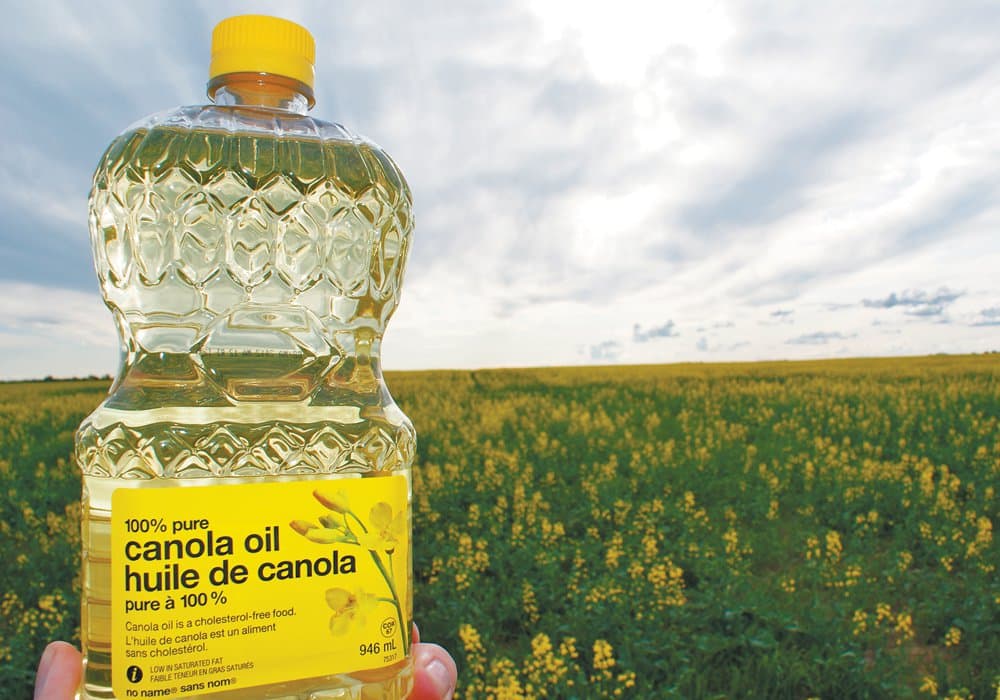
Canola oil is one of the most common cooking oils in American kitchens — it works for sautéing, baking, stir-frying, and deep-frying. When you buy a large bottle and worry about using it up in time, freezing might seem like the logical solution. But is it actually a good idea?
The short answer is that you technically can freeze canola oil, but most food storage experts strongly advise against it. Unlike freezing chicken breasts or a batch of soup, putting canola oil in the freezer does not extend its shelf life and can actually make the oil degrade faster once thawed. This guide walks you through everything you need to know — what happens when canola oil freezes, how to store it properly, and what to do if your oil has already been frozen.
Can You Freeze Canola Oil?
Yes, you can freeze canola oil — but it is not recommended. Freezing canola oil will not extend its shelf life and will actually affect its structure. That distinction matters because most people freeze food specifically to make it last longer, and canola oil simply does not benefit from that treatment.
Canola oil, with its higher proportion of unsaturated fats, needs far lower temperatures to freeze — around 14 degrees Fahrenheit (-10 degrees Celsius). A standard home freezer runs at 0°F, so your oil will solidify if left in there long enough, but the process takes time and causes more harm than good.
The main reason you would freeze a product is to extend its shelf life, but doing so will not have any impact on the length of time you can keep canola oil. Freezing canola oil will also change its fat composition and structure, which will then affect its effectiveness in the kitchen.
Pro Tip: If you bought a large jug of canola oil and want to stretch its freshness, skip the freezer and move it to the refrigerator instead. A glass bottle or its original sealed container in the fridge can keep the oil usable for nine to twelve months without the structural damage that freezing causes.
The bottom line: canola oil already has a long pantry life on its own. Canola oil has a shelf life of up to two years when unopened and stored in a cool, dark place. Once opened, canola oil can last around 6–12 months under the same storage conditions before going bad. There is rarely a practical reason to freeze it.
Does Freezing Change the Texture or Taste of Canola Oil?
Yes — and this is one of the biggest reasons to avoid freezing canola oil in the first place. The changes are not subtle.
Like most vegetable oils, canola oil will turn into a solid when frozen. When oil is frozen, its molecules become more rigid and crystalline, which can cause it to become cloudy and thick. That cloudiness and thickness do not automatically mean the oil is ruined, but they signal that the oil’s structure has been disrupted.
It is important to understand that the texture and flavor of the oil will undergo changes. When oil is subjected to freezing temperatures, its molecules slow down and pack closer together, resulting in increased density and viscosity. In practical terms, the oil becomes harder to pour and may behave differently when you heat it for cooking.
Freezing can negatively impact the oil’s structure, altering its texture and taste. Thawed canola oil may become clumpy or separated, making it unsuitable for cooking. If separation occurs, the oil cannot simply be stirred back together the way a salad dressing can — the molecular change is more permanent.
When canola oil is chilled, some of its natural flavors may become muted, which might make it taste less rich compared to oil stored at room temperature. This effect is usually temporary, and the oil will return to its normal flavor once it warms up to room temperature. However, if the oil was frozen hard and then thawed, the flavor impact can be more lasting.
How to Freeze Canola Oil the Right Way
If you have decided to freeze canola oil despite the drawbacks — perhaps you have a very large surplus and no other option — there are steps you can take to minimize the damage. The goal is to protect the oil from moisture, oxygen, and temperature swings as much as possible.
- Use only fresh, unused oil. Never freeze used cooking oil or one that has been defrosted before. Used oil has already started to oxidize, and freezing it accelerates spoilage rather than preventing it.
- Choose the right container. If you choose to freeze canola oil, it is essential to use an airtight container to prevent moisture and contaminants from affecting it. A glass jar with a tight lid or a freezer-safe plastic container both work. Avoid the original thin plastic bottle, which can crack under freezer temperatures.
- Portion it out. Make sure to choose serving-sized portions. Select a glass jar, a bottle, an airtight container, or an ice cube tray. Portioning means you only thaw what you need, which reduces the number of freeze-thaw cycles.
- Sterilize and dry the container first. Sterilize the container with hot water beforehand and let it dry completely. Even a small amount of water mixed into the oil can introduce bacteria.
- Label everything. Write the date on the container so you know exactly how long the oil has been frozen.
- Keep it away from strong-smelling foods. Oil absorbs odors easily. Store it away from fish, onions, or other pungent freezer items.
Important Note: Sources differ on whether freezing canola oil is truly harmful or simply unnecessary. Most food storage sources advise against it because of structural changes and the lack of shelf-life benefit. A smaller number of sources suggest it is physically safe as long as you thaw it correctly. The consistent advice across all sources: the refrigerator is a better choice than the freezer for canola oil.
If you cook with whole plant-based foods and use canola oil regularly in your kitchen, buying smaller bottles more frequently is a smarter strategy than freezing a large supply.
How Long Can You Freeze Canola Oil?
Even if you do freeze canola oil, it does not last indefinitely. It is not advisable to freeze canola oil as it will solidify and not prolong its shelf life. Storing it in the freezer will maintain its optimal quality for approximately one year. That is the same window you get from proper pantry storage — which means the freezer offers no real advantage.
Compare that to the shelf life you get without freezing at all:
| Storage Method | Estimated Shelf Life | Recommended? |
|---|---|---|
| Pantry (unopened) | Up to 2 years | Yes — best option |
| Pantry (opened) | 6–12 months | Yes — standard practice |
| Refrigerator | 9–12 months | Yes — good for warm climates |
| Freezer | Up to 1 year | Not recommended |
The oil maintains its quality for about a year whether stored in the freezer or pantry. However, freezing the oil can affect its structure and shorten its shelf life once thawed. You gain nothing in terms of time and risk degrading the oil’s cooking performance.
For households that cook regularly with canola oil, Global Savors notes that when stored correctly, unopened canola oil can last up to two years, and it is important to keep it in a cool, dark place, away from direct sunlight and heat sources.
How to Thaw Frozen Canola Oil
If your canola oil ended up in the freezer — whether on purpose or by accident — thawing it correctly is important. Rushing the process can introduce condensation into the oil, which creates a risk of bacterial contamination.
The easiest method is simply to move the bottle into a warm room or leave it in your pantry, allowing it to return naturally to its liquid state. This is the gentlest approach and causes the least additional stress to the oil’s structure.
If you are in a hurry, another option is to place the bottle of canola oil in a warm water bath. This will speed up the thawing process. Use warm — not hot — water, and make sure the container is sealed so no water gets inside.
- Do not microwave frozen canola oil. Avoid blasting frozen oil in the microwave, as the oil will heat unevenly, making it harder to control cooking temperatures.
- Do not use boiling water. Extreme heat accelerates oxidation, which is exactly what causes canola oil to go rancid.
- Do not shake or agitate the oil while it is partially frozen, as this can worsen any separation that has already occurred.
Avoid exposing the oil to excessive heat or direct sunlight, as this can accelerate oxidation and degrade its quality. Once the oil returns to room temperature and liquid form, inspect it before using it — check the smell, color, and consistency.
Can You Refreeze Canola Oil After Thawing?
No. Refreezing canola oil after it has already been thawed is a bad idea, and most food storage experts are consistent on this point.
While freezing oil does not spoil its quality outright, repeatedly freezing and thawing oil can shorten its shelf life. Each temperature shift increases the chance of condensation forming inside the bottle, and if even a little water mixes with the oil, it creates a risk of bacterial growth through contamination.
Frequent freezing and thawing may impact its flavor and shelf life. Each cycle degrades the oil further, so if you do freeze canola oil, plan to use the entire thawed portion at once rather than returning any remainder to the freezer.
This is why portioning the oil into small containers before freezing matters so much. If you freeze one-cup portions, you can thaw only what you need and avoid the refreeze problem entirely. That said, the refrigerator remains a far more practical option for any oil you want to keep accessible without committing to a single-use thaw.
How to Use Frozen Canola Oil (Best Uses After Freezing)
If you have thawed canola oil and it has passed your smell and appearance check, you can still cook with it — but some uses are better suited to post-frozen oil than others. The structural changes from freezing mean the oil may not perform as cleanly as fresh oil in every application.
The oil may appear to have a different consistency when stored in the freezer, but when you heat it, it becomes exactly the same and works the same way. High-heat cooking tends to mask any subtle flavor changes better than cold applications do.
Here are the best ways to use thawed canola oil:
- Sautéing and stir-frying — High heat will normalize the oil’s texture quickly, and the neutral flavor profile of canola oil means minor flavor changes are less noticeable.
- Baking — When canola oil is mixed into a batter or dough, any slight texture variation becomes irrelevant. It works just as well as fresh oil in muffins, quick breads, and cakes.
- Roasting vegetables — Tossing vegetables with thawed canola oil before roasting at high heat is a perfectly good use. The health benefits of the vegetables you are cooking are unaffected.
- Deep frying — Canola oil is a popular choice for deep frying because it has a high smoke point, which means it can be heated to a high temperature without burning or breaking down. Thawed canola oil retains this property.
Avoid using thawed canola oil in applications where flavor and texture are front and center — like homemade salad dressings, mayonnaise, or drizzling raw over food. In those uses, any off-notes from freezing will be more detectable. For heart-healthy cooking overall, you can also explore superfoods that support a healthy heart, many of which pair well with canola oil in everyday recipes.
Signs That Frozen Canola Oil Has Gone Bad
Whether your canola oil has been frozen or simply stored for a long time, knowing how to spot spoilage protects both the flavor of your food and your health. Rancid oil does not usually cause serious illness, but consuming rancid oil is unlikely to cause serious health issues, though it can affect the taste of your food and may lead to digestive discomfort.
Run through these checks before using any canola oil that has been frozen and thawed:
- Smell it first. Rancid canola oil often has an off-putting odor. If it smells like crayons, paint, or has a sour scent, it is likely spoiled. Fresh canola oil should smell neutral and faintly mild.
- Look at the color. Fresh canola oil is typically clear and light yellow. If the oil appears cloudy, dark, or has changed color significantly, it may be a sign of spoilage. Note that slight cloudiness from cold temperatures alone is not automatically a problem — it should clear up as the oil warms.
- Check the texture. Pour a small amount on your finger and observe if it feels tacky or sticky. If it does, it is best to dispose of the oil.
- Taste a tiny amount. Taste a small amount of the oil. If it has a bitter or sour flavor rather than its usual neutral taste, it is time to discard it.
- Look for separation or flakes. When canola oil freezes, it thickens, hardens, and becomes viscous. Flakes, crystals, and white precipitates will be visible. If these do not dissolve after the oil fully returns to room temperature, that is a warning sign.
Pro Tip: If your canola oil smells off but you are not certain it is rancid, dip a small piece of bread in it and taste. A bitter, stale, or paint-like flavor confirms it has gone bad. When in doubt, replace it — a fresh bottle is inexpensive and worth it for the quality of your cooking.
Proper storage from the start is the best way to avoid this situation altogether. Store canola oil in a cool, dark place away from direct sunlight and heat sources. This helps prevent oxidation and rancidity, which can lead to the oil developing off-flavors and odors. Keep it away from your stovetop, and always seal the bottle tightly after each use. If you are interested in how specific foods support overall wellness, certain foods can also help enhance liver function, which processes the fats you consume daily.
Frequently Asked Questions
Does Canola Oil Actually Freeze Solid?
Frozen canola oil will usually still be a bit liquid instead of being completely butter-like solid. That is because natural products like canola oil may have their properties fluctuating from batch to batch, even in the same brand. Whether it fully solidifies depends on your freezer temperature and the specific oil you have.
Is Cloudy Canola Oil Safe to Use?
Cloudiness in refrigerated oil is likely due to solidified fats and is usually harmless. Let it come to room temperature. If a bad smell accompanies the cloudiness, discard it. Cloudiness alone — without any off smell or taste — is not a reason to throw the oil out.
What Is the Best Way to Store Canola Oil Long-Term?
The best way to store canola oil is to keep it in a cool, dark place away from heat sources and direct sunlight. A pantry or cupboard is ideal. Ensure that the lid is tightly closed to minimize air exposure, which can lead to oxidation over time. For long-term storage beyond a few months, the refrigerator is a better option than the freezer.
Can You Freeze Used Canola Oil?
Freezing used cooking oil is a terrible idea. It can be reused three to four times after filtering out the crumbs, but it should not be refrozen. It has already started to oxidize, and bacteria have spread due to the food residue in it. Dispose of used cooking oil properly — never pour it down the drain.
Does Canola Oil Go Bad in the Pantry?
Yes, all cooking oils eventually go rancid. Right after the bottle of oil is opened, it gets access to oxygen, which starts the oxidation process and may lead to oil rancidity. The process is comparatively slow, and if you seal the bottle tight, it can help to keep the oil fresh longer. Buying a size you will use within 6–12 months of opening is the simplest way to keep your canola oil fresh without any special storage steps.
Is Canola Oil Good for You?
Canola oil has low saturated and monounsaturated fat, which can lower your risk of heart disease. It is a widely used oil in the United States for that reason. If you want to learn more about how dietary fats and other nutrients affect your health, explore powerful nutrients and foods that support health for a broader look at what you put on your plate.