Can You Freeze Alcohol? What Actually Happens to Beer, Wine, and Spirits

October 19, 2026
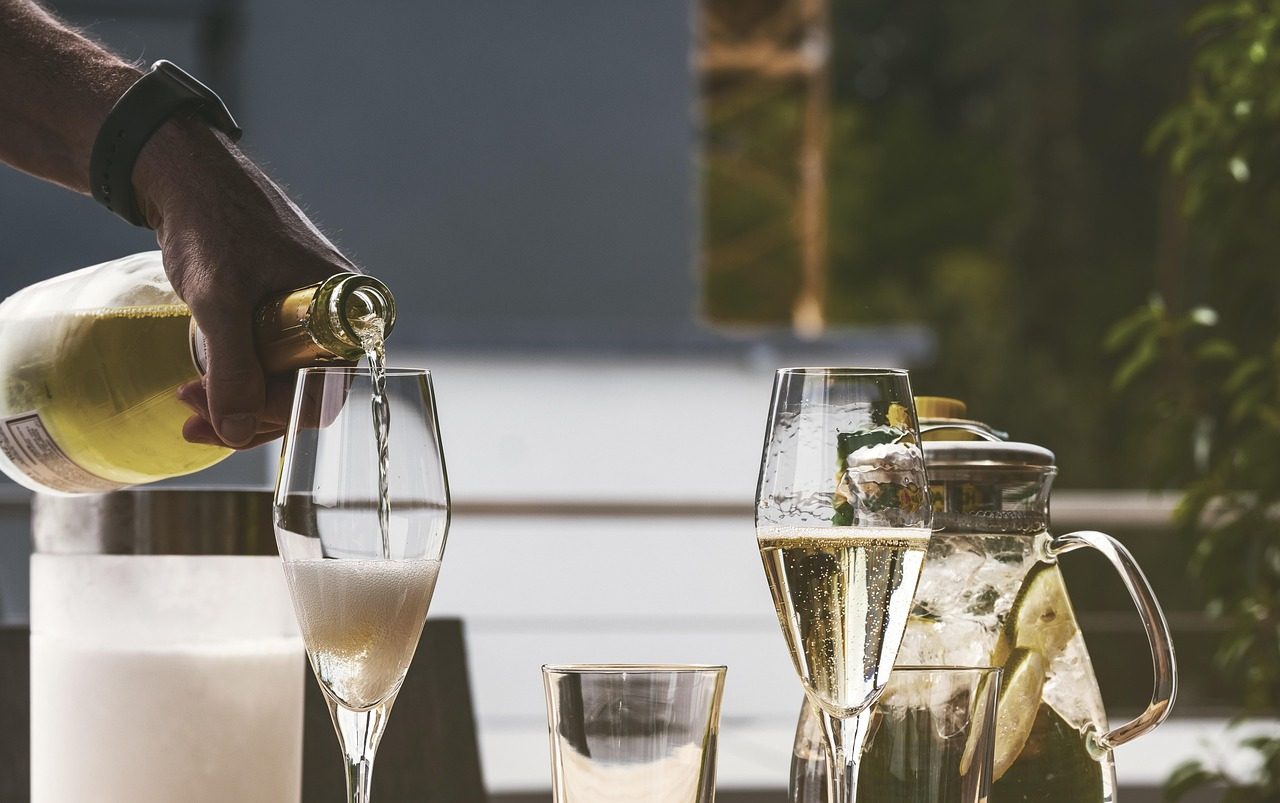
Put a bottle of vodka in your freezer and it comes out perfectly pourable. Do the same with a bottle of wine and you might find a cracked bottle and a frozen mess. The difference comes down to one factor: alcohol content. Not all alcoholic beverages behave the same way in the freezer, and knowing which ones can handle the cold — and which ones can’t — saves you from ruined drinks and exploding bottles.
Whether you’re trying to chill a spirit quickly, preserve leftover cocktails, or just curious about the science, this guide covers everything you need to know about freezing alcohol the right way. You can also check out this overview of foods that contain alcohol to understand how broadly alcohol shows up in what we eat and drink.
Can You Freeze Alcohol?
The short answer is: it depends on the type. Alcohol can freeze when exposed to extremely low temperatures, but any liquor with a proof higher than 50 will remain liquid in a regular home freezer. This applies to stronger spirits like vodka, tequila, whiskey, and gin, while beverages like beer, wine, and liqueurs can freeze if left in your home freezer for an extended period.
The reason comes down to chemistry. Ethanol — the alcohol found in beer, wine, and liquors — has a melting point of -114°C (-173°F), which represents the temperature at which ethanol passes from the solid frozen phase to the liquid state. Most home freezers maintain temperatures between -23°C and -18°C (that’s -9°F and 0°F) in order to properly store food. That’s nowhere near cold enough to freeze a high-proof spirit.
The freezing point varies: the lower the alcohol content, the higher the freezing point. To pinpoint the freezing temperature of a specific bottle, you’ll need to know its alcohol content, which you can check on the label.
Here’s a quick breakdown of common alcohol types and whether they freeze in a standard home freezer:
| Type of Alcohol | Typical ABV | Approximate Freezing Point | Freezes in Home Freezer? |
|---|---|---|---|
| Beer | 3–12% | 28°F (-2°C) | Yes, within 1–2 hours |
| Wine | 8–15% | 20°F (-6.7°C) | Yes, within ~5 hours |
| Low-proof liqueurs (e.g., Irish cream, Baileys) | ~20% | 22°F (-7°C) | Yes, may turn slushy |
| Mid-proof spirits (e.g., Fireball, Bacardi Razz) | ~32% | -10°F (-23°C) | No |
| 80-proof spirits (vodka, gin, whiskey, rum, tequila) | 40% | -17°F (-27°C) | No |
| High-proof spirits (Everclear 190-proof) | 95% | -173°F (-114°C) | No |
Does Freezing Change the Texture or Taste of Alcohol?
Yes — and the effect varies significantly depending on what you’re freezing. For high-proof spirits, the cold mainly changes mouthfeel. When alcohol freezes, it becomes more viscous and thicker because the water in it freezes, but the actual alcohol has a lower freezing point and does not freeze as quickly or easily. When vodka cools, its viscosity increases, which can lead to a softer and smoother texture, and chilled temperatures can also help to enhance the flavor.
However, the flavor story is more complicated for complex spirits. When alcohol is placed in the freezer, the cold temperature chills the liquid but also causes it to taste muted — which is fine if you don’t really want to experience the flavor of whatever you’re freezing, making it acceptable for a cheap vodka, but a bad idea for spirits you actually want to taste, such as a nice whiskey or tequila.
Gina Broyles, general manager and bar manager of Kwei Fei in Charleston, South Carolina, says that colder temperatures can mask aromas and flavors in gins and even flavored vodkas, especially citrus and floral notes. Spirits with more delicate flavor profiles, particularly gin and tequila, should never be kept in the freezer — “Tequila, for instance, loses its bright, citrusy notes,” says Broyles.
For beer and wine, the damage is more structural. Both beer and wine are mostly composed of water, which freezes faster than the alcoholic components in the drinks, leading to liquid separation and loss of flavor. Freezing may also reduce carbonation in bubbly beverages and, in worst-case scenarios, can cause sparkling bottles to explode.
Pro Tip: If you want a spirit cold without sacrificing flavor, use the freezer to chill your glassware instead of the bottle. A frozen glass keeps your drink cold without muting the aromatics.
How to Freeze Alcohol the Right Way
The right approach depends entirely on what type of alcohol you’re working with. Here’s how to handle each category safely.
High-Proof Spirits (Vodka, Rum, Gin, Whiskey — 40% ABV and Above)
Spirits with an ABV of 40 percent or higher — or 80 proof and above — can be stored in the freezer with relatively little likelihood of them actually freezing. For vodka specifically, you can leave the bottle in your freezer indefinitely. If you freeze vodka, be mindful to leave some headspace at the top of the bottle to allow for any minor expansion of the water content.
For whiskey, rum, and tequila, freezing is technically safe but not recommended for quality bottles. Storing spirits such as whiskey and rum in the freezer is not as common since it may lessen their taste — while they won’t turn into ice, to fully appreciate their flavors, you want to skip the freezer.
Beer and Wine
Beer and wine should not be stored in the freezer in their original bottles. Don’t freeze wine in the bottle — water expands when it freezes, so the pressure could cause the bottle to crack and the cork to be pushed out. Beer, which is only about 10 proof and also mostly water, can cause a similar catastrophe — if you forget about a can or bottle in the freezer for a day or two, the water could expand enough to pop the bottle tops or explode the cans.
If you want to freeze wine for cooking purposes, transfer it to an ice cube tray first. You can make ice cubes out of wine to store leftovers, but when you transfer those wine cubes to a zip-top bag for longer-term freezer storage, they might turn into a bit of a sludgy mess in the bag over time.
Liqueurs and Low-Proof Spirits
Low-proof liqueurs like Irish cream have an ABV of around 20% and a freezing point of 22°F (-7°C), meaning they may get slushy, and freezing them can permanently change the texture. Cream-based or fruit-based liqueurs like Baileys and Amaretto should not be frozen, as freezing can cause them to separate or change texture.
Batched Cocktails
Leftover batched cocktails with a meaningful spirit base can be stored in the freezer safely. When you have a batched cocktail like a gallon of margaritas or leftover punch, you’re only dealing with a small amount of perishable product — that margarita recipe is only about a third fresh juice, and most of the remainder is alcohol, which acts as a natural preservative. Store them in a sealed, freezer-safe container with some headspace.
How Long Can You Freeze Alcohol?
For high-proof spirits stored in their original sealed bottles, freezer time is essentially unlimited from a safety standpoint. If you have a handle of mid-range liquor in the 64-proof range, you can toss it in the freezer with little worry, though you’ll still want to keep an eye on it since even the cold cannot stave off oxidation forever.
For wine frozen in ice cube trays, use the cubes within three months for the best flavor. Beer should not be frozen at all for storage purposes — beer with an ABV ranging from 3% to 10% typically freezes at approximately 28°F (-2°C) and takes 1–2 hours to freeze, which is not recommended as it can compromise its quality and lead to bottles exploding.
Batched cocktails with a solid spirit base can last for months in the freezer. The key variable is the perishable ingredients mixed in — fresh citrus juice, dairy, or eggs will limit shelf life regardless of the alcohol content.
| Alcohol Type | Safe Freezer Duration | Notes |
|---|---|---|
| 80-proof spirits (sealed bottle) | Indefinite | No quality change from freezing |
| 80-proof spirits (opened bottle) | Indefinite | Watch for oxidation over time |
| Wine (ice cube trays) | Up to 3 months | Best for cooking use |
| Beer | Not recommended | Risk of explosion; flavor loss |
| Cream liqueurs | Not recommended | Separation and texture damage |
| Batched cocktails (spirit-forward) | Several months | Limit depends on perishable mix-ins |
How to Thaw Frozen Alcohol
If you accidentally froze a bottle of wine, beer, or a low-proof liqueur, the recovery process is simple but requires patience. If you mistakenly freeze a bottle of liquor, simply wait for it to melt at its own pace — do not heat it — and it will be safe to drink again.
Move the bottle or container from the freezer to the refrigerator and let it thaw slowly over several hours. Avoid running warm water over frozen glass bottles, as the sudden temperature change can crack them. Never microwave alcohol to thaw it.
Although it is never recommended to freeze wine, if you were to mistakenly forget a bottle in the freezer overnight, simply take it out of the freezer, wait for it to melt at its own pace, and it will be safe to drink once again. That said, expect some change in flavor and texture after it thaws, especially with wine and beer.
Important Note: If a wine or beer bottle has cracked or the cork has pushed out during freezing, discard the contents. The seal has been compromised, and the drink will have lost carbonation, flavor, and integrity.
Can You Refreeze Alcohol After Thawing?
For high-proof spirits — vodka, gin, whiskey, rum, and tequila — refreezing is not a concern because they never truly freeze solid in a home freezer in the first place. You can move them in and out of the freezer freely without any structural change to the liquid.
For wine, beer, and low-proof liqueurs that have actually frozen and thawed, refreezing is not recommended. Avoid frequent freezing and thawing, and be cautious with carbonated drinks, which can expand and break bottles in the freezer. Each freeze-thaw cycle causes further separation of water and alcohol, degrading flavor and texture progressively.
When frozen, beer, wine, and cider will turn to slush or become grainy, which can ruin the taste and flavor. If low-proof liquors are left for too long, they can develop a slushy-like texture and the chemical makeup will forever be altered, meaning the liquor will still taste off when thawed. Refreezing only makes this worse.
How to Use Frozen Alcohol (Best Uses After Freezing)
Freezing alcohol isn’t always a mistake — in many cases, it’s a deliberate technique that improves the drinking or cooking experience. Here are the best applications.
Chilled Shots and Straight Pours
Keeping vodka in the freezer is a time-honored American bar tradition. Storing vodka in the freezer causes it to become more viscous when you take a shot of it — a sensory effect that makes the liquid feel more premium. This also works well for other neutral spirits you plan to drink straight and cold.
Frozen Cocktails and Slushies
Liquor-infused popsicles — often called “poptails” — are frozen treats that combine alcohol with various flavors. You mix spirits like vodka, rum, or tequila with fruit juices, syrups, or other flavorings, pour the mixture into molds, and freeze it. The alcohol content is typically kept lower than in a standard cocktail to ensure a proper freezing texture.
Classic frozen cocktails include the Frozen Margarita (tequila, lime juice, and Triple Sec) and the Piña Colada (rum, coconut cream, and fresh pineapple). You can also enjoy a Frozen Daiquiri (rum, lime juice, and simple syrup) or a Frozen Mudslide (vodka, coffee liqueur, Irish cream, and ice cream) for a refreshing twist.
Cooking with Frozen Wine
Frozen wine cubes are one of the most practical uses of this technique. Instead of opening a fresh bottle every time a recipe calls for a quarter cup of wine, you can pull a few cubes from the freezer and add them directly to sauces, braises, and risottos. The flavor change from freezing matters much less when the wine is cooked down in a dish.
Pre-Batched Entertaining
In the case of certain pre-batched cocktails, storing them in the freezer prior to serving is acceptable — “if you’re batching a more spirit-forward cocktail, such as a Martini, it can allow it to be quickly served ice-cold without worrying about over-dilution while stirring the drink,” says beverage director Jarred Roth. The end product will be strong and have a smooth finish. This is a great approach for summer gatherings where you want to serve cocktails quickly without individually stirring or shaking each drink. For more food and drink inspiration, browse food festivals around the world or explore food festivals in Texas for local event ideas.
Signs That Frozen Alcohol Has Gone Bad
Alcohol itself does not spoil the way food does — high-proof spirits are essentially shelf-stable. However, freezing can cause quality changes that make a drink unpleasant or unusable. Here’s what to watch for:
- Visible separation: If you see a distinct layer of liquid separated from the rest after thawing, especially in cream liqueurs or wine, the emulsion has broken. Stir gently — if it doesn’t recombine, discard it.
- Off smell: A sour, vinegary, or flat smell in thawed wine or beer indicates oxidation or fermentation changes. If vodka tastes flat, has an off-putting odor, or shows discoloration, those are signs something is wrong.
- Loss of carbonation: Freezing can make beer flat when thawed. If a beer has gone completely flat after thawing, the drinking experience will be poor even if the liquid is technically safe.
- Grainy or slushy texture that won’t resolve: When frozen, beer, wine, and cider will turn to slush or become grainy. If this texture persists after full thawing, the drink has been structurally altered.
- Cracked bottle or pushed cork: Any bottle that has cracked or had its seal broken during freezing should be discarded — contamination is a risk once the seal is gone.
Understanding how alcohol interacts with your body is just as useful as knowing how to store it. You can read more about how alcohol affects appetite and nutrition, or explore foods that support liver function for a broader picture of how diet and alcohol interact. For overall wellness, check out these superfoods for a healthy heart and foods that promote healthy skin.
Frequently Asked Questions
Does Vodka Freeze in the Freezer?
The freezing point of vodka is around -17°F (-27°C), much lower than the standard freezer temperature of 0°F (-18°C). Certain higher-proof vodka has an even lower freezing temperature due to the increased alcohol content. Standard freezer temperatures are not low enough to completely freeze vodka, no matter how long you wait.
Can You Freeze Wine to Preserve It?
You can freeze wine, but only outside of its original bottle. Transfer leftover wine to an ice cube tray, freeze it solid, then move the cubes to a sealed freezer bag. This works well for cooking wine. Generally, wine should not be frozen as it can change texture and flavor, and freezing can cause wine to expand and break the bottle. For drinking purposes, refrigeration is always preferable.
What Happens If You Freeze Beer?
Beer in a freezer can not only freeze and ruin the quality of the beer, it may even explode, causing a bigger headache. It takes around 90 minutes for beer to freeze and likely explode, provided your home freezer has been set at -18°C or 0°F. If you want cold beer fast, put it in the freezer for no more than 20 minutes and set a timer.
Does Freezing Alcohol Make It Stronger?
No. Freezing does not change the alcohol content of a beverage. What it can do is concentrate the alcohol slightly if water freezes out of a low-proof drink first, but this is not a reliable or safe method to increase potency. The ABV on the label stays the same regardless of temperature. For more on how alcohol content relates to food and health, see this guide to foods that contain alcohol.
Can You Freeze Whiskey?
You can put whiskey in the freezer because it has a lower freezing point than other standard beverages, causing it not to freeze when stored in a standard freezer. However, it’s important to keep in mind that lower temperatures can impact the liquid within the bottle. Beverage director Jarred Roth says he wouldn’t store any spirits except vodka in the freezer, especially brown spirits. “Brown spirits tend to cloud when frozen,” he says, and you generally lose some of the tasting notes at ice-cold temperatures.
Is It Safe to Drink Alcohol That Has Been Frozen and Thawed?
Freezing alcohol doesn’t ruin it, but it can affect texture. Low-proof beverages may partially solidify, altering texture but not spoiling the alcohol. If you mistakenly freeze a bottle of liquor, simply wait for it to melt at its own pace — do not heat it — and it will be safe to drink again. The exception is any bottle whose seal has been broken or that has cracked during freezing.
Should You Store Spirits in the Freezer Long-Term?
If you want to serve spirits cold without compromising flavor or viscosity, a refrigerator or wine chiller is ideal. Everything else will keep its flavor best by being stored on a bar or counter at room temperature and away from light, including fluorescent lights and sunlight. The freezer is best reserved for neutral vodka, frozen cocktail prep, and wine cubes for cooking — not your entire liquor cabinet. For more on making smart food and drink choices, explore whole plant-based foods or read about powerful nutrients and foods that fight cancer.