What to Serve With A5 Wagyu: 15 Pairings That Let the Beef Shine

October 2, 2026
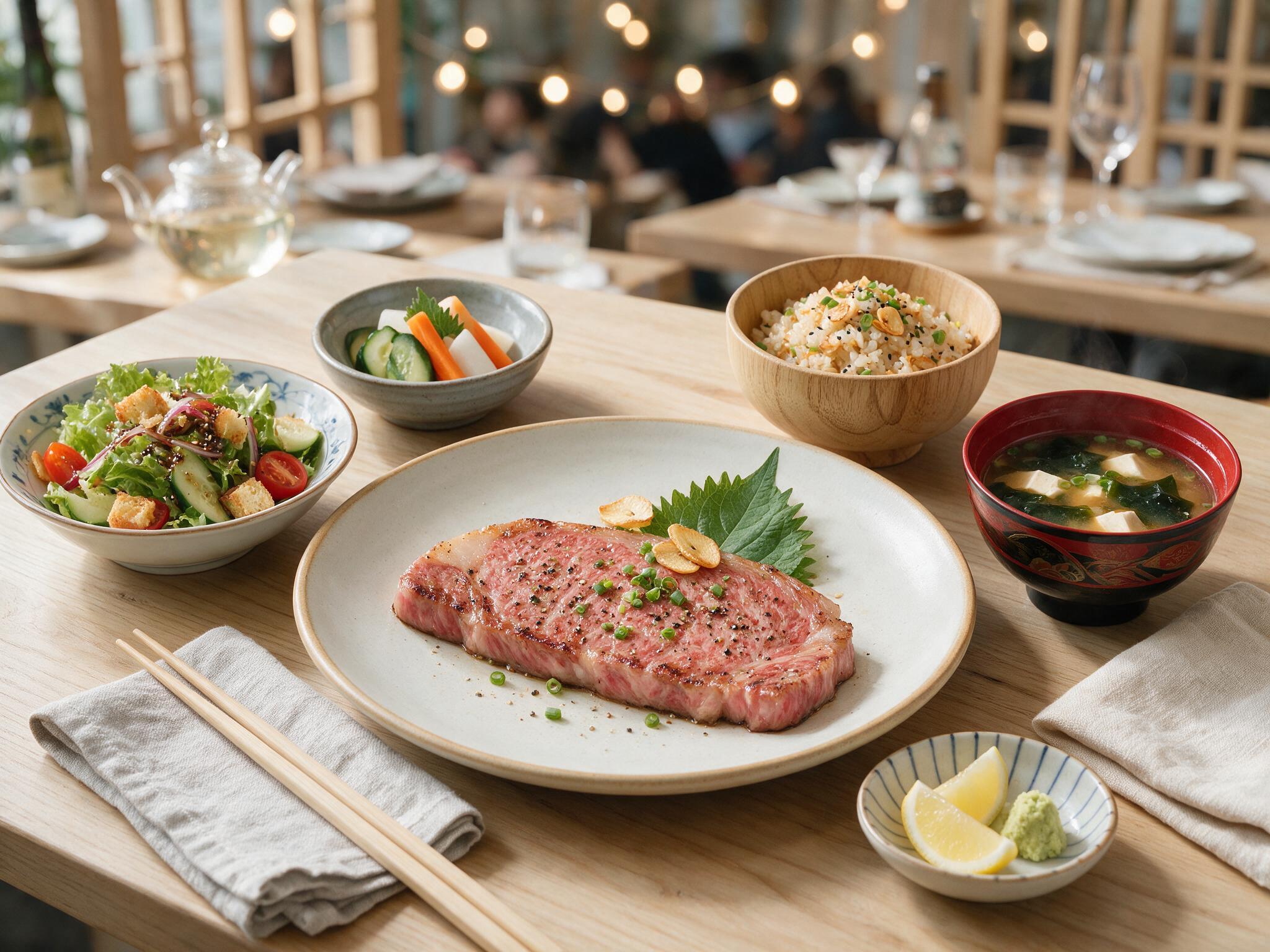
Figuring out what to serve with A5 wagyu is a different puzzle than planning sides for a regular ribeye. This beef comes from Wagyu cattle (Bos taurus), and the prized A5 grade carries a Beef Marbling Score of 8 to 12, meaning Japanese A5 Wagyu represents the pinnacle: BMS (Beef Marbling Score) of 8-12, meaning 40-60% of the cut can be fat. That density of fat is what makes A5 taste buttery and almost sweet, and it’s also why heavy, rich sides backfire fast.
The pairing logic here is simple: the pairing philosophy is simple: contrast, don’t compound — the beef already provides richness, umami, and fat, so your job is to provide what it lacks — acidity, bitterness, freshness, texture contrast. A5 wagyu is arguably the ultimate savory food, so the accompaniments below are built to refresh your palate between bites rather than pile on more richness. Every item here — rice, sauces, salads, wines, and more — earns its spot on the plate for a reason.
| Pairing | Role on the Plate |
|---|---|
| Steamed Short-Grain Rice | Neutral base that soaks up rendered fat |
| Ponzu Sauce | Citrus-soy acidity for dipping |
| Pickled Vegetables | Sharp acid to reset the palate |
| Arugula Salad | Peppery, bright contrast |
| Sautéed Mushrooms | Earthy umami booster |
| Roasted Asparagus | Charred, citrus-brightened vegetable |
| Wasabi | Mild heat that cuts fat |
| Miso Soup | Warm, cleansing umami broth |
| Cabernet Sauvignon | Tannic red wine contrast |
| Sake | Traditional Japanese beverage pairing |
| Grilled Brussels Sprouts | Charred, bitter-edged vegetable |
| Baked Potato | Comforting, neutral starch |
| Yuzu Kosho | Spicy, citrusy condiment |
| Chimichurri | Herby, acidic sauce |
| Champagne | Sparkling acidity to cleanse the palate |
Steamed Short-Grain Rice
Plain steamed short-grain rice is the anchor of nearly every authentic A5 wagyu plate. Steamed short-grain white rice is the classic anchor — neutral, slightly sweet, and ideal for soaking up rendered fat. Because it doesn’t compete with the beef, it lets the marbling take the spotlight while still giving you something to chew on between bites of pure fat.
Many wagyu fans skip the fork entirely and let the rice do double duty. The mild, slightly sticky texture absorbs the beef’s rendered fat, and some diners like to place a piece of wagyu directly on the rice, letting the fat soak in. A small strip of toasted nori pressed onto the rice adds a savory, mineral note without pulling attention away from the beef — the same trick used for other foods that start with N in Japanese cooking.
Pro Tip: Season the rice with a touch of rice vinegar and mirin instead of plain water. The subtle sweetness and acidity complement the beef without turning the rice into a separate dish that competes for attention.
Ponzu Sauce
If you serve only one condiment with A5 wagyu, make it ponzu. Ponzu, a citrus-soy sauce, is the standout for Japanese wagyu: its acidity is precisely what rich beef wants. The combination of citrus juice, soy sauce, and a kombu-based dashi gives it a bright, savory backbone that cuts fat without masking the beef’s own flavor — a trick that draws on the same base used in many foods that start with K.
Treat ponzu as a dip, not a marinade. A small dish of the right condiment, served on the side rather than poured over, can add a welcome contrast without drowning the beef’s natural umami. A shallow bowl for dipping, with just enough for a light coat on each slice, keeps the balance where it belongs. For a deeper breakdown of what makes a citrus-soy pairing work so well with rich beef, Destination Wagyu’s pairing guide is worth a look.
Pickled Vegetables
Quick-pickled vegetables are one of the hardest-working accompaniments on this list. Pickled vegetables (quick-pickled daikon, cucumber, or ginger) are your most powerful tool, because sharp acidity resets the palate between bites. A small mound of tsukemono next to the beef gives your mouth a genuine break from fat, which is exactly what keeps a rich meal from feeling heavy by the third bite.
Radish is one of the most common bases for this style of pickle, and it belongs in the same conversation as other crisp, acidic foods that start with R that show up across Japanese cooking. Cucumber and ginger work the same way, and none of them need more than a few minutes of quick pickling to do their job. As one halal wagyu restaurant guide puts it, tangy and slightly sour pickled vegetables, such as radishes or cucumbers, are a refreshing side dish that balances the buttery texture of the beef.
Arugula Salad
A simple arugula salad is one of the easiest ways to add real contrast to an A5 wagyu dinner without cooking anything. Peppery arugula dressed lightly with lemon, olive oil, and shaved Parmesan gives a peppery bite and acidity that refresh the palate between bites. Keep the dressing light — this is not the place for a heavy vinaigrette or creamy dressing.
Quality olive oil matters more than usual here since the salad has so few ingredients. Look for a fruity, slightly peppery extra-virgin oil, the same kind you’d reach for among other foods that start with O when a dish depends on just a handful of components. A few curls of Parmesan and a squeeze of lemon are all the salad needs to do its job.
Sautéed Mushrooms
Mushrooms and wagyu were made for each other. Sautéed mushrooms work because wagyu’s buttery flavor pairs well with the earthy notes and textures of sautéed mushrooms. The trick is restraint in the pan — a quick sauté, not a long braise, keeps the mushrooms tender rather than saturated with sauce.
Shiitake, maitake, and enoki all bring slightly different textures to the plate, and enoki in particular adds a delicate, almost noodle-like bite that plays well against silky beef — one more reason it’s worth knowing your way around foods that start with E when you’re building a Japanese-style spread. Sautéed simply in a touch of soy sauce and sake, the earthy, umami-rich mushrooms amplify the beef’s savory character, and mushrooms should be tender, not swimming in sauce.
Roasted Asparagus
Asparagus brings both char and acidity to the table, two things A5 wagyu genuinely needs. Thick asparagus spears, charred over high heat and finished with lemon juice and flaky salt, echo the beef’s crust while the lemon provides essential brightness. A quick sear over high heat, whether on a grill or in a hot skillet, is all it takes.
Skip the hollandaise here — that’s too rich for wagyu, and a cream-based sauce on top of already-fatty beef defeats the purpose of the vegetable in the first place. A generous squeeze of fresh lemon, the same citrus you’d reach for among other foods that start with L, does far more for the plate than any butter sauce could.
Wasabi
Real, freshly grated wasabi is nothing like the green paste most people know from delivery sushi. A traditional wasabi-and-soy dip, or a touch of fresh grated wasabi, works the same way ponzu does — cutting through the fat with clean, sinus-tingling heat rather than masking the beef. It belongs on this list right alongside other classic foods that start with W in a Japanese pantry.
According to one Tokyo yakiniku restaurant that serves halal A5 wagyu, freshly grated wasabi has a fresh, mild spice that complements the richness of Wagyu without overpowering its flavor. A tiny dab on the side of the plate, refreshed between bites, is enough — you’re not trying to season the whole slice.
Common Mistake: Drowning the beef in sauce. This creates palate fatigue — your mouth gets coated with fat and you can’t enjoy the beef. Every condiment on this list works best in small, deliberate amounts.
Miso Soup
A small bowl of miso soup on the side does a lot of quiet work during an A5 wagyu meal. A light dashi-based miso soup with tofu, wakame, and scallions provides warmth and umami without competing with the beef — the fermented soybean paste echoes the beef’s savory depth while the broth cleanses between bites. It’s a warm counterpoint to the cold acidity of ponzu or pickles, and it rounds the meal out the way a traditional Japanese kaiseki course would.
Keep the broth light. A simple dashi-based broth or miso soup on the side adds warmth without weight, which matters when the main course is already this rich. For more on building a balanced dashi-based menu around wagyu, the Meat Pairing guide breaks down the traditional Japanese accompaniments in detail.
Cabernet Sauvignon
A bold Cabernet Sauvignon is the classic Western answer to A5 wagyu’s richness. Medium- and full-bodied wines with high tannins pair best with wagyu’s subtle flavor, and examples include cabernet sauvignon, Monastrell, or Sangiovese. The tannin structure grips the fat on your palate and clears it, which is exactly what a glass of wine is supposed to do at a meal this rich.
Other sommeliers land on the same conclusion from a different angle: medium- to full-bodied reds with firm tannins — Cabernet Sauvignon, Bordeaux blends, Syrah/Shiraz — cut through the fat nicely. If you’re serving Cabernet, pour it in advance and let it breathe; a tight, closed glass won’t have the fruit needed to stand up to the beef.
Sake
Sake has a natural, centuries-old relationship with wagyu that Western wines simply can’t match. Sake is often easier to pair than wine because it evolved alongside wagyu in Japan and provides natural harmony — the umami amplifies the beef, while acidity cuts through fat. For a dinner built around Japanese A5, sake is arguably the more traditional and more forgiving choice.
Look for a Junmai or Daiginjo style. A Junmai Daiginjo sake, known for its purity and subtle fruit notes, is an excellent match, and the clean finish and slight sweetness balance the rich, fatty flavors of A5 wagyu. Serve it slightly chilled rather than warm — warming tends to mute the delicate aromatics that make premium sake work so well against fatty beef.
Grilled Brussels Sprouts
Grilled or roasted Brussels sprouts bring exactly the bitterness and char that A5 wagyu is missing on its own. The caramelization from grilling adds a delightful depth of flavor, which pairs well with the buttery texture of the steak. Halve them, get a hard sear on the cut side, and don’t overdress them — a little olive oil, salt, and pepper is plenty.
For extra contrast, a light finish of balsamic reduction pushes the bitterness even further. Roasted until the outer leaves are crispy and slightly charred, then finished with balsamic reduction and Parmesan, the bitterness and acidity cut through the wagyu’s richness while the crispy texture contrasts the beef’s tenderness. Keep the portion small; this is a supporting side, not a main event.
Baked Potato
A simple baked potato is a comfort-food classic that still respects the beef’s spotlight, as long as you keep the toppings modest. Choosing a lighter dish like baked potatoes or a garden salad, alongside lightly seasoned greens, keeps the meal from feeling too heavy. A few chives, a small pat of butter, and flaky salt are usually enough.
If you want to add a little indulgence without overwhelming the plate, a small amount of truffle butter melted over the top does the trick — the same earthy, aromatic ingredient that shows up across so many foods that start with T in fine dining. A dollop of horseradish sour cream is another option worth trying if you want the same acidic cut you’d get from a citrus condiment, drawn from the same family as other tangy foods that start with H.
Key Insight: Limit yourself to one starch, not two, and if you’re serving multiple wagyu types in one sitting, eat from leanest to richest, finishing with A5, so your palate isn’t overwhelmed before the best bite arrives.
Yuzu Kosho
Yuzu kosho is the condiment to reach for when you want more complexity than plain wasabi but still less intensity than a full sauce. This fermented chili and yuzu paste is spicy, citrusy, and complex — a tiny dab provides heat and acidity, and it should be used like wasabi, sparingly. A little goes a long way, and too much will fight with the beef’s sweetness instead of complementing it.
The condiment’s job is straightforward: it cuts through the richness and fat of meat, and when used with greasy beef, it combines well to create a refreshing flavor alongside the fat. Keep a small jar on hand and offer it on the side rather than mixing it into anything, so guests can add as much or as little as they like.
Chimichurri
Chimichurri brings herby, garlicky acidity to the table, and it’s one of the few Western sauces that genuinely works with A5 wagyu instead of fighting it. A sharp, herby chimichurri adds brightness and bite, and being built on parsley, garlic, vinegar, and oil, it’s almost purpose-made to cut marbled fat. Spoon it on the side rather than over the beef so each bite stays in your control.
Even sources that favor a hands-off approach to A5 make an exception for a well-balanced chimichurri. A vibrant chimichurri can enhance that profound flavor profile — just a touch, since the meat is still the star. A version with slightly more oil and less vinegar than a traditional Argentine chimichurri keeps it gentle enough for the most delicate cuts of A5.
Champagne
Champagne might be the single best beverage pairing for A5 wagyu, full stop. The crisp acidity and effervescence of a high-quality Champagne cut through the beef’s richness, cleansing the palate and enhancing the umami flavors. The bubbles do mechanical work that still wine can’t — physically lifting fat off your palate between bites.
Look specifically for a Blanc de Noirs style. The high acidity and bubbles cut through fat like nothing else, and a Pinot Noir-based Champagne adds enough body to stand up to the beef while the carbonation cleanses the palate. If you’re closing the meal on a lighter note, a small scoop of ice cream or fruit sorbet — a simple nod to other cold foods that start with I — pairs naturally with the same Champagne you poured during dinner.
Important Note: A5 wagyu is genuinely rich in saturated fat, and that’s part of the appeal, not a flaw. If you’re mindful of your overall diet, smaller portions paired with acid-forward sides like pickles, citrus, and salad help keep an indulgent meal in balance — our guide on foods to eat and avoid with coronary heart disease has more general background if that’s a concern for you. This is general information, not medical advice, so check with a healthcare provider about your specific dietary needs.
None of these fifteen pairings are meant to compete with the beef — they’re built to make it easier to enjoy. Start with one starch, one acidic side, and one drink, then layer in a condiment or two if you want more complexity; adding everything at once just crowds the plate. If you’re ordering A5 online rather than picking it up locally, it’s worth knowing how to ship frozen food with ease so the beef arrives in the same condition it left the source, which matters more with wagyu than with almost any other cut of beef you’ll cook at home.