Can You Freeze White Pizza? Storage Tips That Actually Work

November 1, 2026
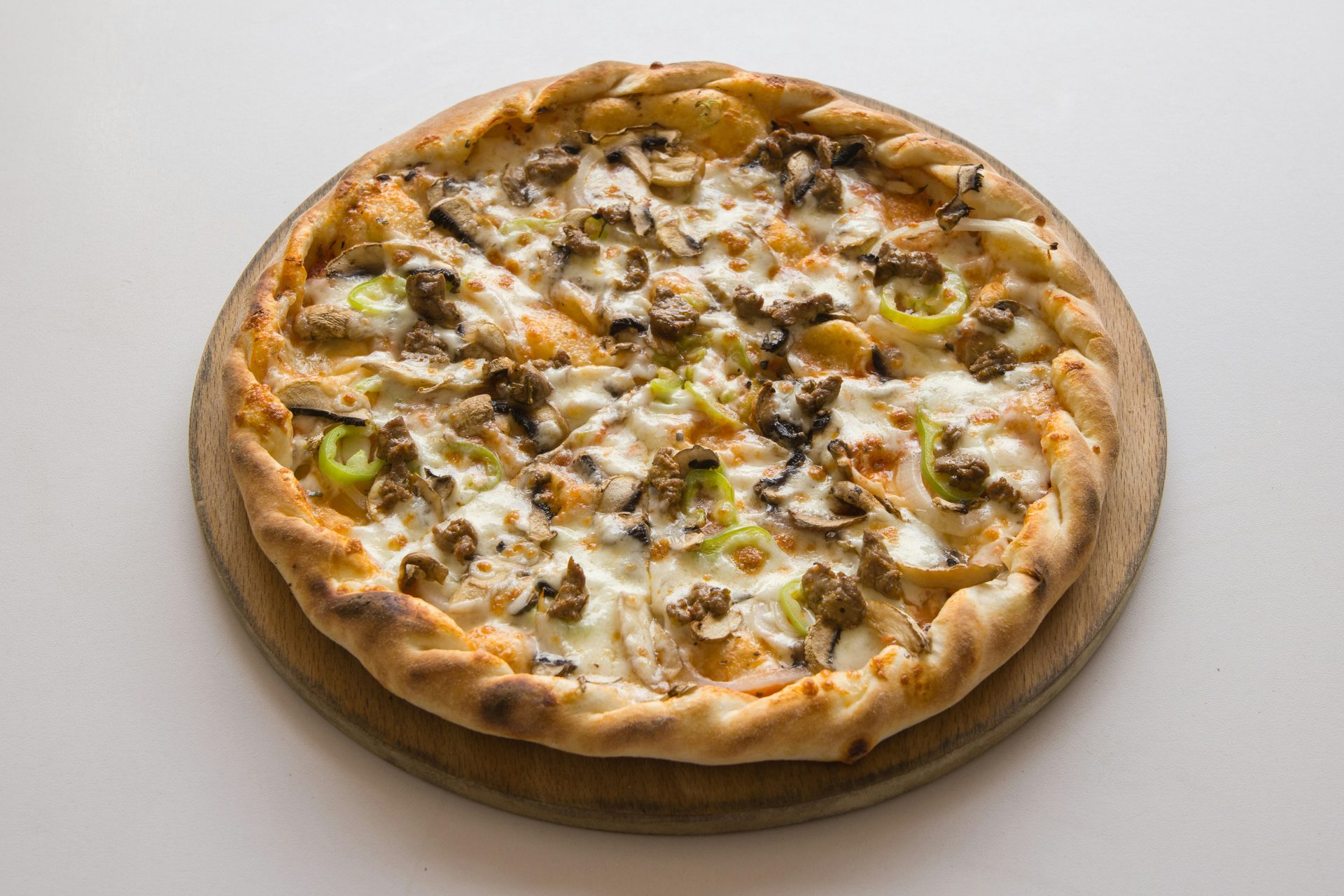
White pizza is one of those meals that disappears fast — until it doesn’t, and you’re left with half a pie and no plan. The good news is that white pizza freezes well, and with the right approach, you can pull a slice from the freezer weeks later and still enjoy it.
The creamy base — whether that’s ricotta, garlic sauce, or a blend of cheeses — does respond a little differently to freezing than a standard tomato-sauce pizza, but none of those differences are deal-breakers. This guide walks you through everything: how freezing affects white pizza, how to wrap it properly, how long it keeps, and what to watch for before you eat it.
Can You Freeze White Pizza?
You can freeze white pizza in an airtight freezer bag for up to 3 months. That applies whether you made it at home or have leftovers from your favorite local spot. If you prepare it the right way, any type of pizza can be frozen and brought back to life the next time you need a pizza fix.
White pizza — sometimes called pizza bianca — skips the tomato sauce in favor of a creamy base. It’s topped with rich, creamy cheeses like mozzarella, ricotta, and parmesan, accompanied by optional toppings such as fresh spinach, garlic, and chicken. Those dairy-heavy toppings freeze fine as long as you use proper wrapping and don’t let the pizza linger in the freezer past its prime.
One important rule before you freeze anything: you can freeze pizza if it was handled safely before freezing. Freeze leftover, homemade, or delivery pizza while it is still fresh and cold. Do not freeze pizza that sat out overnight or has an unknown storage history.
Pro Tip: If you have white pizza with fresh greens like arugula on top, remove them before freezing. Leafy toppings turn soggy and unpleasant after a freeze-thaw cycle — add them fresh when you reheat.
Does Freezing Change the Texture or Taste of White Pizza?
Freezing does affect white pizza, but how much depends on your technique. The biggest factor is the dairy. Ice crystals form in soft cheeses in the freezer, melting as the product thaws, leaving you with something that no longer has that creamy, unctuous mouthfeel. Speciality Food Magazine recommends only freezing soft cheeses if you plan to use them in cooking later on, such as in a sauce, or over a pizza. Since white pizza is baked, the cheeses go back into a hot oven during reheating, which largely restores their texture.
The crust is the other variable. One of the most important processes affecting pizza after baking is starch retrogradation — the primary cause of baked goods becoming tough and dry over time. Starch retrogradation causes a loss of softness and freshness during storage; in other words, it’s the process that makes baked goods containing flour go stale. Freezing halts this process, which is actually a point in its favor.
For the best results, transfer the pizza to the freezer as soon as possible after it has completely cooled. Freezing halts further retrogradation, but does not reverse any that has already occurred since the pizza was removed from the oven. Translation: the sooner you freeze it, the closer it will taste to the original when reheated.
The honest reality is that frozen-then-reheated white pizza won’t be identical to a fresh-baked slice. The ricotta may be slightly less fluffy, and a thin crust will be more fragile. But if you do it right, you can almost get those frozen slices to taste as though they are from a fresh pizza just out of the oven.
How to Freeze White Pizza the Right Way
The steps below apply whether you’re freezing a whole white pizza or individual slices. Slices are generally the better option for everyday use — they thaw and reheat faster, and you only pull out what you need.
- Let it cool completely. Freezing pizza that is still warm leads to moisture buildup, compromising the pizza’s texture. Always let the pizza cool before wrapping it for freezing. Give it at least 30 minutes on a wire rack.
- Flash-freeze the slices first. Place the slices on a baking sheet and freeze for 1–2 hours to prevent them from sticking together. This step makes individual slices easy to grab without them fusing into a block.
- Wrap each slice tightly. Wrap the pizza tightly in plastic wrap and then in aluminum foil to avoid freezer burn. The double layer is not optional — it’s what keeps the creamy cheese toppings from drying out.
- Place in a freezer bag. For added protection, place the wrapped slices in a freezer bag, pressing out as much air as possible before sealing. If you have a vacuum sealer, this is an excellent option to remove air and prevent freezer burn.
- Label with the date. Use a permanent marker to write the date of freezing on the outside of the wrap or container. Include the type of pizza and any specific toppings for easy identification later.
- Store flat at the back of the freezer. Store the pizza in the coldest part of your freezer, usually at the back, away from the door. Keeping it flat also helps the slices reheat evenly.
Pro Tip: If you’re making white pizza specifically to freeze, consider par-baking the crust first. Par-baking the crust sets the structure of the dough without fully browning it, so it holds up well in the freezer and bakes up crisp and fresh later.
How Long Can You Freeze White Pizza?
You can freeze white pizza in an airtight freezer bag for up to 3 months. Most sources agree on this window for cooked pizza. Cooked pizza can be stored in the freezer for about 1 to 2 months without a significant loss of flavor or texture. While it may still be safe to eat beyond that timeframe, the quality may diminish, leading to changes in taste and texture.
For white pizza specifically, staying closer to the 1–2 month mark is a smart call. The soft cheeses — ricotta in particular — are more moisture-sensitive than a standard mozzarella, and extended freezer time increases the chance of textural changes after thawing.
| Storage Method | Recommended Timeframe | Quality Notes |
|---|---|---|
| Room temperature | Up to 2 hours | Do not exceed; discard after |
| Refrigerator | 3–4 days | Store in airtight container |
| Freezer (best quality) | 1–2 months | Optimal flavor and texture |
| Freezer (safe limit) | Up to 3 months | Quality may decline after 2 months |
The USDA recommends that no perishable food, pizza included, should sit out for more than two hours at room temperature. This time reduces to just one hour if the ambient temperature exceeds 90°F, a common scenario during summer. Never freeze white pizza that has been sitting out beyond those windows.
How to Thaw Frozen White Pizza
How you thaw white pizza matters almost as much as how you froze it. The refrigerator method is the safest and produces the best texture results.
When defrosting, white pizza should be moved from the freezer to the refrigerator for at least 12 hours before reheating and consuming. Overnight works perfectly — pull it from the freezer before bed and it’s ready to reheat the next day.
Once thawed, reheat using one of these methods:
- Oven (best results): Reheating pizza in the oven is perhaps the best way to maintain its texture and flavor. Preheat the oven to 375°F (190°C). Unwrap the pizza slice and place it on a baking sheet. For extra crispiness, you can use a pizza stone. Bake for about 10–15 minutes, or until the cheese is bubbling and the crust is crispy.
- Skillet: Heat a skillet over medium heat. Place the frozen slice in the skillet and cover it with a lid. Heat for about 8–10 minutes. The lid will help to trap steam, reheating the cheese while the crust gets crispy.
- Air fryer: As long as the pizza fits into your air fryer, bake at 360°F for 8–10 minutes until crust is golden brown and cheese is melted, checking it every few minutes to make sure it doesn’t burn.
- Microwave (quick option): While the microwave is the fastest method, it is not always the best for quality. Use it only when speed is the priority, and expect a softer crust.
Pro Tip: Heat leftover pizza to 165°F before serving to ensure food safety, regardless of which reheating method you use.
Can You Refreeze White Pizza After Thawing?
Technically, it may be safe under the right conditions, but it’s generally not worth doing. The USDA states that it is safe to refreeze food if it was thawed safely in the refrigerator and hasn’t reached above 40°F (4°C). So if your white pizza thawed in the fridge and you changed your mind about eating it, refreezing is not a food safety issue.
The quality concern is a different story. Refreezing twice can affect both texture and taste. For the best results, freeze pizza right after your first meal instead of after reheating. Each freeze-thaw cycle pushes more moisture out of the ricotta and other soft cheeses, leaving them grainy and dry.
If the pizza thawed on the countertop, it’s crucial not to refreeze it, as harmful bacteria may have developed. In that case, either eat it immediately or discard it. The safest habit is to freeze white pizza in individual slices from the start so you only thaw what you plan to eat.
How to Use Frozen White Pizza (Best Uses After Freezing)
Frozen white pizza is most useful as a quick weeknight meal, but you can also get creative with how you serve it. A well-reheated slice holds up on its own, and a few simple additions can make it feel restaurant-worthy again.
Fruit like peaches, figs, apples, and pears make excellent white pizza toppers. Slice up your fruit of choice, toss in a little bit of olive oil, and spread the slices on the pizza before popping it in the oven. This works especially well with white pizza’s creamy base.
Other easy upgrades after reheating:
- Finish with a drizzle of high-quality extra virgin olive oil or a balsamic glaze for a flavor boost.
- Fresh greens atop a pizza are a tasty addition, and a surefire way to make it a complete meal. Toss tender greens like arugula or spring mix in fresh lemon juice, olive oil, coarse salt, and black pepper. Add them after reheating, not before.
- Add freshly grated Parmesan, whole slices of fresh mozzarella, or a few small dollops of ricotta to refresh the cheese layer before the final few minutes in the oven.
- Cut reheated slices into smaller pieces and serve as an appetizer with a simple green salad — a great option when you’re feeding guests and want to stretch leftovers.
White pizza also pairs naturally with other white-themed food ideas if you’re planning a themed dinner spread. For a more complete meal, pair it with a side of roasted vegetables or a light soup.
Signs That Frozen White Pizza Has Gone Bad
Even properly frozen pizza can go bad, especially if it was stored too long or the wrapping failed. Check every slice before reheating.
Changes in appearance, smell, and texture are the biggest red flags that your pizza is no longer safe to eat. Fresh pizza should keep its original colors, while spoiled pizza shows obvious changes you can spot right away.
Watch for these specific signs on white pizza:
- Off smell: A sour or strange odor means the pizza is likely spoiled. White pizza’s dairy base should smell mild and neutral after thawing — any sour or rancid notes are a clear signal to toss it.
- Visible mold: Green or white fuzzy spots on cheese or sauce are clear red flags. Any visible mold on fresh mozzarella is a clear indicator that it should be discarded. White mozzarella that develops black mold or blue spots is no longer safe to eat.
- Gray or slimy toppings: Meat that turns gray or develops a slimy coating needs to go. The same applies to any chicken or other protein toppings on your white pizza.
- Severe freezer burn: If you do encounter slight freezer burn, it’s typically just on the surface and can often be scraped off before reheating. However, if the entire slice looks dried out, discolored, or frost-covered throughout, the quality has degraded too far to be worth eating.
- Unusual texture after thawing: Ricotta that has turned watery and separated significantly, or cheese that smells sour, should not be eaten.
Important Note: Pizza may appear and smell fine but still harbor harmful bacteria. Sensory checks help, but they are not foolproof. Always follow the recommended storage timelines and discard pizza that has been frozen beyond 3 months, regardless of how it looks.
For more guidance on food storage and nutrition, explore our articles on whole plant-based foods and superfoods for a healthy heart.
Frequently Asked Questions
Can you freeze white pizza with ricotta on it?
Yes. Ricotta freezes well when it’s already baked onto a pizza. Ice crystals form in the freezer and melt as the product thaws, which can affect the texture of soft cheeses. Speciality Food Magazine recommends only freezing soft cheeses if you plan to use them in cooking later on — such as over a pizza. Since you’ll be reheating the pizza in an oven, the ricotta will warm through and regain much of its creaminess.
How do you keep white pizza from getting soggy when reheating?
Avoid the microwave if possible. Baking leftover pizza in the oven is better at retaining the flavors and keeping the crust crunchy enough. A skillet with a lid is another reliable option that crisps the bottom while melting the cheese from the steam above.
Can you freeze white pizza that was delivered?
Yes, if it was not left out too long. Wrap slices airtight and freeze them the same day for best quality. The same rules apply to delivery white pizza as to homemade — cool it quickly, wrap it well, and don’t let it sit out past the two-hour mark.
Should you freeze white pizza as a whole pie or by the slice?
While it may be tempting to store an entire pizza, consider slicing it into servings before freezing. This approach not only saves space in your freezer but also allows for easy reheating of just a portion as needed.
Can you freeze white pizza dough before topping it?
Yes, pizza dough by itself freezes really well. Individual pizza dough balls can be frozen in plastic wrap or freezer bags for up to 1–2 months. This is a great strategy if you want to keep a batch ready for pizza nights without committing to a fully assembled pizza. You can also learn more about famous regional pizza styles for topping inspiration.
Is it safe to eat white pizza that was frozen for 4 months?
The pizza will not be dangerous to eat, but the longer it stays in the freezer, the less flavorful it will be. Food frozen for too long tends to lose its original texture and flavor. At 4 months, white pizza’s soft cheeses will likely have a noticeably grainy or watery texture. It’s better to stay within the 3-month window for quality you’ll actually enjoy.