
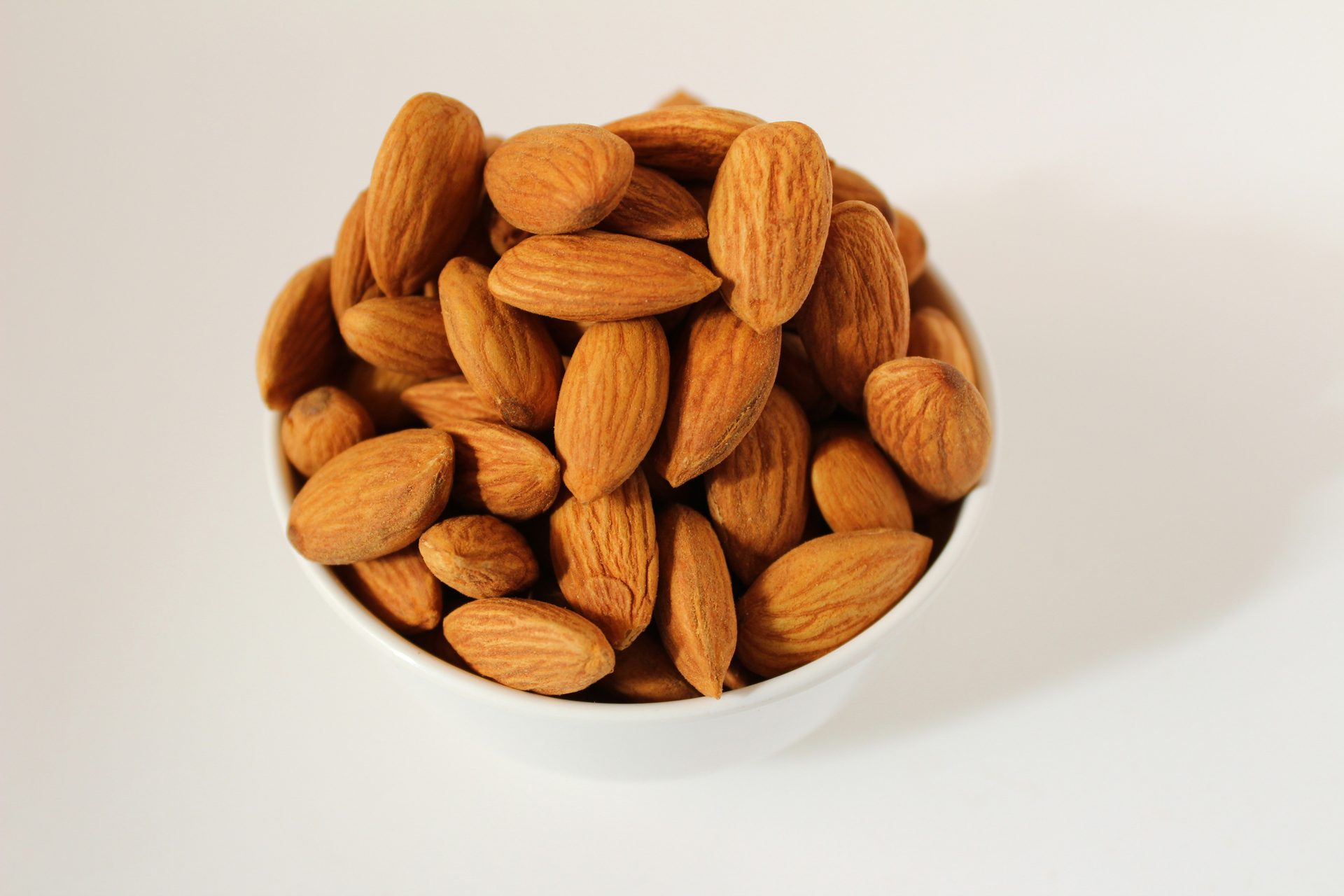
Almonds are one of those pantry staples that Americans tend to buy in bulk — a big bag from Costco, a club-size container from Sam’s Club, or a large resealable pouch from the grocery store. The problem is that Prunus dulcis, the almond tree, produces a nut that is rich in natural oils, and those oils can turn rancid long before you work through a large supply.
The good news is that freezing almonds is one of the most effective ways to keep them fresh for the long haul. Whether you have raw whole almonds, roasted almonds, sliced almonds, or almond flour, the freezer can dramatically extend their usable life without sacrificing much in the way of flavor or crunch. This guide walks you through every step of the process.
Can You Freeze Almonds?
Because the water content in almonds is very low, freezing them is a safe and trusted storage method. When you package and store the nuts correctly, they maintain their flavor, crunch, freshness, and nutritional value even after being defrosted.
Yes, you can freeze almonds. Because almonds contain oil, they go rancid at warm temperatures and don’t keep well at room temperature, so freezing is the best storage method. This is especially true once a bag has been opened and the nuts are exposed to air and humidity.
Blue Diamond Growers’ Almond Innovation Center has conducted extensive research on almond shelf life, continuously testing and monitoring hundreds of products with almond ingredients, and their data confirms that almonds have a longer shelf life in comparison to other nut meats. Still, that shelf life depends heavily on how you store them.
Pro Tip: If you buy almonds in bulk, divide them into smaller portions before freezing. That way you only thaw what you need each time, which keeps the rest of your supply fresh longer.
You can also freeze almonds in their shell. Storing almonds with their shell intact is a good option for long-term freezing because the shell provides a barrier between the nuts and the extreme cold temperature.
Does Freezing Change the Texture or Taste of Almonds?
This is the question most people ask before committing to the freezer, and the answer depends on the form of almond and how well you package them.
Almonds are safe and nutritious to store in the freezer since their water content is so low that freezing won’t alter their texture or nutritional value. When the nuts are properly packaged and stored, they can be frozen and then defrosted without losing their flavor, crunch, freshness, or nutritional value.
Freezing almonds doesn’t affect their nutrient content because of their very little water content. Since they don’t have much water, the texture and nutrients aren’t affected. If you store them in an airtight container or freezer bag, the nuts will maintain their flavor, crunch, and nutritional value even after being defrosted.
The story is a little different for sliced, chopped, or ground almonds. For almond pieces or sliced almonds, you can use the same method as for whole almonds, but be aware that they tend to get soggy. Whole almonds stay fresh the longest because chopped, roasted, or ground almonds release their oils, which are exposed to more oxygen and go rancid more quickly.
The bottom line: whole, raw almonds freeze exceptionally well. Processed or pre-cut forms are still worth freezing, but expect a modest change in texture after thawing.
How to Freeze Almonds the Right Way
Freezing almonds takes only a few minutes of prep. The key is minimizing air and moisture exposure, both of which can lead to freezer burn and off-flavors over time.
- Start with fresh almonds. Frozen almonds typically last for up to 6 months at best quality, but it may depend on the quality of your almonds — the better or fresher they are, the better they will taste after thawing. Don’t freeze almonds that are already stale.
- Skip blanching for snacking. Blanching the nuts is not required before throwing them into the freezer because blanching will cause them to lose some of their flavor and aroma. Blanched almonds can be frozen if you’d prefer to use them for baking purposes, but if you’re planning to eat them or use them in a savory dish, choose whole, unblanched almonds.
- Place them in a freezer bag or airtight container. Place the shelled almonds into an airtight container or freezer bag, press on the bag to remove any excess air, and seal the bag or container as tight as possible. This will prevent air from leaking in and destroying the nuts.
- Add a second layer of protection. For extra protection, put the container or bag with almonds into another bag, or secure the lid or the closing part of the bag with plastic wrap.
- Label the container. Write the date and the type of almond (raw whole, roasted, sliced, ground) on the bag or container so you can track freshness easily.
- Store at 0°F. Ensure that the almonds are stored at 0°F (-18°C) or below to maintain their quality.
Pro Tip: Vacuum-sealed bags are the gold standard for freezing almonds. For the longest shelf life, vacuum-sealing almonds before freezing can help keep them fresh by removing excess air.
For almond flour or ground almonds, the container you’re working with should function as the first line of defense against moisture and freezer burn, and adding a second layer — either a layer of foil or a freezer-safe plastic bag — is recommended.
How Long Can You Freeze Almonds?
Freezer life varies depending on the form of almond and how well they are packaged. Here is a quick reference:
| Almond Type | Freezer Life (Best Quality) | Notes |
|---|---|---|
| Whole raw (in-shell) | Up to 2 years | Shell acts as a natural barrier |
| Whole raw (shelled) | 12–24 months | Airtight container required |
| Roasted almonds | Up to 12 months | Oil-roasted go rancid faster than dry-roasted |
| Sliced or slivered | 6–12 months | More surface area = faster oxidation |
| Ground almonds / almond flour | Up to 18 months | Double-wrap to block moisture |
According to the Almond Board of California, almonds are a shelf-stable nut that can have more than two years of shelf life when stored at recommended conditions. Unshelled almonds will generally stay at best quality for about two years in the freezer; foods kept constantly frozen at 0°F will keep safe indefinitely.
In their natural state, almonds can be frozen for up to two years, whereas roasted almonds can be frozen for almost one year. Ground almonds can be frozen for up to 18 months.
Almonds are a heart-healthy food worth protecting — proper freezer storage ensures you get the most nutritional value out of every batch.
How to Thaw Frozen Almonds
Thawing almonds is simple, and in many cases you can skip it altogether. The method you choose depends on how you plan to use them.
- Refrigerator overnight (best method): Simply leave them in the fridge overnight. This allows them to thaw slowly and evenly. This is the preferred approach for snacking and most recipes.
- Room temperature: Simply take the number of almonds you need from the freezer, place them in a bowl, and set it on the countertop. The almonds should be completely thawed within 1–2 hours.
- Microwave (quick method): If you are in a hurry, you can thaw almonds in the microwave. Place them in a microwave-safe dish and heat on the defrost setting for 30-second intervals until thawed. Be careful not to overheat them, as this can cause them to become dry and brittle.
- No thawing needed: If you’re planning to use frozen almonds to make sauces, thawing isn’t needed — just take them from the freezer and put them directly into the sauce while it’s being mixed.
Important Note: To prevent moisture exposure during thawing, place the frozen almonds in an airtight container or sealed plastic bag. Condensation can form on the nuts as they warm up, so keeping them sealed until they reach room temperature helps preserve their texture.
Once thawed, use your almonds within a few days for the best flavor and crunch. Do not leave thawed almonds sitting out for extended periods.
Can You Refreeze Almonds After Thawing?
Refreezing is possible, but it comes with some caveats worth knowing before you do it.
Unshelled almonds can be thawed and refrozen repeatedly during the freezer time shown without any significant loss of flavor or texture. For shelled almonds, the situation is similar — as long as they haven’t been sitting at room temperature for too long and show no signs of spoilage, refreezing is generally safe.
Although nuts can be refrozen, doing so too frequently can be harmful. Each freeze-thaw cycle exposes the nuts to temperature fluctuations, which can gradually degrade the oils and affect flavor. The best practice is to portion your almonds before the first freeze so you only pull out what you need each time.
You can refreeze ground almonds, provided you follow proper steps and make sure to eliminate as much moisture from the almonds as possible. When frozen and refrozen, ground almonds will remain at a roughly standard consistency.
If you’re regularly cooking with whole plant-based foods like nuts and seeds, portioning before freezing is one of the easiest habits to build into your routine.
How to Use Frozen Almonds (Best Uses After Freezing)
Frozen almonds are surprisingly versatile. Many uses don’t even require thawing first, which makes them a genuinely convenient pantry staple.
Thawed almonds can be used in various recipes such as smoothies, baked goods, or as toppings for salads. They are also great for making almond paste, almond flour, almond butter, and almond milk.
Here are some of the best ways to use frozen or just-thawed almonds:
- Smoothies and protein shakes: Toss whole frozen almonds directly into a high-powered blender. No thawing required.
- Baking: Thaw overnight in the refrigerator, then use in muffins, cookies, cakes, or granola bars just as you would fresh almonds.
- Salad toppings: Thaw at room temperature for an hour, then toast lightly in a dry skillet to restore crunch.
- Almond butter: Frozen nuts like almonds can be ground into almond meal or used whole in cooking recipes without any noticeable difference in taste or texture.
- Sauces and soups: Add frozen almonds directly to blended soups or sauces — the heat will thaw them instantly.
- Trail mix and snacking: Allow to thaw at room temperature for 1–2 hours. If they seem a bit soft, a quick toast in a 350°F oven for 5–8 minutes restores their crunch.
If you have almonds that taste slightly stale but are not spoiled, roasting them can help to bring back their original crunch. Spread them on a baking sheet and bake at 350°F for 10–15 minutes, watching carefully to avoid burning.
Almonds are also recognized as one of the powerful nutrient-rich foods worth keeping on hand, which makes finding ways to preserve them well worth the effort.
Signs That Frozen Almonds Have Gone Bad
Even in the freezer, almonds can eventually go bad. Before eating or cooking with frozen almonds — especially if they’ve been stored for a long time — run through these checks.
When oxygen reacts with unsaturated fat through the autoxidation process, various breakdown products are formed, causing off-flavors and other problems, like rancidity. This process slows dramatically in the freezer but doesn’t stop entirely, especially if packaging isn’t airtight.
| Sign | What to Look For | Action |
|---|---|---|
| Rancid smell | Sharp, sour, or oily odor instead of a sweet, nutty aroma | Discard |
| Bitter taste | Unpleasant bitterness when you bite into one | Discard |
| Mold | White, blue, or green spots on the nut surface | Discard immediately |
| Color change | Unusual darkening or discoloration (not from roasting) | Discard |
| Texture change | Soft, oily, sticky, or slimy feel | Discard |
| Freezer burn | Dry, chalky patches or ice crystals on surface | Trim affected area; use in cooked recipes |
To determine if almonds are spoiled, check the smell first — fresh almonds have a sweet, nutty aroma, and if they emit a sharp, sour odor, they may have turned rancid. A bitter or sour taste is a clear indicator of spoilage.
If you notice white, blue, or green spots on your almonds, mold has started growing, and they should be thrown away immediately. Spoiled almonds are not poisonous, but the fats no longer benefit health, and rancid fat could potentially contribute to chronic health problems if consumed regularly.
Almonds are recognized as one of the beneficial foods for overall health, but only when they’re fresh and properly stored — rancid almonds offer none of those benefits.
Frequently Asked Questions
Can You Freeze Flavored or Salted Almonds?
Yes. Flavored and salted almonds freeze well using the same method as plain almonds. Pack them in an airtight freezer bag, squeeze out the air, and freeze for up to 12 months. The seasoning holds up well through freezing and thawing.
Do Almonds Need to Be Washed Before Freezing?
No. Washing almonds before freezing introduces moisture, which is the enemy of good frozen storage. If you want to rinse almonds, do so only after thawing and right before eating or cooking.
Can You Freeze Soaked Almonds?
Yes, you can freeze soaked almonds, but you need to let them dry first before putting them into the freezer. Without drying them first, the extra moisture on the almonds will cause them to become even softer during freezing.
How Do You Know if Almonds Are Still Good After Freezing?
Almonds should be crunchy. If they have become soft or rubbery, this is a sign of spoilage. Also do a quick smell and taste test — any bitterness or sour odor means the nuts should be discarded.
Can You Freeze Almond Milk or Almond Butter?
Almond milk can be frozen, though it may separate upon thawing and is best used in smoothies or cooking rather than drinking straight. Almond butter freezes well for up to 6 months — store it in a sealed jar or freezer-safe container and stir after thawing.
Should You Freeze Almonds in Their Original Bag?
If the almonds are in an unopened package that is tightly sealed, you can store them in the original packaging. Once a bag is opened, transfer the almonds to a dedicated airtight freezer bag or container to maintain freshness.
Are Frozen Almonds Still Nutritious?
Almonds retain their nutritional value even after being frozen. Due to improper storage, it would be a shame to lose some of the health benefits of almonds, which are already low in saturated fat and high in omega-3s. Freezing is one of the best ways to preserve those nutrients long-term. For more on how nutrient-dense foods support your body, see this guide to foods that promote healthy skin.